
High Efficiency PU Sandwich Panel Line
Sinowa is a well-known manufacturer and technical service provider of high-end pu sandwich panel line, learn more about high efficiency pu sandwich panel line, please contact Sinowa's technical engineer, tell us what you need, we will contact you as soon as possible!
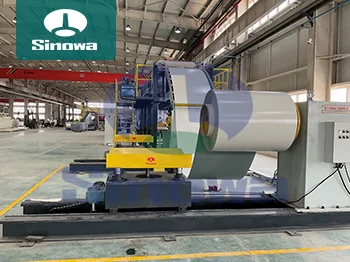
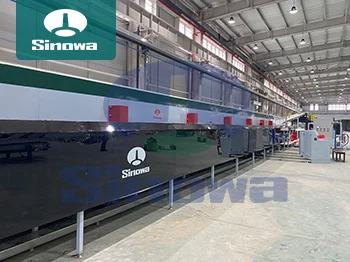
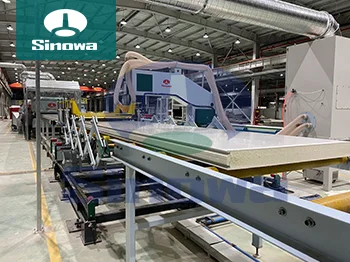
Sinowa is committed to the development and manufacturing of high-end and high-efficiency pu sandwich panel line. Our pu sandwich panel line are leading the way in efficiency, automatic control, human-computer interaction, environmental protection and energy consumption. Using system integration and bus control technology, it realizes the automatic integrated linkage control of the entire pu sandwich panel line, and can achieve remote interactive communication, which has the world-class level and a comprehensive leading high-performance pu sandwich panel line in the market.
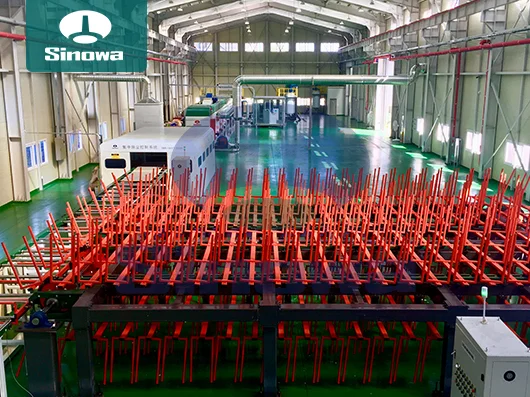
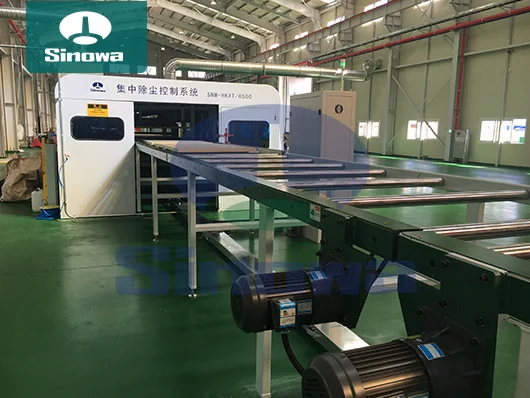
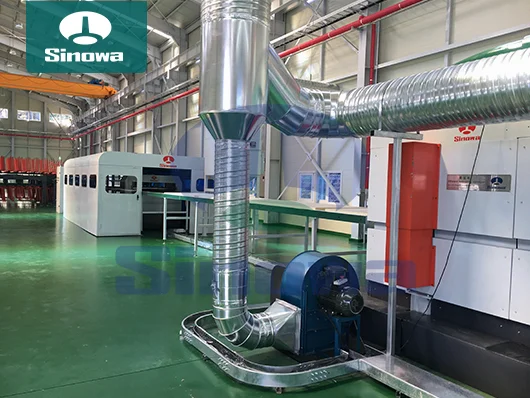
For more than ten years, relying on our innovative manufacturing concept and excellence in quality, reliable and trustworthy service to customers, we cooperate with customers all over the world, exported products to Canada, South Korea, Israel, Australia, the Middle East and other more than 20 countries and regions. contributed to building energy conservation and low-carbon production and have won widespread praise.
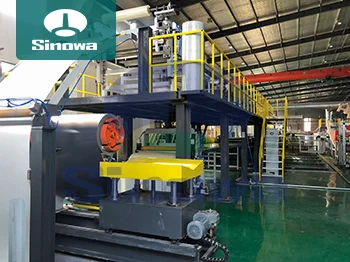
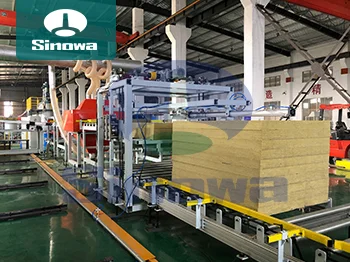
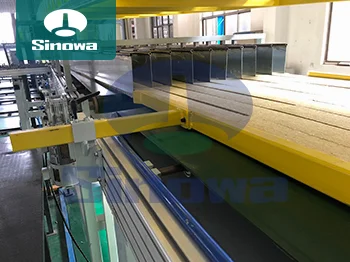
Sinowa has invested outstanding efforts in pu sandwich panel line, this is why our products are more efficiency, quality, automatic control technology, environmental protection, energy consumption indicators and the appearance and safety protection are comprehensively leading, some subversive design changes in many major technical points, these major innovations make our products excellent in price/performance and user experience.
In the modern construction and industrial insulation sectors, the demand for high-performance, cost-effective, and sustainable building materials has surged dramatically over the past two decades, driving continuous innovation in manufacturing equipment and production processes. Among the key production systems shaping this industry, the high efficiency PU (polyurethane) sandwich panel line stands out as a cornerstone technology, redefining how insulated sandwich panels are manufactured at scale while balancing speed, precision, and product quality. Unlike traditional, labor-intensive production methods that rely on manual handling and batch processing, these advanced continuous production lines integrate mechanical engineering, chemical processing, automated control systems, and material science into a seamless workflow, enabling manufacturers to meet the growing global demand for PU sandwich panels without compromising on consistency or performance.
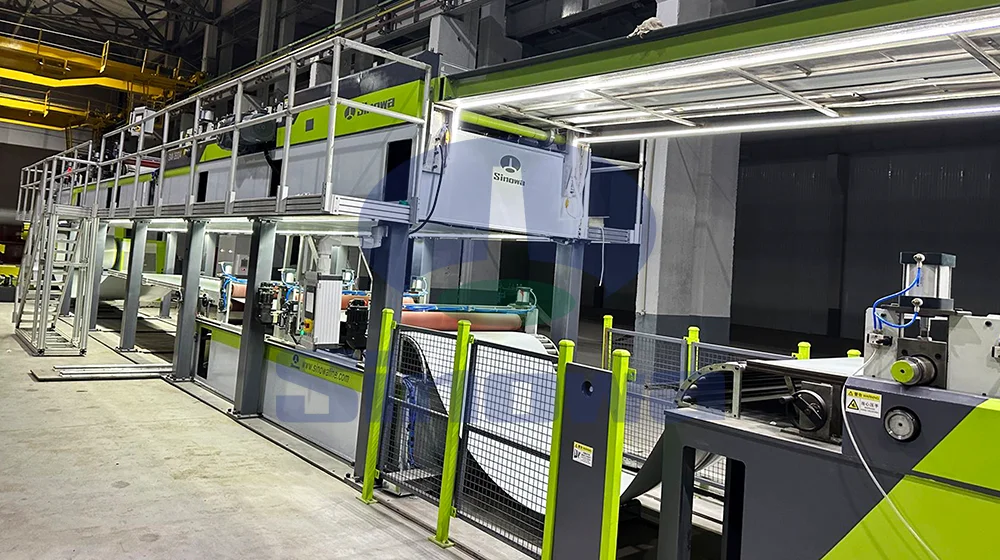
To fully grasp the significance of high efficiency PU sandwich panel lines, it is essential to first understand the fundamental structure of PU sandwich panels themselves, as the production line is meticulously designed to optimize the creation of this unique composite material. A standard PU sandwich panel consists of two rigid outer facing layers—most commonly metal sheets, though non-metallic materials such as fiber cement boards or polymer panels are also used—and a dense, closed-cell polyurethane foam core bonded firmly between them. The foam core delivers exceptional thermal insulation, sound absorption, and lightweight structural integrity, while the outer layers provide durability, weather resistance, and mechanical strength, making the panels ideal for a vast range of applications including cold storage facilities, commercial and residential building walls and roofs, industrial warehouses, clean rooms, and transportation insulation. Historically, producing these panels involved discontinuous, batch-based methods where each panel was fabricated individually, leading to slow output, inconsistent foam density, uneven bonding between layers, high material waste, and heavy reliance on skilled labor. The development of high efficiency continuous PU sandwich panel lines addressed all these pain points, creating a fully integrated system that streamlines every stage of production from raw material preparation to finished panel packaging.
The operational flow of a high efficiency PU sandwich panel line is a carefully orchestrated sequence of interconnected stages, each engineered to maximize speed and precision while minimizing downtime and errors, with no interruptions to the continuous production cycle. The process begins with the uncoiling and pre-treatment of the outer facing materials, typically metal coils that are fed into the line from heavy-duty uncoiling stations. These coils are first leveled to remove any warping or imperfections, ensuring a perfectly flat surface for subsequent bonding, then cleaned and treated to enhance adhesion between the metal and the PU foam core. Some lines also include optional surface profiling or embossing stations to add structural rigidity or aesthetic finishes to the outer layers, all completed automatically without manual intervention. Once pre-treated, the top and bottom facing sheets are guided into precise alignment and fed into the core lamination and foaming section, which is the heart of the entire production line and the key to its high efficiency.
At the core foaming and lamination stage, the polyurethane raw materials—consisting of two primary reactive components, polyol and isocyanate, along with carefully formulated additives such as blowing agents, catalysts, flame retardants, and colorants—are processed with unparalleled accuracy. In high efficiency lines, these materials are stored in temperature-controlled storage tanks to maintain optimal viscosity and reactivity, then pumped through a high-precision metering system that delivers the exact ratio of components required for consistent foam formation. This metering system eliminates human error in material mixing, a common issue in batch production, ensuring that every batch of foam has uniform density, cell structure, and insulation properties. The mixed liquid PU compound is then injected continuously and evenly between the two moving facing sheets through a specialized mixing head, which moves synchronously with the sheet speed to maintain a consistent distribution across the entire width of the panel. Immediately after injection, the sandwich assembly enters a double-track press or continuous curing oven, where controlled heat and pressure are applied to trigger the foaming reaction and bond the foam core firmly to the outer layers. The curing process is tightly regulated by automated sensors that monitor temperature, pressure, and curing time in real time, adjusting parameters dynamically to match the production speed and desired panel thickness, which can range from thin wall panels to thick, heavy-duty cold storage panels. This continuous curing process is far more efficient than batch curing, as it eliminates the waiting time between batches and ensures uniform curing across the entire length of the panel, preventing weak spots or uneven insulation that can compromise product performance.
Following the curing stage, the fully formed continuous PU sandwich panel moves through a series of post-processing stations that refine the product and prepare it for market, all integrated seamlessly into the production line to avoid bottlenecks. The first post-processing step is precision cutting, where a flying saw or tracking cutter operates while the panel remains in continuous motion, trimming the panel to exact, custom lengths as specified by the manufacturer. This non-stop cutting mechanism is a defining feature of high efficiency lines, as it eliminates the need to stop the production line for cutting, a major source of downtime in older systems. After cutting, the panels pass through edge trimming and finishing stations to remove any excess material and create smooth, uniform edges that ensure a tight fit during installation. Some advanced lines also include quality inspection stations equipped with optical sensors and thickness gauges that automatically check for defects such as uneven foam density, delamination, or surface imperfections, sorting out non-conforming panels in real time to maintain overall product quality. Finally, finished panels are conveyed to automatic stacking and palletizing stations, where they are neatly arranged on pallets for storage or shipping, reducing manual labor and the risk of damage during handling. The entire production line operates with minimal human oversight, with a single control room managing all stages through a centralized automated system, further boosting efficiency and reducing labor costs.
One of the most compelling advantages of high efficiency PU sandwich panel lines is their ability to deliver consistent, high-quality products at a vastly higher output rate compared to traditional production methods. Continuous operation means that these lines can produce panels around the clock, with only scheduled maintenance stops required, resulting in output volumes that are several times higher than discontinuous batch lines. This increased production capacity allows manufacturers to fulfill large commercial orders quickly, reducing lead times for customers and strengthening their competitive position in the market. Beyond speed, the precision of automated control systems ensures that every panel produced meets strict dimensional and performance standards, with consistent thickness, uniform foam density, and reliable bonding between layers. This consistency is critical for end-users, as it guarantees predictable thermal insulation performance, structural stability, and ease of installation, reducing installation time and costs on construction sites. Additionally, the closed-loop material handling and precise metering systems in high efficiency lines minimize material waste, as raw materials are used only in the exact quantities needed, and scrap from cutting or trimming is often recycled or repurposed within the production process. This reduction in waste not only lowers production costs but also aligns with global sustainability goals, making the manufacturing process more eco-friendly.
Automation and smart control technology are integral to the exceptional efficiency of these production lines, elevating operational performance and adaptability to new levels. Modern high efficiency PU sandwich panel lines are equipped with advanced PLC (Programmable Logic Controller) systems and human-machine interfaces that allow operators to set production parameters, monitor line performance, and adjust settings with minimal effort. Real-time data collection from sensors placed throughout the line tracks key metrics such as material flow, temperature, pressure, production speed, and output volume, providing manufacturers with valuable insights into operational efficiency and enabling proactive maintenance. Predictive maintenance features alert operators to potential equipment issues before they cause downtime, reducing unplanned stops and extending the lifespan of the production line. Many lines also feature flexible design capabilities, allowing manufacturers to quickly switch between different panel thicknesses, widths, and facing materials without extensive reconfiguration, making it easy to adapt to changing market demands and customer requirements. This flexibility is particularly valuable in a dynamic construction industry, where project specifications vary widely and manufacturers need to offer a diverse product range to stay competitive.
Environmental sustainability and energy efficiency are also key highlights of high efficiency PU sandwich panel lines, addressing growing global concerns about industrial carbon footprints and resource conservation. Compared to older production equipment, these modern lines are designed with energy-saving features such as optimized curing oven insulation, efficient heating systems, and variable-speed drives for motors that reduce energy consumption during operation. The closed-cell PU foam produced by these lines is itself a highly sustainable material, offering superior thermal insulation compared to traditional insulation materials, which helps reduce energy usage for heating and cooling in buildings and cold storage facilities over the long term. Additionally, the reduced material waste and lower labor requirements of high efficiency lines contribute to a smaller overall environmental impact, while the durable nature of PU sandwich panels means they have a long service life, reducing the need for frequent replacements and further minimizing waste. Many high efficiency lines also use eco-friendly blowing agents in the PU foam production process, replacing older, high Global Warming Potential (GWP) agents with more sustainable alternatives that comply with global environmental regulations without compromising insulation performance.
The impact of high efficiency PU sandwich panel lines extends far beyond the manufacturing floor, driving positive change across the entire construction and insulation supply chain. For manufacturers, these lines lower operational costs through reduced labor, material waste, and energy use, while increasing output and product quality, leading to higher profit margins and improved market competitiveness. For contractors and builders, the consistent, high-quality panels produced by these lines simplify installation, reduce project timelines, and ensure reliable performance, leading to higher customer satisfaction and fewer post-installation issues. For end-users, whether commercial cold storage operators, residential property owners, or industrial facility managers, the superior insulation and durability of PU sandwich panels translate to lower energy bills, improved indoor comfort, and reduced maintenance costs over the life of the building. In the cold storage sector, in particular, where precise temperature control is critical, the high-performance panels from efficient production lines help maintain consistent temperatures, reduce energy loss, and preserve the quality of perishable goods, supporting global food supply chains and reducing food waste.
As the global construction industry continues to shift towards sustainable, energy-efficient building practices, and the demand for cold storage and insulated industrial facilities rises due to population growth and urbanization, the role of high efficiency PU sandwich panel lines will only become more vital. Ongoing technological advancements are further enhancing these lines, with developments in artificial intelligence for process optimization, improved sensor technology for even greater precision, and more sustainable material formulations for the PU foam core. Manufacturers are also focusing on making these lines more compact and modular, allowing for easier installation in smaller production facilities and greater scalability for growing businesses. Additionally, the integration of digital twin technology is emerging as a new trend, enabling manufacturers to simulate production processes, test new parameters, and optimize efficiency before implementing changes on the physical line, reducing trial-and-error and further boosting productivity.
In conclusion, high efficiency PU sandwich panel lines represent a paradigm shift in the production of insulated composite panels, combining cutting-edge automation, precise material processing, and sustainable design to create a production system that excels in speed, quality, and environmental responsibility. Moving far beyond the limitations of traditional batch production, these continuous lines have redefined industry standards, enabling manufacturers to meet the demands of a rapidly growing market while delivering products that enhance the energy efficiency and durability of modern buildings and industrial facilities. As technology continues to evolve, these production lines will undoubtedly become even more efficient, flexible, and sustainable, solidifying their position as an indispensable asset in the global construction and insulation industry. Their ability to balance high output with uncompromising quality and eco-friendly operation not only benefits manufacturers and end-users but also contributes to broader global efforts to reduce energy consumption, lower carbon emissions, and build a more sustainable built environment for future generations.
« High Efficiency PU Sandwich Panel Line » Update Date: 2026/3/24
Tags: Isolation PU Sandwich Panel Line , Fully Automatic PU Sandwich Panel Line , PU Sandwich Panel Line , Continuous PU Sandwich Panel Line ,
- High-end Continuous PU Sandwich Panel Production Line
- PUF Panel Making Machine From China
- Color Steel Sandwich Panel Production Line Supplier
- Glass Wool Production Line For Sale
- Continuous Sandwich Panel Production Line For Clean Room
- Cheap PUF Panel Machine
- Continuous PU Sandwich Panel Line Supplier
- PUR Sandwich Panel Production Line Supplier
- High-end Insulated Sandwhich Panel Production Line
- Glass Wool Sandwich Panel Machine Factory
- High-end PUR Sandwich Panel Machine
- PU Sandwich Panel Line From China
- High-end PIR Sandwich Panel Machine
- Isolation Sandwich Panel Production Line Design
- Cheap PIR Sandwich Panel Line
- PU Isolation Panel Production Line
- Polyurethane Sandwich Panel Production Line Manufacturer
- Wall Sandwich Panel Production Line Manufacturer
- Polyurethane Foam Production Line Design
- PU Foam Production Line Material
- Links:
- Sandwich Panel Continuous Production Line
- Automatic and Continuous Sandwich Panel Production Line
- Cheap and Low Price Sandwich Panel Production Line
- China Sandwich Panel Production Line Factory
- Color Steel Sandwich Panel Production Line For Cold Storage
- Continuous Composite Foam Sandwich Panel Production Line
- Continuous Production Line For Rockwool and Mineral Wool Sandwich Panels
- Continuous PU Phenolic Insulation Panel Production Line
- Continuous PU PIR Sandwich Panel Production Line
- Continuous PUF PUR Sandwich Panel Production Line
- Continuous Sandwich Panel Production Line For Roof and Wall
- Customized and Design Sandwich Panel Production Line
- Decorative Sandwich Panel Production Line For Glass Wool Boards
- High Quality Sandwich Panel Production Line For Sale
- Polyurethane(PU) Sandwich Panel Production Line
- Sandwich Panel Production Line Manufacturer and Supplier