
PU Foam Production Line
Sinowa is a pu foam production line supplier from china, customized high-quality & high efficiency pu foam production line at low price, the adoption of system integration technology and bus control technology accomplishes the full automatization of integrated and coordinated control of the pu foam production line with accessible remote interactive communication. Ranking the first-class level in the world, it is currently the pu foam production line in the market taking a comprehensive lead in high performance.
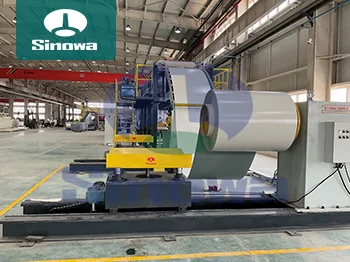
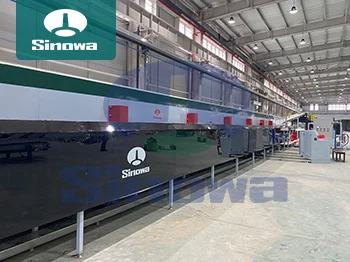
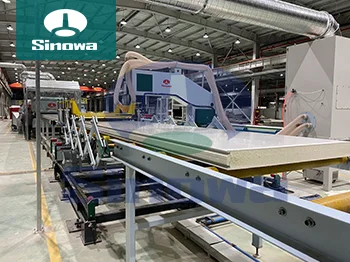
The high-tech pu foam production line can meet a variety of production needs of customers, the whole pu foam production line design concept of modularization enables all our components to be integrated and combined at will. Our high efficiency pu foam production line can easily automate the production of roof sandwich panel, wall sandwich panel, cold storage sandwich panel and other products by different combination and configuration selection and siple switching. The inner core layer can be polyrethane or rock wool, glass wool, an so on.


The high precision pu foam production line has high adaptability, which may produce various sandwich panel of the PU, PIR and rock wool systems. We may design various products according to the customer’s requirements, including various configurations, so as to meet their demands with flexible price system. Highly integrated and linked control system centralizes all control points at the main central center, achieving parameter linkage, fault self-diagnosis controlled by the whole line and shipping distance control. High-level automatic control system also saves the manpower and reduces the manpower loss for customers.


The precision servo hoisting mechanism employed by the main engine without hydraulic system makes the board thickness control flexible and the customer may conveniently change or adjust the board thickness. There will be not such troubles as hydraulic system adjustment, leakage, maintenance, etc.


High-level energy saving and protection design makes the whole pu foam production line possible to produce around the clock throughout the year and the customer will save huge budget. In addition, the isolated heat preservation room is constructed for warming the environment. The energy saving and protection design of our manufacturing line may guarantee that the customer’s production line may be freely heated and produce in the main time to save more costs for customers.


The high-power low-consumption design quickens the reaction of the cheap pu foam production line while energy consumption is kept low. With the brand-new, fully sealed inner insulation design, the energy consumption is controlled at the minimum level to achieve the design objective of less than an hour for the insulation system to be activated from the room temperature above 5℃ to the production process temperature. The energy consumption is only 40% that of those similar products.
Polyurethane (PU) foam has become an indispensable material in numerous industries due to its versatile properties, including lightweight construction, excellent insulation, high elasticity, and strong adhesion. The production of high-quality PU foam relies heavily on sophisticated and integrated PU foam production lines, which are designed to streamline the complex chemical reactions and physical processes involved in foam manufacturing. These production lines combine multiple functional units into a cohesive system, ensuring precise control over every stage of production to meet the diverse requirements of different application scenarios. Understanding the structure, performance characteristics, types, and applications of PU foam production lines is essential for professionals in the manufacturing industry, as it enables them to select the most suitable equipment configuration, optimize production efficiency, and ensure consistent product quality.
The structure of a PU foam production line is a carefully designed integration of functional modules, each responsible for a specific stage of the foam production process, working in coordination to achieve continuous and automated manufacturing. At the heart of the production line is the raw material handling system, which serves as the foundation for stable production by ensuring the proper storage, preprocessing, and precise delivery of raw materials. This system typically includes storage tanks dedicated to each key raw material, such as polyols, isocyanates, foaming agents, catalysts, and surfactants. Each storage tank is equipped with temperature control devices to maintain the raw materials at an optimal temperature range—usually between 25 and 30 degrees Celsius—which is critical for ensuring consistent reaction activity. Additionally, the raw material handling system incorporates filters to remove impurities and debris from the materials, preventing blockages in subsequent equipment and ensuring the purity of the final foam product. Precision metering pumps are another essential component of this system; these pumps deliver each raw material to the mixing unit in exact proportions, as the ratio of polyols to isocyanates (often expressed as the isocyanate index) directly influences the chemical reactions and the final properties of the foam. The metering pumps are designed to maintain high accuracy, with flow rate fluctuations kept to a minimum, to avoid inconsistencies in foam density, strength, and structure.
Following the raw material handling system is the mixing unit, which is responsible for uniformly blending the metered raw materials to initiate the polyurethane reaction. The mixing process must be rapid and thorough, as the chemical reactions between polyols and isocyanates occur quickly once the materials are combined. There are two primary types of mixing technologies used in PU foam production lines: high-pressure mixing and low-pressure mixing. High-pressure mixing units utilize high-pressure pumps to deliver the raw materials to a mixing head, where the materials collide at high speeds (exceeding 10 meters per second) to create intense turbulence, achieving uniform mixing in just 0.1 to 0.3 seconds. This type of mixing is highly efficient and is particularly suitable for large-scale continuous production, as it ensures consistent mixing quality even at high production speeds. Low-pressure mixing units, on the other hand, use low-pressure pumps and mechanical stirrers to blend the raw materials. While they are simpler in structure and easier to maintain, they are more suitable for small-scale or batch production, as their mixing efficiency is lower compared to high-pressure systems. Regardless of the mixing technology used, the mixing head is a critical component that requires regular cleaning to prevent material solidify and blockages, which could disrupt the production process and affect product quality.
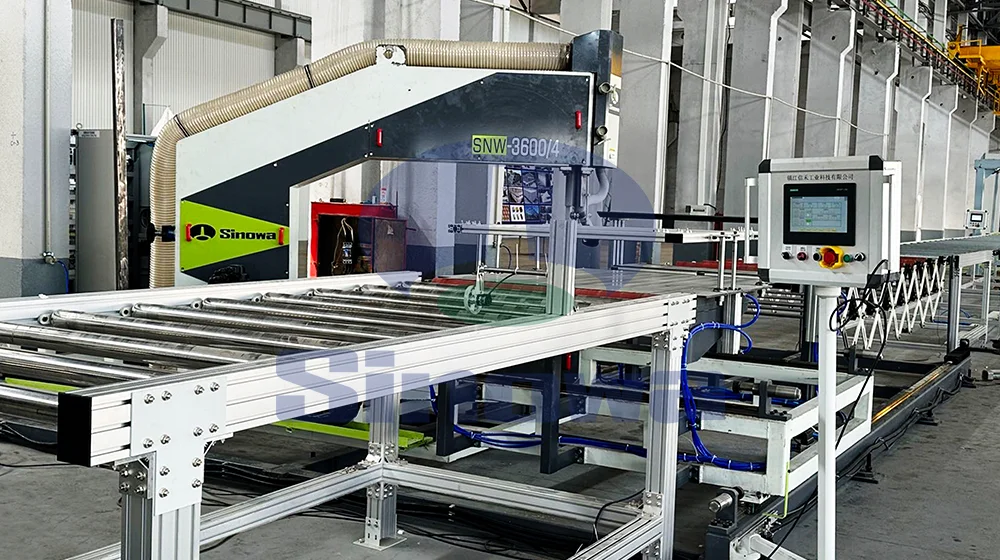
After mixing, the combined raw materials are transferred to the foaming and molding unit, where the chemical reactions occur and the foam expands and solidifies into the desired shape. The foaming process involves two simultaneous reactions: the polymerization reaction between polyols and isocyanates, which forms the polyurethane polymer matrix, and the foaming reaction, which generates gas to create the porous structure of the foam. Foaming agents play a key role in this process; physical foaming agents (such as certain hydrofluorocarbons or their environmentally friendly alternatives) volatilize due to the heat released by the polymerization reaction, while chemical foaming agents (such as water) react with isocyanates to produce carbon dioxide gas. The foaming and molding unit is typically equipped with a conveyor system, such as a continuous belt or roller conveyor, which moves the foaming material through a controlled environment. The conveyor is flanked by adjustable baffles to control the width of the foam, and a floating pressure plate is often installed above the conveyor to apply slight pressure, preventing excessive bubble expansion and ensuring uniform foam thickness. Temperature control is crucial in this unit; the heat released by the exothermic polymerization reaction must be effectively managed to prevent the foam from overheating, which could cause bubble collapse or thermal degradation. Cooling systems, such as water-cooled belts or air-cooled tunnels, are integrated into the foaming and molding unit to maintain the foam at a stable temperature, typically below 120 degrees Celsius, during expansion and solidification.
The final stage of the PU foam production line is the post-processing unit, which refines the foam product to meet the required specifications and removes any defects. This unit includes curing equipment, such as tunnel ovens, where the foam is heated at a controlled temperature (between 50 and 70 degrees Celsius) for a specific period (30 to 60 minutes) to complete the polymerization reaction and stabilize the foam structure. Curing is essential for enhancing the mechanical properties of the foam, such as its compression strength and elasticity, and ensuring long-term stability. After curing, the foam is transferred to cutting equipment, which cuts the continuous foam block into sheets, slabs, or custom shapes according to the application requirements. The cutting equipment can include horizontal cutting machines for slicing the foam into different thicknesses and vertical cutting machines for trimming the edges or creating specific dimensions. Some advanced production lines also incorporate surface treatment equipment, such as sanding or laminating machines, to improve the surface smoothness of the foam or attach additional layers for enhanced functionality. Additionally, the post-processing unit may include quality inspection systems to detect defects such as uneven density, bubble collapse, or surface imperfections, ensuring that only qualified products are sent to the next stage.
The performance of a PU foam production line is evaluated based on a set of key metrics that reflect its efficiency, stability, and ability to produce high-quality foam. One of the most important performance indicators is production efficiency, which is typically measured by the hourly output of foam products. Continuous production lines are designed to achieve high output rates, significantly exceeding those of batch production lines, with some large-scale systems capable of producing several tons of foam per hour. Production efficiency is influenced by several factors, including the speed of the conveyor system, the mixing efficiency, and the curing time. Another critical performance metric is precision control, which refers to the line’s ability to maintain consistent raw material ratios, temperature, pressure, and foam thickness throughout the production process. Precision control is essential for ensuring uniform foam properties, such as density, cell structure, and mechanical strength, across all batches. Modern PU foam production lines incorporate advanced automation systems, such as programmable logic controllers (PLCs) and real-time monitoring sensors, to achieve precise control over these parameters. These systems continuously collect data on temperature, pressure, flow rates, and foam thickness, adjusting the equipment settings dynamically to correct any deviations and maintain production stability.
Stability and reliability are also key performance characteristics of PU foam production lines. A stable production line is one that can operate continuously for extended periods without breakdowns or disruptions, minimizing downtime and reducing production costs. Reliability is influenced by the quality of the equipment components, the design of the system, and the ease of maintenance. High-quality components, such as durable metering pumps, corrosion-resistant mixing heads, and robust conveyor systems, contribute to the long-term reliability of the line. Additionally, production lines with modular designs are easier to maintain and repair, as individual components can be replaced without shutting down the entire system. Energy efficiency is another important performance indicator, as it directly impacts the operational costs of the production line. Energy-efficient lines incorporate features such as heat recovery systems, which capture the heat released during the polymerization reaction and reuse it for heating raw materials or curing the foam, reducing overall energy consumption. Other energy-saving measures include efficient motor systems, optimized temperature control, and reduced air consumption in pneumatic components.
The quality of the final foam product is also a direct reflection of the production line’s performance. High-performance PU foam production lines are capable of producing foam with uniform cell structure, consistent density, and excellent mechanical properties. The cell structure of the foam, which can be either open-cell or closed-cell, is a critical quality parameter that influences the foam’s insulation, sound absorption, and elasticity. Open-cell foam has interconnected cells, making it suitable for applications requiring sound absorption and breathability, while closed-cell foam has sealed cells, providing superior insulation and water resistance. The production line’s ability to control the cell structure is determined by the mixing efficiency, the type and amount of foaming agents and surfactants used, and the pressure and temperature conditions during foaming. Mechanical properties such as compression strength, tensile strength, and elasticity are also important quality indicators, as they determine the foam’s durability and suitability for different applications. High-quality foam should have sufficient strength to withstand mechanical stress without deformation or damage, while maintaining the required level of flexibility or rigidity.
PU foam production lines can be classified into several types based on different criteria, including production mode, foam type, and mixing technology. The most common classification is based on production mode, which divides the lines into continuous production lines and batch production lines. Continuous production lines are designed for large-scale, high-volume production, operating 24 hours a day with minimal human intervention. These lines are characterized by a continuous flow of raw materials through the mixing, foaming, curing, and post-processing units, resulting in a continuous block of foam that is cut into the desired shapes. Continuous production lines are ideal for industries with high demand for standard foam products, such as construction, automotive, and packaging. Batch production lines, on the other hand, are designed for small-scale production or custom-made foam products. These lines produce foam in individual batches, with each batch going through the entire production process sequentially. Batch lines are more flexible, as they can easily be adjusted to produce different types of foam or change production parameters, making them suitable for small manufacturers or industries with diverse product requirements.
Another common classification is based on the type of foam produced, which includes flexible PU foam production lines, rigid PU foam production lines, and semi-rigid PU foam production lines. Flexible PU foam production lines are designed to produce foam with high elasticity and flexibility, which is commonly used in cushions, mattresses, upholstery, and automotive seating. These lines are optimized to produce open-cell foam with a uniform cell structure, ensuring good breathability and rebound performance. The production process for flexible foam typically involves lower isocyanate indexes and higher levels of water as a foaming agent, which promotes the formation of open cells. Rigid PU foam production lines, on the other hand, produce foam with high rigidity, compression strength, and excellent insulation properties. Rigid foam is commonly used in building insulation, refrigeration equipment, and packaging for fragile items. These production lines use higher isocyanate indexes and physical foaming agents to produce closed-cell foam, which provides superior thermal insulation and water resistance. Semi-rigid PU foam production lines produce foam with properties between flexible and rigid foam, combining moderate elasticity with good structural strength. Semi-rigid foam is used in applications such as automotive dashboards, door panels, and shoe insoles.
PU foam production lines can also be classified based on the mixing technology used, namely high-pressure PU foam production lines and low-pressure PU foam production lines. High-pressure lines, as mentioned earlier, use high-pressure mixing heads to achieve rapid and uniform mixing of raw materials, making them suitable for large-scale continuous production of both flexible and rigid foam. These lines are characterized by high production efficiency, precise control, and consistent product quality, but they are more complex in structure and require higher initial investment. Low-pressure lines use mechanical mixing or low-pressure collision mixing, which is simpler and more cost-effective. These lines are suitable for small-scale production, batch production, or applications where high mixing precision is not the primary requirement. Low-pressure lines are easier to maintain and operate, making them a popular choice for small and medium-sized manufacturers.
The applications of PU foam production lines are diverse and span across numerous industries, driven by the versatile properties of PU foam and the ability of production lines to tailor foam properties to specific application requirements. One of the largest application areas is the construction industry, where PU foam is widely used for insulation, waterproofing, and structural reinforcement. Rigid PU foam produced by specialized production lines is an excellent thermal insulation material, used in walls, roofs, floors, and ceilings of residential and commercial buildings. It helps reduce energy consumption by minimizing heat transfer, improving the energy efficiency of buildings. Flexible PU foam is used in construction for sound insulation, particularly in walls and floors, to reduce noise transmission between rooms. Additionally, PU foam is used in construction adhesives and sealants, which are produced using modified PU foam production lines.
The automotive industry is another major application area for PU foam production lines. PU foam is used in various automotive components, including seats, dashboards, door panels, headrests, and insulation materials. Flexible PU foam is used for seating and headrests, providing comfort and support for passengers, while semi-rigid foam is used for dashboards and door panels, providing structural strength and impact resistance. Rigid PU foam is used for thermal and acoustic insulation in the car body, reducing noise and improving the efficiency of the vehicle’s heating and cooling systems. PU foam production lines tailored for the automotive industry are designed to produce foam with specific properties, such as flame retardancy, low VOC emissions, and high durability, to meet the strict requirements of automotive safety and environmental standards.
The furniture industry is also a significant user of PU foam production lines. Flexible PU foam is widely used in sofas, chairs, mattresses, and cushions, providing comfort, elasticity, and durability. Production lines for furniture foam are designed to produce foam with different densities and hardness levels, allowing manufacturers to create products that meet diverse consumer preferences. Some advanced production lines can produce memory foam, a type of flexible PU foam with viscoelastic properties that conform to the shape of the body, providing enhanced comfort and support. Memory foam is commonly used in high-end mattresses, pillows, and orthopedic products.
The packaging industry is another important application area for PU foam production lines. Rigid PU foam is used for packaging fragile and high-value items, such as electronic equipment, glassware, and precision machinery. Its excellent shock absorption and insulation properties protect the items from damage during transportation and storage. Flexible PU foam is used for packaging lightweight items, such as clothing and toys, providing cushioning without adding excessive weight. PU foam packaging is lightweight, durable, and can be easily customized to fit the shape of the product, making it a popular choice for manufacturers.
Other application areas of PU foam production lines include the refrigeration and air conditioning industry, where rigid PU foam is used for insulation in refrigerators, freezers, and air conditioning units, ensuring efficient temperature control. The footwear industry uses semi-rigid and flexible PU foam for shoe insoles, providing comfort, support, and shock absorption. The medical industry uses PU foam for various applications, such as medical cushions, orthopedic supports, and wound dressings, due to its biocompatibility and hypoallergenic properties. Additionally, PU foam is used in the aerospace industry for lightweight structural components and insulation, and in the marine industry for waterproofing and buoyancy materials.
In recent years, the development of PU foam production lines has been driven by trends towards environmental sustainability, automation, and customization. Manufacturers are increasingly adopting production lines that use environmentally friendly raw materials, such as bio-based polyols and low-global warming potential (GWP) foaming agents, to reduce the environmental impact of PU foam production. Automation technology is also advancing, with the integration of artificial intelligence (AI) and Internet of Things (IoT) devices into production lines to improve precision control, optimize production efficiency, and reduce human intervention. These smart production lines can monitor production data in real-time, predict equipment failures, and adjust production parameters automatically, ensuring consistent product quality and minimizing downtime. Furthermore, there is a growing demand for customized foam products, which has led to the development of flexible production lines that can quickly switch between different foam types and specifications, meeting the diverse needs of customers.
In conclusion, PU foam production lines are complex and integrated systems that play a critical role in the manufacturing of high-quality PU foam products. Their structure consists of interconnected functional units, including raw material handling, mixing, foaming and molding, and post-processing, each contributing to the efficient and consistent production of foam. The performance of these lines is evaluated based on production efficiency, precision control, stability, reliability, energy efficiency, and product quality, all of which are essential for meeting the demands of different industries. PU foam production lines can be classified into various types based on production mode, foam type, and mixing technology, each suitable for specific production requirements and application scenarios. The applications of these lines are diverse, spanning the construction, automotive, furniture, packaging, and many other industries, driven by the versatile properties of PU foam. As the industry continues to evolve, PU foam production lines will continue to advance, incorporating new technologies and environmentally friendly practices to meet the changing needs of manufacturers and society. Understanding the structure, performance, types, and applications of PU foam production lines is essential for anyone involved in the PU foam industry, as it provides the knowledge needed to select, operate, and optimize these critical manufacturing systems.
« PU Foam Production Line » Update Date: 2026/2/24
URL: https://www.sinowamachine.com/tags/pu-foam-production-line.html
![High Quality PU Foam Production Line]()
High Quality PU Foam Production Line
2026-01-12The production of high-quality polyurethane (PU) foam is a sophisticated integration of precise chemical reactions, advanced process control, and systematic quality management. Unlike simple material expansion, it relies on the delicate balance between exothermic chemical reactions and dynamic nuclea…
- Links:
- Sandwich Panel Continuous Production Line
- Automatic and Continuous Sandwich Panel Production Line
- Cheap and Low Price Sandwich Panel Production Line
- China Sandwich Panel Production Line Factory
- Color Steel Sandwich Panel Production Line For Cold Storage
- Continuous Composite Foam Sandwich Panel Production Line
- Continuous Production Line For Rockwool and Mineral Wool Sandwich Panels
- Continuous PU Phenolic Insulation Panel Production Line
- Continuous PU PIR Sandwich Panel Production Line
- Continuous PUF PUR Sandwich Panel Production Line
- Continuous Sandwich Panel Production Line For Roof and Wall
- Customized and Design Sandwich Panel Production Line
- Decorative Sandwich Panel Production Line For Glass Wool Boards
- High Quality Sandwich Panel Production Line For Sale
- Polyurethane(PU) Sandwich Panel Production Line
- Sandwich Panel Production Line Manufacturer and Supplier
- Sandwich Panel Production Machinery and Equipment