
Polyurethane Sandwich Panel Machine Manufacturer
Sinowa is a well-known manufacturer and technical service provider of high-end polyurethane sandwich panel machine, learn more about polyurethane sandwich panel machine manufacturer, please contact Sinowa's technical engineer, tell us what you need, we will contact you as soon as possible!
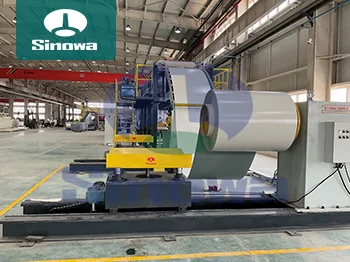
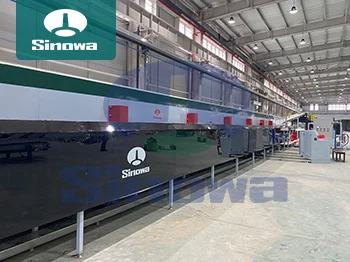
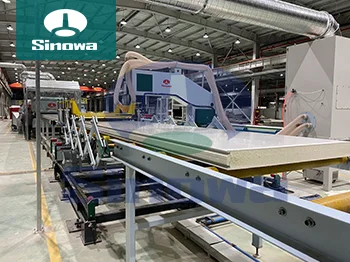
Sinowa is committed to the development and manufacturing of high-end and high-efficiency polyurethane sandwich panel machine. Our polyurethane sandwich panel machine are leading the way in efficiency, automatic control, human-computer interaction, environmental protection and energy consumption. Using system integration and bus control technology, it realizes the automatic integrated linkage control of the entire polyurethane sandwich panel machine, and can achieve remote interactive communication, which has the world-class level and a comprehensive leading high-performance polyurethane sandwich panel machine in the market.
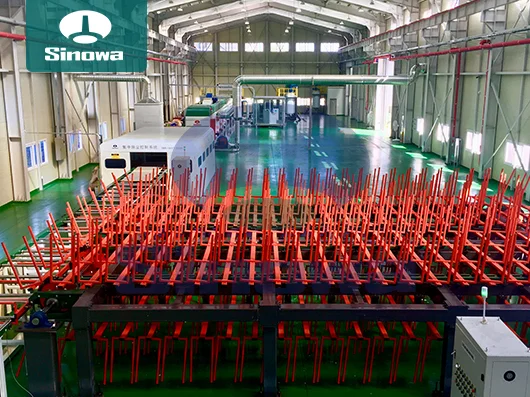
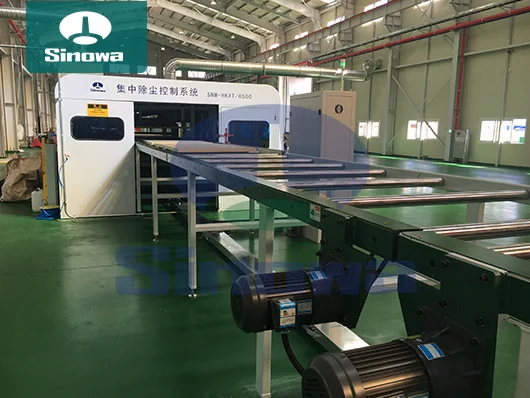
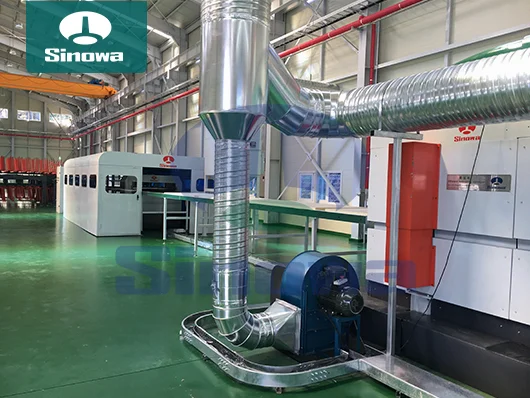
For more than ten years, relying on our innovative manufacturing concept and excellence in quality, reliable and trustworthy service to customers, we cooperate with customers all over the world, exported products to Canada, South Korea, Israel, Australia, the Middle East and other more than 20 countries and regions. contributed to building energy conservation and low-carbon production and have won widespread praise.
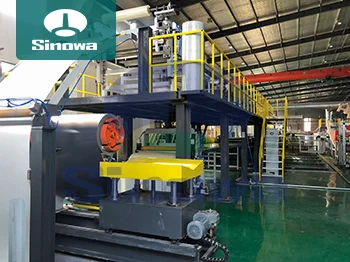
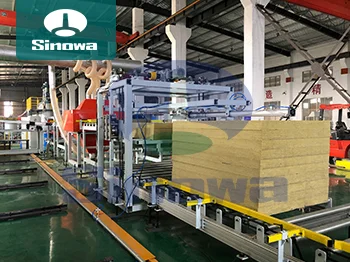
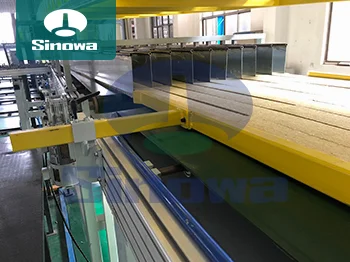
Sinowa has invested outstanding efforts in polyurethane sandwich panel machine, this is why our products are more efficiency, quality, automatic control technology, environmental protection, energy consumption indicators and the appearance and safety protection are comprehensively leading, some subversive design changes in many major technical points, these major innovations make our products excellent in price/performance and user experience.
The global demand for high-performance, energy-efficient building and industrial materials has steadily risen over the past few decades, driving the evolution of specialized manufacturing equipment for composite panel production, and at the heart of this sector lies the expertise of polyurethane sandwich panel machine manufacturers. These manufacturers are not merely equipment producers; they are engineering partners that design, build, and refine integrated production systems tailored to transform raw materials into rigid, lightweight, and thermally efficient polyurethane sandwich panels, which have become indispensable in commercial construction, cold storage facilities, industrial warehouses, agricultural structures, and even specialized transportation and marine applications. Unlike general machinery production, the manufacturing of polyurethane sandwich panel machines demands a unique blend of mechanical engineering, chemical process knowledge, automation technology, and deep understanding of material science, as every component of the production line must work in perfect harmony to ensure consistent panel quality, high production throughput, and long-term operational reliability. A top-tier polyurethane sandwich panel machine manufacturer invests heavily in research and development to stay ahead of industry shifts, focusing on refining every stage of the production line from material handling and preprocessing to foaming, lamination, curing, cutting, and finished panel stacking, with each phase requiring meticulous engineering to eliminate inconsistencies, reduce waste, and adapt to evolving market needs for panel dimensions, performance specifications, and production scalability.
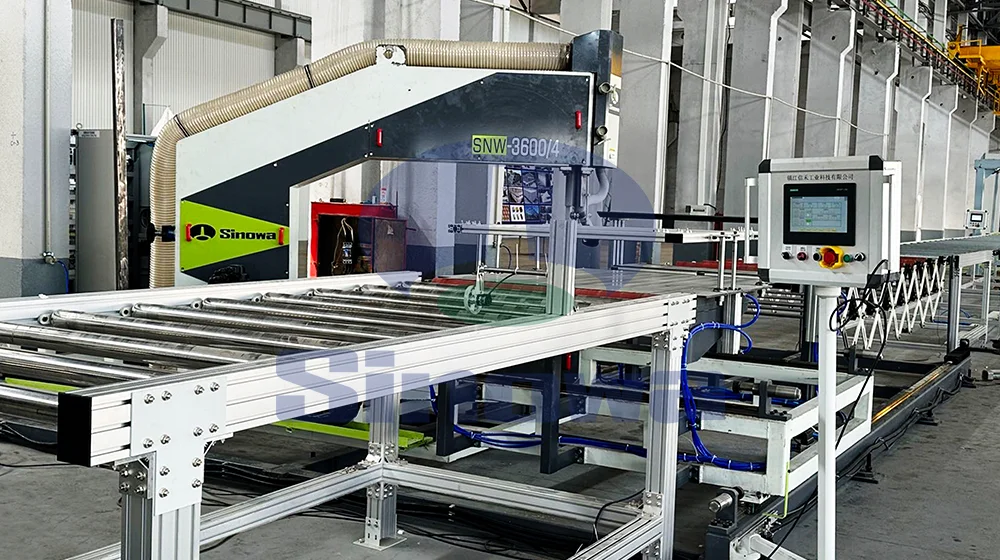
To understand the value of professional polyurethane sandwich panel machine manufacturing, it is critical to first grasp the core structure of the production line and the technical precision that defines each machine module. A complete continuous production line, the most common and efficient configuration for large-scale panel manufacturing, begins with the material uncoiling and preprocessing section, which handles the outer facing materials—typically metal sheets such as steel or aluminum, though non-metallic facings like fiber cement boards or polymer sheets are also accommodated in custom machine designs. The uncoiling units are engineered to feed coil stock smoothly and steadily, with tension control systems that prevent wrinkling, warping, or misalignment of the thin facing materials, a foundational step that directly impacts the flatness and structural integrity of the final sandwich panel. Following uncoiling, the facing materials pass through precision roll forming stations, where they are shaped into standardized profiles such as trapezoidal, wave, or flat designs, with adjustable roller sets that allow manufacturers to switch between different panel profiles without extensive retooling, a key flexibility feature that modern machine buyers prioritize. Before the foaming process begins, the preheated facing materials move through a surface treatment zone that optimizes adhesion between the outer layers and the polyurethane foam core; this step is carefully calibrated to match the chemical properties of the polyurethane raw materials, ensuring a permanent, strong bond that prevents delamination over the panel’s lifespan, even under extreme temperature fluctuations or mechanical stress.
The central and most technically complex part of any polyurethane sandwich panel machine is the foaming and mixing system, a module that separates high-quality manufacturing from standard equipment and represents the peak of a manufacturer’s engineering capability. Polyurethane foam core production relies on the precise reaction between two primary chemical components—polyol and isocyanate—combined with specialized additives that enhance flame resistance, thermal insulation, density consistency, and structural rigidity. A reputable machine manufacturer designs high-pressure and low-pressure foaming systems that deliver unparalleled accuracy in component metering, mixing, and distribution, with programmable logic controllers that regulate the flow rate, ratio, and temperature of each chemical stream to micro-level precision. Even a minor deviation in the mixing ratio or temperature can result in uneven foam density, poor insulation performance, or weak structural strength, so the machine’s metering units are built with durable, corrosion-resistant components that maintain calibration over millions of production cycles. The mixing head, a critical moving component, distributes the freshly mixed polyurethane mixture evenly across the surface of the lower facing material, with adjustable speed and coverage width to match different panel sizes and thicknesses, ranging from thin wall panels to thick cold storage panels that require enhanced thermal efficiency. Advanced machine designs feature movable mixing heads that traverse the width of the production line seamlessly, ensuring uniform foam distribution without gaps or overlaps, while integrated temperature control systems maintain the ideal reaction environment to promote consistent foam expansion and curing.
Immediately after the foam mixture is applied, the upper facing material is precisely aligned and positioned over the foam layer, and the entire composite assembly enters the double-belt laminator, the workhorse of the production line that shapes the panel to its exact thickness and ensures full contact between all layers. The laminator consists of two parallel, continuously moving belts that apply consistent, controlled pressure across the entire width and length of the panel, with adjustable gap settings to produce panels of varying thicknesses as required by different applications. The belts are heated to support the polyurethane curing reaction, with precise temperature zoning that accelerates curing without causing overheating, which could compromise the foam structure or damage the outer facings. This laminating stage is where the sandwich structure solidifies, with the foam expanding to fill every void and bond tightly to both facings, creating a single, unified panel that combines the lightweight property of foam with the strength and durability of the outer layers. The speed of the laminator is synchronized with every other section of the production line—from uncoiling to cutting—to maintain a continuous, uninterrupted flow, maximizing production efficiency and minimizing downtime; this synchronization is achieved through advanced automation systems that connect all machine modules, allowing operators to adjust line speed, foam ratio, temperature, and pressure from a centralized control panel with intuitive user interfaces that reduce the need for extensive operator training.
Beyond the core foaming and laminating process, a full polyurethane sandwich panel production line includes several auxiliary modules that enhance functionality, efficiency, and finished product quality, all designed and integrated by the machine manufacturer with a focus on practical operational needs. After exiting the laminator, the fully cured continuous panel moves through a precision cutting station, where high-speed cutting tools trim the panel to exact length specifications, with automated measuring systems that ensure zero deviation from set dimensions and minimize material waste. The cutting systems are designed to produce clean, straight edges without fraying or damaging the facings, critical for seamless on-site installation of the panels. Following cutting, the finished panels are transported to a cooling and stacking zone, where they are allowed to cool completely before being stacked automatically for storage or shipping; automated stacking systems prevent scratches, dents, or misalignment during handling, preserving the aesthetic and structural quality of the panels. Some custom machine configurations also include edge trimming, surface cleaning, and protective film application modules, tailored to the specific needs of panel producers serving niche markets. A key focus for modern polyurethane sandwich panel machine manufacturers is the integration of smart automation and data monitoring systems, which allow real-time tracking of production metrics, early detection of potential mechanical issues, and quick adjustments to production parameters to maintain consistent quality; these digital features not only improve operational efficiency but also extend the service life of the machine by reducing wear and tear from manual adjustments.
Manufacturing polyurethane sandwich panel machines is a process that demands uncompromising attention to structural durability and material selection, as these machines operate continuously for years in industrial environments with heavy mechanical stress, exposure to chemical materials, and varying temperature conditions. Reputable manufacturers source high-grade structural steel for machine frames and core components, ensuring the equipment remains stable and rigid even during high-speed continuous production, eliminating vibration that could disrupt panel quality. Moving parts such as rollers, belts, gears, and mixing components are made from wear-resistant, corrosion-proof materials to withstand constant use and exposure to polyurethane chemicals, reducing maintenance frequency and replacement costs for the end user. Every machine undergoes rigorous testing and calibration before leaving the manufacturing facility, including full-line trial runs with actual production materials to verify speed, precision, quality consistency, and operational safety; manufacturers conduct extensive stress tests to simulate years of continuous use, identifying and resolving any potential design flaws before the equipment is delivered to the customer. Customization is another cornerstone of professional machine manufacturing, as panel producers have diverse needs based on their production capacity, target market, panel types, and facility constraints; manufacturers work closely with clients to design tailored production lines, adjusting the length, width, speed, and module configuration to fit specific factory spaces, production output goals, and specialized panel requirements such as fire-resistant panels, water-resistant panels, or extra-thick insulation panels for cold chain facilities.
The role of polyurethane sandwich panel machine manufacturers extends far beyond the sale and delivery of equipment, encompassing long-term technical support, operational guidance, and ongoing innovation that supports the success of panel producers worldwide. Experienced manufacturers provide comprehensive on-site installation and commissioning services, ensuring the production line is set up correctly, calibrated to perfection, and integrated smoothly with the client’s existing facility infrastructure. They also offer hands-on training for production operators and maintenance teams, covering every aspect of machine operation, routine maintenance, troubleshooting common issues, and optimizing production parameters to maximize efficiency and panel quality. Post-installation, manufacturers maintain ongoing technical support channels to address any operational questions or mechanical concerns quickly, minimizing production downtime for their clients. This commitment to after-sales partnership is a defining trait of leading manufacturers, as they recognize that the success of their customers is directly tied to the performance and reliability of the machines they produce. Additionally, top manufacturers continuously invest in refining their machine designs based on industry feedback, emerging material technologies, and global sustainability trends, developing more energy-efficient machines that reduce power consumption, more precise systems that minimize chemical waste, and more flexible lines that adapt to new panel designs and market demands.
Sustainability has become a central focus in the polyurethane sandwich panel machine manufacturing sector, aligning with the global push for green building practices and eco-friendly industrial production. Modern machine designs prioritize energy efficiency, with optimized motor systems, heated components that consume less power, and automated shut-off features that reduce energy waste during idle periods. Manufacturers also engineer machines to minimize material waste: precise foam metering reduces excess polyurethane usage, accurate cutting systems minimize offcut material from panel trimming, and adjustable production parameters allow for quick changeovers between panel sizes without generating scrap material from misaligned production runs. Furthermore, the machines are designed to support the production of eco-friendly polyurethane panels that enhance building energy efficiency, reducing long-term heating and cooling costs for commercial and residential structures; these panels contribute to lower carbon emissions in the construction sector by improving thermal performance, reducing reliance on traditional heating and cooling systems, and supporting sustainable building certifications. Machine manufacturers also focus on reducing the environmental impact of their own production processes, implementing lean manufacturing practices to minimize material waste, energy use, and emissions during the fabrication and assembly of the production line equipment.
The global landscape of polyurethane sandwich panel machine manufacturing is shaped by evolving market demands, with growing emphasis on versatility, automation, sustainability, and cost-effective operation. As the construction industry continues to prioritize energy-efficient, fast-installation building materials, the demand for high-quality sandwich panels is projected to rise, driving the need for advanced, reliable production equipment. Panel producers are increasingly seeking machines that offer multi-functional capabilities, allowing them to produce a wide range of panel types—wall panels, roof panels, cold storage panels, fire-resistant panels—on a single production line, maximizing their market flexibility and return on investment. This trend pushes manufacturers to develop modular machine designs that can be easily upgraded or reconfigured to accommodate new production requirements without replacing the entire line, a cost-effective solution for both small-scale and large-scale panel producers. Additionally, the integration of digital technologies such as remote monitoring and predictive maintenance is becoming standard, as manufacturers leverage these tools to provide proactive support to clients, reducing unplanned downtime and extending the operational lifespan of the equipment.
In a highly specialized industry where precision and reliability are non-negotiable, polyurethane sandwich panel machine manufacturers stand out by combining technical expertise, engineering innovation, quality craftsmanship, and customer-centric service. Every machine produced is the result of countless hours of research, design, testing, and refinement, with a focus on meeting the unique challenges of composite panel production and supporting the growth of the global construction and industrial materials sector. Unlike generic machinery, these specialized production lines are built to handle the unique chemical and mechanical requirements of polyurethane sandwich panel manufacturing, ensuring that every panel produced meets strict standards for thermal insulation, structural strength, durability, and dimensional accuracy. The value of partnering with a reputable manufacturer lies not only in the quality of the equipment but also in the long-term technical support, customization options, and innovative upgrades that help panel producers stay competitive in a dynamic market. As the demand for high-performance, sustainable composite panels continues to grow across residential, commercial, industrial, and cold chain applications, the role of skilled polyurethane sandwich panel machine manufacturers will remain vital, driving progress in the industry through continuous innovation, quality manufacturing, and a deep understanding of the evolving needs of panel producers worldwide. Each aspect of the machine, from the smallest precision component to the full-line automation system, is crafted with the goal of enabling efficient, consistent, and high-quality panel production, making these manufacturers essential partners in the global supply chain of modern building and industrial materials.
« Polyurethane Sandwich Panel Machine Manufacturer » Update Date: 2026/3/24
Tags: Polyurethane Sandwich Panel Machine , Polyurethane Sandwich Panel Machinery ,
- Cheap Glass Wool Line
- Glass Wool Line Design
- PU Sandwich Panel Making Machine Supplier
- Sandwich Panel Foam Making Machine Supplier
- PUF Panel Making Machine Factory
- Corrugated Sandwich Panel Machines
- High-quality Glass Wool Sandwich Panel Production Line
- Polyurethane Sandwich Panel Line For Roof
- Glass Wool Sandwich Panel Production Line Manufacturer
- High-quality PU Insulated Panel Production Line
- Sandwich Panel Foam Production Line On Sales
- PUR Sandwich Panel Production Line From China
- PIR Sandwich Panel Line For Cold Storage
- Fully Automatic PU Sandwich Panel Production Line Factory
- Cheap PU Insulation Panel Production Line
- PUF Panel Making Machine Supplier
- Sandwich Roof Panel Production Line Manufacturer
- PIR Sandwich Panel Machine On Sales
- PIR Sandwich Panel Line For House
- Fully Automatic Sandwich Panel Making Machine On Sales
- Links:
- Sandwich Panel Continuous Production Line
- Automatic and Continuous Sandwich Panel Production Line
- Cheap and Low Price Sandwich Panel Production Line
- China Sandwich Panel Production Line Factory
- Color Steel Sandwich Panel Production Line For Cold Storage
- Continuous Composite Foam Sandwich Panel Production Line
- Continuous Production Line For Rockwool and Mineral Wool Sandwich Panels
- Continuous PU Phenolic Insulation Panel Production Line
- Continuous PU PIR Sandwich Panel Production Line
- Continuous PUF PUR Sandwich Panel Production Line
- Continuous Sandwich Panel Production Line For Roof and Wall
- Customized and Design Sandwich Panel Production Line
- Decorative Sandwich Panel Production Line For Glass Wool Boards
- High Quality Sandwich Panel Production Line For Sale
- Polyurethane(PU) Sandwich Panel Production Line
- Sandwich Panel Production Line Manufacturer and Supplier