
Polyurethane Sandwich Panel Production Line Price
Sinowa is a well-known manufacturer and technical service provider of high-end polyurethane sandwich panel production line, learn more about polyurethane sandwich panel production line price, please contact Sinowa's technical engineer, tell us what you need, we will contact you as soon as possible!
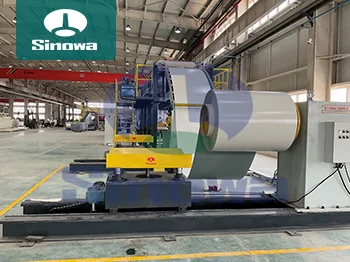
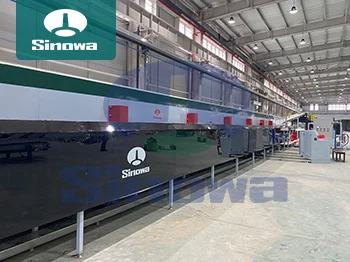
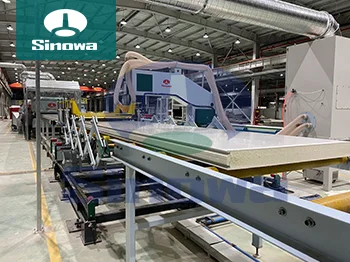
Sinowa is committed to the development and manufacturing of high-end and high-efficiency polyurethane sandwich panel production line. Our polyurethane sandwich panel production line are leading the way in efficiency, automatic control, human-computer interaction, environmental protection and energy consumption. Using system integration and bus control technology, it realizes the automatic integrated linkage control of the entire polyurethane sandwich panel production line, and can achieve remote interactive communication, which has the world-class level and a comprehensive leading high-performance polyurethane sandwich panel production line in the market.
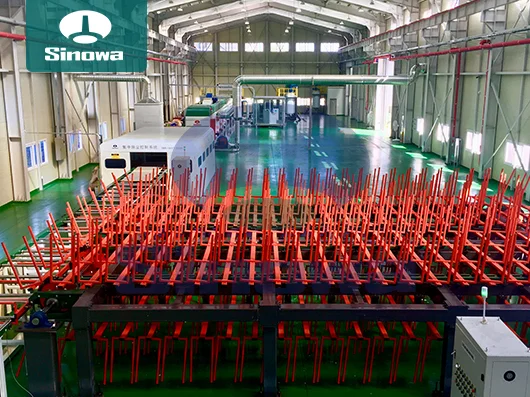
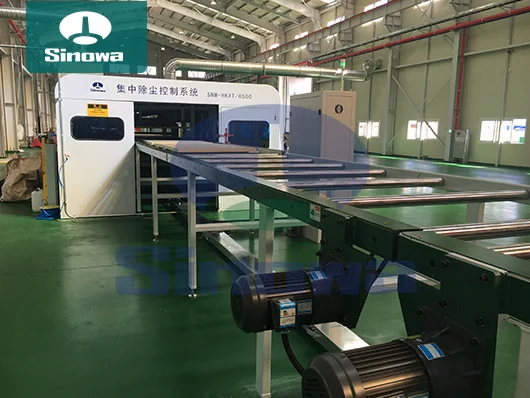
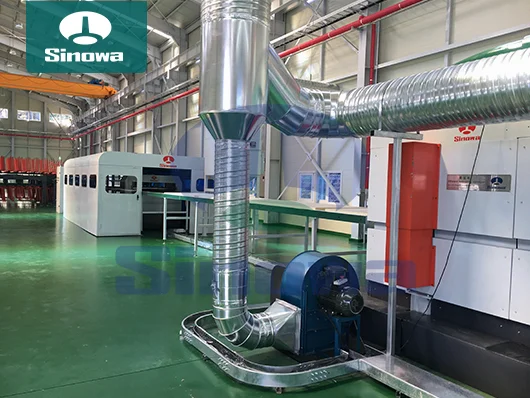
For more than ten years, relying on our innovative manufacturing concept and excellence in quality, reliable and trustworthy service to customers, we cooperate with customers all over the world, exported products to Canada, South Korea, Israel, Australia, the Middle East and other more than 20 countries and regions. contributed to building energy conservation and low-carbon production and have won widespread praise.
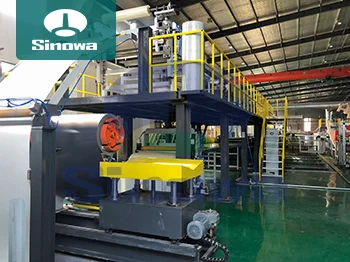
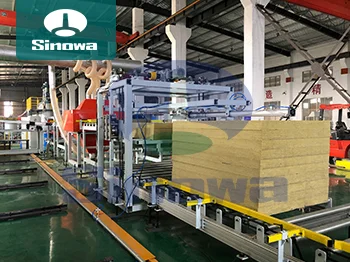
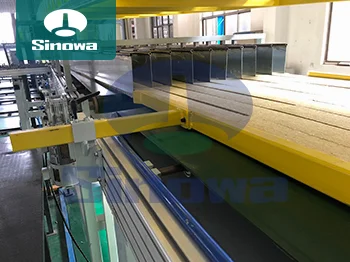
Sinowa has invested outstanding efforts in polyurethane sandwich panel production line, this is why our products are more efficiency, quality, automatic control technology, environmental protection, energy consumption indicators and the appearance and safety protection are comprehensively leading, some subversive design changes in many major technical points, these major innovations make our products excellent in price/performance and user experience.
In the modern construction and industrial manufacturing landscape, polyurethane sandwich panels have emerged as a pivotal material, celebrated for their exceptional thermal insulation, structural integrity, and lightweight properties. These panels, composed of two outer facings and a polyurethane foam core, find extensive applications across industrial warehouses, cold storage facilities, commercial buildings, and logistics centers. The backbone of the mass production of these high-performance panels lies in the polyurethane sandwich panel production line, a sophisticated integration of mechanical, electrical, and chemical processes that ensures consistent quality, efficiency, and adaptability to diverse market needs. As the demand for energy-efficient and durable building materials continues to rise globally, the role of these production lines becomes increasingly significant, driving innovations in technology and design to meet evolving industry standards.
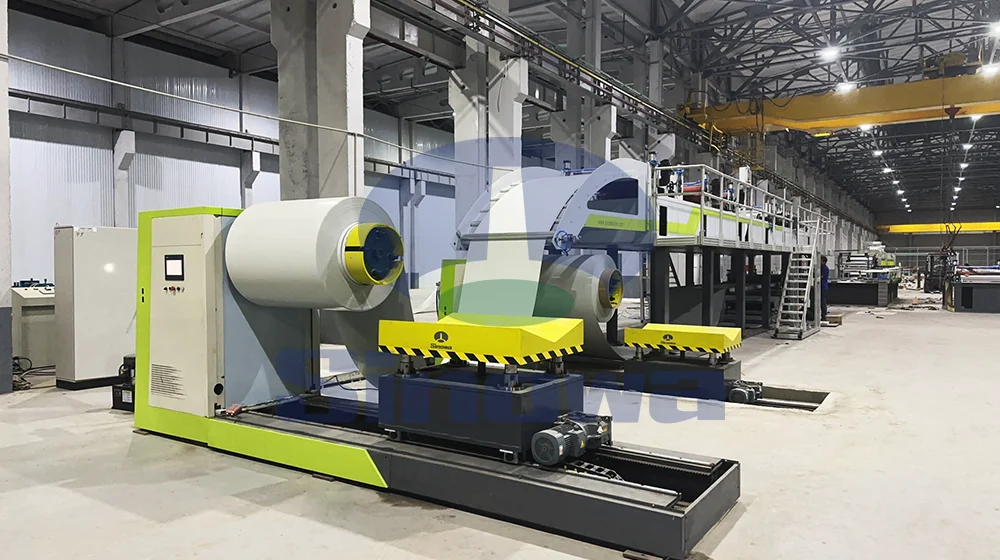
A polyurethane sandwich panel production line is a highly integrated system designed to manufacture composite panels with polyurethane foam as the core material and various facing materials, including metal sheets such as color-coated steel, stainless steel, or aluminum foil, as well as non-metallic materials like cement-based cloth, kraft paper, and non-woven fabric. The versatility of these production lines allows for the manufacturing of different types of panels, including cold storage panels, wall panels, roof panels, and soft-faced coil composite panels, each tailored to specific applications in construction, cold chain, transportation, and other fields. The ability to switch between different core materials, such as polyurethane and rock wool, further enhances the adaptability of these lines, making them a valuable asset for manufacturers looking to cater to a wide range of customer requirements.
The composition of a polyurethane sandwich panel production line is complex, consisting of multiple interconnected systems that work in harmony to complete the entire manufacturing process from raw material feeding to finished product stacking. Key components typically include an unwinding system, which feeds the facing materials into the line; a forming system, which shapes the facing materials into the desired profiles, such as corrugated, flat, or ribbed; a foaming system, which is responsible for mixing and pouring the polyurethane raw materials; a laminating and curing system, which ensures the foam core bonds firmly with the facing materials; a cutting system, which trims the panels to the required length with high precision; and a stacking and packaging system, which prepares the finished products for storage and transportation. Additionally, depending on production needs, auxiliary equipment such as reinforcement units, steel plate preheating devices, corona systems, automatic rock wool cutting and conveying systems, environmental protection equipment, and chemical material storage systems may be integrated into the line to enhance performance and functionality.
The working principle of a polyurethane sandwich panel production line involves a series of coordinated steps that ensure the efficient and consistent production of high-quality panels. The process typically begins with the unwinding of the facing materials, which are fed into the forming system to be shaped into the desired profile. The facing materials are then preheated to optimize the bonding process with the polyurethane foam core. Meanwhile, the polyurethane stock solution, consisting of two-component raw materials, is sent to a mixing head by metering pumps in a precise proportion, ensuring thorough and uniform mixing. The mixed raw materials are then evenly poured onto the bottom facing material, which is then conveyed together with the upper facing material into a laminating machine or double-track laminating conveyor.
Within the laminating system, the polyurethane foam undergoes a foaming and curing process between the upper and lower facing materials. The laminating machine is equipped with a precise temperature control system to ensure the foam expands uniformly and cures properly, resulting in a dense and firm core that adheres tightly to the facing materials. This step is critical to the overall quality of the panels, as it directly affects their thermal insulation, structural strength, and durability. Once the foam is fully cured, the composite panel is trimmed on both sides and cut into the required length by an automatic tracking cutting machine, which ensures precision and minimizes material waste. Finally, the finished panels are conveyed to the stacking and packaging system, where they are neatly arranged, wrapped, and prepared for delivery.
One of the key characteristics of modern polyurethane sandwich panel production lines is their high degree of automation, which significantly improves production efficiency and reduces the need for manual intervention. Advanced lines integrate a centralized control system with a user-friendly interface, allowing operators to monitor and adjust all production processes in real time. This intelligent control system enables precise regulation of parameters such as temperature, pressure, and raw material ratio, ensuring consistent product quality and reducing the risk of human error. Automation also extends to auxiliary processes, such as automatic material docking, automatic stacking, and automatic packaging, which further streamline the production workflow and lower labor costs.
Flexibility and customization are also important features of polyurethane sandwich panel production lines. Manufacturers can adjust the configuration and process parameters of the line to produce panels of different thicknesses, lengths, and profiles, as well as panels with different core materials and facing materials. This flexibility allows manufacturers to adapt to changing market demands and cater to the specific needs of different projects, whether it is a large industrial warehouse requiring thick, high-insulation roof panels or a modular house needing lightweight, easy-to-install wall panels. The ability to quickly switch between different production settings without significant downtime is a key advantage that helps manufacturers stay competitive in a dynamic market.
Several factors influence the design and performance of polyurethane sandwich panel production lines, and understanding these factors is essential for manufacturers looking to invest in such equipment. The level of automation is a major consideration, as it directly impacts production efficiency, labor costs, and product consistency. Fully automated lines offer higher productivity and better quality control but require a larger initial investment, while semi-automated lines may be more suitable for small to medium-sized manufacturers with lower production volumes and budget constraints. The production capacity of the line is another important factor, as it determines the volume of panels that can be produced per hour or per day, which in turn affects the manufacturer’s ability to meet customer orders and scale their operations.
The technological advancement of the production line also plays a crucial role in its performance. Lines equipped with advanced foaming technology, such as high-pressure foaming systems with electronic metering devices, ensure more uniform foam density and better bonding between the core and facing materials. Precision cutting systems, such as automatic tracking saws, reduce material waste and improve the accuracy of panel dimensions. Additionally, the integration of environmental protection equipment, such as dust removal systems and waste gas recycling systems, helps manufacturers comply with increasingly strict environmental regulations and reduce their carbon footprint.
Raw material quality and availability also have a significant impact on the operation of polyurethane sandwich panel production lines. The polyurethane raw materials must meet strict quality standards to ensure the performance of the foam core, including its thermal insulation, fire resistance, and durability. The availability of facing materials, such as metal sheets and non-metallic materials, also affects production scheduling and costs. Manufacturers must establish reliable supply chains for raw materials to avoid production delays and ensure consistent product quality.
Maintenance and operator training are essential for the long-term and efficient operation of polyurethane sandwich panel production lines. Regular maintenance of equipment, including cleaning, lubrication, and replacement of worn parts, helps prevent breakdowns and extends the service life of the line. Well-trained operators are better able to operate the equipment correctly, identify potential issues early, and perform basic maintenance tasks, which minimizes downtime and reduces maintenance costs. Training should cover not only the operation of the equipment but also safety protocols to ensure a safe working environment.
The market for polyurethane sandwich panel production lines is driven by the growing demand for polyurethane sandwich panels in various industries. The construction industry, in particular, is a major consumer, as the panels are widely used in industrial plants, logistics warehouses, prefabricated buildings, and external wall insulation projects. The cold chain industry also contributes significantly to demand, as polyurethane sandwich panels are ideal for cold storage facilities due to their excellent thermal insulation properties. Additionally, the increasing focus on energy efficiency and environmental protection in building design has led to a growing preference for polyurethane sandwich panels, which help reduce energy consumption for heating and cooling, further driving the demand for production lines.
Looking ahead, the development of polyurethane sandwich panel production lines is expected to focus on several key trends. Intelligence is a major direction, with the integration of Internet of Things (IoT), big data, and artificial intelligence (AI) technologies to enable remote monitoring, fault warning, and automatic adjustment of equipment. This will further improve the efficiency and reliability of production lines, reducing the need for manual intervention and increasing overall productivity. Energy efficiency and environmental friendliness will also continue to be priorities, with the development of more energy-saving foaming equipment, the use of recyclable raw materials, and the integration of advanced environmental protection systems to reduce emissions and waste.
Another trend is the integration of multiple functions into a single production line, allowing manufacturers to produce a wider range of products with a single set of equipment. For example, lines that can produce both polyurethane and rock wool sandwich panels, or lines that integratereserved functions for photovoltaic module installation, will become increasingly popular as manufacturers seek to expand their product offerings and meet the diverse needs of the market. Additionally, the miniaturization of production lines may cater to small-scale manufacturers or those with limited space, providing them with a cost-effective solution to enter the market.
In conclusion, polyurethane sandwich panel production lines are essential equipment for the mass production of high-performance polyurethane sandwich panels, which play a critical role in modern construction and industrial applications. These lines are characterized by their high automation, flexibility, and precision, allowing manufacturers to produce consistent, high-quality panels that meet the diverse needs of the market. The design and performance of these lines are influenced by factors such as automation level, production capacity, technological advancement, raw material quality, and maintenance practices. As the demand for energy-efficient and durable building materials continues to grow, the polyurethane sandwich panel production line industry will continue to evolve, with innovations in intelligence, energy efficiency, and functionality driving its development. For manufacturers, investing in a high-quality production line is not only a commitment to product quality but also a strategic move to stay competitive in a rapidly changing market.
« Polyurethane Sandwich Panel Production Line Price » Update Date: 2026/4/17
- PU Isolation Panel Production Line Manufacturer
- Polyurethane Insulation Panel Production Line Manufacturer
- Automatic Sandwich Panel Production Line Factory
- Continuous Sandwich Panel Manufacturing Line For Sale
- Sandwich Roof Panel Production Line From China
- Cheap PU Insulation Board Production Line
- High-quality Continuous Sandwich Panel Line
- High-tech Sandwich Panel Foam Making Machine
- Continuous PUR Sandwich Panel Production Line
- PU Sandwich Panel Production Line Manufacturer
- High-quality PUF Panel Manufacturing Machine
- Sandwich Panel Foam Production Line Price
- PU Sandwich Panel Machine For Roof
- Foam Sandwich Panel Production Line Design
- Polyurethane Sandwich Panel Machine Supplier
- PIR Insulated Panel Production Line Factory
- High-quality Sandwich Roof Panel Production Line
- Composite Sandwich Panel Production Line Factory
- Corrugated Sandwich Panel Machines
- Low Price Continuous Sandwich Panel Production Line
- Links:
- Sandwich Panel Continuous Production Line
- Automatic and Continuous Sandwich Panel Production Line
- Cheap and Low Price Sandwich Panel Production Line
- China Sandwich Panel Production Line Factory
- Color Steel Sandwich Panel Production Line For Cold Storage
- Continuous Composite Foam Sandwich Panel Production Line
- Continuous Production Line For Rockwool and Mineral Wool Sandwich Panels
- Continuous PU Phenolic Insulation Panel Production Line
- Continuous PU PIR Sandwich Panel Production Line
- Continuous PUF PUR Sandwich Panel Production Line
- Continuous Sandwich Panel Production Line For Roof and Wall
- Customized and Design Sandwich Panel Production Line
- Decorative Sandwich Panel Production Line For Glass Wool Boards
- High Quality Sandwich Panel Production Line For Sale
- Polyurethane(PU) Sandwich Panel Production Line
- Sandwich Panel Production Line Manufacturer and Supplier