
Continuous PU Sandwich Panel Line For House
Sinowa is a well-known manufacturer and technical service provider of high-end continuous pu sandwich panel line, learn more about continuous pu sandwich panel line for house, please contact Sinowa's technical engineer, tell us what you need, we will contact you as soon as possible!
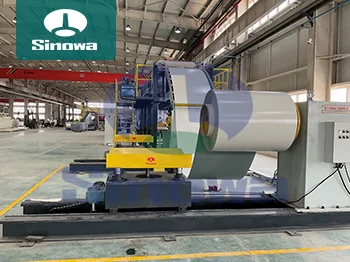
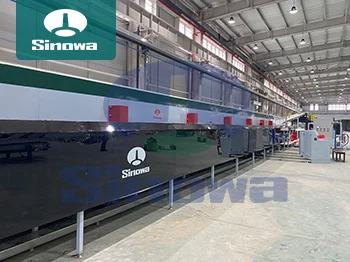
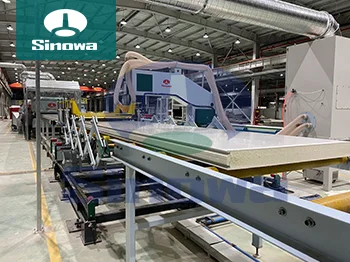
Sinowa is committed to the development and manufacturing of high-end and high-efficiency continuous pu sandwich panel line. Our continuous pu sandwich panel line are leading the way in efficiency, automatic control, human-computer interaction, environmental protection and energy consumption. Using system integration and bus control technology, it realizes the automatic integrated linkage control of the entire continuous pu sandwich panel line, and can achieve remote interactive communication, which has the world-class level and a comprehensive leading high-performance continuous pu sandwich panel line in the market.
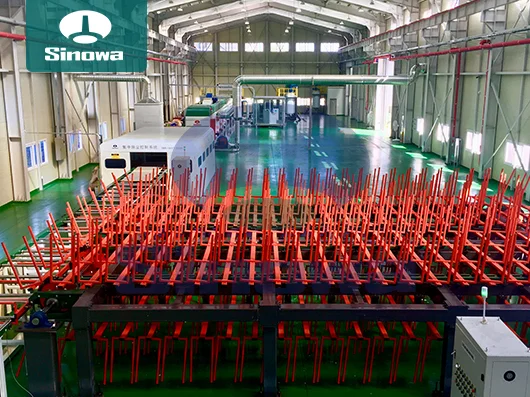
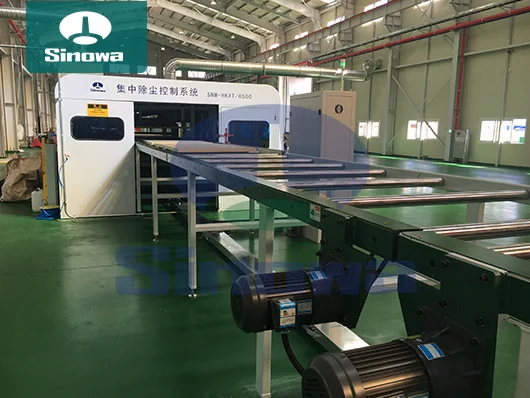
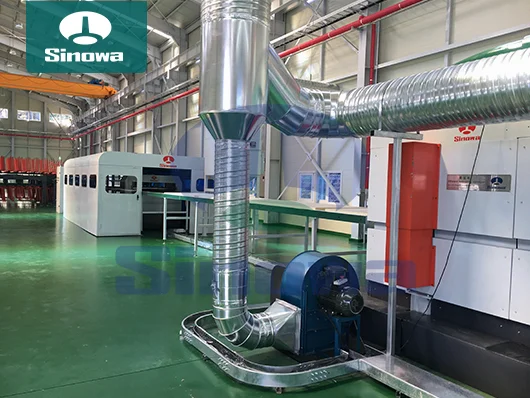
For more than ten years, relying on our innovative manufacturing concept and excellence in quality, reliable and trustworthy service to customers, we cooperate with customers all over the world, exported products to Canada, South Korea, Israel, Australia, the Middle East and other more than 20 countries and regions. contributed to building energy conservation and low-carbon production and have won widespread praise.
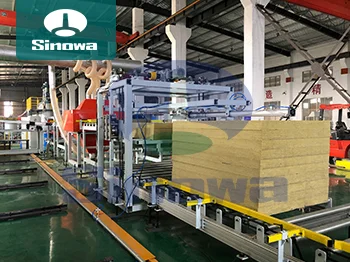
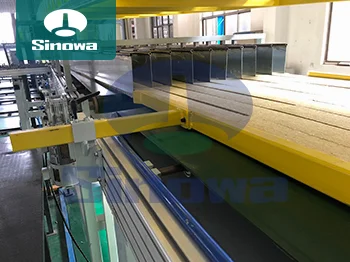
Sinowa has invested outstanding efforts in continuous pu sandwich panel line, this is why our products are more efficiency, quality, automatic control technology, environmental protection, energy consumption indicators and the appearance and safety protection are comprehensively leading, some subversive design changes in many major technical points, these major innovations make our products excellent in price/performance and user experience.
Polyurethane (PU) sandwich panels produced by continuous lines have become a pivotal material in modern house construction, valued for their integrated performance and adaptability to diverse building needs. The continuous production line ensures consistent quality and efficiency, making these panels a preferred choice for both residential and light commercial buildings. Unlike discontinuous production methods, continuous lines enable the seamless bonding of core and face materials, creating panels with uniform structural integrity and stable properties.
The structural composition of PU sandwich panels from continuous lines is a carefully engineered combination of two face layers and a central PU foam core, bonded together through advanced lamination techniques. The face layers, also known as skins, serve as the primary structural and protective components, while the PU core provides insulation, rigidity, and lightweight characteristics. The continuous production process ensures that the adhesive bond between the core and skins is homogeneous, eliminating weak points that could compromise performance. Common materials used for the face layers include pre-painted galvanized steel, galvalume, aluminum, and fiberglass-reinforced plastic (FRP), each selected based on the specific requirements of the building project. These face materials undergo cold-forming or profiling during production to enhance their mechanical strength and weather resistance, with corrugated or ribbed designs often employed to improve load-bearing capacity and drainage for roof applications.
The central PU foam core is the defining element of these panels, formed through the reaction of isocyanate and polyol under controlled conditions in the continuous line. This core features a closed-cell structure, which is critical to its insulation and moisture-resistant properties. The closed-cell configuration minimizes air permeability and prevents moisture absorption, ensuring that the panel’s thermal performance remains stable over time. The density of the PU core can be adjusted during production to balance structural strength and weight, typically ranging from moderate to high densities depending on whether the panel is intended for wall, roof, or floor applications. The continuous foaming process guarantees that the core has uniform density distribution, avoiding voids or inconsistencies that would reduce thermal efficiency or structural stability. Additionally, the bond between the PU core and face layers is enhanced by the continuous application of high-strength adhesive, creating a composite structure that acts as a single unit rather than separate components.
The performance attributes of continuous-line PU sandwich panels are what make them indispensable in modern house construction, combining multiple functional benefits in a single material. Thermal insulation is one of their most prominent features, attributed to the low thermal conductivity of the PU foam core. This property allows the panels to effectively reduce heat transfer between the interior and exterior of a building, minimizing the need for heating and cooling systems and thereby lowering energy consumption. Compared to traditional building materials, PU sandwich panels achieve superior insulation with a much thinner profile, which helps reduce the overall weight of the building envelope and optimize structural design. The closed-cell structure of the core also contributes to excellent moisture resistance, preventing condensation, mold growth, and water damage to the building structure. This moisture barrier property is particularly valuable in regions with high humidity or extreme temperature variations, ensuring long-term durability of the building.
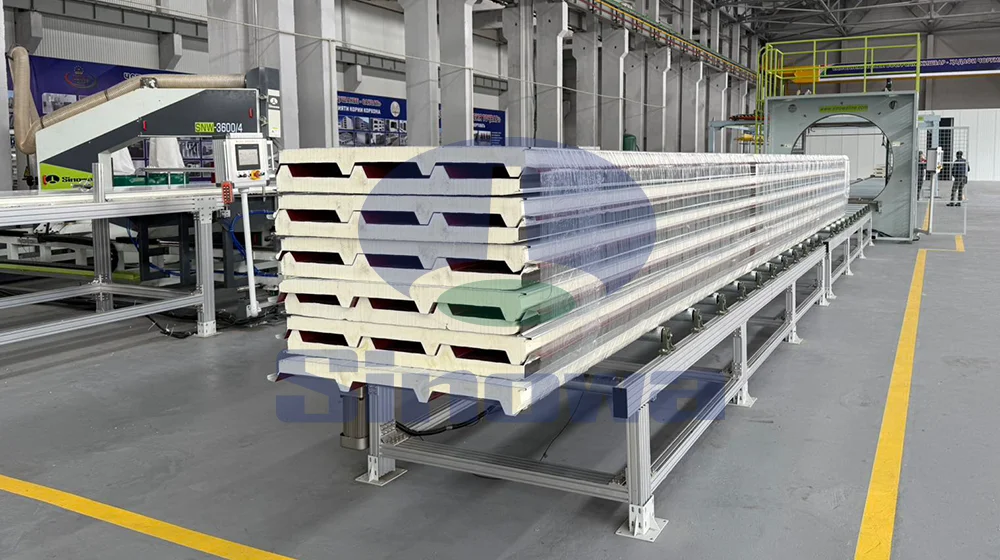
Mechanical performance is another key strength of these panels, with the composite structure delivering an optimal balance of lightweight design and high strength. Despite their low weight, PU sandwich panels exhibit excellent compressive, bending, and shear strength, making them suitable for load-bearing applications such as roofs and exterior walls. The face layers provide tensile strength and resistance to impact, while the PU core distributes loads evenly across the panel surface, preventing local buckling or deformation. This structural efficiency allows for faster construction, as the panels can be easily transported and installed without the need for heavy lifting equipment or complex support structures. Additionally, the panels offer good acoustic insulation, reducing the transmission of external noise into the building interior. The PU core absorbs sound waves, creating a quieter and more comfortable living environment, which is especially beneficial for houses located in urban or noisy areas.
Fire performance is a critical consideration in house construction, and continuous-line PU sandwich panels can be engineered to meet strict fire safety requirements through the addition of flame-retardant additives in the PU core and face layers. These additives inhibit the spread of flame and reduce the release of harmful gases in the event of a fire, providing valuable escape time and minimizing property damage. The composite structure also maintains its integrity for a longer period under fire conditions compared to some traditional materials, preventing sudden collapse. Weather resistance is another important performance characteristic, with the face layers treated to resist corrosion, UV radiation, and aging. This treatment ensures that the panels retain their appearance and performance over decades, even when exposed to harsh environmental conditions such as strong sunlight, heavy rain, or strong winds. The panels are also resistant to chemical corrosion, making them suitable for use in areas with industrial pollution or coastal environments where saltwater may cause degradation.
Continuous-line PU sandwich panels are available in various types, tailored to different applications and performance requirements in house construction. The primary classification is based on the type of face material, which dictates the panel’s durability, appearance, and functional properties. Steel-faced PU sandwich panels are the most commonly used type for residential buildings, featuring pre-painted galvanized or galvalume skins that offer excellent corrosion resistance and a clean, modern appearance. These panels can be customized with different colors and surface finishes to match the architectural design of the house, from matte to glossy textures. Aluminum-faced panels are lighter in weight than steel-faced ones, making them ideal for applications where weight is a critical factor, such as modular or prefabricated houses. Aluminum skins also provide superior corrosion resistance, particularly in coastal areas, and have a sleek, contemporary look that complements modern architectural styles.
FRP-faced PU sandwich panels are another popular type, especially for houses requiring high resistance to corrosion, moisture, and UV radiation. FRP is a lightweight, non-metallic material that offers excellent durability and is not susceptible to rust or degradation. These panels are often used in wet areas of the house, such as bathrooms, kitchens, or exterior walls in humid climates, as well as in coastal or industrial regions. Wood-veneer or plywood-faced panels are designed for interior applications, providing a warm, natural aesthetic that enhances the living space. These panels are commonly used for interior partitions, ceilings, and wall claddings, combining the insulation benefits of PU with the visual appeal of wood. Additionally, panels can be classified based on their thickness and core density, with thinner panels (typically 50 to 75mm) used for interior partitions and thicker panels (100mm or more) for exterior walls and roofs, where enhanced insulation and structural strength are required.
The applications of continuous-line PU sandwich panels in house construction are diverse, covering almost every aspect of the building envelope and interior design. Exterior walls are one of the most common applications, where the panels provide a combination of insulation, weather protection, and structural support. The lightweight nature of the panels reduces the load on the building’s foundation, allowing for cost savings in structural engineering. The quick and easy installation of the panels also shortens construction time, enabling faster completion of the building project. For roof applications, PU sandwich panels are designed with profiled surfaces to facilitate water drainage and enhance wind resistance. The excellent thermal insulation of the panels helps maintain a comfortable indoor temperature, reducing energy costs associated with heating and cooling the house. Roof panels can also be installed with concealed fasteners to improve waterproofing and aesthetic appeal, creating a seamless roof surface.
Interior partitions and ceilings are another key application area, where the panels offer flexibility in space design and sound insulation. The panels can be easily cut and installed to create separate rooms, hallways, or storage areas, and their acoustic properties help reduce noise transmission between rooms. This is particularly beneficial in multi-generational houses or apartments where privacy and quiet are important. Floor panels made from continuous-line PU sandwich panels are suitable for both ground and upper floors, providing insulation against cold and noise while offering sufficient load-bearing capacity for furniture and foot traffic. These floor panels can be installed over concrete slabs or wooden joists, enhancing the overall comfort of the living space.
Modular and prefabricated houses are increasingly using continuous-line PU sandwich panels due to their lightweight, quick installation, and consistent quality. These houses are constructed off-site in modules, which are then transported to the building site and assembled. PU sandwich panels form the walls, roofs, and floors of these modules, ensuring that the modules are well-insulated, structurally sound, and ready for immediate use. The use of these panels in modular construction reduces waste, improves construction efficiency, and ensures that the final house meets high performance standards. Additionally, the panels are used in auxiliary structures of houses, such as garages, sheds, and porches, providing the same benefits of insulation, durability, and easy installation.
In addition to residential houses, continuous-line PU sandwich panels are also applied in light commercial buildings that share similar performance requirements, such as small offices, clinics, and schools. These buildings benefit from the panels’ energy efficiency, quick construction, and low maintenance requirements, reducing operational costs over the building’s lifespan. The adaptability of the panels to different design styles and performance needs makes them a versatile solution for a wide range of building projects. As the construction industry moves towards more sustainable and efficient practices, the demand for continuous-line PU sandwich panels is expected to grow, driven by their ability to reduce energy consumption, shorten construction time, and improve the overall durability and comfort of buildings.
The environmental benefits of continuous-line PU sandwich panels further contribute to their appeal in modern house construction. The energy efficiency of the panels reduces carbon emissions associated with heating and cooling, aligning with global efforts to mitigate climate change. The continuous production process minimizes waste, as the panels are cut to precise dimensions during manufacturing, reducing on-site waste generation. Additionally, many of the materials used in the panels, including the face layers and PU core, can be recycled at the end of the building’s lifespan, reducing environmental impact. The long service life of the panels also means fewer replacements are needed, further reducing resource consumption and waste.
In conclusion, continuous-line PU sandwich panels have revolutionized house construction by offering a composite material that integrates insulation, structural strength, weather resistance, and aesthetic appeal. Their carefully engineered structure, combining durable face layers with a high-performance PU core, delivers exceptional performance across multiple dimensions. The various types of panels, differentiated by face material and design, cater to diverse application needs, from exterior walls and roofs to interior partitions and floors. As the construction industry continues to prioritize sustainability, efficiency, and durability, continuous-line PU sandwich panels will remain a key material in the design and construction of modern houses, providing long-term value and comfort for homeowners. Their ability to streamline construction processes, reduce energy costs, and enhance building performance makes them an indispensable component of contemporary building practices.
« Continuous PU Sandwich Panel Line For House » Update Date: 2026/1/24
- Customized PU Insulation Board Production Line
- PIR Insulation Panel Production Line Design
- Low Price PIR Sandwich Panel Line
- PU Sandwich Panel Machine For Building
- High-tech PUF Panel Manufacturing Machine
- Low Price Polyurethane Insulation Panel Production Line
- Continuous Sandwich Panel Manufacturing Line Design
- PIR Sandwich Panel Production Line For Wall
- PIR Wall Panel Production Line For Sale
- Glass Wool Sandwich Panel Line For House
- PIR Insulation Panel Production Line Price
- Sandwich Roof Panel Production Line Price
- High-quality Fully Automatic PU Sandwich Panel Production Line
- Polyurethane Sandwich Panel Machine Price
- Glass Wool Production Line Manufacturer
- Sandwich Panel Foam Production Line For Sale
- Polyurethane Sandwich Panel Manufacturing Line For Sale
- Custom Glass Wool Sandwich Panel Machine
- Low Price Sandwich Panel Foam Making Machine
- High-end Sandwich Panel Making Machine
- Links:
- Sandwich Panel Continuous Production Line
- Automatic and Continuous Sandwich Panel Production Line
- Cheap and Low Price Sandwich Panel Production Line
- China Sandwich Panel Production Line Factory
- Color Steel Sandwich Panel Production Line For Cold Storage
- Continuous Composite Foam Sandwich Panel Production Line
- Continuous Production Line For Rockwool and Mineral Wool Sandwich Panels
- Continuous PU Phenolic Insulation Panel Production Line
- Continuous PU PIR Sandwich Panel Production Line
- Continuous PUF PUR Sandwich Panel Production Line
- Continuous Sandwich Panel Production Line For Roof and Wall
- Customized and Design Sandwich Panel Production Line
- Decorative Sandwich Panel Production Line For Glass Wool Boards
- High Quality Sandwich Panel Production Line For Sale
- Polyurethane(PU) Sandwich Panel Production Line
- Sandwich Panel Production Line Manufacturer and Supplier