
PU Sandwich Panel Making Machine For Sale
Sinowa is a well-known manufacturer and technical service provider of high-end pu sandwich panel making machine, learn more about pu sandwich panel making machine for sale, please contact Sinowa's technical engineer, tell us what you need, we will contact you as soon as possible!
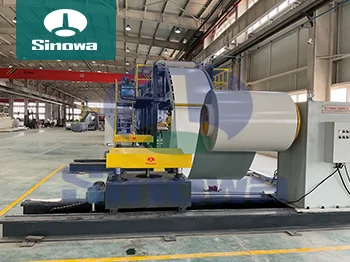
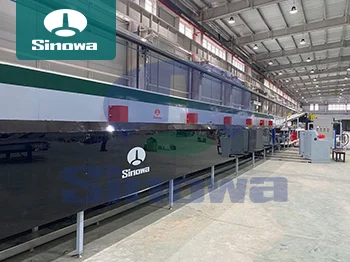
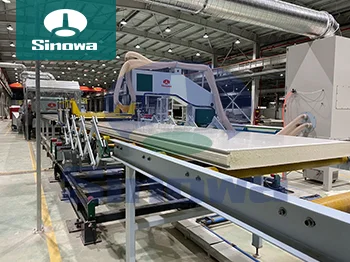
Sinowa is committed to the development and manufacturing of high-end and high-efficiency pu sandwich panel making machine. Our pu sandwich panel making machine are leading the way in efficiency, automatic control, human-computer interaction, environmental protection and energy consumption. Using system integration and bus control technology, it realizes the automatic integrated linkage control of the entire pu sandwich panel making machine, and can achieve remote interactive communication, which has the world-class level and a comprehensive leading high-performance pu sandwich panel making machine in the market.
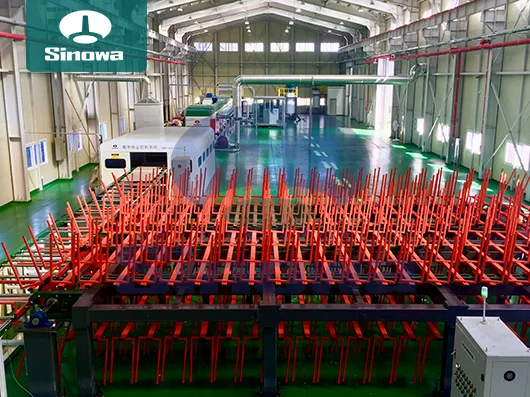
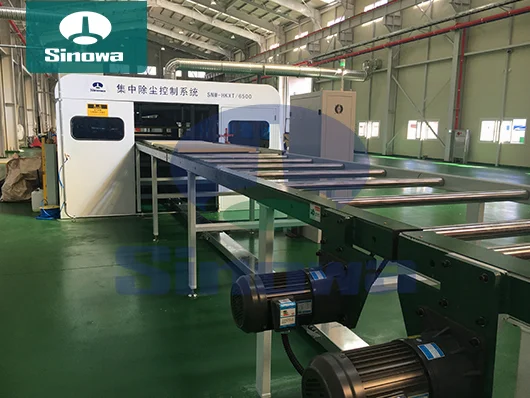
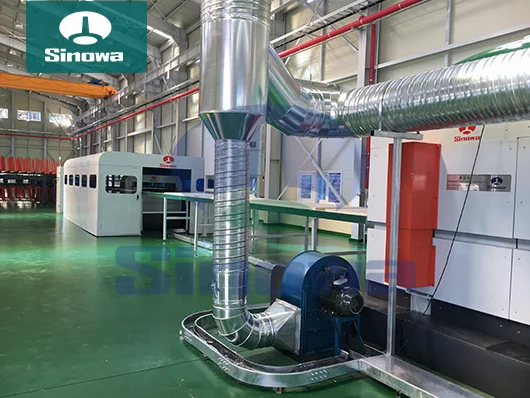
For more than ten years, relying on our innovative manufacturing concept and excellence in quality, reliable and trustworthy service to customers, we cooperate with customers all over the world, exported products to Canada, South Korea, Israel, Australia, the Middle East and other more than 20 countries and regions. contributed to building energy conservation and low-carbon production and have won widespread praise.
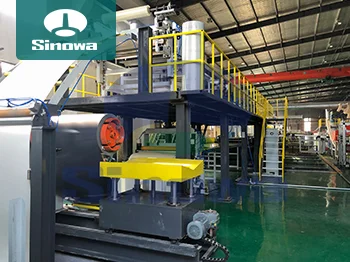
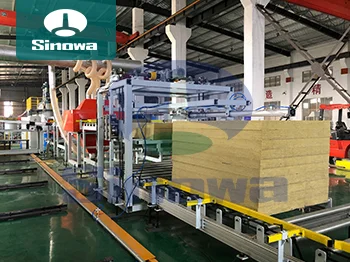
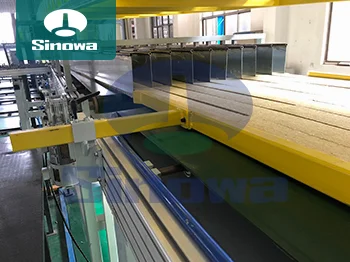
Sinowa has invested outstanding efforts in pu sandwich panel making machine, this is why our products are more efficiency, quality, automatic control technology, environmental protection, energy consumption indicators and the appearance and safety protection are comprehensively leading, some subversive design changes in many major technical points, these major innovations make our products excellent in price/performance and user experience.
PU sandwich panel making machines represent a comprehensive automated production system built to turn basic raw materials into finished composite panels in one continuous workflow. Unlike separate, manually operated devices that handle each production step in isolation, this set of equipment links material unwinding, roll forming, high-pressure foaming, lamination, curing, cutting and stacking into a single connected process. The core working principle relies on accurate proportioning of polyurethane chemical components, which are mixed thoroughly before being injected or spread evenly between two surface sheets. As the mixed material reacts, it expands steadily to form a closed-cell foam core that bonds tightly with the outer facings, creating a unified panel structure without weak separation layers. Operators can adjust running speed, foam dosage and pressing pressure according to the target panel specifications, so the same machine can produce panels with different core thicknesses and surface profiles to match varied usage scenarios. This continuous design greatly reduces the time lost between separate processing stages, cuts down on labor input and lowers the chance of defects caused by repeated handling of semi-finished materials. Many users who shift from semi-automatic equipment to this continuous line notice obvious improvements in product consistency, as every section of the panel goes through identical temperature, pressure and reaction conditions inside the curing channel. Even small fluctuations in raw material feeding can be corrected by the built-in control module, keeping the density of the foam core stable across the whole production run and avoiding uneven thermal performance that often troubles simpler production methods.
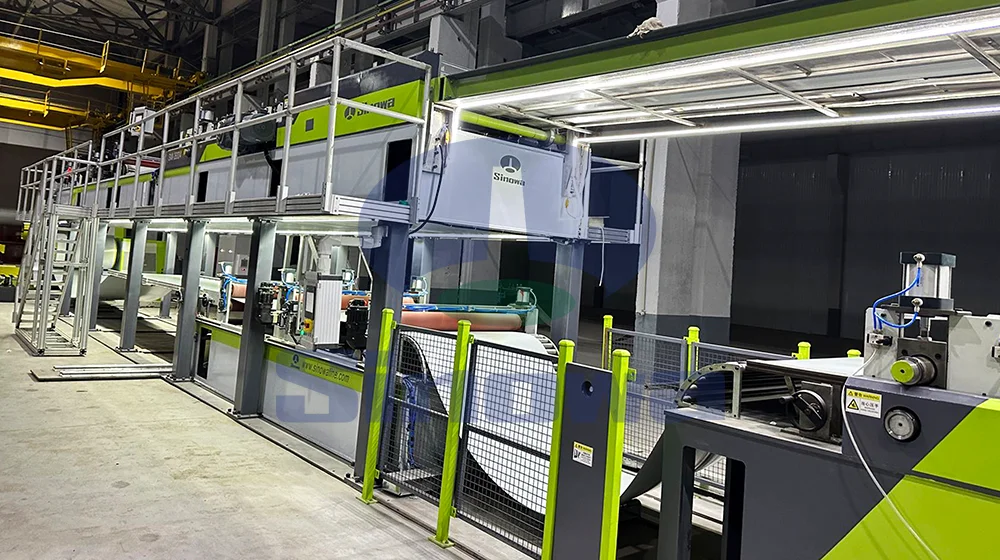
The foaming and metering unit sits at the heart of the PU sandwich panel making machine, determining the basic quality and physical properties of every finished panel. This subsystem uses precision pumping structures to deliver the two main chemical components of polyurethane separately, preventing premature reaction before they reach the mixing chamber. Once they enter the mixing head, high-speed stirring blends the liquids into a homogeneous mixture, which flows out in a controlled, uniform stream onto the lower facing sheet. The flow rate is synchronized with the forward speed of the conveyor belt, ensuring the foam covers the full width of the panel evenly without thin spots or excess accumulation in local areas. Careful tuning of the mixing ratio directly shapes the hardness, thermal conductivity and adhesion strength of the foam core. If the mixing proportion drifts outside the suitable range, the foam may turn brittle, develop large air voids or fail to stick firmly to the surface sheets, which will shorten the service life of the final panels. The foaming system is also designed with cleaning routines to reduce material residue buildup after shutdown, preventing leftover cured foam from blocking nozzles and affecting the next production batch. Operators can monitor the working state of pumps and mixing heads through the central control interface, spotting abnormal pressure or flow changes early and making adjustments before defective products pile up. This level of precision control makes it possible to maintain stable foam performance over long hours of nonstop operation, a key advantage for businesses that plan large-scale, uninterrupted production schedules.
Surface material handling and roll forming sections prepare the outer skins before they combine with the PU foam core. Rolled coil materials are loaded onto unwinding supports, which release the sheet at a steady speed and maintain proper tension to avoid wrinkles, sagging or uneven feeding. The sheet then passes through a series of forming rollers that bend and shape the flat material into the required profile, such as the interlocking edge structures that allow panels to lock together quickly during installation. Profiling molds can be swapped out to produce different joint designs, giving flexibility for wall panels, roof panels and other customized profiles. Before entering the foaming zone, the surface layers go through preheating treatment in many configurations. Mild heating raises the surface temperature moderately, helping the liquid polyurethane mixture wet the sheet surface better and strengthen the bonding interface. Poor surface preparation often leads to delamination later, especially when panels are exposed to repeated temperature cycles in outdoor environments. Guide rollers and correction devices keep the two upper and lower sheets aligned accurately as they move forward, so the foam core stays centered and the finished panel has consistent edge dimensions. This part of the machine demands stable tension control above all else; sudden tension changes can distort the formed profile and create mismatched edges that complicate on-site assembly. Well-calibrated forming stations reduce later trimming work and raise the overall yield rate of the production line.
Lamination and constant-temperature curing are critical stages where the liquid polyurethane mixture completes its foaming reaction and solidifies into a rigid supporting core. After the foam is applied, the upper and lower surface layers move together through a double-belt pressing section. The belts apply even pressure across the entire width of the composite material, restricting the expansion space of the foam and controlling the final core thickness accurately. Without uniform pressure, the foam would expand irregularly, resulting in panels with varying thickness and weak spots. The enclosed curing tunnel maintains a stable thermal environment to support the chemical curing reaction. Temperature inside the tunnel is kept within a suitable range, allowing the polymer chains to form fully and develop stable mechanical strength. The dwell time inside the tunnel matches the travel speed of the conveyor, so the foam achieves sufficient curing before it exits the heating area. If the material moves too fast, the foam remains under-cured and soft, prone to deformation after cutting. If it moves too slowly, production capacity drops unnecessarily and may cause over-curing that makes the foam overly brittle. The whole curing environment is insulated to retain heat efficiently and cut extra energy consumption. At the exit of the tunnel, the composite panel has already become a solid integrated structure, with the foam core permanently bonded to both outer skins and ready for sizing and further processing.
Cutting and post-processing modules finish the panel into lengths ready for packaging and delivery. A numerical control cutting unit receives length signals from position sensors along the conveyor, triggering the cutting action automatically once the preset length is reached. The cutting tool moves synchronously with the running panel during the cut, so there is no need to stop the main production line. This flying cut design preserves continuous output and avoids productivity loss from frequent start-stop cycles. The cutting blade is engineered to produce clean, smooth edges without crushing the foam core or scratching the painted surface layer. After cutting, the finished panels move to a cooling section to release residual heat gradually. Rapid cooling is avoided to prevent internal stress that might lead to warping after stacking. Some machine setups include edge trimming devices to remove small irregular margins and standardize panel width, while others add embossing or grooving attachments for special decorative or functional requirements. At the end of the line, an automatic stacker arranges the finished panels neatly, ready for wrapping. Stacking mechanisms can adjust stacking height and spacing to protect panel surfaces from scratches and compression damage. Operators can store multiple cutting length recipes in the control system, switching between different order specifications with simple input changes. This automation reduces repetitive manual labor and lowers the risk of injury from handling heavy cut panels on the production floor.
Panels made on a PU sandwich panel making machine serve a wide spectrum of construction and industrial applications, driven by the balanced performance of the finished composite material. The closed-cell PU foam core delivers reliable thermal insulation, slowing heat transfer across the panel and easing the cooling or heating load of enclosed spaces. This quality makes the panels popular for temperature-controlled spaces that need stable internal conditions year-round. The composite structure also combines low overall weight with decent bending and impact resistance, making installation much simpler compared with solid heavy building materials. Panels can be lifted and positioned with fewer workers, and their interlocking connections speed up enclosure assembly on site. Besides thermal performance, the material provides helpful sound damping, reducing noise transmission between adjacent spaces. Many projects use these panels for exterior walls and roofing of large-span structures, as well as internal partitioning for spaces with strict hygiene or cleanliness requirements. The outer facings can accept different surface treatments and colors, letting the finished panels match aesthetic needs while retaining all core functional benefits. As demand grows for building solutions that reduce long-term energy use, panels from this production line continue to attract interest from builders and project planners looking for durable, high-performance enclosure materials.
When assessing a PU sandwich panel making machine for purchase, buyers should focus on adaptability, operational stability and long-term service support rather than isolated single indicators. A suitable line should accommodate changes in raw material types and panel dimensions without major rework or component replacement. It is wise to test how smoothly the equipment transitions between different panel thicknesses and surface profiles, because frequent product changes are common for manufacturers serving diverse customer orders. Stable running performance matters most in daily operation; excessive breakdowns or frequent adjustments disrupt delivery schedules and raise maintenance costs. Key areas to inspect include the durability of the high-pressure foaming head, the reliability of the conveyor and pressing belts, and the consistency of the temperature control system inside the curing tunnel. Accessibility of wearing parts also influences total operating cost, since some components require periodic replacement after extended running hours. Buyers should also evaluate the control interface design, checking whether parameter adjustment, fault prompt and production data recording functions are intuitive for on-site technicians. Training support for machine operation, routine inspection and troubleshooting helps teams master the equipment quickly after installation. A machine that is technically advanced but difficult to maintain can become a burden, even if its theoretical output capacity looks attractive on paper. Careful evaluation of matching capacity to expected order volume prevents overinvestment in capacity that will sit idle or buying an underpowered line unable to keep up with market demand.
Routine maintenance and proper operation practices extend the service life of a PU sandwich panel making machine and keep product quality consistent over years of use. Daily inspection tasks focus on checking the tightness of chemical pipelines for leaks, cleaning residual polyurethane material from mixing heads and nozzles, and verifying the tension and surface condition of conveyor and pressing belts. Any leftover cured foam must be removed before it hardens completely, because hardened deposits can damage precision moving parts and ruin the surface finish of panels. Operators should record running parameters and abnormal phenomena during each shift, forming a clear operating log that helps technicians trace the root cause when quality problems appear. Lubrication points on rollers, chains and guide rails need scheduled oiling according to usage frequency to cut friction and slow mechanical wear. The electrical cabinet and sensor components must stay dry and free from dust buildup, as dust and moisture can cause signal errors or short circuits. When the machine will sit idle for an extended period, full cleaning of the foaming circuit and protective treatment of metal surfaces are essential. Training operators to recognize early warning signs such as unstable pressure, strange running noise or uneven foaming output helps stop small faults from developing into major failures. Good maintenance habits do not merely reduce repair expenses; they preserve the precision of the machine, so the panels produced in later years maintain the same reliable performance as those made when the line was new. With careful care, a well-built PU sandwich panel making machine can remain a steady asset, supporting continuous production and helping operators capture more opportunities in the market for insulated composite building panels.
« PU Sandwich Panel Making Machine For Sale » Update Date: 2026/10/23
Tags: PU Sandwich Panel Making Machine , pu sandwich panel making machine, pu sandwich panel making machine manufacturer, pu sandwich panel making machine supplier, pu sandwich panel making machine for sale, customized pu sandwich panel making machine, china pu sandwich panel making machine
- Polyurethane Foam Production Line On Sales
- Glass Wool Panel Production Line From China
- Sandwich Panel Production Machinery Manufacturer
- Sandwich Foam Panel Making Machine Design
- PU Sandwich Panel Production Line For Construction
- Cheap Glass Wool Equipment
- Sandwich Foam Panel Making Machine Manufacturer
- High-tech Sandwich Panel Production Machinery
- High-quality Continuous PUF Panel Production Line
- Cold Storage Sandwich Panel Production Line For Sale
- High-tech Isolation Sandwich Panel Production Line
- Cheap Continuous PU Sandwich Panel Line
- Cheap Insulated Sandwhich Panel Production Line
- High-end Glass Wool Production Line
- High-end Soundproofing Sandwich Panel Production Line
- Custom Fully Automatic PU Sandwich Panel Machine
- Color Steel Sandwich Panel Production Line Factory
- Glass Wool Sandwich Panel Machine Design
- Cheap Roof Sandwich Panel Production Line
- High-tech Automatic Sandwich Panel Production Line
- Links:
- Sandwich Panel Continuous Production Line
- Automatic and Continuous Sandwich Panel Production Line
- Cheap and Low Price Sandwich Panel Production Line
- China Sandwich Panel Production Line Factory
- Color Steel Sandwich Panel Production Line For Cold Storage
- Continuous Composite Foam Sandwich Panel Production Line
- Continuous Production Line For Rockwool and Mineral Wool Sandwich Panels
- Continuous PU Phenolic Insulation Panel Production Line
- Continuous PU PIR Sandwich Panel Production Line
- Continuous PUF PUR Sandwich Panel Production Line
- Continuous Sandwich Panel Production Line For Roof and Wall
- Customized and Design Sandwich Panel Production Line
- Decorative Sandwich Panel Production Line For Glass Wool Boards
- High Quality Sandwich Panel Production Line For Sale
- Polyurethane(PU) Sandwich Panel Production Line
- Sandwich Panel Production Line Manufacturer and Supplier
- Sandwich Panel Production Machinery and Equipment