
Cold Storage Sandwich Panel Production Line For Sale
Sinowa is a well-known manufacturer and technical service provider of high-end cold storage sandwich panel production line, learn more about cold storage sandwich panel production line for sale, please contact Sinowa's technical engineer, tell us what you need, we will contact you as soon as possible!
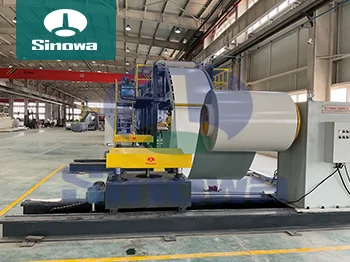
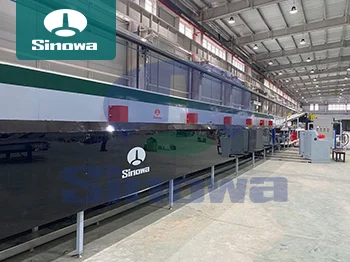
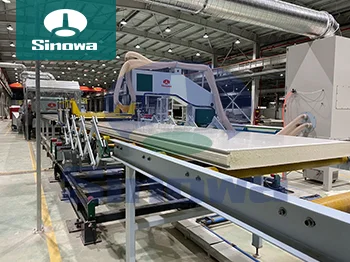
Sinowa is committed to the development and manufacturing of high-end and high-efficiency cold storage sandwich panel production line. Our cold storage sandwich panel production line are leading the way in efficiency, automatic control, human-computer interaction, environmental protection and energy consumption. Using system integration and bus control technology, it realizes the automatic integrated linkage control of the entire cold storage sandwich panel production line, and can achieve remote interactive communication, which has the world-class level and a comprehensive leading high-performance cold storage sandwich panel production line in the market.
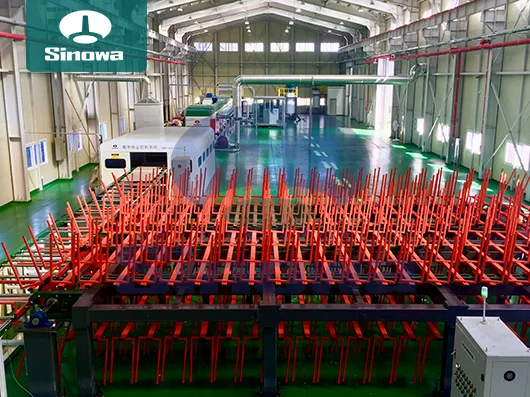
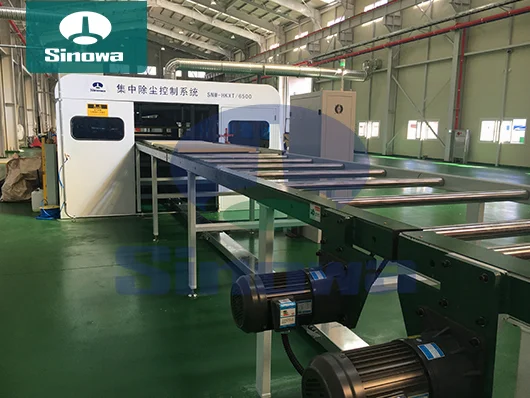
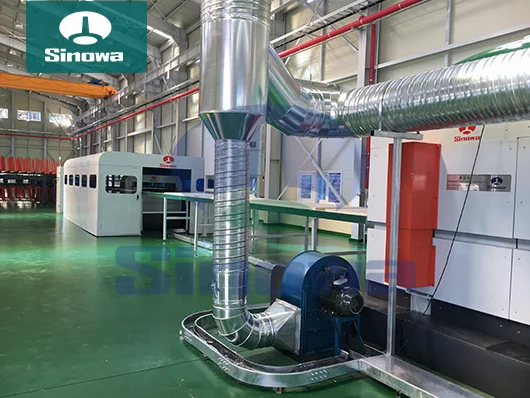
For more than ten years, relying on our innovative manufacturing concept and excellence in quality, reliable and trustworthy service to customers, we cooperate with customers all over the world, exported products to Canada, South Korea, Israel, Australia, the Middle East and other more than 20 countries and regions. contributed to building energy conservation and low-carbon production and have won widespread praise.
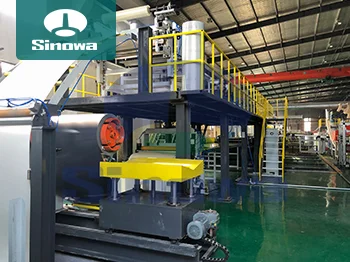
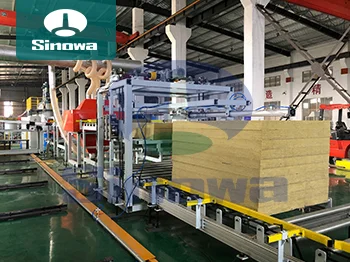
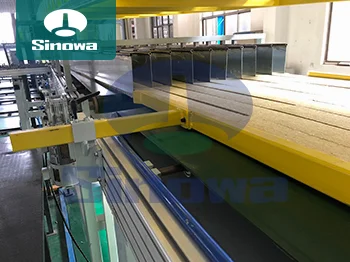
Sinowa has invested outstanding efforts in cold storage sandwich panel production line, this is why our products are more efficiency, quality, automatic control technology, environmental protection, energy consumption indicators and the appearance and safety protection are comprehensively leading, some subversive design changes in many major technical points, these major innovations make our products excellent in price/performance and user experience.
When industries seek reliable ways to build controlled-temperature spaces, the cold storage sandwich panel production line stands out as a core manufacturing solution that streamlines the creation of insulated building panels for cold rooms, refrigerated warehouses and temperature-controlled facilities. This production system integrates multiple sequential working units into one continuous workflow, turning raw sheet materials and insulating core materials into finished sandwich panels with consistent surface quality and thermal performance. Every segment of the line is engineered to handle material feeding, surface treatment, core material arrangement, pressing, curing, trimming and cutting in a connected sequence, removing the need for fragmented manual operations that often lead to uneven product quality and slow output. Operators can adjust key production parameters according to the required panel thickness, width and surface texture, which allows the equipment to adapt to diverse project demands without extensive reconfiguration. The whole production process maintains stable bonding between metal facings and insulation cores, a critical feature because weak adhesion can lead to thermal bridging and premature panel failure after installation. By automating most handling and forming steps, this production line reduces reliance on large work teams, lowers the risk of human error during panel fabrication, and supports steady long-run manufacturing for both small batch orders and large-scale construction projects. Users of this equipment gain greater control over the finished panel dimensions and physical properties, ensuring the panels fit perfectly into cold storage enclosure structures and deliver long-term thermal insulation performance in environments that demand stable low-temperature conditions.
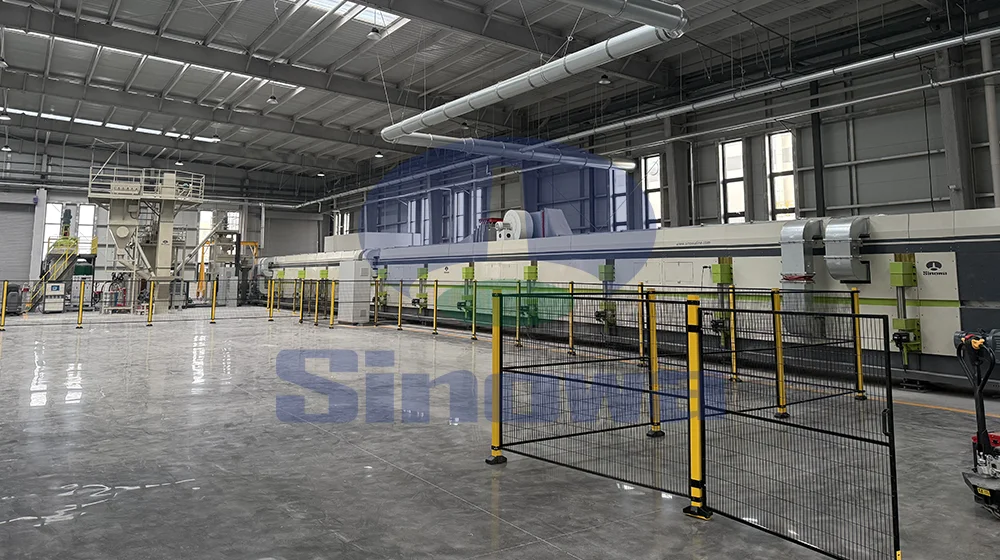
The raw material feeding section forms the starting point of the cold storage sandwich panel production line, and it is designed to deliver surface sheet materials and insulating core materials to the forming area in a synchronized manner. Metal sheets are loaded onto unwinding racks, where the equipment steadily releases the sheet material while maintaining proper tension to avoid wrinkles, stretching or surface scratches that would compromise the final appearance and durability of the panels. Before combining with the insulation core, the sheet surfaces go through simple cleaning and prepping processes that remove dust and impurities, helping the adhesive create a stronger bond between the facing material and the inner insulation layer. Insulation core materials are transported on separate conveying structures, carefully aligned to match the speed of the metal sheets so that the core stays centered between the two surface layers as they move forward. The feeding system uses adjustable speed controls to match different production speeds, preventing mismatched material movement that could cause misalignment, uneven core placement or waste of raw materials. Sensors within this part of the line monitor material availability and can trigger alerts when raw materials run low, helping operators replenish supplies in time and avoid unplanned production stops. Proper coordination of the feeding process directly affects the consistency of every finished panel, as even minor misalignment at this early stage can create defects that remain through the rest of the manufacturing workflow. This section is built to accommodate different types of surface sheets and insulation cores, giving the production line flexibility to manufacture panels suited for different cold storage application scenarios.
After raw materials are aligned and fed into the production line, the continuous pressing and curing stage begins, which is the most vital phase for forming solid cold storage sandwich panels. Once the adhesive is applied evenly to the inner sides of the surface sheets, the stacked composite material enters the pressing unit, where steady and uniform pressure is applied across the entire width and length of the panel. The pressure ensures tight contact between the insulation core and the two outer sheets, eliminating gaps that would reduce insulation capacity and weaken structural integrity. The curing process takes place under controlled temperature conditions within the equipment, allowing the adhesive to fully set and create a permanent bond between each layer of the sandwich structure. Operators can modify pressure and temperature settings based on the type of adhesive and insulation material used, to match the curing requirements of different panel formulations. During pressing and curing, the material moves continuously rather than in intermittent batches, which significantly raises overall production efficiency compared with discontinuous panel manufacturing methods. This continuous operation keeps the thickness of each panel uniform across its full surface, avoiding areas that are too thin or overly compressed. If pressure or temperature fluctuates too much during this stage, delamination between layers may appear after the panels are put into use. Well-calibrated pressing and curing equipment guarantees that panels maintain stable thermal resistance and mechanical strength throughout their service life inside cold storage buildings.
Once the composite panel exits the curing section, the production line moves on to trimming, edge processing and length cutting to shape panels into the required finished dimensions. The continuous long panel first passes through edge trimming tools that cut away excess material from both sides, straightening the panel edges and achieving consistent panel width for every finished piece. Edge trimming also removes uneven overflow of adhesive and rough fragments of insulation core that form along the sides during pressing. After edge finishing, the travelling panel reaches the cutting station, which automatically cuts the continuous panel to preset lengths according to production requirements. The cutting mechanism operates in coordination with the line movement, capable of cutting while the panel continues moving forward without halting the whole production flow. This dynamic cutting function reduces idle time and improves overall output volume. All cut edges are smooth and neat, requiring minimal additional hand finishing after the panels leave the line. The trimming and cutting units are equipped with protective structures to contain dust and debris generated during cutting, keeping the production area cleaner and reducing material waste. Adjustments to width and length settings can be completed through the main control interface, so switching between different panel sizes can be done quickly when shifting from one order to another. Precision in this processing stage simplifies later installation work, as neatly sized panels fit together with tighter joints when assembled on cold storage construction sites.
A central control system manages all functional sections of the cold storage sandwich panel production line, acting as the command hub for synchronized operation across every working unit. The control interface displays real-time data including production speed, material feed status, pressure readings, temperature values and the total number of finished panels produced. Operators can view the running status of each part of the line on one screen, and adjust parameters centrally instead of manually modifying settings on individual machines scattered across the workshop. The system also includes safety interlock functions, which will pause production automatically if abnormal conditions are detected, such as material jamming, excessive temperature or mechanical overload. This safety design protects both the production equipment and the on-site operators from potential accidents during continuous manufacturing runs. Historical production data can be tracked, helping plant managers review output trends and identify opportunities to optimize material usage and reduce waste. The control system supports simple operation logic, so trained staff can master daily operation without overly specialized technical backgrounds. When maintenance is needed, the system can point out the location of faults to speed up troubleshooting and shorten downtime. Reliable central control keeps all sections of the production line working in harmony, maintaining stable product quality and consistent production throughput day after day.
Maintenance and daily upkeep are essential to keep a cold storage sandwich panel production line operating at its full capacity over many years of service. Regular inspection schedules cover unwinding rollers, conveying belts, pressing plates, cutting blades, adhesive supply pipelines and sensor components across the whole line. Moving parts need periodic lubrication to reduce friction and prevent premature wear, while cutting blades require sharpening or replacement on a routine basis to retain clean cutting performance. Residual adhesive and insulation dust must be cleaned from internal surfaces and machinery at the end of production cycles, because accumulated buildup can interfere with material movement and affect panel surface quality. Operators should carry out simple checks before starting each production run to confirm all safety guards are in place and sensors are responding correctly. Planned preventive maintenance reduces unexpected breakdowns that interrupt production schedules and delay order delivery. Even well-built equipment will suffer performance decline if maintenance is neglected, which may lead to rising defect rates and higher long-term repair costs. The design of this production line makes most key components accessible for inspection and part replacement, so maintenance teams can complete routine tasks efficiently. Following a structured maintenance plan extends the service life of the whole line and preserves the stable performance required for manufacturing high-quality cold storage sandwich panels.
The cold storage sandwich panels produced on this type of production line serve a wide array of practical applications across sectors that require temperature-controlled environments. The finished panels combine lightweight construction with excellent thermal insulation properties, making them ideal for building cold storage warehouses, blast freezers, food processing workshops, pharmaceutical storage rooms and mobile refrigeration enclosures. When assembled, these panels form wall, roof and partition structures that slow heat transfer, helping cooling systems maintain target internal temperatures and cut energy consumption for long-term operation. The panel surfaces resist moisture penetration, which is important inside cold spaces where temperature differences often create condensation that can damage building materials and weaken insulation performance. Panels manufactured on this continuous line also have good load-bearing capacity to support normal installation and use within cold storage structures. Many builders choose these panels because they speed up construction work, as prefabricated panels can be transported to building sites and assembled quickly compared with traditional on-site insulation construction methods. The versatility of the panels means the same production line can make products for small walk-in cold rooms and large industrial refrigeration facilities alike. Consistent panel quality from automated production helps end users reduce long-term operational costs for cooling and building maintenance.
Investing in a cold storage sandwich panel production line creates long-term operational benefits for manufacturers aiming to enter or expand within the insulated building material market. This automated equipment turns raw materials into finished panels at a much higher rate than manual or semi-automatic manufacturing approaches, allowing businesses to fulfill larger customer orders within shorter lead times. The consistent product quality from continuous production helps manufacturers build trust with construction contractors and cold storage project developers, creating stable market demand over time. Owning this production equipment removes dependence on third-party panel suppliers, giving businesses greater autonomy over production schedules and product specifications. While running the line requires proper workshop space, skilled operators and raw material supply chains, the system can deliver steady returns when operated efficiently. As demand for temperature-controlled storage facilities keeps growing across different industries, the need for well-made insulated sandwich panels remains strong. A properly installed and maintained production line can operate reliably for extended periods, supporting sustained manufacturing activities. For enterprises focused on insulated construction materials, this production line represents a practical asset that supports scalable manufacturing and opens opportunities to participate in various cold storage and controlled-environment construction projects around the world.
« Cold Storage Sandwich Panel Production Line For Sale » Update Date: 2026/10/20
Tags: Cold Storage Sandwich Panel Production Line , cold storage sandwich panel production line, cold storage sandwich panel production line manufacturer, cold storage sandwich panel production line supplier, cold storage sandwich panel production line for sale, customized cold storage sandwich panel production line, china cold storage sandwich panel production line
- High-end Composite Sandwich Panel Production Line
- High Efficiency PIR Wall Panel Production Line
- Foam Sandwich Panel Production Line On Sales
- Continuous PUF Panel Production Line Factory
- Insulated Sandwich Panel Line Design
- Custom Polyurethane Sandwich Panel Manufacturing Line
- Composite Sandwich Panel Production Line Price
- PU Sandwich Panel Machine For Cold Storage
- High-quality Insulated Sandwich Panel Line
- Custom Sandwich Roof Panel Production Line
- Sandwich Panel Integrated Production Line Design
- Wall Sandwich Panel Production Line
- Polyurethane Sandwich Panel Machine For Clean Room
- Roof Sandwich Panel Production Line Supplier
- Sandwich Panel Making Equipment Manufacturer
- High-tech PU Sandwich Panel Line
- PU Sandwich Panel Production Line For Cold Room
- Customized PU Board Production Line
- PU Board Production Line Manufacturer
- Cheap Glass Wool Sandwich Panel Line
- Links:
- Sandwich Panel Continuous Production Line
- Automatic and Continuous Sandwich Panel Production Line
- Cheap and Low Price Sandwich Panel Production Line
- China Sandwich Panel Production Line Factory
- Color Steel Sandwich Panel Production Line For Cold Storage
- Continuous Composite Foam Sandwich Panel Production Line
- Continuous Production Line For Rockwool and Mineral Wool Sandwich Panels
- Continuous PU Phenolic Insulation Panel Production Line
- Continuous PU PIR Sandwich Panel Production Line
- Continuous PUF PUR Sandwich Panel Production Line
- Continuous Sandwich Panel Production Line For Roof and Wall
- Customized and Design Sandwich Panel Production Line
- Decorative Sandwich Panel Production Line For Glass Wool Boards
- High Quality Sandwich Panel Production Line For Sale
- Polyurethane(PU) Sandwich Panel Production Line
- Sandwich Panel Production Line Manufacturer and Supplier
- Sandwich Panel Production Machinery and Equipment