
PU Sandwich Panel Production Line For Construction
Sinowa is a well-known manufacturer and technical service provider of high-end pu sandwich panel production line, learn more about pu sandwich panel production line for construction, please contact Sinowa's technical engineer, tell us what you need, we will contact you as soon as possible!
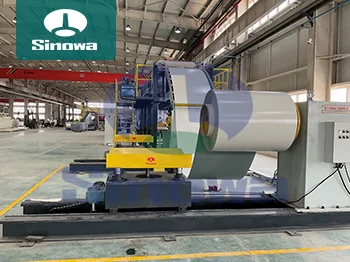
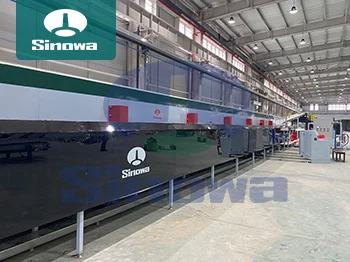
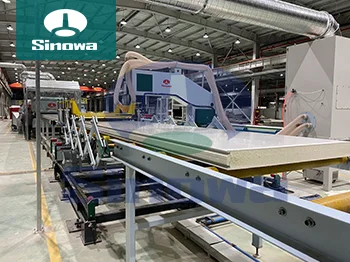
Sinowa is committed to the development and manufacturing of high-end and high-efficiency pu sandwich panel production line. Our pu sandwich panel production line are leading the way in efficiency, automatic control, human-computer interaction, environmental protection and energy consumption. Using system integration and bus control technology, it realizes the automatic integrated linkage control of the entire pu sandwich panel production line, and can achieve remote interactive communication, which has the world-class level and a comprehensive leading high-performance pu sandwich panel production line in the market.
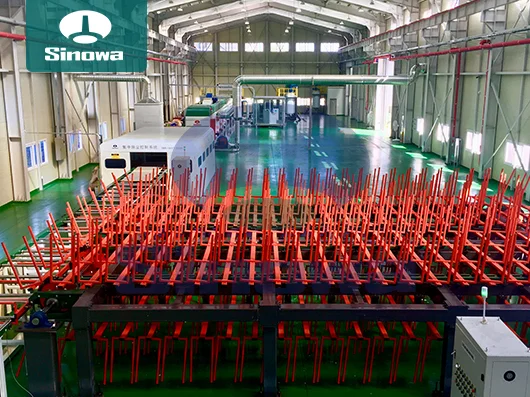
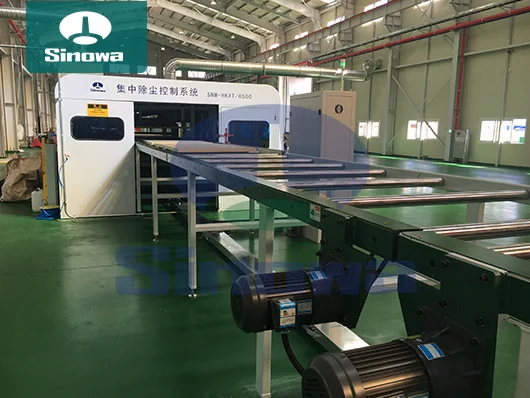
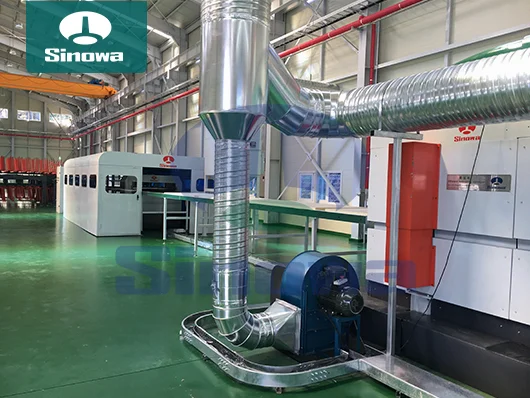
For more than ten years, relying on our innovative manufacturing concept and excellence in quality, reliable and trustworthy service to customers, we cooperate with customers all over the world, exported products to Canada, South Korea, Israel, Australia, the Middle East and other more than 20 countries and regions. contributed to building energy conservation and low-carbon production and have won widespread praise.
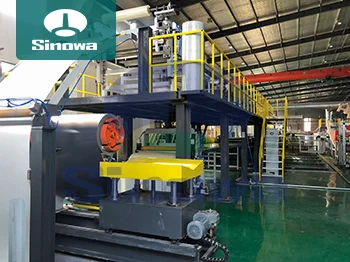
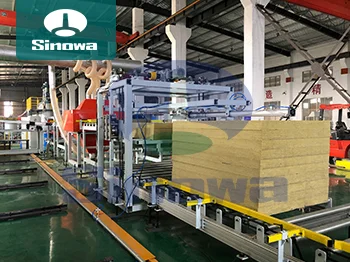
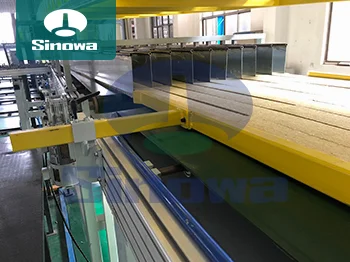
Sinowa has invested outstanding efforts in pu sandwich panel production line, this is why our products are more efficiency, quality, automatic control technology, environmental protection, energy consumption indicators and the appearance and safety protection are comprehensively leading, some subversive design changes in many major technical points, these major innovations make our products excellent in price/performance and user experience.
In the modern construction industry, the pursuit of efficiency, energy conservation, and structural stability has driven the continuous innovation of building materials and production technologies. Among these advancements, polyurethane (PU) sandwich panels have emerged as an indispensable component in various construction projects, ranging from industrial warehouses and commercial complexes to residential buildings and prefabricated structures. These panels, composed of two outer facing materials and a middle polyurethane foam core, offer a unique combination of superior thermal insulation, soundproofing, lightweight construction, and high structural strength, making them ideal for meeting the diverse needs of contemporary construction. The production quality and efficiency of these panels are directly determined by the performance of the PU sandwich panel production line, which has evolved from traditional manual and semi-automatic systems to highly integrated, automated lines that ensure consistency, precision, and scalability.
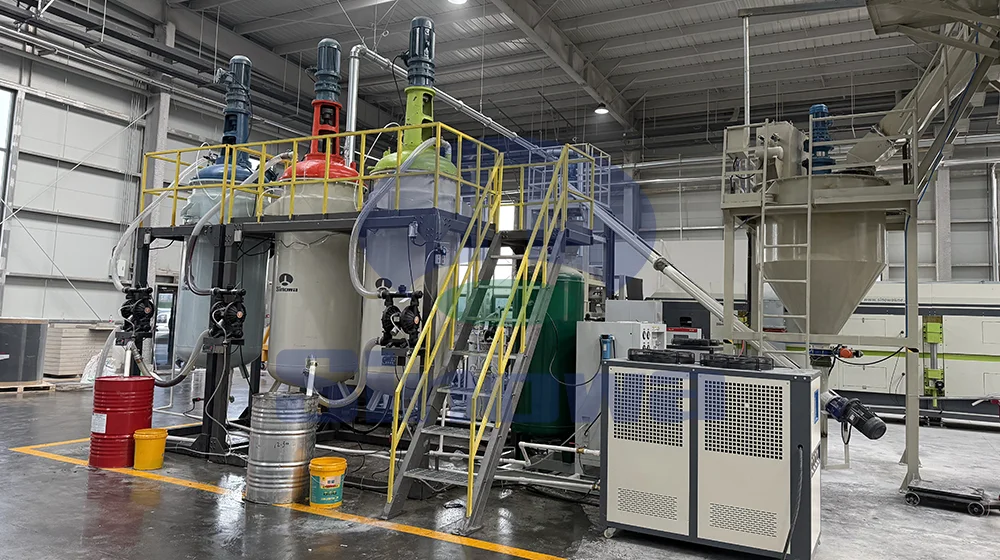
A PU sandwich panel production line for construction is a sophisticated integrated system that combines mechanical engineering, electronic control, chemical material technology, and thermal processing. It is designed to realize continuous and automated production from raw material input to finished product output, minimizing manual intervention and ensuring the stability of product quality. Unlike traditional production methods that rely on manual mixing, pouring, and bonding, modern production lines integrate multiple functional modules that work in seamless coordination to complete each stage of the production process with high precision. The core advantage of such production lines lies in their ability to control key parameters such as material ratios, temperature, pressure, and curing time, which are crucial for producing PU sandwich panels with uniform performance and reliable quality.
The basic composition of a PU sandwich panel production line includes several key functional modules, each responsible for a specific stage of the production process. The uncoiling and leveling system is the starting point of the production line, where the outer facing materials—typically galvanized steel, galvalume, aluminum sheets, or fiber-reinforced materials—are uncoiled from large rolls and leveled to eliminate internal stress and ensure a smooth surface. This step is critical because any unevenness or deformation in the facing materials can affect the bonding between the facing and the PU core, leading to quality defects such as delamination. The leveling process is usually achieved through hydraulic or mechanical mechanisms that apply uniform pressure to the material, correcting any warping or unevenness and ensuring consistent thickness and flatness.
Following the uncoiling and leveling stage, the facing materials undergo surface pretreatment, a process that enhances the adhesion between the facing and the polyurethane foam core. Surface pretreatment typically involves cleaning and activation: oil stains, oxides, and other impurities on the surface of the facing materials are removed using high-pressure ion air or chemical cleaning methods, which improves the bonding strength between the facing and the foam. Some advanced production lines may also include an optional film laminating module, which applies a polymer film to the surface of the facing materials to enhance their weather resistance, corrosion resistance, and aesthetic appeal. This film layer can also protect the facing materials from damage during transportation and construction, extending the service life of the final PU sandwich panels.
The core of the PU sandwich panel production line is the foaming and composite system, which is responsible for mixing the polyurethane raw materials and forming the foam core between the two facing materials. Polyurethane foam is formed through a chemical reaction between isocyanate and polyol, combined with additives such as foaming agents, catalysts, and flame retardants. The high-pressure foaming machine, a key component of this system, uses precision metering pumps to control the mixing ratio of the raw materials with an accuracy of ±1.5%, ensuring that the foam core has uniform density and consistent performance. The foaming agent, which can be pentane or other environmentally friendly substances, causes the mixture to expand and fill the space between the two facing materials, forming a closed-cell structure that provides excellent thermal insulation and moisture resistance.
The composite process involves feeding the pretreated facing materials into a double-track laminating machine, which consists of upper and lower heating pressure plates and circulating steel strips. These components form an adjustable height forming channel where the facing materials are kept at a constant distance while the foaming mixture is injected between them. The temperature control system of the production line plays a crucial role here, as it precisely regulates the temperature of each section of the forming channel to ensure that the polyurethane foaming reaction proceeds under optimal conditions. The ideal temperature for foaming and curing typically ranges between 40°C and 60°C, as this range promotes complete reaction of the raw materials and ensures strong bonding between the foam core and the facing materials. The laminating machine applies uniform pressure to the composite structure, ensuring that the foam is evenly distributed and that the facing materials are tightly bonded to the core, resulting in a stable "sandwich" structure.
After the foaming and composite stage, the continuous composite board enters the maturing and shaping zone, which is usually 30 to 50 meters in length. This zone provides sufficient time for the polyurethane foam to cure and harden, ensuring that the panel maintains its shape and structural integrity. The curing process is critical because insufficient curing can lead to poor structural strength, while over-curing can cause brittleness and cracking. The temperature and humidity in the maturing zone are carefully controlled to optimize the curing process, with some advanced production lines using heated air circulation systems to maintain a consistent environment throughout the zone.
Once the composite board is fully cured, it moves to the cutting system, which trims the board to the required length and width. The cutting system typically uses a flying saw cutting machine with servo control, which can achieve a cutting accuracy of ±1 mm and a maximum processing speed of up to 15 meters per minute. This high precision ensures that the finished panels meet the exact dimensions required for construction, reducing waste and improving construction efficiency. The cutting machine is equipped with safety devices to prevent accidents, and it can be adjusted to cut panels of different lengths and widths according to production needs, making the production line highly versatile.
The final stage of the production line is the stacking and packaging system, which automates the process of collecting, stacking, and packaging the finished PU sandwich panels. This system typically uses a robotic arm or vacuum suction cup to lift the cut panels and stack them neatly on pallets, ensuring that the panels are not damaged during handling. Some production lines also include an automatic packaging module, which wraps the stacked panels in plastic film to protect them from moisture, dust, and damage during transportation and storage. This automated stacking and packaging process not only improves production efficiency but also reduces labor costs and ensures the quality of the finished products.
The operation of a PU sandwich panel production line requires strict adherence to operational procedures and quality control standards to ensure the production of high-quality panels. Operators must monitor key parameters such as the mixing ratio of raw materials, foaming temperature, curing time, and cutting accuracy throughout the production process. Regular maintenance of the production line is also essential, including checking the performance of the metering pumps, cleaning the foaming machine nozzles, and inspecting the heating and pressure systems. This maintenance ensures that the production line operates stably and efficiently, reducing downtime and extending the service life of the equipment.
PU sandwich panels produced by these advanced production lines offer numerous advantages that make them highly suitable for modern construction. Their superior thermal insulation performance, due to the closed-cell structure of the PU foam core, significantly reduces energy consumption for heating and cooling in buildings. The thermal conductivity of PU foam typically ranges from 0.022 to 0.028 W/m·K, making it more efficient than traditional insulation materials such as EPS or XPS foam. This energy efficiency not only reduces operational costs for building owners but also aligns with global efforts to promote sustainable and green construction practices.
In addition to thermal insulation, PU sandwich panels also provide excellent soundproofing performance. The dense foam core effectively absorbs and dampens sound waves, reducing noise transmission between interior spaces and from the outside environment. This makes them ideal for use in commercial and industrial buildings where noise reduction is crucial for productivity and worker comfort, as well as in residential buildings where a quiet living environment is desired. The panels also offer high structural strength and lightweight construction, reducing the overall structural load of the building and allowing for more flexible architectural designs. The outer facing materials provide durability and corrosion resistance, ensuring that the panels can withstand harsh environmental conditions such as strong winds, heavy rain, and UV radiation, with a service life of more than 20 years.
The versatility of PU sandwich panel production lines allows them to produce panels for a wide range of construction applications. They can be adjusted to produce wall panels, roof panels, cold storage panels, and other types of panels with varying thicknesses, widths, and facing materials. For example, cold storage panels require a thicker foam core to ensure superior thermal insulation, while roof panels may have a corrugated facing to enhance water resistance. The modular design of modern production lines enables manufacturers to switch between different panel specifications with minimal adjustments, enhancing production versatility and responsiveness to market demands.
The development of PU sandwich panel production lines has also been driven by the growing demand for prefabricated construction. Prefabricated buildings, which are assembled from pre-manufactured components, offer numerous advantages such as faster construction time, lower labor costs, and improved quality control. PU sandwich panels are an ideal component for prefabricated construction due to their lightweight, easy installation, and excellent performance. Modern production lines can produce large quantities of panels in a short period, meeting the high demand for prefabricated components in large-scale construction projects.
Another key trend in the development of PU sandwich panel production lines is the integration of smart technology. Many advanced production lines now feature automated control systems with touch-screen interfaces, allowing operators to monitor and adjust production parameters in real time. These systems can also collect and analyze production data, providing valuable insights into production efficiency and quality, and enabling manufacturers to optimize their production processes. Some production lines even use artificial intelligence and machine learning algorithms to predict potential equipment failures and schedule maintenance proactively, reducing downtime and improving overall productivity.
Environmental sustainability is also a key consideration in the design and operation of modern PU sandwich panel production lines. Manufacturers are increasingly using environmentally friendly raw materials and foaming agents, such as pentane, which has a low global warming potential and does not damage the ozone layer. The production process is also optimized to reduce energy consumption and waste, with many lines using energy-efficient motors and heat recovery systems to minimize their environmental impact. Additionally, PU sandwich panels themselves are recyclable, further contributing to sustainable construction practices.
In conclusion, the PU sandwich panel production line for construction is a sophisticated and essential piece of equipment that plays a crucial role in the modern construction industry. Its integrated, automated design ensures the production of high-quality PU sandwich panels with consistent performance, while its versatility allows it to meet the diverse needs of various construction applications. The continuous advancement of production line technology, including the integration of smart systems and environmental sustainability features, is driving the growth and adoption of PU sandwich panels in the construction sector. As the demand for energy-efficient, durable, and sustainable building materials continues to rise, the PU sandwich panel production line will remain a key enabler of innovation in modern construction, contributing to the development of greener, more efficient, and more resilient buildings.
« PU Sandwich Panel Production Line For Construction » Update Date: 2026/4/17
Tags: Fully Automatic PU Sandwich Panel Production Line , Discontinuous PU Sandwich Panel Production Line , Decorative PU Sandwich Panel Production Line , Continuous PU Sandwich Panel Production Line , PU Sandwich Panel Production Line ,
- Soundproofing Sandwich Panel Production Line Price
- High Efficiency Discontinuous PU Sandwich Panel Production Line
- Polyurethane Sandwich Panel Machine For Wall
- Sandwich Panel Foam Production Line Factory
- Roof Sandwich Panel Production Line
- Cold Room Sandwich Panel Production Line On Sales
- Sandwich Panel Foam Making Machine On Sales
- PU Panel Machine On Sales
- High-tech Glass Wool Line
- Isolation Sandwich Panel Production Line Supplier
- High-end PU Foam Production Line
- PU Insulated Panel Production Line Price
- Glass Wool Sandwich Panel Production Line On Sales
- PU Sandwich Panel Machine For Roof
- Insulated Sandwhich Panel Production Line In China
- PUF Panel Machine Factory
- Custom Glass Wool Panel Production Line
- PUF Panel Making Machine On Sales
- Fully Automatic PU Sandwich Panel Machine Manufacturer
- PU Sandwich Panel Machine From China