
PU Sandwich Panel Machine Design
Sinowa is a well-known manufacturer and technical service provider of high-end pu sandwich panel machine, learn more about pu sandwich panel machine design, please contact Sinowa's technical engineer, tell us what you need, we will contact you as soon as possible!
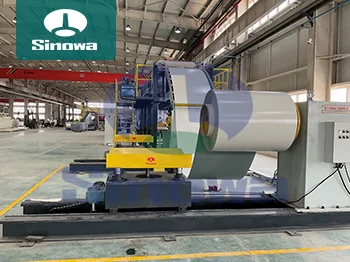
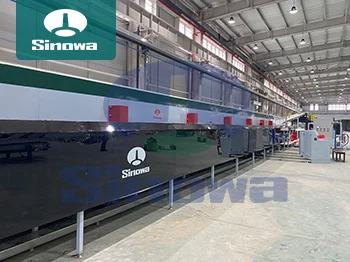
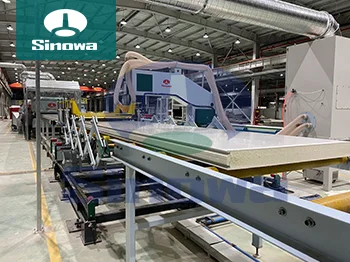
Sinowa is committed to the development and manufacturing of high-end and high-efficiency pu sandwich panel machine. Our pu sandwich panel machine are leading the way in efficiency, automatic control, human-computer interaction, environmental protection and energy consumption. Using system integration and bus control technology, it realizes the automatic integrated linkage control of the entire pu sandwich panel machine, and can achieve remote interactive communication, which has the world-class level and a comprehensive leading high-performance pu sandwich panel machine in the market.
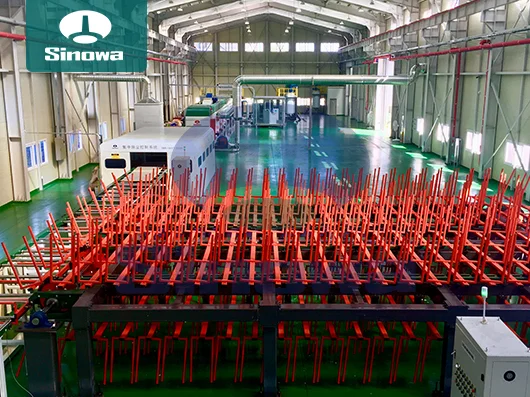
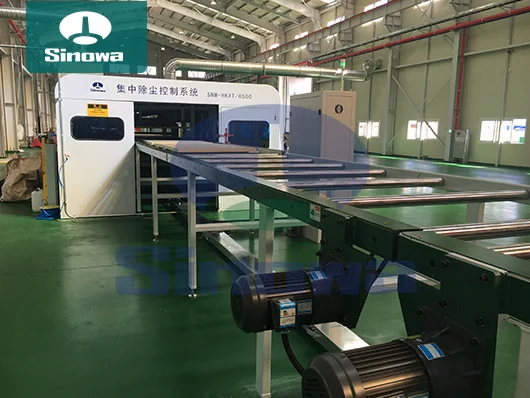
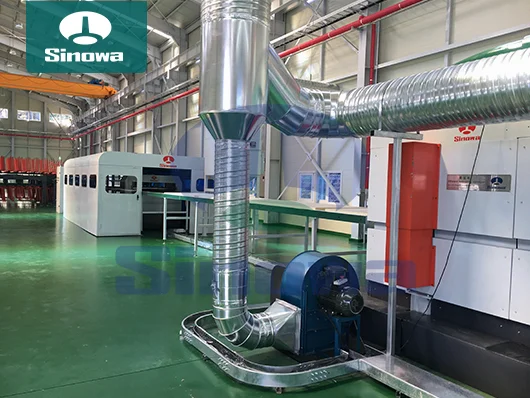
For more than ten years, relying on our innovative manufacturing concept and excellence in quality, reliable and trustworthy service to customers, we cooperate with customers all over the world, exported products to Canada, South Korea, Israel, Australia, the Middle East and other more than 20 countries and regions. contributed to building energy conservation and low-carbon production and have won widespread praise.
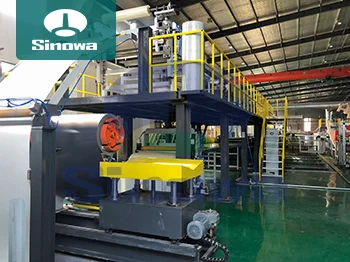
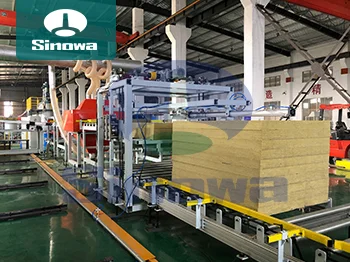
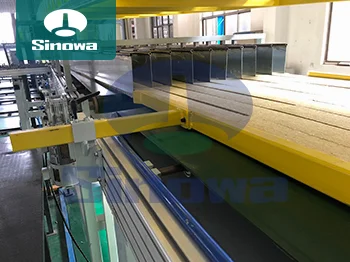
Sinowa has invested outstanding efforts in pu sandwich panel machine, this is why our products are more efficiency, quality, automatic control technology, environmental protection, energy consumption indicators and the appearance and safety protection are comprehensively leading, some subversive design changes in many major technical points, these major innovations make our products excellent in price/performance and user experience.
Polyurethane (PU) sandwich panels have become indispensable materials in modern construction, refrigeration, and industrial applications due to their excellent thermal insulation, structural strength, and lightweight properties. The performance and quality of PU sandwich panels are inherently determined by the design and functionality of the production machinery. A well-designed PU sandwich panel machine not only ensures consistent product quality but also enhances production efficiency, reduces energy consumption, and adapts to diverse production requirements.
Core Design Principles of PU Sandwich Panel Machines
The design of PU sandwich panel machines is guided by a set of fundamental principles that balance performance, reliability, safety, and economic efficiency. These principles serve as the foundation for the development of machinery that can meet the evolving demands of the PU sandwich panel industry.
Performance-Oriented Principle
The primary objective of machine design is to ensure that the produced PU sandwich panels meet predefined quality standards. This includes maintaining uniform thickness of the core and face sheets, ensuring consistent foam density, and achieving strong adhesion between the core and face materials. The machine must be capable of controlling key process parameters—such as foaming temperature, pressure, and mixing ratio—with high precision. Additionally, the design should enable a stable production speed that aligns with the foam curing time, preventing defects such as incomplete curing or excessive foam expansion.
Modularity and Versatility
Modern manufacturing requires equipment that can adapt to diverse product specifications. Modular design has become a key trend in PU sandwich panel machine development, allowing different functional units to be easily combined or replaced. This modular approach enables the machine to produce various types of PU sandwich panels, such as roof panels, wall panels, and cold storage panels, by switching different configurations. For example, adjusting the feeding system can accommodate different face materials, including color steel sheets, aluminum foil, non-woven fabrics, or kraft paper. The modular design also facilitates quick maintenance and upgrades, reducing downtime and improving overall equipment effectiveness (OEE).
Energy Efficiency and Environmental Friendliness
With the growing emphasis on sustainable manufacturing, energy efficiency has become a critical design principle. PU sandwich panel machines typically consume significant energy for heating, foam mixing, and material transportation. Design optimization measures—such as adopting high-efficiency motors, implementing full-enclosed thermal insulation structures, and utilizing waste heat recovery systems—can significantly reduce energy consumption. For instance, insulating the laminating conveyor to minimize heat loss can reduce the energy required to maintain the foaming temperature. Additionally, the design should incorporate environmentally friendly features, such as leak-proof systems for foam raw materials and efficient waste collection mechanisms, to minimize environmental impact.
Safety and Ergonomics
Safety is a non-negotiable principle in machine design. PU sandwich panel machines involve moving parts, high-pressure systems, and high-temperature zones, which pose potential risks to operators. The design must include comprehensive safety protection measures, such as protective covers for rotating components, emergency stop buttons with quick response times, and interlock systems that halt operations when safety boundaries are breached. Electrical systems should comply with relevant safety standards, including proper grounding and leakage protection. Ergonomic considerations are also essential, such as designing user-friendly control interfaces, ensuring easy access to maintenance points, and minimizing operator fatigue through automated processes.
Key Components of PU Sandwich Panel Machines
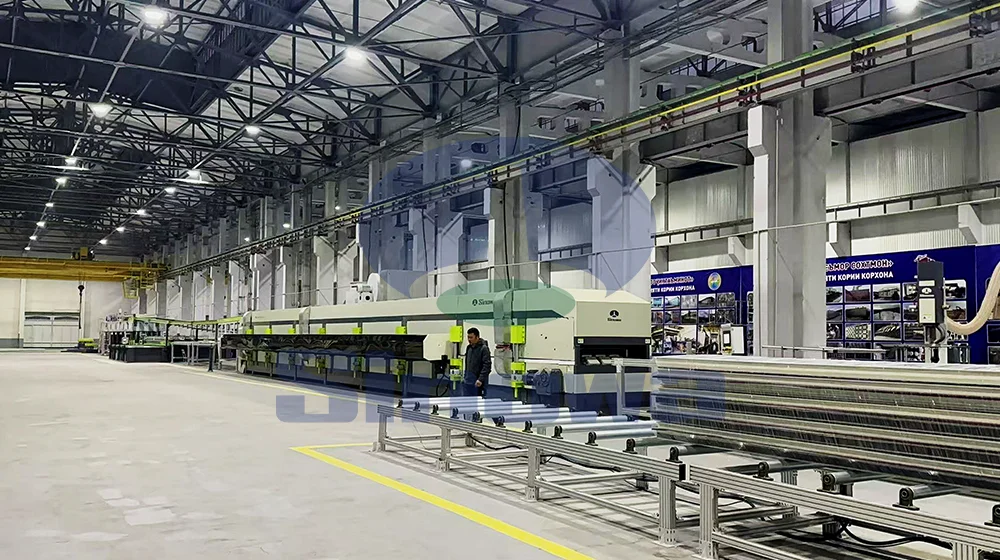
A typical PU sandwich panel machine consists of several interconnected functional units, each playing a crucial role in the production process. The coordinated operation of these components ensures the smooth and efficient manufacturing of high-quality PU sandwich panels. Below is a detailed analysis of the key components and their design considerations.
Uncoiling and Leveling System
The uncoiling and leveling system is responsible for feeding and preparing the face materials (e.g., color steel sheets, aluminum foil) for the lamination process. The uncoiling unit must provide stable and uniform feeding to prevent material deviation. Design considerations for the uncoiling system include adjustable tension control to accommodate different material thicknesses (typically 0.3–1.2 mm for steel sheets) and a纠偏 mechanism to ensure the face material is aligned correctly with the production line. The leveling unit, equipped with multiple rollers, removes wrinkles and flatens the face material, which is critical for ensuring uniform adhesion with the PU core. The design of the leveling rollers should consider the material's yield strength to avoid deformation while achieving the desired flatness.
PU Foaming and Mixing System
The foaming and mixing system is the core of the PU sandwich panel machine, as it determines the quality of the PU core. This system consists of a material storage unit, metering pumps, a mixing head, and a feeding mechanism. The design must ensure precise control of the mixing ratio of the two main foam components (polyol and isocyanate), typically with an accuracy of ±1%. High-pressure metering pumps are preferred for their ability to deliver consistent flow rates, even at varying production speeds. The mixing head should be designed to ensure thorough and uniform mixing of the components, with a self-cleaning function to prevent material buildup and cross-contamination.
Another critical design aspect of the foaming system is the temperature control. The foaming reaction is highly temperature-dependent, and maintaining the optimal temperature (usually 20–30°C for the components and 80–100°C for the lamination zone) is essential for achieving the desired foam density and curing time. The system may include heating jackets for material tanks and thermal insulation for pipelines to stabilize the temperature.
Lamination and Curing System
The lamination and curing system is responsible for combining the face materials with the PU foam and ensuring the foam cures properly to form a rigid, integrated panel. The key component of this system is the double-track laminating conveyor, which consists of upper and lower endless belts that apply uniform pressure to the sandwich structure during foaming and curing. The design of the conveyor must ensure consistent pressure distribution (typically 0.1–0.3 MPa) across the entire width of the panel to prevent uneven foam density or delamination.
The length of the laminating conveyor is determined by the curing time of the PU foam, which varies depending on the formulation and production speed. Typically, the conveyor length ranges from 20 to 30 meters to allow sufficient time for the foam to cure before the panel exits the system. The conveyor belts are usually made of heat-resistant and wear-resistant materials, such as fiberglass-reinforced rubber, to withstand the high temperatures and mechanical stress of continuous operation. The system may also include a hot air circulation unit to maintain the optimal curing temperature and accelerate the curing process.
Cutting and Trimming System
After curing, the continuous sandwich panel is cut into the desired length and trimmed to remove excess material from the edges. The cutting system typically consists of an automatic tracking circular saw or band saw that can adjust to different panel lengths (usually 2–12 meters) with high precision. The design of the cutting mechanism must ensure clean, straight cuts without damaging the panel structure or causing foam fragmentation. The trimming unit, equipped with rotating blades, trims the side edges of the panel to ensure uniform width and a smooth finish.
A key design consideration for the cutting and trimming system is synchronization with the production speed. The cutting machine must accurately track the movement of the panel to avoid misalignment, which can result in uneven lengths or damaged edges. The system may also include a dust collection mechanism to remove foam debris generated during cutting, improving workplace hygiene and reducing equipment wear.
Control System
The control system is the "brain" of the PU sandwich panel machine, responsible for coordinating the operation of all components and ensuring precise control of process parameters. Modern machines use programmable logic controllers (PLCs) or industrial computers to manage production processes, with a human-machine interface (HMI) that allows operators to monitor and adjust parameters such as production speed, foam mixing ratio, temperature, and cutting length.
The design of the control system should prioritize integration and interoperability between different components. For example, the foaming system's flow rate should be automatically adjusted based on the production speed to maintain the correct foam thickness. The system may also include a fault diagnosis function that detects abnormalities (such as material shortages, temperature deviations, or motor overloads) and alerts operators with error codes, enabling quick troubleshooting. Advanced control systems can also support remote monitoring and operation, allowing for real-time production management and maintenance support.
Technical Challenges in PU Sandwich Panel Machine Design
Despite significant advancements in PU sandwich panel machine technology, several technical challenges remain that require careful consideration during the design process. These challenges are primarily related to the complexity of the PU foaming reaction, the diversity of materials, and the demand for high production efficiency.
Controlling Foam Uniformity
Achieving uniform foam density and thickness across the entire panel is one of the most significant challenges in machine design. Variations in foam density can lead to inconsistencies in thermal insulation performance and structural strength. Factors such as uneven mixing of foam components, inconsistent pressure application during lamination, and temperature fluctuations can all affect foam uniformity. To address this, the design must include precise metering and mixing systems, uniform pressure distribution in the laminating conveyor, and stable temperature control throughout the production process. Additionally, the foaming system may incorporate a material distribution device that ensures the foam is evenly spread across the width of the face material.
Adapting to Diverse Material Specifications
PU sandwich panels are produced with a wide range of face materials and core thicknesses, requiring the machine to be highly adaptable. Different face materials have varying physical properties, such as stiffness, thickness, and surface roughness, which can affect the feeding, leveling, and lamination processes. For example, thin aluminum foil is more prone to wrinkling than thick steel sheets, requiring a more gentle leveling process. The core thickness can range from 20 mm to 200 mm, requiring the laminating conveyor to be adjustable to accommodate different heights. Designing a modular system with adjustable components—such as variable-speed uncoilers, adjustable leveling rollers, and telescopic laminating belts—is essential to meet these diverse requirements.
Balancing Production Speed and Curing Time
Increasing production speed is a key goal for manufacturers to improve productivity, but it must be balanced with the curing time required for the PU foam. If the production speed is too high, the foam may not have sufficient time to cure fully, leading to poor adhesion between the core and face materials and reduced structural integrity. Conversely, a slow production speed reduces efficiency and increases costs. The design must optimize the curing system to accelerate the curing process without compromising foam quality. This can be achieved through advanced temperature control systems, optimized foam formulations, and efficient hot air circulation. Additionally, the control system can be programmed to adjust the production speed based on the curing status of the foam, ensuring a balance between efficiency and quality.
Reducing Energy Consumption
The high energy consumption of PU sandwich panel machines is a major concern for manufacturers, particularly due to the energy required for heating and material transportation. Designing energy-efficient systems is a significant challenge, as it requires balancing energy savings with performance. Strategies to address this include using high-efficiency motors and pumps, implementing variable frequency drives (VFDs) to adjust energy consumption based on production demand, and optimizing the thermal insulation of the laminating and heating systems. For example, using a full-enclosed laminating conveyor with high-quality insulation can reduce heat loss by up to 30%, significantly lowering energy consumption. Additionally, recovering waste heat from the curing process and reusing it for heating material tanks or the lamination zone can further improve energy efficiency.
Optimization Strategies for PU Sandwich Panel Machine Design
To address the technical challenges and improve the overall performance of PU sandwich panel machines, several optimization strategies can be implemented during the design process. These strategies focus on enhancing precision, efficiency, adaptability, and sustainability.
Precision Control Optimization
Improving the precision of process parameter control is essential for enhancing product quality. This can be achieved by adopting advanced sensing and control technologies. For example, installing pressure sensors and temperature sensors at key points in the foaming and lamination systems allows for real-time monitoring and adjustment of parameters. Using servo motors for the uncoiling and leveling systems enables precise control of material tension and feeding speed, reducing material deviation. Additionally, integrating machine vision technology can help detect defects such as delamination, uneven thickness, or surface irregularities in real time, allowing for immediate adjustments to the production process.
Modular and Scalable Design
Optimizing the modular design of the machine enhances its versatility and scalability. This involves standardizing the interfaces between different functional units, allowing for easy replacement or addition of components. For example, a modular foaming system can be quickly reconfigured to accommodate different foam formulations or production capacities. Scalable design also enables manufacturers to upgrade the machine's performance over time, such as increasing production speed or adding new functions, without replacing the entire system. This not only reduces capital costs but also extends the machine's service life.
Energy-Saving Design Improvements
Implementing targeted energy-saving measures can significantly reduce the machine's operating costs. One effective strategy is to use high-efficiency motors and pumps, which consume up to 20% less energy than conventional models. Variable frequency drives (VFDs) can be installed to adjust the speed of motors based on production demand, further reducing energy consumption during low-speed operation. Optimizing the thermal insulation of the laminating conveyor and material pipelines with high-performance insulation materials can minimize heat loss. Additionally, using heat recovery systems to capture waste heat from the curing process and reuse it for heating purposes can improve energy efficiency by up to 40%.
Automation and Intelligentization
Increasing the level of automation and intelligentization of the machine can improve production efficiency and reduce human error. This includes automating material feeding, foam mixing, lamination, cutting, and stacking processes, which reduces the need for manual intervention. Advanced control systems with machine learning algorithms can analyze production data in real time, optimize process parameters, and predict potential equipment failures. For example, the system can adjust the foam mixing ratio based on changes in ambient temperature or material viscosity, ensuring consistent product quality. Remote monitoring and control capabilities allow operators to manage the machine from a centralized location, improving operational efficiency and reducing downtime.
Reliability and Maintainability Optimization
Improving the reliability and maintainability of the machine reduces downtime and maintenance costs. This can be achieved by using high-quality, wear-resistant components in critical systems, such as the laminating conveyor belts and mixing heads. Designing easy access to maintenance points, such as removable covers and inspection doors, simplifies maintenance tasks and reduces the time required for repairs. The control system can be equipped with a comprehensive fault diagnosis function that provides detailed error codes and maintenance instructions, enabling quick troubleshooting. Additionally, implementing a preventive maintenance schedule based on real-time equipment data can help identify potential issues before they lead to equipment failure.
Future Trends in PU Sandwich Panel Machine Design
The future of PU sandwich panel machine design is shaped by the growing demand for sustainable, efficient, and intelligent manufacturing. Several emerging trends are likely to drive innovations in machine design in the coming years.
One key trend is the development of more environmentally friendly machines. This includes the use of low-VOC (volatile organic compound) foam formulations and the integration of waste reduction systems to minimize material waste. Additionally, the use of renewable energy sources, such as solar power, to supplement the machine's energy needs is expected to become more widespread.
Another trend is the increasing adoption of digital twin technology. Digital twins create a virtual replica of the machine, allowing for real-time simulation and optimization of production processes. This technology enables manufacturers to test new process parameters, predict equipment performance, and simulate maintenance tasks in a virtual environment, reducing the need for physical testing and minimizing downtime.
The integration of Internet of Things (IoT) technology is also expected to advance, enabling seamless connectivity between different machines and systems in the production facility. This allows for centralized monitoring and control of the entire production line, improving operational efficiency and enabling data-driven decision-making. Additionally, the use of collaborative robots (cobots) for tasks such as material handling and quality inspection is likely to increase, further reducing manual intervention and improving workplace safety.
Conclusion
The design of PU sandwich panel machines is a complex process that requires careful consideration of multiple factors, including performance, reliability, safety, energy efficiency, and adaptability. By adhering to core design principles and optimizing key components such as the foaming system, lamination system, and control system, manufacturers can produce machines that meet the high-quality and efficiency requirements of the modern PU sandwich panel industry. Addressing technical challenges such as foam uniformity control and energy consumption through advanced technologies and optimization strategies is essential for improving machine performance and reducing operating costs.
As the industry continues to evolve, future machine designs will focus on sustainability, intelligentization, and digitalization. Innovations such as digital twin technology, IoT integration, and renewable energy utilization will drive the development of more efficient, reliable, and environmentally friendly PU sandwich panel machines. By embracing these trends, manufacturers can enhance their competitiveness and meet the growing demand for high-quality PU sandwich panels in a wide range of applications.
« PU Sandwich Panel Machine Design » Update Date: 2026/1/9
Tags: Fully Automatic PU Sandwich Panel Machine , PU Sandwich Panel Machine ,
- Glass Wool Sandwich Panel Line Supplier
- Customized PUF Panel Making Machine
- Exterior Wall Insulation Panel Production Line On Sales
- PUR Sandwich Panel Production Line On Sales
- Highly Intelligent Continuous PU Sandwich Panel Production Line
- Decorative PU Sandwich Panel Production Line
- PIR Sandwich Panel Machine Factory
- High-tech Metal Sandwich Panel Production Line
- High-tech Continuous Sandwich Panel Production Line
- High-tech Fully Automatic PU Sandwich Panel Production Line
- Continuous Sandwich Panel Line
- Custom Polyurethane Sandwich Panel Machinery
- Corrugated Sandwich Panel Production Line On Sales
- Continuous PU Sandwich Panel Production Line For Roof
- Polyurethane Sandwich Panel Machine For Sale
- Glass Wool Equipment
- Fully Automatic Sandwich Panel Making Machine Price
- Continuous PU Sandwich Panel Production Line
- Continuous Sandwich Panel Manufacturing Line Price
- PU Sandwich Panel Production Line On Sales
- Links:
- Sandwich Panel Continuous Production Line
- Automatic and Continuous Sandwich Panel Production Line
- Cheap and Low Price Sandwich Panel Production Line
- China Sandwich Panel Production Line Factory
- Color Steel Sandwich Panel Production Line For Cold Storage
- Continuous Composite Foam Sandwich Panel Production Line
- Continuous Production Line For Rockwool and Mineral Wool Sandwich Panels
- Continuous PU Phenolic Insulation Panel Production Line
- Continuous PU PIR Sandwich Panel Production Line
- Continuous PUF PUR Sandwich Panel Production Line
- Continuous Sandwich Panel Production Line For Roof and Wall
- Customized and Design Sandwich Panel Production Line
- Decorative Sandwich Panel Production Line For Glass Wool Boards
- High Quality Sandwich Panel Production Line For Sale
- Polyurethane(PU) Sandwich Panel Production Line
- Sandwich Panel Production Line Manufacturer and Supplier