
Rockwool Sandwich Panel Production Line In China
Sinowa is a well-known manufacturer and technical service provider of high-end rockwool sandwich panel production line, learn more about rockwool sandwich panel production line in china, please contact Sinowa's technical engineer, tell us what you need, we will contact you as soon as possible!
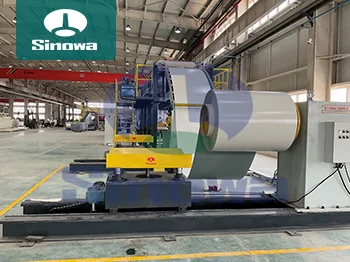
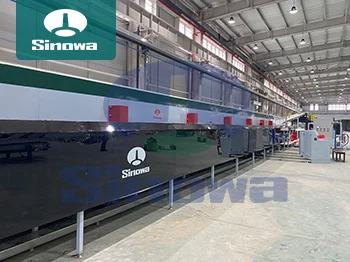
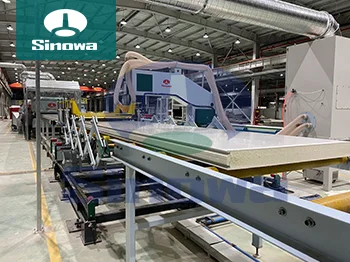
Sinowa is committed to the development and manufacturing of high-end and high-efficiency rockwool sandwich panel production line. Our rockwool sandwich panel production line are leading the way in efficiency, automatic control, human-computer interaction, environmental protection and energy consumption. Using system integration and bus control technology, it realizes the automatic integrated linkage control of the entire rockwool sandwich panel production line, and can achieve remote interactive communication, which has the world-class level and a comprehensive leading high-performance rockwool sandwich panel production line in the market.
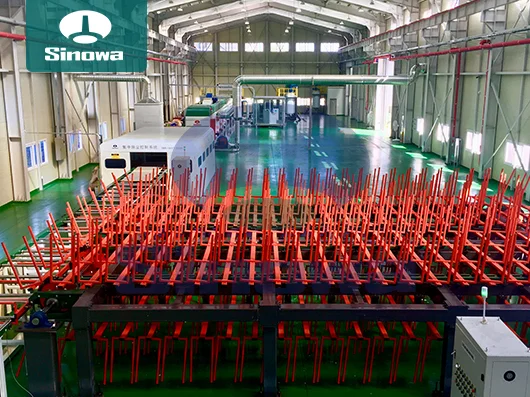
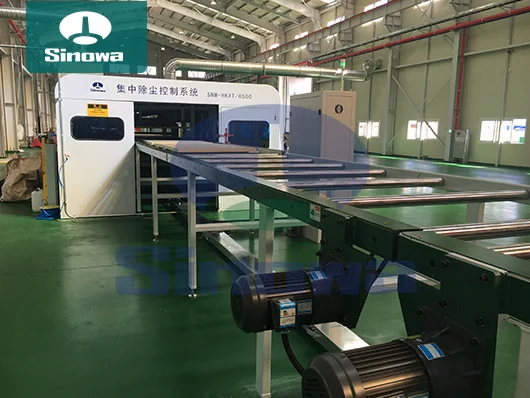
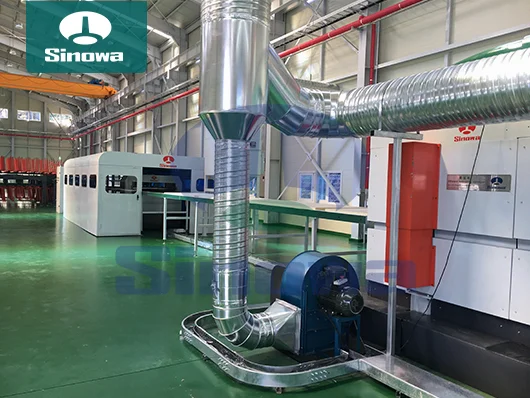
For more than ten years, relying on our innovative manufacturing concept and excellence in quality, reliable and trustworthy service to customers, we cooperate with customers all over the world, exported products to Canada, South Korea, Israel, Australia, the Middle East and other more than 20 countries and regions. contributed to building energy conservation and low-carbon production and have won widespread praise.
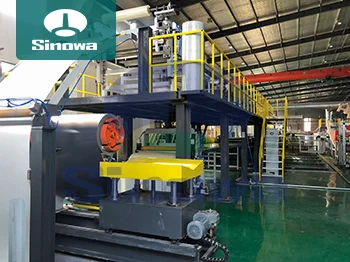
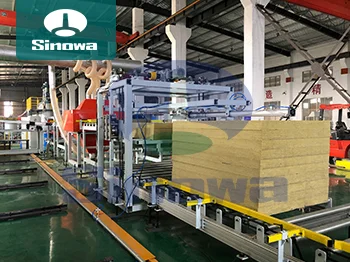
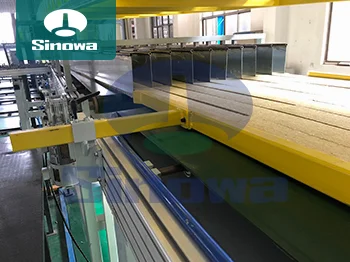
Sinowa has invested outstanding efforts in rockwool sandwich panel production line, this is why our products are more efficiency, quality, automatic control technology, environmental protection, energy consumption indicators and the appearance and safety protection are comprehensively leading, some subversive design changes in many major technical points, these major innovations make our products excellent in price/performance and user experience.
In the rapidly evolving landscape of global construction materials, rockwool sandwich panels have emerged as a pivotal component, valued for their exceptional fire resistance, thermal insulation, sound absorption, and structural stability. These panels, composed of a rockwool core sandwiched between two protective surface layers, have become indispensable in modern construction projects ranging from industrial warehouses and commercial buildings to prefabricated residences and public facilities. China, as a global leader in manufacturing and construction, has developed a sophisticated and comprehensive ecosystem for rockwool sandwich panel production lines, integrating advanced technology, efficient processes, and sustainable practices to meet both domestic demand and international standards. Over the past decade, the development of rockwool sandwich panel production lines in China has undergone remarkable transformation, shifting from manual and semi-automatic operations to fully automated, intelligent systems that ensure consistent quality, high efficiency, and reduced environmental impact. This evolution has not only elevated the quality of rockwool sandwich panels produced in China but also positioned the country as a key exporter of both the panels and the production technology, catering to the growing global demand for sustainable and high-performance building materials.
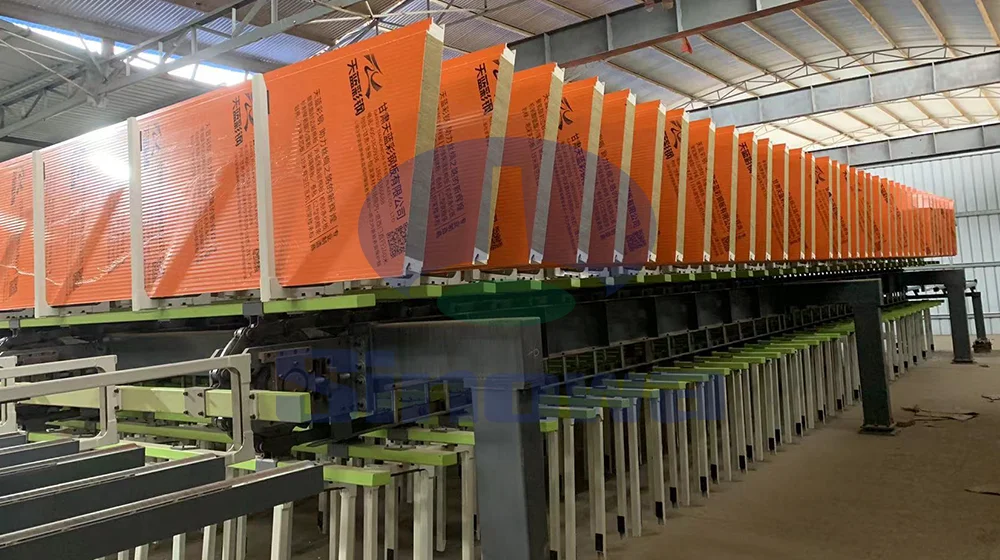
The foundation of a high-quality rockwool sandwich panel production line lies in the careful selection and preparation of raw materials, which directly determines the performance and durability of the final product. The core raw material for the sandwich panel is rockwool, a fibrous material derived from natural volcanic rock, primarily basalt, which is abundant in China’s mineral resources. Basalt, a volcanic silicate rock rich in silicon dioxide, aluminum oxide, and calcium oxide, is chosen for its high melting point, excellent fire resistance, and thermal insulation properties. Before entering the production process, basalt is crushed into uniform particles to ensure consistent melting efficiency. These particles are then transported to a melting furnace, where they are heated to temperatures exceeding 1500℃, transforming into a homogeneous molten magma. This high-temperature melting process not only breaks down the crystalline structure of the rock but also removes any residual impurities, ensuring the purity and quality of the final rockwool fibers. The molten magma is then discharged from the furnace and fed into a high-speed rotating centrifugal device, which stretches and shreds the magma into extremely fine fibers under the action of strong centrifugal force. During this fiber formation process, a small amount of binder and dust-proof oil is uniformly sprayed onto the fibers to enhance their cohesion and prevent dust generation, ensuring the safety and stability of the production process.
The surface layers of the rockwool sandwich panel, which provide structural support and protection to the rockwool core, are typically made of metal coils, most commonly color-coated steel or aluminum. These metal coils undergo a series of pre-processing steps before being integrated into the production line. First, the coils are uncoiled using a hydraulic uncoiling system equipped with automatic centering mechanisms to ensure stable and uniform feeding. The uncoiled metal sheets then pass through a cleaning device, which removes oil stains, dust, and other impurities from the surface using brush rollers and eco-friendly cleaning agents. This cleaning step is crucial for enhancing the adhesion between the metal surface and the adhesive, ensuring the integrity of the sandwich structure. After cleaning, the metal sheets are fed into a leveling machine to eliminate bending stress and ensure flatness, which is essential for the subsequent lamination process. Some production lines also include a film laminating device, which covers the metal surface with a protective film to prevent scratches and corrosion during transportation and installation. The pre-processed metal sheets are then fed into a roll forming machine, which gradually shapes the flat sheets into the desired cross-sectional profile through a series of precision rollers. The roll forming process can be adjusted to produce different surface textures, such as flat, ripple, corrugated, or embossed, to meet the diverse design requirements of different construction projects.
The core of the rockwool sandwich panel production line is the integration process, where the pre-processed rockwool core and metal surface layers are bonded together to form a single, integrated panel. This process begins with the rockwool core being cut to the required thickness and width using a high-precision CNC cutting machine, with tolerance controlled within ±0.5mm to ensure uniformity. The cut rockwool core is then transported to the adhesive application unit, where a two-component adhesive is uniformly sprayed onto both sides of the core. The adhesive is carefully formulated to ensure strong bonding between the rockwool and the metal surface layers, while also maintaining the fire resistance and environmental performance of the final product. Modern production lines use automatic spraying systems with metering pumps to precisely control the adhesive ratio and dosage, avoiding waste and ensuring consistent bonding quality. After the adhesive is applied, the rockwool core is fed into the lamination and pressing system, where it is sandwiched between the upper and lower metal surface layers. The entire assembly is then passed through a series of hot pressing rollers, which apply uniform pressure and temperature to cure the adhesive and bond the three layers together. The temperature and pressure during the hot pressing process are carefully controlled to ensure that the adhesive fully cures, forming a strong and stable bond that can withstand harsh environmental conditions and mechanical stress.
After the lamination process, the continuous panel is fed into a cutting system, which cuts the panel into the required length using an automatic tracking band saw or CNC cutting machine. The cutting system is equipped with precise positioning sensors to ensure accurate cutting, with minimal material waste. The cut panels are then transported to a stacking system, where they are automatically stacked in an orderly manner, ready for packaging and transportation. The stacking system uses a combination of conveyor belts and robotic arms to handle the panels gently, avoiding damage to the surface or structure. Some advanced production lines also include a packaging system, which wraps the stacked panels in waterproof and dust-proof packaging materials to protect them during transportation and storage. Throughout the entire production process, a central control system monitors and controls each step, ensuring that all parameters, such as temperature, pressure, speed, and adhesive dosage, are maintained within the optimal range. The central control system is equipped with a human-machine interface, allowing operators to monitor production status, adjust parameters, and troubleshoot issues in real time. Many modern production lines also integrate internet of things (IoT) technology, enabling remote monitoring and control of the production process, which improves operational efficiency and reduces the need for on-site personnel.
One of the key characteristics of rockwool sandwich panel production lines in China is their modular design, which provides high flexibility and adaptability to meet diverse production needs. The modular design allows different components of the production line to be integrated and combined at will, enabling manufacturers to adjust the production process to produce different types of rockwool sandwich panels, such as wall panels, roof panels, cold storage panels, and fire isolation panels. This flexibility is particularly important in the modern construction industry, where different projects have varying requirements for panel thickness, width, length, and surface profile. For example, a production line can be easily reconfigured to produce panels with core thickness ranging from 50mm to 150mm, and surface widths from 500mm to 1000mm, without significant downtime or equipment modification. The modular design also simplifies maintenance and upgrades, as individual components can be replaced or upgraded without affecting the entire production line, reducing maintenance costs and improving overall equipment reliability.
In recent years, there has been a growing emphasis on sustainability and environmental protection in the manufacturing industry, and rockwool sandwich panel production lines in China have responded to this trend by adopting a range of eco-friendly technologies and practices. Rockwool itself is a sustainable material, as it is made from natural volcanic rock, a renewable resource, and is 100% recyclable. The production process has also been optimized to reduce energy consumption and environmental impact. For example, many production lines now use high-efficiency motors and variable frequency drives to reduce electricity consumption, and waste heat recovery systems to reuse the heat generated during the melting process, reducing energy waste. In addition, the adhesive used in the production process is increasingly being replaced with bio-based, low-VOC (volatile organic compound) adhesives, which are more environmentally friendly and safer for human health. Dust collection systems are also installed throughout the production line to capture and treat dust generated during the rockwool processing and cutting stages, ensuring a clean and safe working environment and reducing air pollution. These sustainable practices not only help manufacturers comply with increasingly strict environmental regulations but also enhance the market competitiveness of their products, as global customers increasingly prioritize eco-friendly building materials.
The development of rockwool sandwich panel production lines in China has also been driven by the growing demand for prefabricated buildings, which have become a key trend in the global construction industry. Prefabricated buildings offer numerous advantages over traditional on-site construction, including faster construction speed, lower labor costs, higher quality control, and reduced environmental impact. Rockwool sandwich panels are an ideal material for prefabricated buildings, as they are lightweight, easy to install, and offer excellent performance in fire resistance, thermal insulation, and sound absorption. As a result, the demand for rockwool sandwich panels in China’s prefabricated construction sector has grown rapidly, driving the expansion and upgrading of production lines. Many production lines are now designed specifically to meet the needs of prefabricated building manufacturers, with the ability to produce large-scale, customized panels that can be quickly assembled on-site. This integration of rockwool sandwich panel production lines with prefabricated construction has not only accelerated the development of both industries but also contributed to the modernization of China’s construction sector.
Another important aspect of rockwool sandwich panel production lines in China is their focus on technological innovation and quality control. Over the past decade, Chinese manufacturers have invested heavily in research and development to improve the technology and performance of their production lines. This has led to the development of fully automatic production lines that minimize human intervention, reduce errors, and ensure consistent product quality. For example, the integration of artificial intelligence (AI) and big data analytics into the central control system allows for real-time analysis of production data, prediction of potential equipment failures, and optimization of production parameters to improve efficiency and product quality. AI algorithms can adjust parameters such as temperature, pressure, and adhesive dosage based on real-time production data, ensuring that each panel meets the required standards. Big data analytics also helps manufacturers better understand market demand, enabling them to adjust production plans more effectively and reduce inventory costs.
Quality control is a critical component of rockwool sandwich panel production lines in China, with strict quality inspection procedures implemented at every stage of the production process. Raw materials are subject to rigorous testing to ensure they meet the required standards for chemical composition, physical properties, and purity. During the production process, samples are taken regularly to test the thickness, density, adhesive strength, fire resistance, thermal conductivity, and sound insulation performance of the panels. The final products are also inspected for surface quality, dimensional accuracy, and structural integrity before being shipped. This strict quality control ensures that rockwool sandwich panels produced in China meet the highest international standards, making them suitable for use in a wide range of construction projects around the world. As a result, China has become a major exporter of rockwool sandwich panels, with products exported to Europe, Asia, Africa, and South America, among other regions.
Looking to the future, the development of rockwool sandwich panel production lines in China is expected to focus on several key trends. One of the most important trends is the further integration of intelligent technologies, such as AI, IoT, and robotics, to achieve fully autonomous production. This will not only improve production efficiency and product quality but also reduce labor costs and improve workplace safety. Another trend is the development of more eco-friendly production technologies, such as the use of renewable energy sources (e.g., solar power) to power production lines, and the development of new, more sustainable raw materials and adhesives. This will help reduce the environmental footprint of the production process and meet the growing global demand for sustainable building materials. In addition, there will be a growing focus on improving the flexibility and customization capabilities of production lines, allowing manufacturers to quickly adapt to changing market demands and produce highly customized panels for specific projects. The development of new rockwool core materials with enhanced properties, such as higher thermal insulation efficiency, better mechanical strength, and lower weight, will also drive the upgrading of production lines, as manufacturers will need to adapt their equipment to process these new materials.
The growth of the global construction industry, particularly in emerging markets, is also expected to drive the demand for rockwool sandwich panels and their production lines. As countries around the world invest in infrastructure development, urbanization, and sustainable construction, the demand for high-performance, eco-friendly building materials will continue to rise. China, with its advanced production technology, efficient production lines, and competitive advantages, is well-positioned to meet this growing demand and maintain its leading position in the global rockwool sandwich panel market. The continuous innovation and upgrading of rockwool sandwich panel production lines in China will not only benefit the domestic construction industry but also contribute to the global transition towards more sustainable and efficient construction practices.
In conclusion, the rockwool sandwich panel production line industry in China has undergone significant development over the past decade, evolving from manual operations to fully automated, intelligent systems that prioritize quality, efficiency, and sustainability. The industry’s success is driven by the abundant availability of raw materials, continuous technological innovation, strict quality control, and the growing demand for prefabricated and sustainable buildings. With a focus on intelligent upgrading, environmental protection, and customization, China’s rockwool sandwich panel production lines are well-equipped to meet the evolving needs of the global construction industry. As the industry continues to innovate and expand, it will play an increasingly important role in promoting the development of sustainable construction materials and practices around the world, solidifying China’s position as a global leader in manufacturing and construction technology.
« Rockwool Sandwich Panel Production Line In China » Update Date: 2026/4/16
- Rock Wool Sandwich Panel Machine On Sales
- Rock Wool Sandwich Panel Machine For Wall
- High-end Automatic Rock Wool Production Line
- High-quality Sandwich Panel Rock Wool Production Line
- Rock Wool Sandwich Panel Machine For Clean Room
- High-tech Mineral Wool Board Production Line
- Mineral Wool Sandwich Panel Production Line For Cold Storage
- Sandwich Panel Rock Wool Production Line On Sales
- Cheap Rock Wool Line
- Mineral Wool Sandwich Panel Line Manufacturer
- Low Price Rockwool Machine
- Rockwool Insulated Panel Manufacturing Line
- Mineral Wool Sandwich Panel Machine Design
- Rock Wool Sandwich Panel Production Line For Wall
- Customized Mineral Wool Production Line
- High-end Rockwool Sandwich Panel Machine
- Rock Wool Sandwich Panel Machine Factory
- High-quality Rock Wool Line
- Rockwool Machine Factory
- Rock Wool Board Production Line For Wall
- Links:
- Sandwich Panel Continuous Production Line
- Automatic and Continuous Sandwich Panel Production Line
- Cheap and Low Price Sandwich Panel Production Line
- China Sandwich Panel Production Line Factory
- Color Steel Sandwich Panel Production Line For Cold Storage
- Continuous Composite Foam Sandwich Panel Production Line
- Continuous Production Line For Rockwool and Mineral Wool Sandwich Panels
- Continuous PU Phenolic Insulation Panel Production Line
- Continuous PU PIR Sandwich Panel Production Line
- Continuous PUF PUR Sandwich Panel Production Line
- Continuous Sandwich Panel Production Line For Roof and Wall
- Customized and Design Sandwich Panel Production Line
- Decorative Sandwich Panel Production Line For Glass Wool Boards
- High Quality Sandwich Panel Production Line For Sale
- Polyurethane(PU) Sandwich Panel Production Line
- Sandwich Panel Production Line Manufacturer and Supplier