
Rockwool Sandwich Panel Production Line For Sale
Sinowa is a well-known manufacturer and technical service provider of high-end rockwool sandwich panel production line, learn more about rockwool sandwich panel production line for sale, please contact Sinowa's technical engineer, tell us what you need, we will contact you as soon as possible!
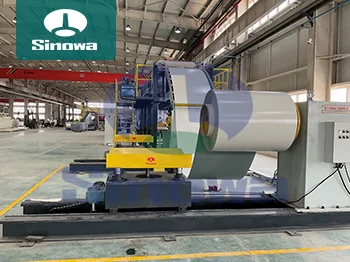
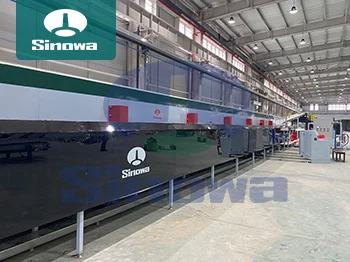
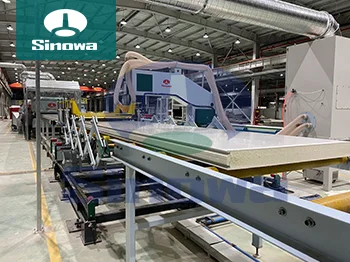
Sinowa is committed to the development and manufacturing of high-end and high-efficiency rockwool sandwich panel production line. Our rockwool sandwich panel production line are leading the way in efficiency, automatic control, human-computer interaction, environmental protection and energy consumption. Using system integration and bus control technology, it realizes the automatic integrated linkage control of the entire rockwool sandwich panel production line, and can achieve remote interactive communication, which has the world-class level and a comprehensive leading high-performance rockwool sandwich panel production line in the market.
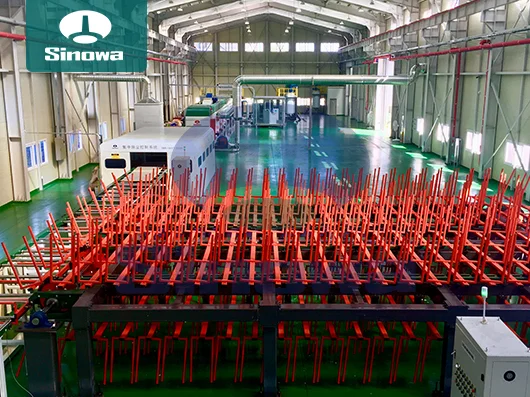
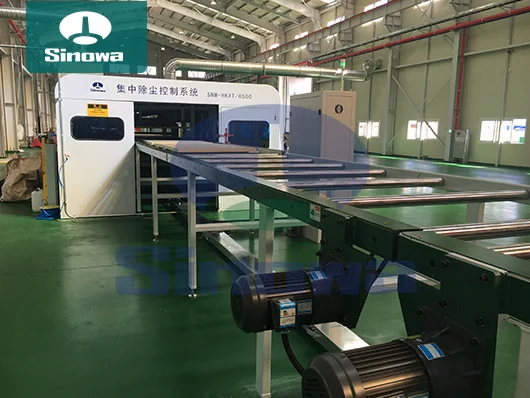
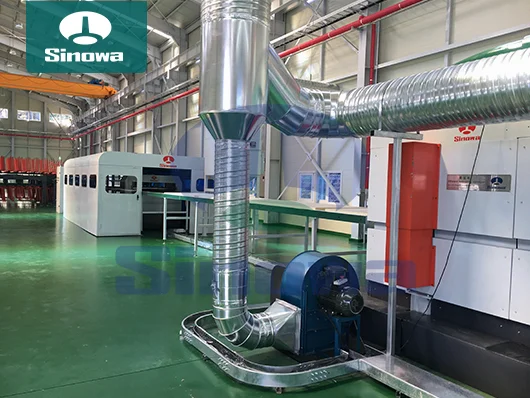
For more than ten years, relying on our innovative manufacturing concept and excellence in quality, reliable and trustworthy service to customers, we cooperate with customers all over the world, exported products to Canada, South Korea, Israel, Australia, the Middle East and other more than 20 countries and regions. contributed to building energy conservation and low-carbon production and have won widespread praise.
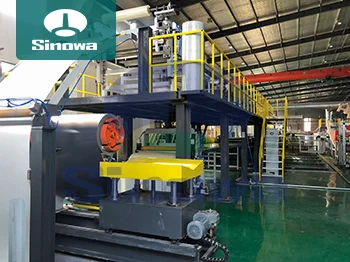
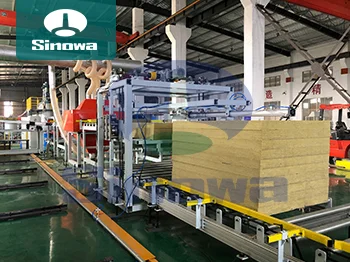
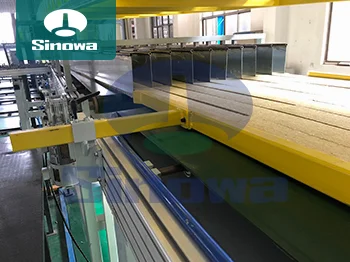
Sinowa has invested outstanding efforts in rockwool sandwich panel production line, this is why our products are more efficiency, quality, automatic control technology, environmental protection, energy consumption indicators and the appearance and safety protection are comprehensively leading, some subversive design changes in many major technical points, these major innovations make our products excellent in price/performance and user experience.
The global construction industry continues to pursue efficient, durable, and energy-saving building materials, driving steady market demand for composite insulation panels. Among various insulation panel products, rockwool sandwich panels stand out for their excellent thermal insulation, sound absorption, and fire resistance properties, making them widely applicable in industrial workshops, public buildings, cold storage facilities, and temporary construction enclosures. To meet the growing market consumption demand, automated production equipment for such panels has become a core investment choice for building materials manufacturers. A complete rockwool sandwich panel production line represents a systematic industrial solution that integrates raw material processing, surface forming, bonding composite, and finished product shaping, delivering stable and high-efficiency panel manufacturing capabilities for production enterprises. With the continuous upgrading of industrial manufacturing technology, modern production lines have abandoned cumbersome manual operation modes and realized continuous automated production, effectively optimizing production efficiency and product uniformity while reducing comprehensive production costs.
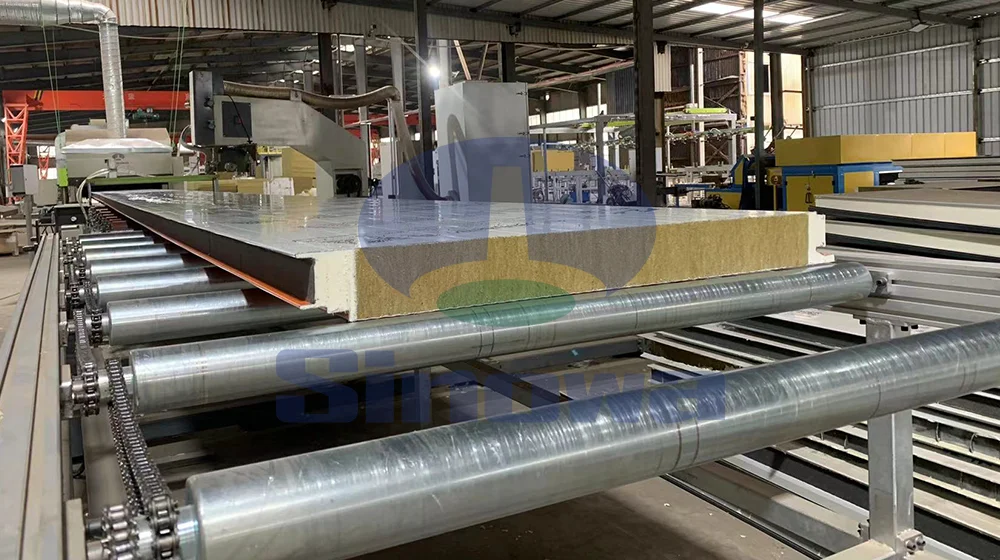
A mature rockwool sandwich panel production line consists of multiple interconnected functional units, each undertaking an independent production task and coordinating with other units to form a closed-loop production process. The overall structural design focuses on operational stability, production flexibility, and easy maintenance, adapting to different production environments and raw material specifications. The front-end part of the production line is mainly responsible for the feeding and pretreatment of raw materials, including metal sheet unwinding equipment and rockwool core material conveying devices. Metal sheets used for panel surfaces are usually stored in rolled forms, and the unwinding unit can achieve smooth and continuous sheet discharging through mechanical damping and synchronous speed control. This unit avoids material stretching and deformation caused by uneven tension during unwinding, laying a foundation for the flatness of subsequent finished panels. Meanwhile, the rockwool core material conveying structure is equipped with adaptive positioning components, which can accurately transport rockwool strips of different densities and thicknesses to the composite station, ensuring the orderly supply of core materials throughout the production process.
After the raw material feeding procedure, the metal sheet will enter the surface forming and pressing unit, which is a key link to determine the surface texture and structural strength of the sandwich panel. This unit adopts multi-stage rolling and pressing structures, and the internal roller sets are arranged in an orderly gradient manner. Through gradual mechanical pressure adjustment, the flat metal sheet is pressed into preset groove and rib structures. These structural designs not only enhance the surface three-dimensional texture of the panel but also significantly improve the overall compressive resistance and bending resistance of the finished product. The gap between the roller sets can be adjusted freely according to production requirements, realizing flexible switching of panel specifications. In the rolling process, the equipment maintains a constant operating speed, and the synchronous transmission system ensures that the feeding speed of metal sheets matches the operating rhythm of subsequent processes, avoiding material accumulation or transmission lag. In addition, the surface of the forming roller is treated with anti-wear and anti-corrosion processes to reduce metal friction damage during long-term operation and extend the service life of mechanical components.
Gluing treatment is an indispensable core process in the production of rockwool sandwich panels, which directly affects the bonding firmness and service life between the metal surface layer and the rockwool core material. The automated gluing system configured in the production line adopts precise quantitative gluing technology, abandoning the traditional manual gluing method with uneven glue application. The system can intelligently adjust the glue application amount and coating speed according to the thickness of the core material and the production speed, forming a uniform and dense glue layer on the inner surface of the metal sheet. The internal circulating conveying pipeline of the gluing equipment ensures the fluidity of the adhesive, avoiding glue solidification and blockage during intermittent production. Moreover, the gluing unit is equipped with an automatic cleaning structure, which can regularly clean the glue nozzle and conveying pipeline to prevent residual adhesive from affecting the gluing accuracy of subsequent production batches. The scientific gluing process enables the composite interface of the panel to maintain stable bonding performance in different temperature and humidity environments, effectively preventing degumming and layering during long-term use.
The composite pressing unit is the central part of the entire production line, completing the fitting and preliminary shaping of metal sheets and rockwool core materials. After the glued metal sheet and rockwool core material are accurately aligned by the positioning device, they enter the pressing area synchronously. The pressing unit adopts a multi-group hydraulic pressure structure, which can provide stable and uniform vertical pressure. The pressure value can be dynamically adjusted according to the density of the rockwool material and the thickness of the finished panel, ensuring that the core material is tightly bonded to the surface layer without excessive extrusion deformation of the rockwool fiber structure. The internal temperature control system of the pressing equipment maintains a constant working temperature, which accelerates the curing reaction of the adhesive and shortens the composite shaping cycle. During the pressing process, the synchronous correction device continuously monitors the fitting deviation of the materials, and automatically adjusts the horizontal position of the materials through the servo drive system to ensure the alignment accuracy of the upper and lower surface layers and the middle core material, with the deviation controlled within a tiny range. This precision pressing method effectively improves the overall flatness and structural consistency of the finished panels.
Following the composite pressing process, the semi-finished panels enter the curing and heat preservation unit to complete the final shaping of the adhesive. The curing space adopts a fully enclosed thermal insulation structure, and the internal hot air circulation system makes the temperature distribution uniform in the curing area. The graded temperature control mode is adopted in the curing stage, which realizes low-temperature pre-curing and high-temperature deep curing. This gradual heating method avoids the quality problems such as bubble generation and internal stress concentration caused by rapid temperature changes inside the panel. The curing time can be intelligently set according to the adhesive type and panel thickness to ensure that the adhesive is completely cured, forming a stable integrated composite structure. Panels after curing treatment have stronger structural stability, and the bonding interface can resist external environmental erosion such as temperature difference change and humid corrosion, meeting the long-term use requirements of various construction scenarios.
The cutting and edge-sealing unit undertakes the finishing processing of semi-finished panels, realizing fixed-length cutting and edge trimming of continuous composite plates. The high-precision cutting mechanism uses mechanical positioning and servo control technology to complete horizontal and vertical cutting actions. The cutting speed is synchronized with the operating speed of the front-end production line, realizing non-stop continuous cutting and effectively improving production continuity. The cutting blade is made of high-hardness wear-resistant materials, which can keep the cutting edge smooth and burr-free after long-term repeated cutting. The edge-sealing process can neatly trim the exposed rockwool fiber parts at the panel section, and complete the edge reinforcement treatment to prevent the rockwool core material from falling off and moisture penetration. After edge sealing, the panel section is flat and compact, which not only improves the aesthetic degree of the product but also enhances the overall sealing performance and durability of the panel.
The final link of the production line is the automatic stacking and discharging unit, which completes the orderly collection and arrangement of finished panels. This unit adopts a double-station alternating stacking structure. While one station completes stacking and positioning, the other station receives newly produced panels, realizing uninterrupted continuous discharging and matching the high-speed production rhythm of the front-end equipment. Equipped with an intelligent alignment correction device, the stacking equipment can accurately adjust the placement position of each panel through dynamic positioning calculation, ensuring that the stacked panels are neatly arranged without offset or inclination. The stacked finished panels have uniform spacing and stable stacking structure, which is convenient for subsequent manual packaging, transportation and storage. The automated stacking mode replaces manual carrying and sorting, greatly reducing labor input, lowering the labor intensity of workers, and avoiding panel surface scratches and deformation caused by manual mishandling.
In terms of control system configuration, modern rockwool sandwich panel production lines adopt integrated programmable control technology, equipped with intuitive human-computer interaction touch screens. All production parameters including feeding speed, gluing dosage, pressing pressure, curing temperature and cutting length can be directly set and adjusted on the control interface. The system has an automatic data recording function, which can record the parameter data of each production batch to facilitate production quality tracking and parameter optimization. In addition, the intelligent monitoring system can monitor the operating status of each functional unit in real time. When abnormal conditions such as material jamming, equipment overload and parameter deviation occur, the system will automatically trigger an early warning mechanism and perform safe shutdown operations to avoid equipment damage and product quality defects. The simplified control logic reduces the operation difficulty of workers, and employees can master the operation essentials after simple training, lowering the technical threshold for enterprise production.
In terms of mechanical performance design, the production line takes durability and energy-saving performance into full consideration. The main frame of the equipment is welded with high-strength metal materials, with stable structural rigidity and strong shock resistance, which can maintain stable operating conditions in long-term continuous working environments. The transmission parts are equipped with wear-resistant and noise-reducing accessories, which reduce mechanical friction loss and operating noise during equipment operation. The optimized power distribution system reasonably allocates the energy consumption of each unit, avoiding unnecessary energy waste caused by idle operation of the equipment. Meanwhile, the equipment reserves flexible adjustment space for specifications, which can adapt to rockwool core materials with different density ranges and panels with different thickness sizes. This wide compatibility enables a single production line to meet the diversified production needs of the market and improve the comprehensive utilization rate of equipment.
For investors in the building materials industry, purchasing a complete rockwool sandwich panel production line has significant industrial value and economic advantages. First of all, the highly automated production mode greatly improves production efficiency. The continuous assembly line operation realizes seamless connection of each process, effectively shortening the single-panel production cycle and enabling enterprises to complete large-scale order production tasks in a short time. Secondly, the standardized production process ensures stable product quality. The unified parameter setting and precise mechanical processing eliminate quality differences caused by manual operation, making the thermal insulation, fire resistance and structural strength of each batch of panels keep a consistent high level. In addition, the integrated equipment design reduces the occupied space of the production line, which is convenient for enterprises to carry out factory layout and daily management.
In terms of later operation and maintenance, the structural design of the production line follows the principle of easy maintenance. Each functional unit adopts a modular split structure, which is convenient for staff to disassemble, inspect and replace vulnerable parts. The key mechanical components are equipped with protective shells and dust-proof structures to reduce the erosion of dust and debris in the production environment on the equipment. The regular maintenance cycle of the equipment is clear, and the daily maintenance work such as lubricating transmission parts and cleaning the gluing system can be completed quickly without complicated professional operations. Simple maintenance procedures reduce the later operation cost of the equipment and extend the overall service life of the production line. For production enterprises, this low-maintenance operation mode can effectively control long-term operating expenses and improve economic benefits.
From the perspective of market development trend, with the continuous improvement of global building energy conservation standards and the acceleration of infrastructure construction in various regions, the market demand for high-performance rockwool sandwich panels will continue to rise. As the core production equipment, the automated production line has broad market application prospects. It can not only meet the mass production needs of large building materials factories, but also adapt to the flexible production mode of small and medium-sized processing enterprises. The produced panels are suitable for multiple application scenarios such as industrial plant enclosure walls, clean workshop partitions, urban public buildings, and low-temperature storage warehouses. Driven by environmental protection and energy-saving policies, rockwool sandwich panels, as green and environmentally friendly building materials without harmful substances, will gradually replace traditional single building materials, bringing broader market development space for equipment investors.
When selecting a rockwool sandwich panel production line for investment, purchasers need to comprehensively evaluate the structural rationality, automation level, operation stability and maintenance convenience of the equipment. It is necessary to select production lines with reasonable process layout and smooth unit connection to ensure the fluency of the production process. At the same time, attention should be paid to the adaptive capacity of the equipment for raw materials and specifications, so as to cope with the changing market product demands. In addition, the safety protection design of the equipment cannot be ignored. Perfect safety interlocking and early warning mechanisms can ensure the safety of production operators and avoid production accidents. A high-quality production line can help enterprises stabilize product quality, shorten production cycles, reduce comprehensive costs, and thus establish a good competitive advantage in the building materials market.
To sum up, the modern rockwool sandwich panel production line is an efficient, stable and flexible industrial production equipment. It integrates multiple advanced production technologies to realize the automated and standardized manufacturing of rockwool sandwich panels. From raw material feeding to finished product stacking, each production link is precisely controlled by mechanical equipment and intelligent systems, ensuring excellent product performance and stable quality. With the booming development of the construction industry and the continuous upgrading of environmental protection and energy-saving requirements, this type of production line will become one of the mainstream investment equipments in the field of building thermal insulation materials. For industrial investors who intend to step into the building materials manufacturing industry or expand production scale, a high-quality rockwool sandwich panel production line is a reliable investment choice, which can create stable and long-term economic benefits for enterprises with its excellent production performance and wide market adaptability.
« Rockwool Sandwich Panel Production Line For Sale » Update Date: 2026/5/8
- Rockwool Production Line Design
- Mineral Wool Sandwich Panel Machine Factory
- Rock Wool Board Production Line For House
- Low Price Rock Wool Sandwich Panel Line
- High-quality Automatic Rock Wool Production Line
- Rockwool Sandwich Panel Production Line On Sales
- Rock Wool Board Production Line For Building
- High-tech Fully Automatic Rock Wool Sandwich Panel Machine
- High-tech Rock Wool Panel Production Line
- Low Price Fully Automatic Rock Wool Sandwich Panel Production Line
- Customized Rockwool Production Line
- Rock Wool Sandwich Panel Machine For Construction
- Rock Wool Sandwich Panel Machine For House
- Rock Wool Sandwich Panel Machine For Building
- Rockwool Sandwich Panel Production Line For Cold Storage
- High-tech Mineral Wool Line
- Mineral Wool Sandwich Panel Machine For Cold Storage
- High-quality Rockwool Sandwich Panel Production Line
- Rock Wool Sandwich Panel Machine For Roof
- Rock Wool Production Line For Sale
- Links:
- Sandwich Panel Continuous Production Line
- Automatic and Continuous Sandwich Panel Production Line
- Cheap and Low Price Sandwich Panel Production Line
- China Sandwich Panel Production Line Factory
- Color Steel Sandwich Panel Production Line For Cold Storage
- Continuous Composite Foam Sandwich Panel Production Line
- Continuous Production Line For Rockwool and Mineral Wool Sandwich Panels
- Continuous PU Phenolic Insulation Panel Production Line
- Continuous PU PIR Sandwich Panel Production Line
- Continuous PUF PUR Sandwich Panel Production Line
- Continuous Sandwich Panel Production Line For Roof and Wall
- Customized and Design Sandwich Panel Production Line
- Decorative Sandwich Panel Production Line For Glass Wool Boards
- High Quality Sandwich Panel Production Line For Sale
- Polyurethane(PU) Sandwich Panel Production Line
- Sandwich Panel Production Line Manufacturer and Supplier