
Continuous PU Sandwich Panel Line For Building
Sinowa is a well-known manufacturer and technical service provider of high-end continuous pu sandwich panel line, learn more about continuous pu sandwich panel line for building, please contact Sinowa's technical engineer, tell us what you need, we will contact you as soon as possible!
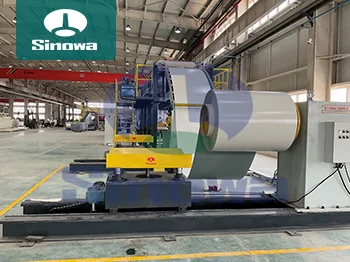
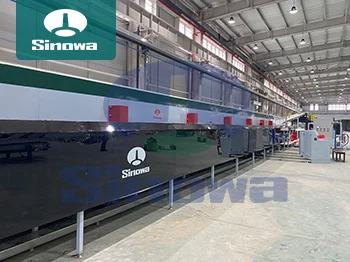
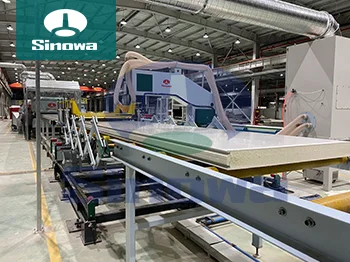
Sinowa is committed to the development and manufacturing of high-end and high-efficiency continuous pu sandwich panel line. Our continuous pu sandwich panel line are leading the way in efficiency, automatic control, human-computer interaction, environmental protection and energy consumption. Using system integration and bus control technology, it realizes the automatic integrated linkage control of the entire continuous pu sandwich panel line, and can achieve remote interactive communication, which has the world-class level and a comprehensive leading high-performance continuous pu sandwich panel line in the market.
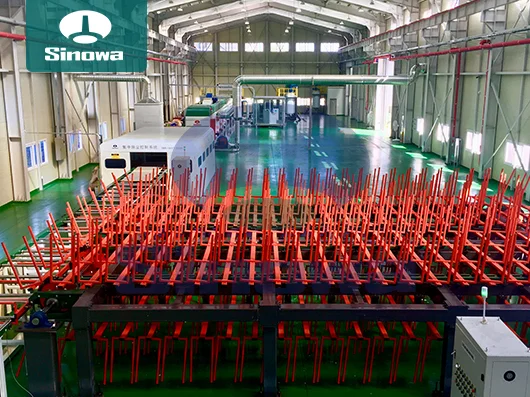
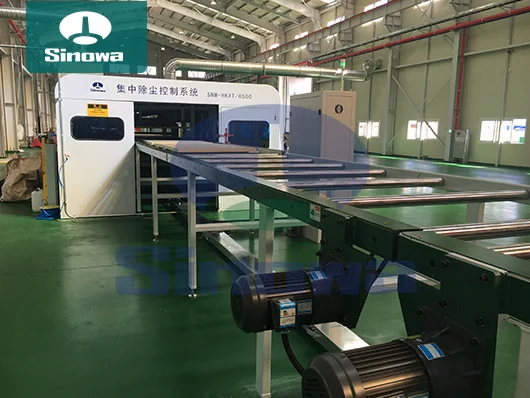
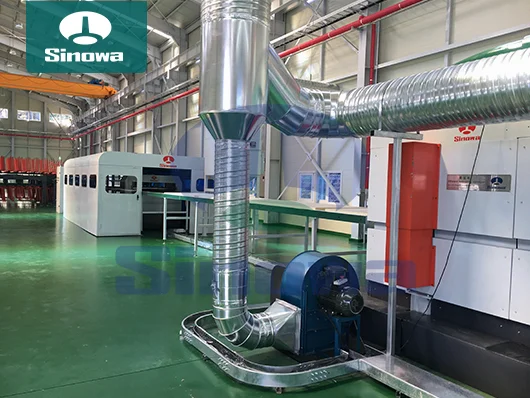
For more than ten years, relying on our innovative manufacturing concept and excellence in quality, reliable and trustworthy service to customers, we cooperate with customers all over the world, exported products to Canada, South Korea, Israel, Australia, the Middle East and other more than 20 countries and regions. contributed to building energy conservation and low-carbon production and have won widespread praise.
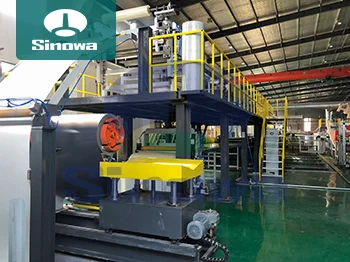
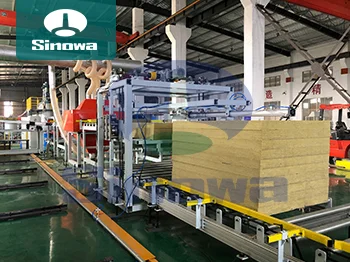
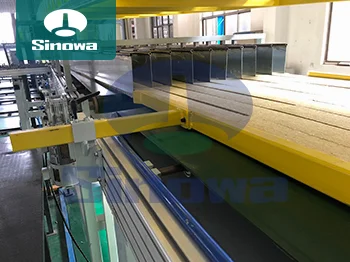
Sinowa has invested outstanding efforts in continuous pu sandwich panel line, this is why our products are more efficiency, quality, automatic control technology, environmental protection, energy consumption indicators and the appearance and safety protection are comprehensively leading, some subversive design changes in many major technical points, these major innovations make our products excellent in price/performance and user experience.
In the evolving landscape of modern construction, the pursuit of energy efficiency, structural integrity, and construction efficiency has driven significant innovations in building materials and production technologies. Among these advancements, the continuous PU sandwich panel line stands out as a pivotal production system, enabling the mass manufacturing of high-performance polyurethane (PU) sandwich panels that have become indispensable in contemporary building projects. These panels, characterized by their unique three-layer structure—comprising two outer facings and a PU foam core—offer an exceptional combination of thermal insulation, structural strength, and versatility, making them suitable for a wide range of applications from industrial warehouses and cold storage facilities to commercial buildings and modular housing. The continuous production line that manufactures these panels represents a synthesis of precision engineering, automated control systems, and material science, ensuring consistent quality, high production capacity, and adaptability to diverse construction needs.
The fundamental working principle of a continuous PU sandwich panel line revolves around the seamless integration of multiple processes, from raw material preparation and feeding to foam mixing, lamination, curing, and final cutting. At the core of this system is the precise metering and mixing of PU foam components, which are then uniformly distributed between two moving facings before undergoing controlled foaming and curing to form a solid composite panel. Unlike discontinuous production methods that handle materials in batches and require frequent line stops for cutting and assembly, continuous lines operate with a steady flow of materials, allowing for high-volume production and consistent product quality. This continuous operation not only enhances production efficiency but also minimizes material waste, as the entire process is optimized for consistent layer thickness, foam density, and bonding strength between the core and facings.
The typical configuration of a continuous PU sandwich panel line consists of several interconnected subsystems, each playing a critical role in the production process. The line begins with the uncoiling and preprocessing of facing materials, which can include metal sheets (such as galvanized or color-coated steel), non-metallic sheets, or flexible materials like paper, foil, or films depending on the intended application of the panel. Dual uncoilers are commonly used to handle the upper and lower facings simultaneously, equipped with servo-driven edge alignment systems to ensure precise positioning of the materials as they enter the production line. This alignment is crucial to prevent uneven panel edges and ensure consistent width throughout the production process. Following uncoiling, the facings pass through preheating devices, which raise their temperature to an optimal level for enhancing the bonding strength with the PU foam core. The preheating temperature is carefully controlled based on the type of facing material and the properties of the PU foam, typically ranging between 60°C and 80°C to promote better adhesion without damaging the facing material.
After preprocessing, the facings move forward to the foaming and lamination section, which is the heart of the continuous production line. In this section, two key components of PU foam—polyol and isocyanate—along with additives such as catalysts, foaming agents, flame retardants, and curing agents, are precisely metered by high-pressure pumps. The metering system ensures that the components are mixed in the correct ratio, a critical factor in determining the final properties of the PU foam core, such as density, thermal conductivity, and mechanical strength. The metered components are then fed into a high-speed mixing head, where they undergo intense agitation to achieve a homogeneous mixture. The mixing head is mounted on a traversing distribution car, which evenly spreads the foam mixture onto the lower facing material as it moves continuously along the production line.
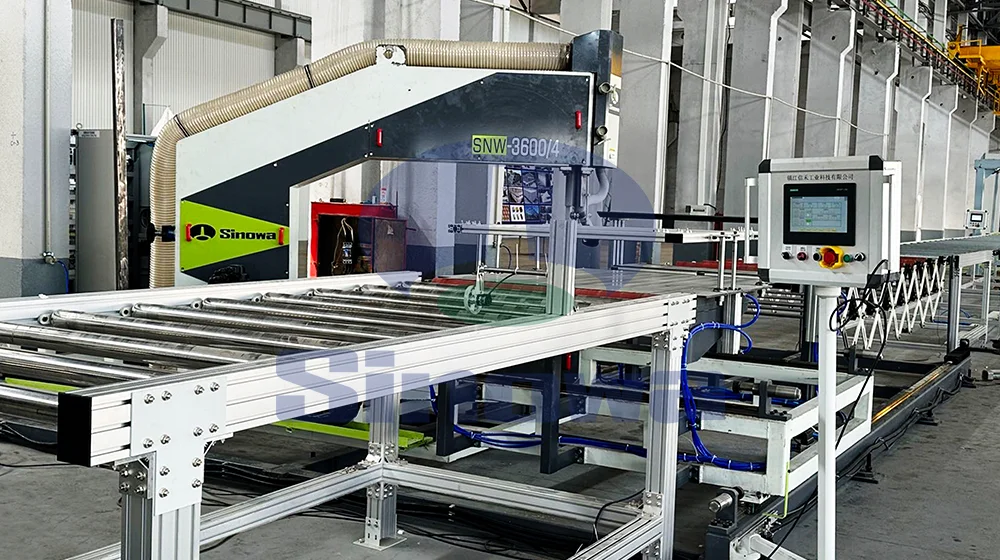
As the lower facing with the distributed foam mixture advances, the upper facing is brought into contact with the foam, and both facings enter a double-track laminating conveyor. This conveyor consists of two parallel endless belts—top and bottom—that apply uniform pressure to the sandwich structure as it moves forward. Simultaneously, the conveyor is equipped with heating systems, such as hot air circulation or heated belt plates, which maintain a controlled temperature environment to facilitate the foaming and curing of the PU core. The foaming process occurs between the two facings, with the PU mixture expanding to fill the entire space between them and bonding firmly to both surfaces. The double-track conveyor ensures that the expanding foam is contained within the desired thickness, preventing irregularities and ensuring a flat, uniform panel surface. The length of the laminating conveyor is designed to provide sufficient time for the foam to fully cure and solidify before the panel exits the system, typically ranging from 20 to 30 meters to accommodate the curing time required for PU foam.
Once the PU core has fully cured, the continuous panel moves to the post-processing section, where it undergoes edge trimming and precision cutting. Side trimming machines remove any excess material from the edges of the panel, ensuring that the width meets the required specifications—common panel widths include 1000mm and 1200mm, though the line can be adjusted to accommodate custom widths. Following trimming, an automatic tracking cross-cutting saw cuts the continuous panel into individual sheets of predetermined lengths, which can range from 2 meters to 14 meters or more depending on customer requirements. The cross-cutting saw is equipped with sensors that track the movement of the panel, ensuring precise cutting without stopping the production line, thus maintaining the continuous flow of output. After cutting, the finished panels are conveyed to a stacking and packaging system, where they are neatly stacked and wrapped for storage and transportation. Some advanced lines may also include additional post-processing features, such as surface finishing, edge profiling, or drilling, to meet specific application needs.
The performance and efficiency of a continuous PU sandwich panel line are influenced by several key technical parameters, including production speed, panel thickness range, and energy consumption. Production speeds typically range from 4 meters per minute to 60 meters per minute, with high-capacity lines capable of producing up to 4300 square meters of panels per hour for 50mm thick panels. The line can accommodate panel thicknesses from 20mm to 200mm or more, allowing for the production of panels with varying thermal insulation properties to suit different climate conditions and building requirements. Energy consumption is another important parameter, with modern lines designed to be energy-efficient, incorporating features such as heat recovery systems and variable-frequency drives to optimize power usage. The overall dimensions of the production line can vary depending on its capacity and configuration, with typical lengths ranging from 60 meters to 80 meters, widths from 3 meters to 5 meters, and heights from 3 meters to 4 meters.
One of the primary advantages of continuous PU sandwich panel lines is their ability to produce panels with consistent quality and performance. The automated control systems integrated into the line monitor and adjust key process parameters in real-time, such as the mixing ratio of foam components, temperature in the laminating conveyor, and tension of the facing materials. This precise control ensures that each panel has a uniform foam density, consistent bonding between the core and facings, and accurate dimensions, reducing the risk of defects and ensuring that the panels meet the structural and thermal requirements of building projects. Additionally, the continuous production process minimizes material waste, as the line is designed to use raw materials efficiently, with minimal scrap generated during trimming and cutting.
Another significant benefit of continuous production lines is their high production capacity, which makes them ideal for large-scale building projects and mass production of modular components. In contrast to discontinuous lines, which are limited by batch processing, continuous lines can operate 24 hours a day with minimal downtime, significantly increasing output volume. This high capacity is particularly valuable in industries such as logistics and warehousing, where large quantities of panels are required for the construction of large-scale facilities. The fast production speed also helps to shorten lead times, allowing builders to complete projects more quickly and efficiently.
Versatility is another key characteristic of continuous PU sandwich panel lines, as they can be adapted to produce a wide range of panel types by changing the facing materials, foam formulations, and process parameters. For example, using color-coated steel facings produces aesthetically pleasing panels suitable for commercial buildings, while using aluminum facings creates lightweight panels ideal for modular housing. By adjusting the foam formulation, the line can produce panels with enhanced flame retardancy, improved thermal insulation, or increased mechanical strength to suit specific applications—such as cold storage facilities, which require panels with excellent thermal insulation properties to maintain low temperatures efficiently. Some advanced lines can even produce composite panels with mixed cores, such as PU foam combined with rock wool or glass wool, to achieve a balance of thermal insulation and fire resistance.
The PU sandwich panels produced by continuous lines offer numerous advantages in building applications, contributing to their growing popularity in the construction industry. Their low thermal conductivity—typically as low as 0.022 W/(m·K)—makes them highly effective insulators, reducing heating and cooling costs for buildings. This energy efficiency is particularly important in the context of global efforts to reduce carbon emissions, as buildings account for a significant portion of global energy consumption. The panels are also lightweight, with a weight of only 25kg/m² or less for standard panels, which reduces the overall weight of the building structure, lowering foundation costs and making them suitable for use in modular and temporary buildings.
In addition to their thermal insulation and lightweight properties, PU sandwich panels are also known for their structural strength and durability. The combination of rigid PU foam core and strong facing materials creates a panel that can withstand wind loads, seismic activity, and mechanical impact, making them suitable for use in industrial and commercial buildings in various environments. The panels are also resistant to moisture, mold, and corrosion, ensuring a long service life—typically 20 years or more with proper maintenance. Their smooth surface finish and customizable colors and designs also make them aesthetically versatile, eliminating the need for additional finishing materials and reducing construction time and costs.
The applications of PU sandwich panels produced by continuous lines are diverse, spanning industrial, commercial, residential, and special-purpose buildings. In the industrial sector, they are widely used for the construction of factory walls and roofs, warehouses, and logistics centers, where their combination of thermal insulation, structural strength, and quick installation is highly valued. For example, automotive零部件 factories and electronics manufacturing facilities often use these panels to create controlled environments with stable temperatures and humidity levels. In the logistics and cold storage industry, PU sandwich panels are essential for constructing cold storage warehouses and refrigerated transportation facilities, as their excellent thermal insulation properties help to maintain low temperatures efficiently, reducing energy consumption and operational costs.
In the commercial sector, PU sandwich panels are used in the construction of shopping malls, exhibition centers, airports, and stadiums. Their lightweight nature and quick installation make them ideal for large-span structures, while their customizable appearance allows for creative architectural designs. In the residential sector, they are increasingly used in modular housing, prefabricated homes, and renovation projects, offering a fast and cost-effective solution for building energy-efficient homes. Modular housing projects using PU sandwich panels can reduce construction time by up to 50% compared to traditional construction methods, making them suitable for addressing housing shortages and emergency housing needs.
Special-purpose applications of PU sandwich panels include sound insulation barriers along highways and railways, clean rooms in hospitals and pharmaceutical facilities, and temporary buildings for disaster relief and construction sites. In clean room applications, the panels' smooth, non-porous surfaces are easy to clean and sanitize, meeting the strict hygiene requirements of medical and pharmaceutical environments. For sound insulation barriers, the PU foam core effectively absorbs sound waves, reducing noise pollution in residential and commercial areas adjacent to transportation corridors.
The continuous PU sandwich panel line also plays a significant role in promoting sustainable construction practices. By producing energy-efficient panels that reduce building energy consumption, these lines contribute to the reduction of carbon emissions and the achievement of global climate goals. Additionally, modern lines are designed to minimize environmental impact by using eco-friendly foaming agents, such as pentane, which have low global warming potential, replacing traditional foaming agents that are harmful to the ozone layer. The efficient use of raw materials in continuous production also reduces waste, further enhancing the sustainability of the process. Some lines also incorporate recycling systems to reuse scrap materials, minimizing the environmental footprint of the production process.
The operation and maintenance of a continuous PU sandwich panel line require skilled personnel to ensure optimal performance and longevity. Operators must be trained to monitor and adjust process parameters, troubleshoot equipment issues, and perform routine maintenance tasks. Regular maintenance includes inspecting and cleaning the mixing head, checking the tension of the conveyor belts, lubricating moving parts, and calibrating metering pumps to ensure accurate material mixing. Proper maintenance not only extends the service life of the equipment but also ensures consistent product quality and reduces the risk of unplanned downtime.
Looking to the future, continuous PU sandwich panel lines are expected to undergo further innovations to meet the evolving needs of the construction industry. Advancements in automation and artificial intelligence (AI) are likely to enhance the precision and efficiency of the production process, with AI-powered systems capable of predicting equipment failures and optimizing process parameters in real-time. The development of new foam formulations and facing materials will also expand the range of applications for PU sandwich panels, enabling the production of panels with even better thermal insulation, fire resistance, and environmental performance. Additionally, the integration of digital technologies, such as building information modeling (BIM), into the production process will allow for greater customization of panels to suit specific building designs, improving the integration of panels into the overall construction process.
In conclusion, the continuous PU sandwich panel line is a critical technology in modern construction, enabling the mass production of high-performance, energy-efficient panels that meet the diverse needs of building projects worldwide. Its seamless integration of automated processes, precise control systems, and versatile production capabilities ensures consistent quality, high efficiency, and adaptability to changing market demands. The PU sandwich panels produced by these lines offer a unique combination of thermal insulation, structural strength, lightweight design, and durability, making them an ideal choice for industrial, commercial, residential, and special-purpose buildings. As the construction industry continues to prioritize sustainability and efficiency, the continuous PU sandwich panel line will remain a key driver of innovation, contributing to the development of greener, faster, and more cost-effective building solutions.
« Continuous PU Sandwich Panel Line For Building » Update Date: 2026/1/9
- Low Price PUF Panel Manufacturing Machine
- High-quality Fully Automatic PU Sandwich Panel Line
- PIR Insulated Panel Production Line Manufacturer
- High-quality Polyurethane Insulation Panel Production Line
- High-tech Continuous Sandwich Panel Line
- High Efficiency Sandwich Panel Making Machine
- High Efficiency PIR Sandwich Panel Production Line
- Metal Sandwich Panel Production Line Factory
- Highly Intelligent PIR Sandwich Panel Machine
- Custom Polyurethane Sandwich Panel Production Line
- Low Price Sandwich Panel Manufacturing Line
- Sandwich Foam Panel Making Machine From China
- Polyurethane Sandwich Panel Machinery Price
- High Efficiency Corrugated Sandwich Panel Production Line
- PU Sandwich Panel Line Design
- Sandwich Roof Wall Panel Making Machine In China
- Cheap Sandwich Panel Production Machinery
- Foam Sandwich Panel Machine Supplier
- High-tech Sandwich Panel Production Line
- Polyurethane Sandwich Panel Manufacturing Line For Clean Room
- Links:
- Sandwich Panel Continuous Production Line
- Automatic and Continuous Sandwich Panel Production Line
- Cheap and Low Price Sandwich Panel Production Line
- China Sandwich Panel Production Line Factory
- Color Steel Sandwich Panel Production Line For Cold Storage
- Continuous Composite Foam Sandwich Panel Production Line
- Continuous Production Line For Rockwool and Mineral Wool Sandwich Panels
- Continuous PU Phenolic Insulation Panel Production Line
- Continuous PU PIR Sandwich Panel Production Line
- Continuous PUF PUR Sandwich Panel Production Line
- Continuous Sandwich Panel Production Line For Roof and Wall
- Customized and Design Sandwich Panel Production Line
- Decorative Sandwich Panel Production Line For Glass Wool Boards
- High Quality Sandwich Panel Production Line For Sale
- Polyurethane(PU) Sandwich Panel Production Line
- Sandwich Panel Production Line Manufacturer and Supplier