
Continuous PU Sandwich Panel Line For Roof
Sinowa is a well-known manufacturer and technical service provider of high-end continuous pu sandwich panel line, learn more about continuous pu sandwich panel line for roof, please contact Sinowa's technical engineer, tell us what you need, we will contact you as soon as possible!
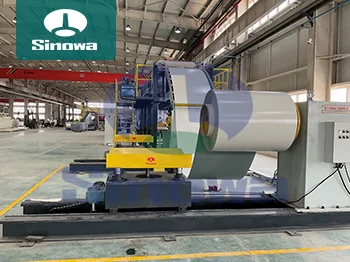
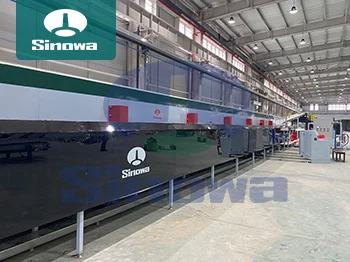
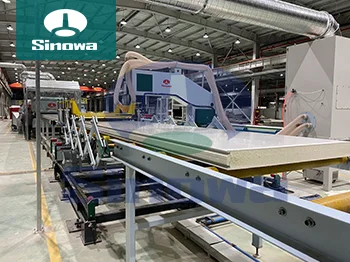
Sinowa is committed to the development and manufacturing of high-end and high-efficiency continuous pu sandwich panel line. Our continuous pu sandwich panel line are leading the way in efficiency, automatic control, human-computer interaction, environmental protection and energy consumption. Using system integration and bus control technology, it realizes the automatic integrated linkage control of the entire continuous pu sandwich panel line, and can achieve remote interactive communication, which has the world-class level and a comprehensive leading high-performance continuous pu sandwich panel line in the market.
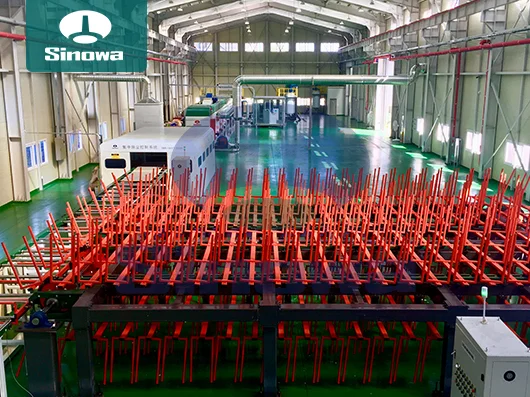
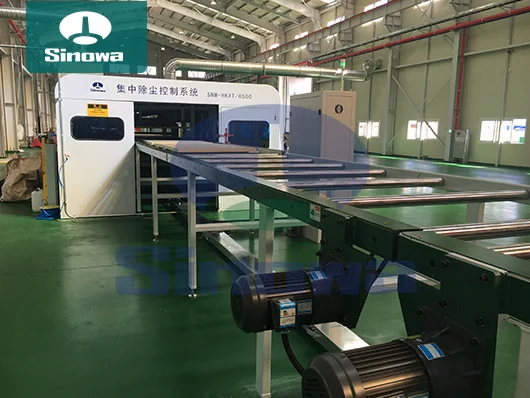
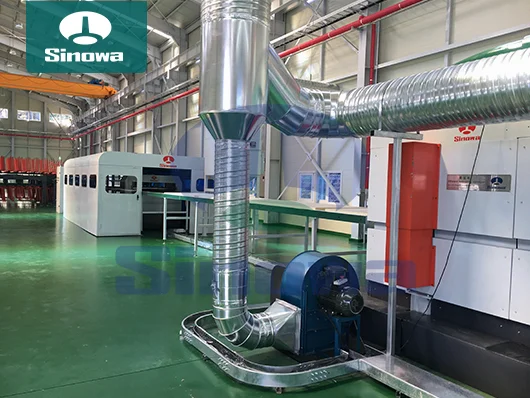
For more than ten years, relying on our innovative manufacturing concept and excellence in quality, reliable and trustworthy service to customers, we cooperate with customers all over the world, exported products to Canada, South Korea, Israel, Australia, the Middle East and other more than 20 countries and regions. contributed to building energy conservation and low-carbon production and have won widespread praise.
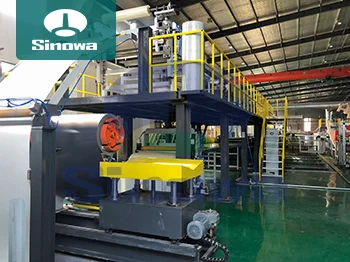
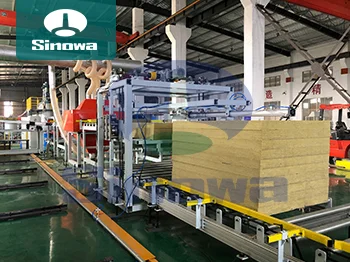
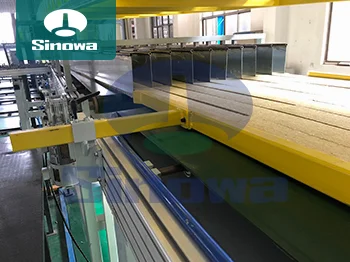
Sinowa has invested outstanding efforts in continuous pu sandwich panel line, this is why our products are more efficiency, quality, automatic control technology, environmental protection, energy consumption indicators and the appearance and safety protection are comprehensively leading, some subversive design changes in many major technical points, these major innovations make our products excellent in price/performance and user experience.
In the modern construction industry, the demand for efficient, high-performance building materials has driven continuous innovation in production technology. Among various building components, roof insulation materials play a crucial role in improving energy efficiency, ensuring structural stability, and enhancing indoor comfort. The continuous PU sandwich panel line for roof has emerged as a key production system that meets these demands, enabling the mass production of high-quality polyurethane (PU) sandwich panels specifically designed for roof applications. This advanced production line integrates multiple technological processes, from raw material preparation to finished product packaging, realizing automated and continuous operation that significantly improves production efficiency while ensuring consistent product quality. As the construction industry moves towards sustainability and industrialization, the continuous PU sandwich panel line for roof has become an indispensable part of modern building material production, providing reliable support for the construction of industrial warehouses, logistics centers, commercial buildings, and other large-scale projects.
The fundamental working principle of the continuous PU sandwich panel line for roof revolves around the precise coordination of multiple subsystems to form a three-layer composite structure consisting of two outer facing materials and a middle PU foam core. The production process starts with the uncoiling and pretreatment of facing materials, which are typically galvanized steel, galvalume, or aluminum sheets due to their excellent durability, corrosion resistance, and structural strength. These coiled materials are first loaded onto uncoiling machines, which use tension control devices to ensure stable and smooth uncoiling, preventing material deviation that could affect the subsequent forming process. After uncoiling, the facing materials pass through leveling rollers to eliminate any wrinkles or deformations caused during storage and transportation, ensuring a flat surface for subsequent processing. In some cases, the facing materials may also undergo preheating treatment to reach an optimal temperature for bonding with the PU foam core, which enhances the adhesion between layers and improves the overall structural integrity of the sandwich panels.
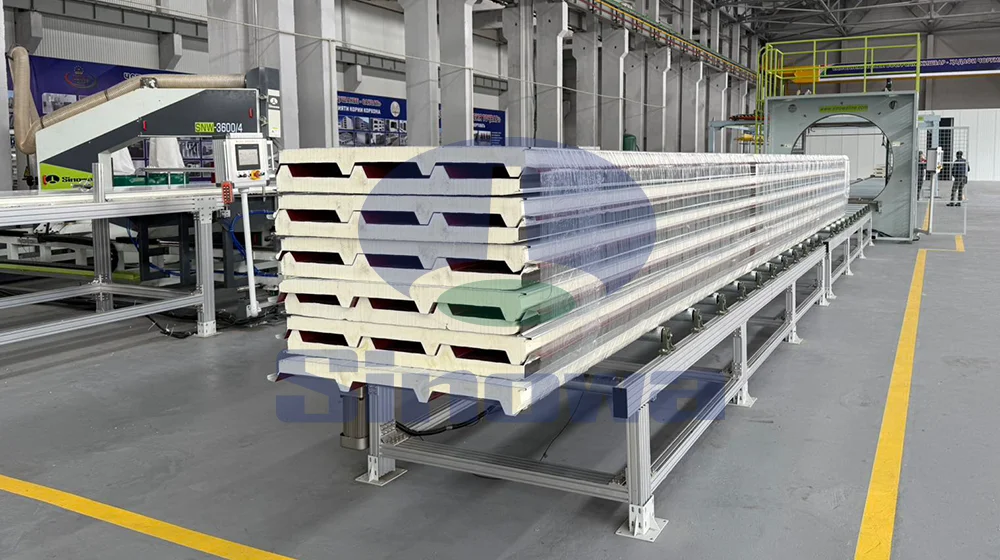
Following the pretreatment of facing materials, the core part of the production process—the foaming and lamination of the PU core—takes place. The PU foam is formed by the chemical reaction of polyol, isocyanate, foaming agent, catalyst, and other additives. These raw materials are stored in separate tanks and transported to a high-pressure metering system, which accurately controls the proportion of each component according to the required specifications of the PU core. The precise metering of raw materials is critical, as it directly affects the density, thermal conductivity, and mechanical properties of the PU foam. Typically, the density of the PU core for roof panels ranges from 38 to 42 kg/m³, and the thermal conductivity is between 0.022 and 0.028 W/(m·K), ensuring excellent thermal insulation performance.
Once the raw materials are accurately metered, they are pumped into a high-speed mixing head, where they are thoroughly mixed to initiate the chemical reaction. The mixed raw materials are then continuously deposited onto the lower facing material through a moving distributor, which ensures uniform distribution of the foam mixture across the entire width of the material. The upper facing material is then fed onto the foam layer, and the composite structure—consisting of the lower facing, PU foam core, and upper facing—is conveyed into a double-belt lamination machine. This machine is a core component of the production line, consisting of two parallel endless belts that apply uniform pressure to the composite structure. The belts are also heated to a controlled temperature, typically between 60°C and 80°C, which accelerates the foaming and curing process of the PU core. The length of the double-belt lamination machine is usually around 24 to 30 meters, providing sufficient time for the PU foam to fully expand and cure before exiting the machine.
After exiting the double-belt lamination machine, the cured composite panel undergoes edge trimming to achieve the required width dimensions. Side trimming devices equipped with high-precision blades remove any excess material from the edges of the panel, ensuring uniform width and neat edges. The panel is then conveyed to an automatic tracking cutting machine, which cuts the continuous panel into individual boards of preset lengths. The cutting machine uses a servo-driven system to track the movement of the panel, ensuring precise cutting without affecting the continuous operation of the production line. The cutting length can be customized according to project requirements, with a typical range from 2 meters to 18 meters, and the cutting accuracy can reach ±5 mm, meeting the strict dimensional requirements of roof construction.
Following cutting, the finished panels are conveyed to a cooling system to reduce their temperature to ambient levels, which helps to stabilize the structure and properties of the panels. The cooling system typically consists of a series of non-powered rollers with cooling fans or water-cooled plates, ensuring efficient heat dissipation. After cooling, the panels are transferred to an automatic stacking machine, which arranges the panels into neat stacks according to preset quantities. Finally, the stacks are wrapped with protective film by a packaging machine to prevent damage during storage and transportation. Some advanced production lines can also be equipped with additional modules, such as automatic quality inspection systems that use sensors to detect surface defects, thickness deviations, or other quality issues, ensuring that only qualified products leave the production line.
The continuous PU sandwich panel line for roof offers numerous advantages over traditional discontinuous production methods, making it the preferred choice for large-scale production. One of the most significant advantages is high production efficiency. The continuous operation mode eliminates the need for frequent start-stop operations, enabling the production line to achieve a production speed of 3 to 10 meters per minute, with a typical annual output of over 1 million square meters. This high efficiency significantly reduces production time and costs, making it possible to meet the large material demands of large-scale construction projects.
Another key advantage is the consistent product quality achieved through automated control. The entire production process, from raw material metering to cutting and stacking, is controlled by a programmable logic controller (PLC) system, which minimizes human intervention and ensures that all process parameters are maintained within the optimal range. This results in uniform density of the PU core, consistent thickness of the panels, and stable adhesion between the facing materials and the core, avoiding quality variations caused by human factors. Additionally, the modular design of the production line allows for flexible configuration according to different production requirements. By adjusting the parameters of the metering system, changing the facing materials, or modifying the cutting length, the production line can produce a variety of roof panels with different specifications, such as different thicknesses (ranging from 40 mm to 150 mm) and different facing materials, meeting the diverse needs of various construction projects.
Energy efficiency and environmental friendliness are also important advantages of the continuous PU sandwich panel line for roof. Modern production lines adopt energy-saving technologies, such as closed insulation design for the double-belt lamination machine, which reduces heat loss and lowers energy consumption. The energy consumption of advanced production lines is only about 40% of that of traditional production equipment. Additionally, the use of environmentally friendly foaming agents, such as pentane, instead of chlorofluorocarbons (CFCs), reduces the environmental impact of the production process, complying with global environmental protection requirements. The production line also minimizes material waste through precise cutting and edge trimming, improving material utilization and reducing environmental pollution.
The PU sandwich panels produced by this continuous line are widely used in various roof construction applications due to their excellent performance. Industrial warehouses and manufacturing facilities are major application areas, as the panels' lightweight nature reduces the load on the building structure, while their excellent thermal insulation performance helps to reduce energy consumption for heating and cooling. Logistics and distribution centers also benefit from the panels' quick installation, which shortens the construction period and reduces labor costs. Cold storage and refrigeration units require materials with superior thermal insulation and moisture resistance, and the PU sandwich panels meet these requirements perfectly, as the closed-cell structure of the PU foam prevents moisture penetration and maintains stable thermal insulation performance even in low-temperature environments.
Commercial buildings, such as shopping centers and office buildings, also use these roof panels for their aesthetic appearance, durability, and energy-saving properties. The panels can be produced with different colors and surface textures, matching the architectural style of the building. Agricultural buildings, such as livestock barns and greenhouses, use the panels to maintain a stable indoor environment, improving the growth conditions of livestock and crops. Additionally, the panels are used in modular buildings and temporary structures, as they are lightweight, easy to transport, and quick to install.
The performance of the PU sandwich panels produced by the continuous line directly contributes to the overall quality and durability of the roof system. The excellent structural strength of the panels enables them to withstand harsh weather conditions, such as strong winds, heavy rains, and snow loads. The metal facing materials are resistant to corrosion and UV radiation, ensuring a long service life of the roof panels, typically over 20 years, with minimal maintenance requirements. The superior thermal insulation performance of the PU core helps to reduce energy consumption by up to 30% compared to traditional roof materials, making buildings more energy-efficient and reducing carbon emissions. Furthermore, the panels have good sound insulation properties, reducing noise transmission from the outside to the inside of the building, improving indoor comfort.
As the construction industry continues to develop towards industrialization, intelligence, and sustainability, the continuous PU sandwich panel line for roof is also undergoing constant technological innovations. One of the main development trends is the integration of intelligent technologies, such as the Internet of Things (IoT) and big data analytics. By installing sensors throughout the production line, real-time data on process parameters, equipment performance, and product quality can be collected and analyzed. This allows for predictive maintenance of equipment, reducing downtime and improving production efficiency. Intelligent control systems also enable remote monitoring and operation of the production line, enhancing operational convenience and reducing labor costs.
Another development trend is the improvement of material performance and the expansion of product types. Manufacturers are constantly researching and developing new raw materials to improve the fire resistance, thermal insulation, and environmental performance of PU sandwich panels. For example, the addition of flame retardants to the PU core can improve the fire classification of the panels to B2 or higher, enhancing the safety of buildings. Additionally, the production line is being adapted to produce composite panels with different core materials, such as polyisocyanurate (PIR) or rock wool, expanding the application range of the products. The modular design of the production line makes it easy to upgrade and modify, allowing manufacturers to quickly adapt to new market demands.
Sustainability is also a key focus of technological innovation. In addition to using environmentally friendly foaming agents, manufacturers are exploring ways to use recycled materials in the facing materials or PU core, reducing the reliance on virgin materials. The production line is also being optimized to further reduce energy consumption and waste generation, moving towards a circular economy model. Furthermore, the lightweight and energy-efficient nature of the PU sandwich panels contributes to the sustainability of the construction industry by reducing the carbon footprint of buildings throughout their lifecycle.
In conclusion, the continuous PU sandwich panel line for roof is a sophisticated production system that plays a vital role in the modern construction industry. Its automated and continuous operation ensures high production efficiency and consistent product quality, while its modular design and energy-saving features make it flexible and environmentally friendly. The PU sandwich panels produced by this line offer excellent thermal insulation, structural strength, and durability, making them ideal for a wide range of roof construction applications. As technological innovations continue to drive the development of the production line, it will further improve in intelligence, sustainability, and versatility, contributing to the transformation and upgrading of the construction industry. With the growing emphasis on energy conservation and environmental protection, the continuous PU sandwich panel line for roof will continue to be a key driver of sustainable building practices, providing high-quality, efficient, and environmentally friendly building materials for the global construction market.
« Continuous PU Sandwich Panel Line For Roof » Update Date: 2026/1/12
- PU Sandwich Panel Machine For Building
- Polyurethane Sandwich Panel Manufacturing Line For Sale
- Custom Glass Wool Sandwich Panel Machine
- Low Price Sandwich Panel Foam Making Machine
- High-end Sandwich Panel Making Machine
- PIR Sandwich Panel Production Line For Wall
- High-tech Continuous Sandwich Panel Manufacturing Line
- Cold Room Sandwich Panel Production Line In China
- Cheap Sandwich Panel Manufacturing Line
- Glass Wool Sandwich Panel Line For House
- Custom Continuous PU Sandwich Panel Production Line
- Insulated Sandwich Panel Line Supplier
- Glass Wool Line On Sales
- Sandwich Wall Panel Production Line On Sales
- Cheap Fully Automatic PU Sandwich Panel Line
- Composite Sandwich Panel Production Line Supplier
- Custom Glass Wool Sandwich Panel Production Line
- Wall Sandwich Panel Production Line Design
- High-quality Foam Sandwich Panel Production Line
- Sandwich Foam Panel Making Machine Factory
- Links:
- Sandwich Panel Continuous Production Line
- Automatic and Continuous Sandwich Panel Production Line
- Cheap and Low Price Sandwich Panel Production Line
- China Sandwich Panel Production Line Factory
- Color Steel Sandwich Panel Production Line For Cold Storage
- Continuous Composite Foam Sandwich Panel Production Line
- Continuous Production Line For Rockwool and Mineral Wool Sandwich Panels
- Continuous PU Phenolic Insulation Panel Production Line
- Continuous PU PIR Sandwich Panel Production Line
- Continuous PUF PUR Sandwich Panel Production Line
- Continuous Sandwich Panel Production Line For Roof and Wall
- Customized and Design Sandwich Panel Production Line
- Decorative Sandwich Panel Production Line For Glass Wool Boards
- High Quality Sandwich Panel Production Line For Sale
- Polyurethane(PU) Sandwich Panel Production Line
- Sandwich Panel Production Line Manufacturer and Supplier