
High-tech PU Sandwich Panel Production Line
Sinowa is a well-known manufacturer and technical service provider of high-end pu sandwich panel production line, learn more about high-tech pu sandwich panel production line, please contact Sinowa's technical engineer, tell us what you need, we will contact you as soon as possible!
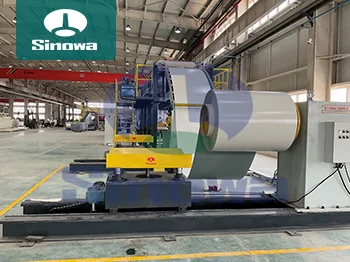
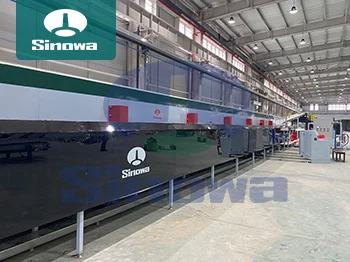
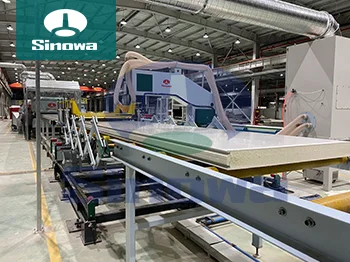
Sinowa is committed to the development and manufacturing of high-end and high-efficiency pu sandwich panel production line. Our pu sandwich panel production line are leading the way in efficiency, automatic control, human-computer interaction, environmental protection and energy consumption. Using system integration and bus control technology, it realizes the automatic integrated linkage control of the entire pu sandwich panel production line, and can achieve remote interactive communication, which has the world-class level and a comprehensive leading high-performance pu sandwich panel production line in the market.
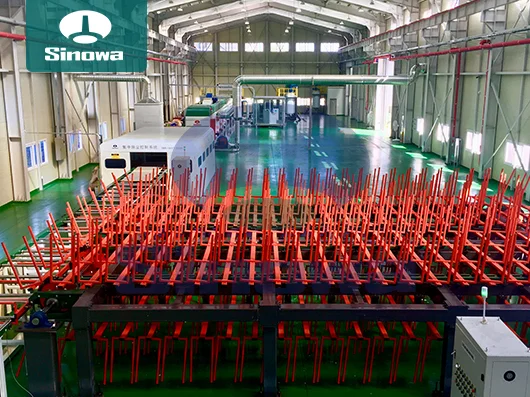
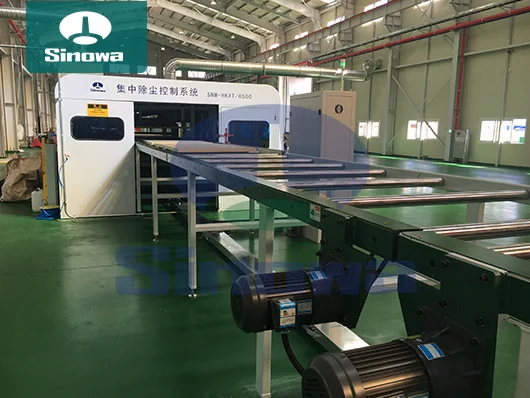
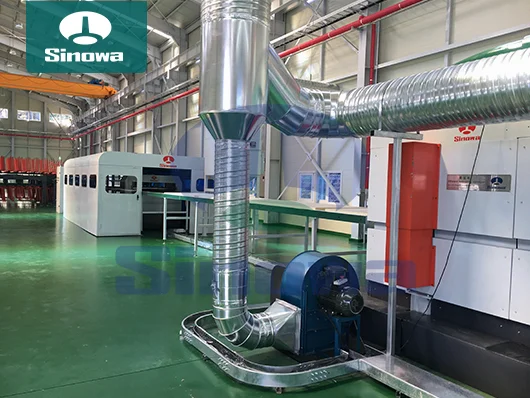
For more than ten years, relying on our innovative manufacturing concept and excellence in quality, reliable and trustworthy service to customers, we cooperate with customers all over the world, exported products to Canada, South Korea, Israel, Australia, the Middle East and other more than 20 countries and regions. contributed to building energy conservation and low-carbon production and have won widespread praise.
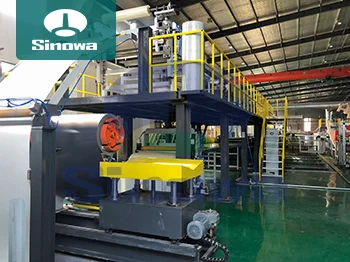
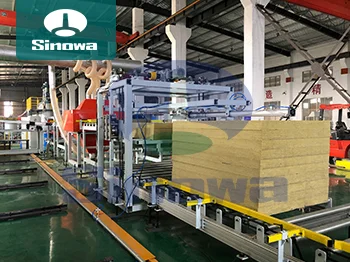
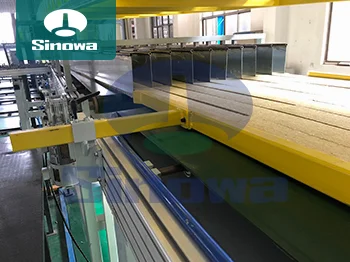
Sinowa has invested outstanding efforts in pu sandwich panel production line, this is why our products are more efficiency, quality, automatic control technology, environmental protection, energy consumption indicators and the appearance and safety protection are comprehensively leading, some subversive design changes in many major technical points, these major innovations make our products excellent in price/performance and user experience.
In the rapidly evolving landscape of modern manufacturing and construction, high-tech PU sandwich panel production lines have emerged as a cornerstone of efficient, sustainable, and high-quality material production. These advanced production systems integrate cutting-edge mechanical engineering, precision control technology, and chemical processing to produce PU sandwich panels—composite materials celebrated for their exceptional thermal insulation, structural integrity, lightweight properties, and versatility. As industries worldwide prioritize energy efficiency, environmental sustainability, and cost-effectiveness, the demand for these high-performance panels continues to grow, driving continuous innovation in the design and operation of their production lines. Unlike traditional manufacturing methods that rely on manual intervention and discontinuous processes, high-tech PU sandwich panel production lines leverage automation, intelligent monitoring, and seamless integration of multiple functional modules to ensure consistent product quality, maximize production efficiency, and minimize resource waste.
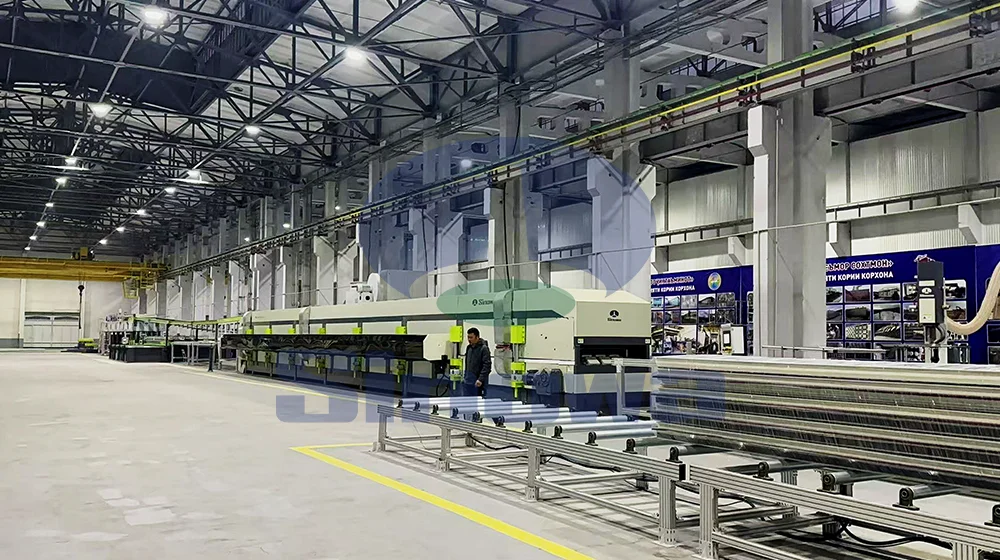
The fundamental working principle of a high-tech PU sandwich panel production line revolves around the precise coordination of three core processes: the preparation and forming of surface materials, the mixing and foaming of polyurethane (PU) core materials, and the lamination, curing, and finishing of the final composite panel. Each stage is meticulously controlled by advanced automation systems to ensure that every component of the panel meets strict quality standards, from the thickness and flatness of the surface layers to the density and uniformity of the PU core. At its core, the production line is designed to create a seamless, continuous workflow that minimizes human error and maximizes productivity, allowing for large-scale production of panels with consistent specifications tailored to diverse application needs.
Surface material preparation is the first critical stage in the production process, as the surface layers of PU sandwich panels play a vital role in providing structural strength, weather resistance, and aesthetic appeal. Common surface materials include galvanized steel, aluminum, aluminum-magnesium-manganese alloy, non-woven fabrics, and kraft paper, each selected based on the intended application of the final panel. High-tech production lines are equipped with multiple uncoiling machines that can handle different types of surface material coils, ensuring a stable and continuous supply. These uncoiling machines are integrated with tension control systems to prevent deformation of the surface materials during the uncoiling process, as even minor distortions can affect the final quality of the panel. After uncoiling, the surface materials are fed into roll forming machines, where they are progressively bent and shaped into the desired profiles under the guidance of precision rollers and gears. The roll forming process is controlled by computerized systems that adjust the pressure, speed, and shape of the rollers to ensure consistent profile dimensions, which is crucial for maintaining the structural integrity of the final sandwich panel. Some advanced production lines also include online pre-processing units that clean, passivate, or coat the surface materials to enhance their adhesion to the PU core and improve their resistance to corrosion, moisture, and wear.
Once the surface materials are formed, the production line moves to the PU core preparation and foaming stage—a critical step that determines the thermal insulation and structural performance of the final panel. PU foam is created by mixing two main components: polyol and isocyanate, along with additives such as foaming agents, curing agents, and stabilizers, in precise ratios. High-tech production lines utilize automatic metering and mixing systems that ensure the accurate proportioning of each component, as even minor deviations in the mix ratio can significantly affect the foam’s density, strength, and thermal conductivity. These mixing systems are equipped with high-speed mixing heads that homogenize the components, ensuring a uniform foam structure. The mixed PU components are then continuously injected into the gap between the two moving surface layers, which are kept at a consistent distance by precision spacers. The injection process is synchronized with the movement of the surface materials to ensure even distribution of the foam, eliminating gaps or uneven areas that could compromise the panel’s performance.
After the PU foam is injected, the composite structure moves into the lamination and curing section, where the foam expands and solidifies under controlled temperature and pressure conditions. High-tech production lines use double-belt laminating machines that apply uniform pressure to the upper and lower surface layers, ensuring tight adhesion between the surface materials and the PU core. The laminating machines are equipped with temperature control systems that maintain a consistent heating environment—typically between 20 and 80 degrees Celsius, depending on the foam formulation— to facilitate the curing process. The curing time is carefully controlled to ensure that the PU foam reaches its full structural strength and thermal insulation performance; too short a curing time can result in a weak core, while too long can reduce production efficiency. Some advanced lines also incorporate heat recovery systems that capture and reuse the heat generated during the curing process, reducing energy consumption and improving environmental sustainability.
Once the panel is fully cured, it moves to the cutting and finishing stage, where it is trimmed to the desired length and width. High-tech production lines use servo-driven CNC flying saws that offer precise cutting accuracy—often within ±0.5 millimeters—ensuring that each panel meets the exact specifications required by the customer. The cutting process is synchronized with the movement of the production line, allowing for continuous cutting without interrupting the workflow. After cutting, the panels are inspected for quality, with automated vision systems checking for defects such as uneven foam distribution, surface scratches, or dimensional inaccuracies. Any defective panels are removed from the production line for rework or recycling, ensuring that only high-quality products reach the final stage.
The final stage of the production process involves stacking and packaging the finished panels. High-tech production lines are equipped with automatic stacking systems, often utilizing six-axis robotic stackers that can handle panels of varying sizes and weights. These stackers use vacuum suction cups or mechanical fixtures to grasp the panels securely, stacking them in neat piles up to 3.5 meters high while ensuring stability and preventing damage. The stacking process is guided by intelligent sorting algorithms that optimize the use of space and ensure efficient handling. After stacking, the panels are wrapped in protective packaging to prevent scratches, moisture damage, or contamination during transportation and storage.
A key feature of high-tech PU sandwich panel production lines is their high level of automation, which reduces the need for manual intervention and minimizes human error. The entire production process—from raw material feeding to finished product stacking—is controlled by a central PLC (Programmable Logic Controller) system that integrates with sensors, actuators, and intelligent monitoring devices. Operators can monitor and adjust production parameters in real time through a user-friendly interface, allowing for quick responses to changes in production requirements or potential issues. Some advanced lines also incorporate remote monitoring capabilities, enabling operators to access production data and control the line from a remote location, further improving operational efficiency and convenience.
In addition to automation, high-tech production lines offer several technological advantages that set them apart from traditional manufacturing methods. One of the most significant advantages is their energy efficiency. Modern lines are designed with energy-saving features such as variable frequency drives, heat recovery systems, and efficient insulation of heating zones, which reduce energy consumption and lower operational costs. For example, heat recovery systems can capture up to 65% of the heat generated during the curing process, reusing it to preheat surface materials or maintain the temperature of the mixing and curing sections. This not only reduces energy waste but also lowers greenhouse gas emissions, aligning with global efforts to promote environmental sustainability.
Another key advantage is the ability to produce highly consistent and high-quality panels. The precise control of production parameters—such as mix ratios, temperature, pressure, and cutting accuracy—ensures that each panel has uniform foam density, surface flatness, and structural strength. For example, the density deviation of the PU core in panels produced by high-tech lines is typically ≤3%, significantly lower than the industry average, ensuring consistent thermal insulation performance. The panels also exhibit excellent flatness—often ≤1 millimeter per meter—and uniform bubble distribution, with a uniformity rate of ≥95%, which enhances their structural stability and durability.
Flexibility is another important feature of high-tech PU sandwich panel production lines. These lines can be easily adjusted to produce panels of different sizes, thicknesses, and configurations, allowing manufacturers to meet the diverse needs of various industries. For example, the production line can switch between different panel thicknesses (ranging from 30 to 200 millimeters) and widths (from 600 to 1200 millimeters) within a few minutes, without the need for extensive reconfiguration. Additionally, many lines support the storage of over 100 different foam formulations, enabling the production of panels with varying properties—such as enhanced fire resistance, improved thermal insulation, or increased compressive strength—to suit specific application requirements. Some lines are also compatible with different core materials, such as rock wool or glass wool, providing further flexibility in product offerings.
The versatility of high-tech PU sandwich panel production lines is reflected in the wide range of applications of the panels they produce. These panels are widely used in the construction industry for walls, roofs, and partitions in industrial facilities, commercial buildings, residential buildings, and public structures. In industrial settings, such as factories and warehouses, PU sandwich panels are valued for their excellent thermal insulation properties, which help maintain stable internal temperatures and reduce heating and cooling costs. Many manufacturing facilities report energy savings of 30-40% after switching to PU panel construction. Cold storage facilities represent one of the most demanding applications for PU sandwich panels, as their closed-cell foam structure provides superior moisture resistance and thermal insulation, preventing degradation in humid environments. Modern food processing plants and frozen food distributors often use PU panels with hygienic coatings that inhibit bacterial growth and facilitate easy cleaning, further enhancing their suitability for cold storage applications.
In commercial construction, PU sandwich panels are popular for their aesthetic flexibility and performance benefits. Architects appreciate the clean lines and variety of finish options available, while building owners value the reduced operating costs and minimal maintenance requirements. The panels’ excellent acoustic insulation properties also make them ideal for office buildings, retail centers, and other noise-sensitive environments, as they reduce sound transmission between spaces. In the healthcare and pharmaceutical industries, PU sandwich panels with seamless joints and antimicrobial surfaces meet stringent hygiene standards, making them suitable for cleanrooms, hospitals, and pharmaceutical manufacturing facilities where precise temperature and humidity control is critical.
Beyond construction, PU sandwich panels produced by high-tech lines are also used in transportation, such as refrigerated trucks and containers, where their lightweight and thermal insulation properties help maintain the temperature of goods during transportation. They are also used in modular buildings, temporary structures, and agricultural facilities, such as greenhouses and livestock barns, due to their quick installation, durability, and energy efficiency.
The operation and maintenance of high-tech PU sandwich panel production lines are crucial to ensuring their long-term performance and reliability. Regular maintenance of key components—such as uncoiling machines, roll forming machines, mixing heads, and cutting systems—helps prevent breakdowns and minimize downtime. Operators should be thoroughly trained in the operation of the equipment, as well as in basic maintenance procedures and safety protocols. Well-trained operators are better able to identify potential issues, perform routine maintenance tasks, and operate the equipment safely and efficiently. Regular training sessions should also be conducted to keep operators updated on new technologies and maintenance practices.
Waste management is another important aspect of operating a high-tech PU sandwich panel production line. Modern lines are designed with waste recycling systems that collect and reuse scrap materials, such as excess surface material, foam trimmings, and defective panels. The waste recycling rate of these lines is typically over 90%, reducing material waste and lowering production costs. Additionally, the use of low-VOC (volatile organic compound) foam formulations ensures that emissions are kept below 50 mg/m³, minimizing the environmental impact of the production process.
Looking to the future, high-tech PU sandwich panel production lines are expected to continue evolving with advancements in technology. The integration of artificial intelligence (AI) and the Internet of Things (IoT) is likely to become more prevalent, enabling even greater automation, predictive maintenance, and quality control. AI-powered vision systems can be used to inspect panels in real time, identifying defects with greater accuracy and reducing the need for manual inspection. IoT devices can collect data on production parameters, energy consumption, and equipment performance, allowing manufacturers to optimize the production process and reduce operational costs. Additionally, the development of new foam formulations, such as nano-enhanced PU foams, is expected to further improve the performance of PU sandwich panels, making them even more energy-efficient and durable.
In conclusion, high-tech PU sandwich panel production lines represent a significant advancement in manufacturing technology, offering a perfect combination of automation, efficiency, quality, and flexibility. These lines play a crucial role in meeting the growing demand for high-performance, energy-efficient composite materials across various industries, from construction and cold storage to transportation and healthcare. By integrating advanced mechanical systems, precision control technology, and sustainable practices, high-tech production lines not only improve the productivity and profitability of manufacturers but also contribute to global efforts to reduce energy consumption and promote environmental sustainability. As technology continues to advance, these production lines will undoubtedly become even more sophisticated, driving further innovation in the field of PU sandwich panel manufacturing and expanding the range of applications for these versatile materials.
« High-tech PU Sandwich Panel Production Line » Update Date: 2026/4/20
Tags: Fully Automatic PU Sandwich Panel Production Line , Decorative PU Sandwich Panel Production Line , Continuous PU Sandwich Panel Production Line , PU Sandwich Panel Production Line ,
- Sandwich Panel Production Line From China
- High Efficiency PIR Sandwich Panel Line
- Low Price Isolation PU Sandwich Panel Line
- High-end PIR Insulation Panel Production Line
- Sandwich Panel Production Line
- High-quality Polyurethane Sandwich Panel Line
- Fully Automatic PU Sandwich Panel Production Line For Sale
- PIR Wall Panel Production Line On Sales
- PU Sandwich Panel Machine Design
- Polyurethane Sandwich Panel Machinery Supplier
- Cold Storage Sandwich Panel Production Line Supplier
- Fully Automatic Sandwich Panel Making Machine Factory
- Polyurethane Sandwich Panel Manufacturing Line Manufacturer
- PU Sandwich Panel Machine In China
- Machinery For Glass Wool Production
- PIR Sandwich Panel Machine For Construction
- High-quality Continuous PU Sandwich Panel Line
- High Efficiency Continuous PU Sandwich Panel Production Line
- Cheap Sandwich Panel Making Equipment
- PU Insulated Panel Production Line
- Links:
- Sandwich Panel Continuous Production Line
- Automatic and Continuous Sandwich Panel Production Line
- Cheap and Low Price Sandwich Panel Production Line
- China Sandwich Panel Production Line Factory
- Color Steel Sandwich Panel Production Line For Cold Storage
- Continuous Composite Foam Sandwich Panel Production Line
- Continuous Production Line For Rockwool and Mineral Wool Sandwich Panels
- Continuous PU Phenolic Insulation Panel Production Line
- Continuous PU PIR Sandwich Panel Production Line
- Continuous PUF PUR Sandwich Panel Production Line
- Continuous Sandwich Panel Production Line For Roof and Wall
- Customized and Design Sandwich Panel Production Line
- Decorative Sandwich Panel Production Line For Glass Wool Boards
- High Quality Sandwich Panel Production Line For Sale
- Polyurethane(PU) Sandwich Panel Production Line
- Sandwich Panel Production Line Manufacturer and Supplier