
Fully Automatic PU Sandwich Panel Line Manufacturer
Sinowa is a well-known manufacturer and technical service provider of high-end fully automatic pu sandwich panel line, learn more about fully automatic pu sandwich panel line manufacturer, please contact Sinowa's technical engineer, tell us what you need, we will contact you as soon as possible!
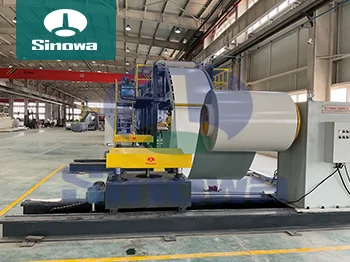
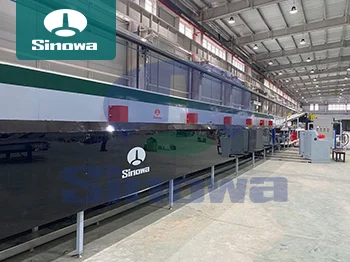
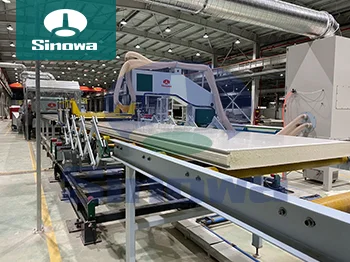
Sinowa is committed to the development and manufacturing of high-end and high-efficiency fully automatic pu sandwich panel line. Our fully automatic pu sandwich panel line are leading the way in efficiency, automatic control, human-computer interaction, environmental protection and energy consumption. Using system integration and bus control technology, it realizes the automatic integrated linkage control of the entire fully automatic pu sandwich panel line, and can achieve remote interactive communication, which has the world-class level and a comprehensive leading high-performance fully automatic pu sandwich panel line in the market.
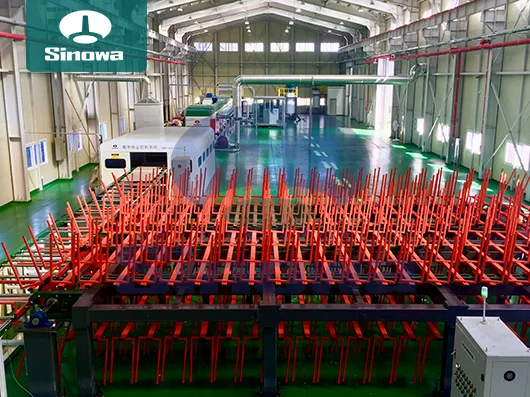
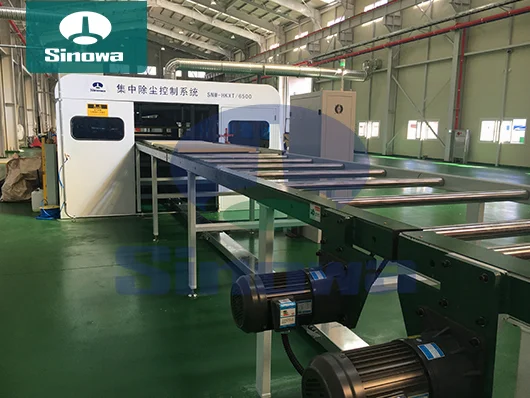
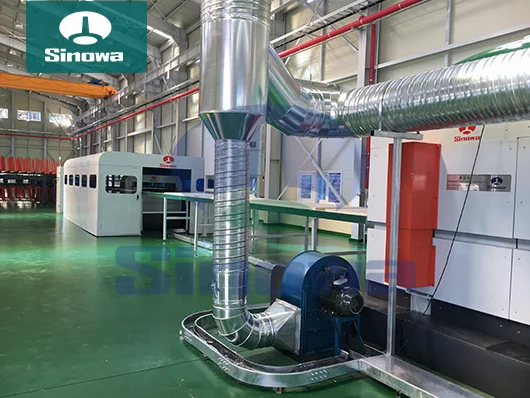
For more than ten years, relying on our innovative manufacturing concept and excellence in quality, reliable and trustworthy service to customers, we cooperate with customers all over the world, exported products to Canada, South Korea, Israel, Australia, the Middle East and other more than 20 countries and regions. contributed to building energy conservation and low-carbon production and have won widespread praise.
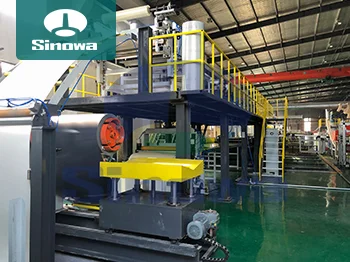
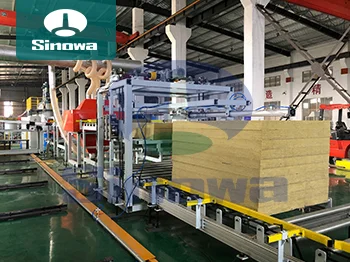
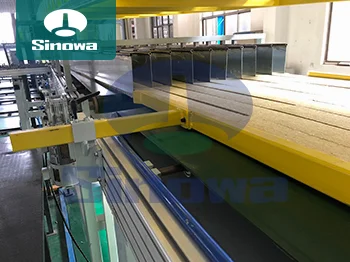
Sinowa has invested outstanding efforts in fully automatic pu sandwich panel line, this is why our products are more efficiency, quality, automatic control technology, environmental protection, energy consumption indicators and the appearance and safety protection are comprehensively leading, some subversive design changes in many major technical points, these major innovations make our products excellent in price/performance and user experience.
The production of building enclosure materials has witnessed continuous transformation as construction projects pursue higher efficiency and reliable thermal performance, and fully automatic PU sandwich panel production lines stand out as core equipment in this sector. These integrated systems are engineered to complete multiple manufacturing procedures in a continuous workflow, eliminating frequent manual intervention that once dominated traditional panel fabrication. Raw material feeding serves as the starting point of the whole process, where metal coils are unwound, leveled, and pre-treated to guarantee consistent surface quality before forming. The automated forming unit shapes the metal sheets into the required profile, preparing them to bond with the polyurethane core material. The PU foaming station precisely mixes and injects the chemical components, controlling reaction speed and expansion rate to achieve uniform density across the entire panel core. After foaming, the composite structure moves through a continuous curing section, giving sufficient time for the polyurethane to solidify and form a strong bond with the metal facings. Subsequent cutting and trimming modules separate finished panels into preset dimensions without stopping the main production chain. Operators only need to monitor parameter screens and handle occasional material replenishment, greatly lowering labor demands and reducing human-caused defects. Such continuous operation also stabilizes product consistency, which matters greatly for large-scale construction orders that require thousands of panels with matching appearance and physical properties. Many fabricators choose this type of line because it balances high throughput with steady product quality, adapting to shifting market demands for insulated building panels.
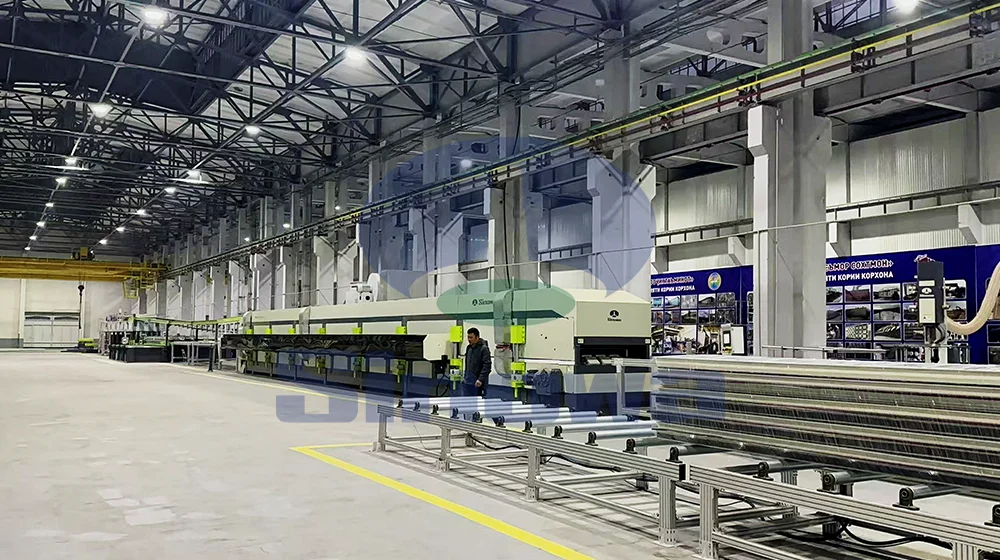
The design philosophy behind fully automatic PU sandwich panel lines centers on seamless synchronization between every functional module of the machine. Each segment of the production line is linked through unified control logic, ensuring the speed of metal sheet transport matches the foaming output and curing progression. If one section encounters minor adjustments, the whole system can automatically adjust running parameters to avoid material waste or uneven panel structure. Advanced sensing elements are distributed at key positions along the line to track sheet tension, foam flow, temperature, and panel thickness in real time. When deviations from the preset range appear, the system delivers instant alerts and carries out fine adjustments instead of waiting for manual inspection after batches are produced. Mechanical components are built to withstand long hours of nonstop operation, with reinforced structures at foaming and pressing zones where pressure and thermal load remain high. The layout of the line also takes operational safety and routine maintenance into consideration, reserving accessible spaces for component inspection and part replacement without major disassembly. Engineers optimize the transmission path to reduce unnecessary friction and vibration, which helps preserve surface integrity of metal facings and prevents damage to the fresh PU core. This holistic synchronized design avoids the common drawbacks of semi-automatic setups, where disconnected stations often lead to inconsistent bonding and frequent production halts. As a result, manufacturers relying on fully automatic lines can maintain stable output cycles and cut down on unexpected downtime over long production runs.
Material handling is a critical aspect that fully automatic PU sandwich panel lines streamline to improve overall production efficiency. Metal coil storage and unwinding systems support uninterrupted feeding, and multiple coil holders can be fitted to switch between different metal substrates without lengthy setup work. Before the metal enters forming rollers, surface cleaning and film application units remove dust and apply protective layers, preventing scratches and corrosion during later processing and application. The polyurethane raw material supply system maintains stable temperature and pressure for polyol and isocyanate storage and delivery, because slight fluctuation in these conditions directly changes foam cellular structure. Precision metering pumps deliver accurate ratios of the two liquid components to the mixing head, where thorough mixing happens right before injection onto the moving lower metal sheet. The upper metal sheet then closes over the foaming mixture, and the double belt pressing unit applies steady pressure to control panel thickness while the PU expands. Excess foam material is neatly trimmed away in the continuous process, and waste material is collected automatically for proper disposal. All these material handling steps run in sequence under automatic control, removing the need for workers to carry and transfer heavy semi-finished panels between separate machines. Reduced manual material handling not only speeds up the workflow but also lowers safety risks associated with lifting and moving sharp or heavy metal parts inside the workshop.
Curing and shaping processes within fully automatic PU sandwich panel lines determine the final mechanical and thermal traits of finished panels. After the liquid PU mixture is injected and sandwiched between two metal layers, the composite assembly passes through a long continuous curing tunnel. Temperature inside the tunnel is evenly distributed along the travel path, allowing the polyurethane foam to complete polymerization at a predictable rate. Uniform curing prevents situations where some parts of the panel remain soft while other sections become over-cured and brittle. The double conveyor belts hold consistent pressure throughout this phase, maintaining the targeted panel thickness and keeping the metal facings tightly attached to the foam core. Weak bonding between metal and PU is one of the most common failures of low-quality sandwich panels, and the controlled curing environment minimizes this issue significantly. Once the curing cycle finishes, the rigid composite panel moves forward to the cutting section. Flying saw cutting technology enables cutting to length while the panel keeps moving, so the main line does not pause for each cut. Edge trimming devices smooth panel edges and remove uneven foam overflow, creating clean, straight edges for easy installation on building sites. Panels then move on to the final inspection area, where automated checks verify dimensions, flatness, and surface condition before stacking. This integrated curing and shaping sequence ensures every panel leaving the line meets the same physical specifications, supporting reliable performance in thermal insulation and structural load bearing.
Automated quality monitoring integrated into PU sandwich panel production lines reduces the chance of defective products reaching customers. Multiple monitoring points collect data continuously during each production stage, starting from raw material feeding all the way to finished panel stacking. Thickness sensors scan the panel surface to detect any bulges or thin spots in the foam core, which would weaken insulation performance. Visual inspection modules capture surface images of metal sheets to identify scratches, dents, or coating imperfections that occur during forming or pressing. Data collected from these sensors is displayed on the central control interface, allowing production supervisors to review production trends and spot recurring issues early. When out-of-specification panels are detected, the system can mark these products automatically so they can be separated from qualified goods at the stacking station. This method is far more reliable than manual visual inspection alone, as human inspectors can miss subtle defects after long working hours. The stored production data also supports traceability, making it easier to review production parameters for any batch when questions arise about product performance. While automated monitoring cannot eliminate every possible defect entirely, it drastically lowers reject rates and reduces the cost wasted on faulty panels. Manufacturers using such monitoring systems gain better understanding of how parameter changes affect panel quality, supporting continuous refinement of production recipes and operating procedures over time.
Operational flexibility represents another key advantage of modern fully automatic PU sandwich panel lines, allowing producers to adapt to diverse customer requirements without major equipment rework. Adjustments to panel thickness can be completed by modifying pressure and gap settings on the double belt system through the control panel. Operators can also switch between different metal sheet profiles by swapping forming rollers, and the system can store parameter presets for commonly produced panel styles. Changes to PU foam formulation can be implemented by adjusting the metering ratios of raw materials, enabling the production of panels with varied foam characteristics suited for different usage environments. The line can accommodate different metal coating types and sheet thicknesses as long as the feeding and forming modules are configured appropriately. Length of finished panels can be set freely within the machine’s working range, so orders with custom panel dimensions can be handled efficiently. Quick changeover between different product types cuts down idle time between batches, which is especially valuable for factories receiving mixed orders from multiple construction projects. Despite this flexibility, the machine retains stable running performance once parameters are locked in, avoiding trade-offs between customization and consistent quality. This adaptability helps panel manufacturers respond rapidly to evolving market demands, whether projects require panels for wall cladding, roofing, or partition structures.
Maintenance and service design of fully automatic PU sandwich panel lines aim to extend equipment service life and keep long-term operational costs manageable. Core mechanical parts such as rollers, conveyor belts, and metering pumps are manufactured with durable materials to withstand continuous operation, and key wearing components are designed for straightforward replacement. The control system records equipment operating hours and triggers maintenance reminders for lubrication, filter replacement, and seal inspections. Regular preventive maintenance reduces sudden breakdowns that can halt the entire production line and delay order delivery. The machine structure provides easy access for technicians to examine foaming heads, sensors, and drive systems without large-scale disassembly. Diagnostic tools built into the control system help locate fault sources quickly when malfunctions occur, shortening troubleshooting time. Training resources are provided for on-site technical teams to carry out routine checks and minor repairs independently. Proper maintenance protects precision parts from damage caused by accumulated PU residue and metal dust, which can interfere with sensors and moving mechanisms over time. Factories that follow scheduled maintenance routines can maintain steady production capacity year after year and avoid the heavy expenses of emergency major repairs. Good maintenance practices also preserve production accuracy, ensuring that panel quality does not degrade as the equipment accumulates operating hours.
The application prospect for products made by fully automatic PU sandwich panel lines continues to expand as modern construction pursues energy efficiency and fast assembly methods. Sandwich panels serve as lightweight building components that combine structural support, thermal insulation, and weather resistance in a single unit. Construction teams can install these panels rapidly, shortening overall project schedules compared with traditional multi-layer wall construction that requires separate insulation and cladding work. The thermal insulation performance of PU foam core helps reduce energy consumption for heating and cooling inside buildings, aligning with the broad trend toward energy-efficient building solutions. These panels are widely adopted in many types of building projects, including large workshop buildings, cold storage facilities, temporary modular structures, and commercial building envelopes. As market demand for high-performance insulated panels grows, producers increasingly rely on fully automatic lines to expand output capacity while maintaining uniform product quality. Ongoing technical improvements keep refining line performance, optimizing raw material utilization and reducing energy consumption during production. Equipment developers keep improving automation levels and operational intelligence to further reduce manual workload and enhance production stability. For panel manufacturers, investing in fully automatic PU sandwich panel production systems creates a solid foundation to compete in the building material market, supporting sustainable business growth by meeting the rising demand for high-quality insulated building panels across a wide range of construction scenarios.
« Fully Automatic PU Sandwich Panel Line Manufacturer » Update Date: 2026/10/20
Tags: Fully Automatic PU Sandwich Panel Line , fully automatic pu sandwich panel line, fully automatic pu sandwich panel line manufacturer, fully automatic pu sandwich panel line supplier, fully automatic pu sandwich panel line for sale, customized fully automatic pu sandwich panel line, china fully automatic pu sandwich panel line
- Fully Automatic PU Sandwich Panel Line Supplier
- Low Price Sandwich Panel Production Line
- Low Price Glass Wool Sandwich Panel Machine
- Cold Storage Sandwich Panel Production Line Design
- PUR Sandwich Panel Line Design
- PUF Panel Manufacturing Machine
- High Efficiency Glass Wool Production Line
- Low Price PU Panel Machine
- High-tech Sandwich Foam Panel Making Machine
- PU Sandwich Panel Machine For Cold Room
- High-end Sandwich Foam Panel Making Machine
- PU Sandwich Panel Machine Factory
- High Efficiency PU Insulated Panel Production Line
- High Efficiency Sandwich Panel Production Machinery
- Polyurethane Sandwich Panel Machine For Roof
- High-tech Cold Storage Sandwich Panel Production Line
- Fully Automatic PU Sandwich Panel Machine On Sales
- PUF Panel Making Machine Design
- Automatic Sandwich Panel Production Line For Sale
- Cold Room Sandwich Panel Production Line For Sale
- Links:
- Sandwich Panel Continuous Production Line
- Automatic and Continuous Sandwich Panel Production Line
- Cheap and Low Price Sandwich Panel Production Line
- China Sandwich Panel Production Line Factory
- Color Steel Sandwich Panel Production Line For Cold Storage
- Continuous Composite Foam Sandwich Panel Production Line
- Continuous Production Line For Rockwool and Mineral Wool Sandwich Panels
- Continuous PU Phenolic Insulation Panel Production Line
- Continuous PU PIR Sandwich Panel Production Line
- Continuous PUF PUR Sandwich Panel Production Line
- Continuous Sandwich Panel Production Line For Roof and Wall
- Customized and Design Sandwich Panel Production Line
- Decorative Sandwich Panel Production Line For Glass Wool Boards
- High Quality Sandwich Panel Production Line For Sale
- Polyurethane(PU) Sandwich Panel Production Line
- Sandwich Panel Production Line Manufacturer and Supplier
- Sandwich Panel Production Machinery and Equipment