
PUR Sandwich Panel Line Design
Sinowa is a well-known manufacturer and technical service provider of high-end pur sandwich panel line, learn more about pur sandwich panel line design, please contact Sinowa's technical engineer, tell us what you need, we will contact you as soon as possible!
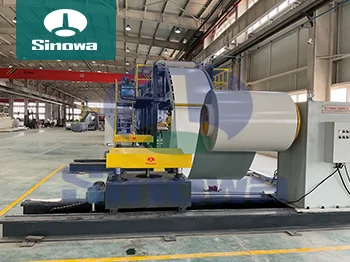
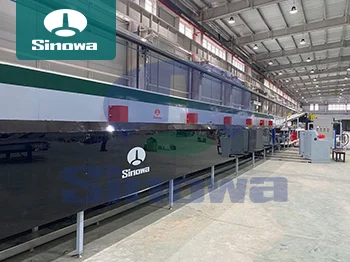
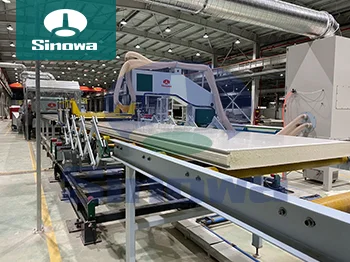
Sinowa is committed to the development and manufacturing of high-end and high-efficiency pur sandwich panel line. Our pur sandwich panel line are leading the way in efficiency, automatic control, human-computer interaction, environmental protection and energy consumption. Using system integration and bus control technology, it realizes the automatic integrated linkage control of the entire pur sandwich panel line, and can achieve remote interactive communication, which has the world-class level and a comprehensive leading high-performance pur sandwich panel line in the market.
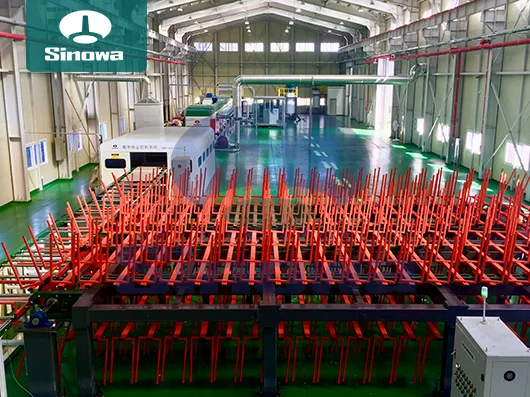
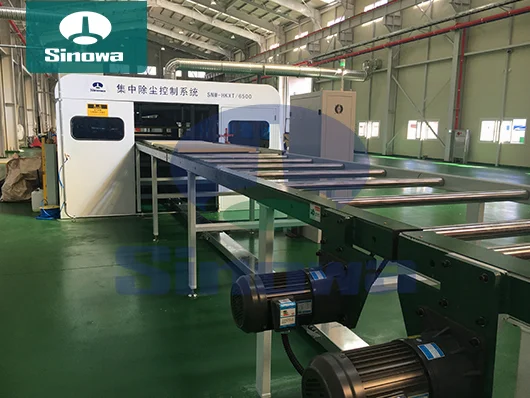
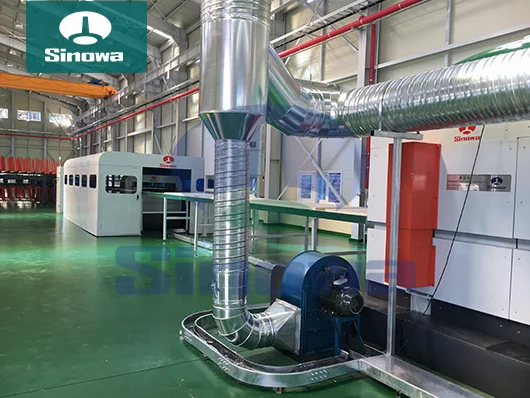
For more than ten years, relying on our innovative manufacturing concept and excellence in quality, reliable and trustworthy service to customers, we cooperate with customers all over the world, exported products to Canada, South Korea, Israel, Australia, the Middle East and other more than 20 countries and regions. contributed to building energy conservation and low-carbon production and have won widespread praise.
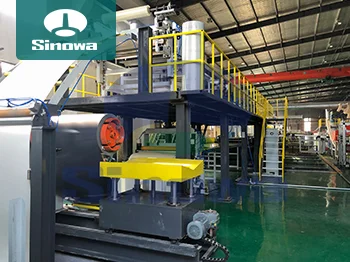
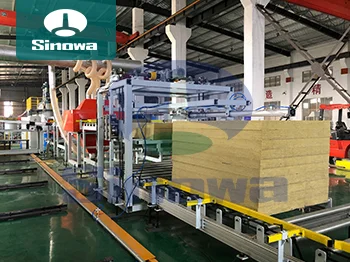
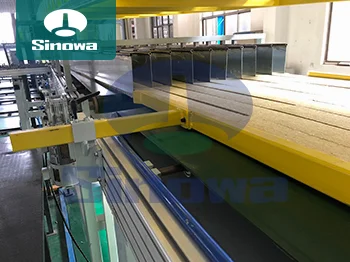
Sinowa has invested outstanding efforts in pur sandwich panel line, this is why our products are more efficiency, quality, automatic control technology, environmental protection, energy consumption indicators and the appearance and safety protection are comprehensively leading, some subversive design changes in many major technical points, these major innovations make our products excellent in price/performance and user experience.
The design of a PUR sandwich panel production line begins with a thorough evaluation of the core functional objectives that define the final panel performance and production stability. Every structural and process choice must align with the inherent reaction characteristics of PUR foam, which features a fast curing cycle and sensitive response to changes in material ratio, temperature and mixing pressure. The layout of the whole line is arranged to create a continuous and uninterrupted material flow, starting from the unwinding stations for surface facings and extending through the metering, mixing, lamination, curing, cutting and stacking sections. Special attention is paid to the spacing between adjacent units, as insufficient buffer space may lead to surface wrinkling or uneven foam filling when the line speed is adjusted. The material feeding subsystem is engineered to maintain consistent delivery of the two main PUR components, with mechanical structures that reduce pulsation during pumping and avoid accidental deviation in mixing proportion. Even minor fluctuations in component ratio can bring obvious changes to foam density, adhesion strength and dimensional stability of the finished panels. The guiding mechanisms for upper and lower facings are equipped with fine adjustment components to correct lateral offset in real time, ensuring that the two facings remain well-aligned before they enter the foaming and pressing zone. Operability is also embedded in the basic design framework, with reserved space for routine inspection and partial maintenance without requiring full shutdown of the entire production sequence.
The mixing and dispensing unit represents the technical heart of the PUR sandwich panel line design, where precise combination of polyol and isocyanate directly determines the uniformity of the foam core. The mixing head is constructed to generate intense turbulent mixing within an extremely short time window, so that chemical reactions initiate evenly across the mixed stream the moment the material exits the nozzle. The mounting position and moving path of the mixing head are carefully calculated to distribute the mixed PUR material in a controlled pattern across the lower facing sheet, preventing local accumulation or blank areas that would create voids inside the finished panel. Thermal insulation structures are added around the mixing chamber and material pipelines to stabilize the raw material temperature, because temperature variation alters the viscosity of liquid components and changes the speed of chemical crosslinking. Internal flow channels are polished to reduce material residue and shorten the cleaning cycle between different product batches. The driving system for the mixing head supports adjustable traverse speed, matching different line speeds and target panel thickness requirements. Designers also consider the self-cleaning logic of the mixing assembly, adopting a structure that minimizes leftover cured PUR buildup which could block passages and degrade mixing quality over long running hours. Safety considerations are integrated into this section, with enclosed housings that limit direct contact between operators and reactive liquid materials while retaining observation windows for real-time status checking.
After the PUR mixture is deposited onto the lower facing, the double-belt continuous press system takes charge of shaping the panel to the required thickness and supporting the foam during its curing phase. The upper and lower circulating belts run synchronously with the incoming material, applying uniform pressure across the entire width of the panel rather than concentrating force on isolated points. The clearance between the two belts can be adjusted steadily to accommodate different panel thickness specifications, and parallelism of the belt frames is strictly controlled to avoid tapered thickness along the panel width. The belt surface material is selected to balance good release performance and wear resistance, so that cured foam does not stick to the belt surface and leave marks on the panel outer layer. Heating modules are distributed along the length of the press section to maintain a stable thermal environment for foam expansion and curing. Temperature distribution is not uniform across the whole press; the front area focuses on assisting foam expansion, while the rear zone maintains steady heat to complete crosslinking and lock in core mechanical properties. Tension control for the circulating belts prevents elongation or slipping under continuous load, and tension feedback signals are fed back to the drive controller for automatic compensation. The length of the press tunnel is determined by the curing time curve of the selected PUR formulation, making sure that panels reach sufficient structural strength before leaving the pressing zone to avoid deformation in subsequent conveying.
Conveying and transition sections between the press and cutting station are designed to protect the newly formed PUR sandwich panels, which still have incomplete internal strength in the early stage after curing. Roller tables are arranged with reasonable spacing to provide continuous support, and the surface of each roller is treated to prevent scratching or indentation on the decorative facings. The conveying speed of each segment is synchronized closely with the main line speed, eliminating speed differences that would generate shear force between the foam core and facings and cause delamination. Lateral guiding rollers are set at key transition points to keep panels moving along the central path of the line. The height of conveying frames can be fine-tuned during commissioning to match the outlet height of the press and the inlet height of the cutting unit. Some transition segments adopt floating support structures to absorb slight vibration generated by upstream mechanical movement, as vibration transmitted to soft, newly cured foam may create invisible internal cracks. Dust-proof covers are installed on open conveying sections to reduce the attachment of floating debris on the fresh panel surface. The overall conveying logic prioritizes gentle handling instead of fast transfer, recognizing that the structural maturity of PUR panels improves gradually after they exit the thermal press environment.
The cutting unit of the PUR sandwich panel line is developed to perform both cross-cutting and optional slitting operations with high dimensional accuracy and clean cut edges. The cutting mechanism moves in coordination with the running panel, following the material during the cutting stroke to avoid dragging or tearing the foam core and surface facings. Blade geometry is optimized for the composite structure of metal or non-metal facings bonded with rigid PUR foam, reducing the generation of crumbs and burrs on cut edges. A waste collection chute is arranged directly below the cutting area to gather foam scraps efficiently and prevent scraps from falling back onto the panel surface or accumulating inside the machine base. Position detection sensors track the length of panels continuously, sending trigger signals to the cutting actuator once the target dimension is reached. The cutting force and moving speed can be adjusted according to the overall panel density and facing material type. Noise reduction structures are incorporated into the cutting frame, since repeated high-speed cutting creates continuous mechanical impact. The mounting base of the cutter is reinforced to suppress vibration, because vibration during cutting leads to irregular edge lines and dimensional errors that become obvious when panels are assembled into finished enclosures or wall systems.
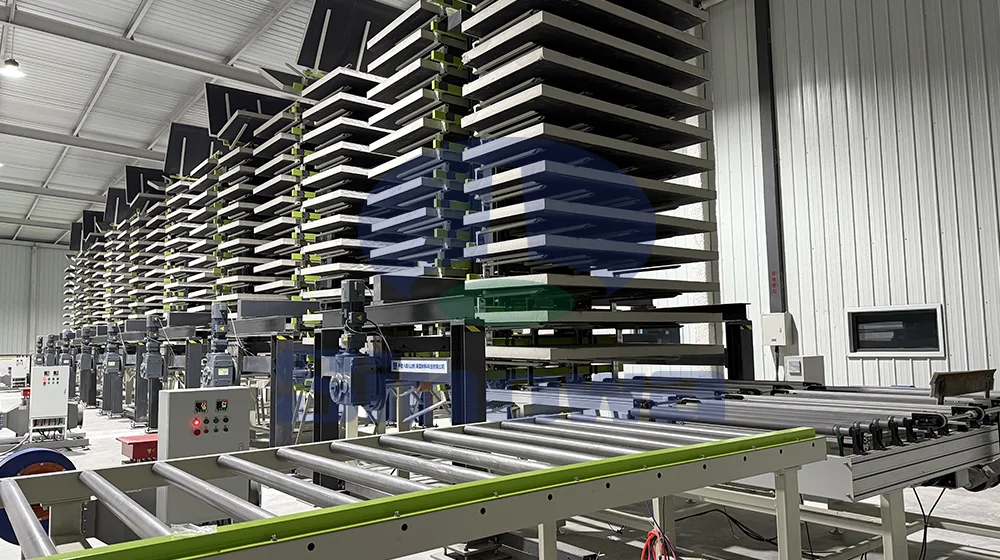
Post-cut handling and stacking subsystems focus on orderly collection of finished panels while preserving surface quality and flatness. After cutting, panels are transferred to a sorting conveyor, where inspection stations are arranged for visual check of surface condition, edge integrity and apparent uniformity. Panel separation devices separate individual finished panels reliably without prying action that could separate the facing from the foam core. The stacking manipulator uses wide contact pads to distribute clamping force, avoiding concentrated pressure points that leave permanent indentations on the panel surface. Stack height is controlled according to the rigidity of the finished PUR panels, as excessive stacking load can cause slow compression deformation of the foam core over time. The stacking platform has leveling adjustment capability to keep each stack neat and stable for easy outbound handling. The sequence of stacking actions is programmed to match the production rhythm of the upstream line, preventing panel backlog at the outlet of the cutting station. Protection barriers around the stacking area separate moving mechanical parts from manual operation zones. The design also reserves space for optional marking equipment, which can add identification marks on panel edges without damaging functional layers.
Automation and control architecture run through the entire PUR sandwich panel line design, connecting all individual functional modules into one coordinated production system. The central control platform collects real-time data including material flow rate, mixing head parameters, line speed, press temperature, belt tension and cutting position. Operators can call up preset parameter groups corresponding to different panel specifications, and switch between production recipes without resetting every single parameter manually. Interlock logic is built into the control system: if one key unit runs out of its normal working range, upstream feeding or foaming actions will slow down or pause in a preset sequence to avoid producing defective panels. Alarm information clearly indicates the location and type of abnormal condition, shortening troubleshooting time. The control program supports gradual speed ramp-up and ramp-down rather than sudden start and stop, which is critical for PUR processing because abrupt speed changes disrupt foam distribution and bonding. Signal communication between controllers uses stable transmission protocols to reduce signal delay. Human-machine interfaces are laid out at convenient observation positions, with operation menus organized to distinguish routine adjustment, parameter modification and maintenance modes, lowering the risk of misoperation during daily production.
Long-term reliability and maintainability form the final dimension considered in the PUR sandwich panel line design, ensuring stable performance across extended operating cycles and simplifying upkeep work. Load-bearing components are selected with sufficient service margin under continuous cyclic operation, taking into account fatigue wear from repeated movement and contact with PUR residues. Parts that require frequent cleaning or replacement are designed for quick disassembly, and standard connection structures are adopted for many consumable components. Lubrication points are centralized and clearly marked, with some moving assemblies equipped with automatic lubrication accessories to reduce manual maintenance frequency. Drainage and waste discharge channels are arranged inside frames to collect residual liquid materials and foam scraps, preventing accumulated waste from corroding metal structures or jamming moving parts. Ventilation layout inside enclosed units helps disperse heat generated by motors and chemical reaction zones, maintaining a stable microenvironment for key components. The design avoids overly compact integration that blocks access to internal parts. Instead, it balances compact footprint and maintainable layout. When the whole line is put into service, this design philosophy reduces unplanned downtime, stabilizes product consistency, and extends the effective service life of the production system, supporting sustained manufacturing of high-performance PUR sandwich panels for various application scenarios.
« PUR Sandwich Panel Line Design » Update Date: 2026/10/27
Tags: PUR Sandwich Panel Line , pur sandwich panel line, pur sandwich panel line manufacturer, pur sandwich panel line supplier, pur sandwich panel line for sale, customized pur sandwich panel line, china pur sandwich panel line
- PU Foam Production Line For Cold Room
- Color Steel Sandwich Panel Production Line Price
- High Efficiency Soundproofing Sandwich Panel Production Line
- PIR Sandwich Panel Line For Cold Room
- Foam Core Sandwich Panel Line Manufacturer
- Foam Core Sandwich Panel Line Design
- Polyurethane Sandwich Panel Line Supplier
- High Efficiency Roof Sandwich Panel Production Line
- PU Foam Production Line For House
- Color Steel Sandwich Panel Production Line Manufacturer
- PU Sandwich Wall Production Line
- Continuous PU Sandwich Panel Production Line Manufacturer
- Low Price Glass Wool Production Line
- PU Foam Production Line Manufacturer
- Insulated Sandwhich Panel Production Line On Sales
- Glass Wool Sandwich Panel Line On Sales
- Cheap PU Panel Machine
- PU Sandwich Panel Machine For Cold Room
- Glass Wool Sandwich Panel Machine Price
- PU Foam Production Line On Sales
- Links:
- Sandwich Panel Continuous Production Line
- Automatic and Continuous Sandwich Panel Production Line
- Cheap and Low Price Sandwich Panel Production Line
- China Sandwich Panel Production Line Factory
- Color Steel Sandwich Panel Production Line For Cold Storage
- Continuous Composite Foam Sandwich Panel Production Line
- Continuous Production Line For Rockwool and Mineral Wool Sandwich Panels
- Continuous PU Phenolic Insulation Panel Production Line
- Continuous PU PIR Sandwich Panel Production Line
- Continuous PUF PUR Sandwich Panel Production Line
- Continuous Sandwich Panel Production Line For Roof and Wall
- Customized and Design Sandwich Panel Production Line
- Decorative Sandwich Panel Production Line For Glass Wool Boards
- High Quality Sandwich Panel Production Line For Sale
- Polyurethane(PU) Sandwich Panel Production Line
- Sandwich Panel Production Line Manufacturer and Supplier
- Sandwich Panel Production Machinery and Equipment