
Rock Wool Sandwich Panel Production Line For Sale
Sinowa is a well-known manufacturer and technical service provider of high-end rock wool sandwich panel production line, learn more about rock wool sandwich panel production line for sale, please contact Sinowa's technical engineer, tell us what you need, we will contact you as soon as possible!
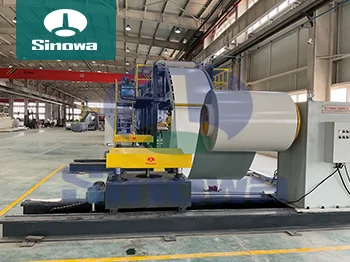
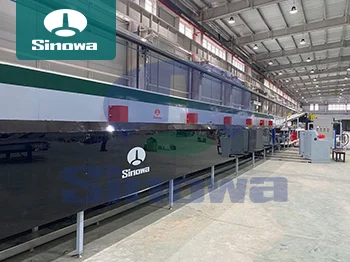
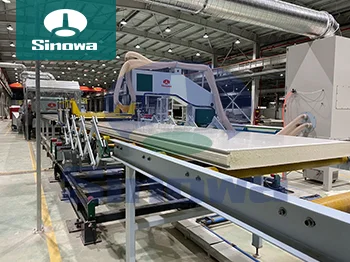
Sinowa is committed to the development and manufacturing of high-end and high-efficiency rock wool sandwich panel production line. Our rock wool sandwich panel production line are leading the way in efficiency, automatic control, human-computer interaction, environmental protection and energy consumption. Using system integration and bus control technology, it realizes the automatic integrated linkage control of the entire rock wool sandwich panel production line, and can achieve remote interactive communication, which has the world-class level and a comprehensive leading high-performance rock wool sandwich panel production line in the market.
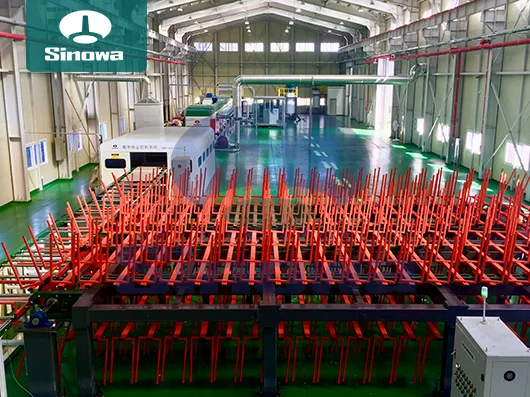
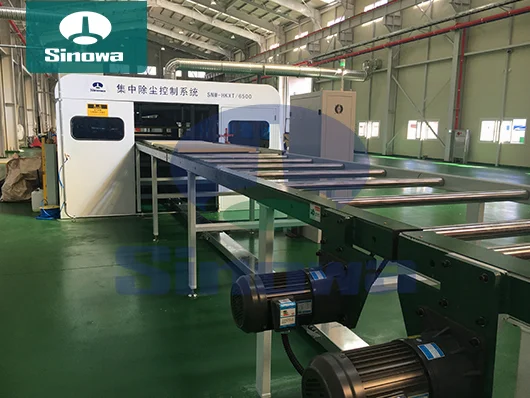
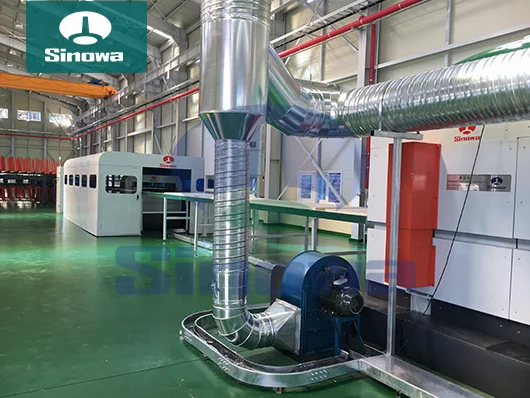
For more than ten years, relying on our innovative manufacturing concept and excellence in quality, reliable and trustworthy service to customers, we cooperate with customers all over the world, exported products to Canada, South Korea, Israel, Australia, the Middle East and other more than 20 countries and regions. contributed to building energy conservation and low-carbon production and have won widespread praise.
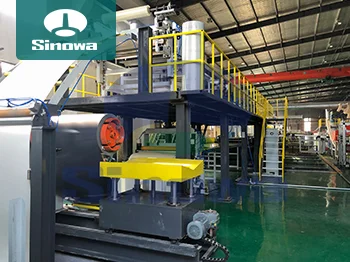
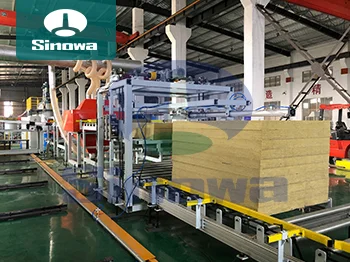
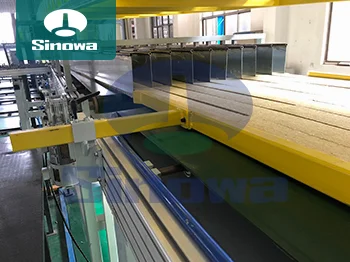
Sinowa has invested outstanding efforts in rock wool sandwich panel production line, this is why our products are more efficiency, quality, automatic control technology, environmental protection, energy consumption indicators and the appearance and safety protection are comprehensively leading, some subversive design changes in many major technical points, these major innovations make our products excellent in price/performance and user experience.
For businesses looking to expand their building material manufacturing capacity, a rock wool sandwich panel production line stands out as a valuable long-term investment that supports steady output of high-performance composite panels. This type of production system is built to integrate multiple processing stages into one continuous workflow, removing the need for scattered manual operations that slow down production and create inconsistencies in finished products. The core working principle relies on combining rock wool core material with metal surface sheets through controlled feeding, pressing, bonding and curing processes, ensuring every finished panel maintains uniform structure and stable physical properties. Operators can adjust key parameters across the line to accommodate different panel thicknesses, widths and surface configurations, which means the equipment can adapt to shifting demands from construction projects of various types. The mechanical structure of the line is designed with durable transmission parts and stable guiding systems to reduce unexpected downtime during long-hour running cycles. Properly maintained, the production setup can sustain consistent daily output and lower the overall labor burden compared to semi-manual panel making methods. Many buyers focus on the flexibility of such equipment because it allows them to diversify their product range without purchasing entirely separate machinery for each variant of sandwich panel. The entire production flow is arranged logically so that raw material feeding, forming and cutting connect seamlessly, minimizing material waste and helping operators keep production costs under reasonable control over the equipment’s service life.
The raw material handling section forms the starting point of the rock wool sandwich panel production line, and its reliable performance directly influences the smooth progress of all subsequent working procedures. This section is engineered to hold and release both the rock wool core boards and the metal face sheets at a steady and synchronized speed, avoiding mismatched feeding that may lead to misalignment or uneven bonding between layers. Special guiding devices keep rock wool materials in proper position as they move forward, preventing the soft fibrous core from shifting, crumbling or deforming before it enters the bonding stage. The feeding mechanism also supports simple adjustments to match different dimensions of raw materials, so operators can switch between specifications without lengthy disassembly or complicated reset work. Sensors installed along the feeding path track material status and send feedback signals to the central control system when material supply runs low or blockages occur, giving staff time to respond before faults spread to the rest of the line. Good raw material preparation reduces defective panels at the source, which is critical for manufacturers aiming to deliver consistent goods to downstream clients. Even when working with rock wool batches that have minor differences in density, the feeding system can maintain stable conveying as long as materials fall within the adjustable range of the equipment. Careful design in this early stage also helps cut down on material scraps caused by skewed feeding, bringing tangible benefits to daily production efficiency and raw material utilization rates.
Adhesive application is one of the most delicate stages within the rock wool sandwich panel production line, as the quality of glue distribution determines how firmly the rock wool core bonds with the outer metal skins. The coating unit spreads adhesive evenly across contact surfaces, controlling the coating volume precisely to avoid excessive glue overflow that would create messy panel edges or insufficient glue that weakens the bonding strength. The system keeps adhesive under suitable working conditions during operation to preserve its inherent bonding performance, preventing premature solidification before the pressing step takes place. Operators can fine-tune coating speed and dosage according to the thickness and porosity of the rock wool material, since fibrous rock wool absorbs adhesive differently from solid core alternatives. The coating equipment is easy to access for routine cleaning, which prevents hardened adhesive buildup from clogging nozzles and disrupting uniformity over time. If adhesive distribution becomes inconsistent, finished panels may develop separation between layers after installation, leading to complaints and extra rework for manufacturers. By automating this coating process, the production line removes the instability brought by manual glue spreading, making bonding quality far more predictable across thousands of panels produced in a single run. This automated process also limits unnecessary adhesive consumption, supporting greener production practices and reducing recurring spending on bonding agents.
After adhesive coating, the assembled rock wool and metal sheets move into the pressing and curing zone, where pressure and steady environmental conditions work together to form an integrated sandwich panel structure. The pressing unit applies balanced pressure across the full surface of the composite material, so every area of the rock wool core stays closely attached to the metal skins without hollow gaps or uneven compression. Pressure values can be modified based on panel thickness and rock wool density, accommodating softer and denser core materials alike without crushing the rock wool fiber structure. The curing environment maintains stable temperature conditions to help the adhesive complete its curing reaction at a proper rate, ensuring the bond reaches its designed strength before panels exit this section. Too fast curing can trap internal stress inside the panel, while overly slow curing will bottleneck the whole production rhythm, so the line’s control system balances these factors automatically. During pressing, side limiting fixtures keep the panel edges straight and neat, reducing trimming work needed in later processing. This stage turns loose stacked raw materials into a solid integrated panel, laying the foundation for good dimensional stability when the finished product is used in building enclosures. The heavy-duty frame of the pressing station resists deformation under long-term pressure loads, maintaining consistent pressing effect year after year with regular inspection and lubrication.
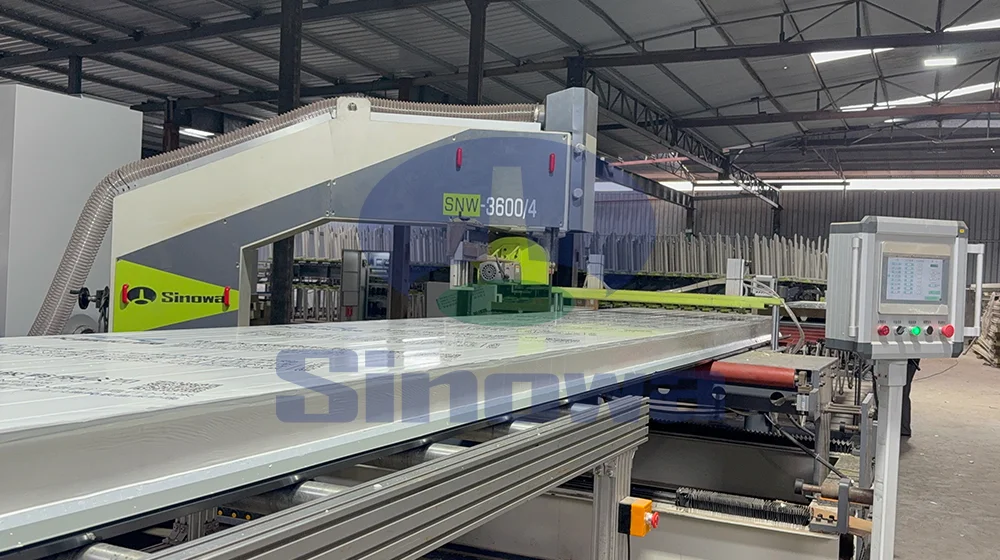
Once curing finishes, the continuous panel strip transfers to the cutting and trimming section, where it is divided into individual finished panels according to preset length requirements. The cutting mechanism follows the moving speed of the panel synchronously, so cutting can proceed without stopping the main production line, a feature that greatly improves overall throughput. Cutting tools are built to deliver clean, smooth cuts on both metal surfaces and rock wool cores, avoiding ragged edges, loose rock wool fibers or bent metal edges that would affect later installation. The control interface allows users to input target length data quickly, and the system will repeat the cutting cycle accurately for batch production. Side trimming attachments remove uneven edge portions from both sides of the continuous panel strip, ensuring the final width of each panel meets the required dimension. Waste fragments generated during cutting and trimming are collected through a dedicated guiding channel, keeping the working area tidy and simplifying waste management for the production team. Operators can adjust cutting speed and tool pressure when switching between thinner and thicker panel specifications. Accurate cutting and trimming lower rejection rates and make finished panels ready for direct packaging after inspection, streamlining the workflow from raw material input to finished goods output.
The central control system serves as the command center of the entire rock wool sandwich panel production line, connecting all functional sections and allowing operators to monitor and adjust production parameters from one convenient station. Visual displays show real-time data including running speed, feeding status, coating volume, pressing pressure and production count, so staff can track operating conditions without walking between separate machine parts. The control logic supports saved parameter presets for commonly produced panel types, letting users recall a full set of settings in moments instead of resetting every single value manually for each order. Protection functions are embedded within the system to trigger alarms or gentle shutdown when abnormal signals appear, such as motor overload, material jamming or temperature deviation, protecting key components from serious damage. The operation interface adopts a straightforward layout that new workers can learn to use after proper training, lowering the barrier for factories to expand their operating teams. Data recorded by the system can also help managers analyze daily output, identify frequent abnormal points and arrange targeted maintenance plans. While the system automates most adjustments, it retains manual override options for experienced operators to handle special production situations flexibly. This unified control framework enhances coordination between every part of the line and reduces human error that often occurs when multiple separate machines are operated independently.
Regular maintenance and daily upkeep play an indispensable role in extending the service life of a rock wool sandwich panel production line and keeping its performance stable over years of continuous operation. Daily checks focus on transmission chains, rollers, guiding tracks and cutting blades, where wear happens most frequently under repeated friction and material impact. Lubrication points need scheduled oiling to reduce friction and noise, preventing premature wear of bearings and drive motors. Cleaning tasks target adhesive residue, rock wool dust and metal scraps that accumulate on machine surfaces, because accumulated debris can interfere with sensor sensitivity, block moving parts or contaminate raw materials. Periodic inspection also covers the sealing parts of the curing area and the calibration of cutting measuring devices, to make sure temperature control and length measurement remain precise. Worn consumable parts such as cutting blades and glue nozzles should be replaced in time before they cause a rise in defective products. Establishing a clear maintenance schedule helps avoid sudden breakdowns that halt production in the middle of fulfilling customer orders. Factories that develop good maintenance habits usually enjoy higher equipment availability and can plan production schedules with greater confidence, avoiding unexpected losses caused by unplanned downtime. Even high-quality production equipment cannot sustain stable output long term without consistent and careful routine care.
For buyers considering investing in a rock wool sandwich panel production line, evaluating the overall matching degree between the equipment and their own operational plans is essential before making a purchase decision. It is helpful to assess the expected daily output volume, the range of panel specifications they plan to manufacture, and the space available within their workshop to accommodate the full layout of the production line. The layout design of the line affects workflow efficiency, raw material storage arrangement and finished product handling space, so buyers need to confirm that the workshop can support smooth material flow after installation. It is also sensible to consider the level of technical support available for equipment installation, commissioning and operator training, as proper startup guidance helps the production line reach its designed capacity quickly. The adaptability of the equipment to future product upgrades matters too, since market demands for sandwich panels may evolve over time, and equipment with adjustable functions leaves more room for business expansion. Buyers should also examine the structural robustness of core components and the ease of sourcing spare parts for later replacement. A well-selected production line will not only satisfy current manufacturing needs but also become a reliable asset that supports stable product supply and business growth for a long period ahead. With rational planning and standardized operation, this production equipment can help manufacturers deliver reliable sandwich panel products and build steady partnerships with customers engaged in various building construction projects.
« Rock Wool Sandwich Panel Production Line For Sale » Update Date: 2026/10/27
Tags: Fully Automatic Rock Wool Sandwich Panel Production Line , Rock Wool Sandwich Panel Production Line , rock wool sandwich panel production line, rock wool sandwich panel production line manufacturer, rock wool sandwich panel production line supplier, rock wool sandwich panel production line for sale, customized rock wool sandwich panel production line, china rock wool sandwich panel production line
- High Efficiency Mineral Wool Production Line
- Rock Wool Board Production Line Vendor In China
- Rock Wool Production Line On Sales
- High Efficiency Mineral Wool Sandwich Panel Production Line
- High Efficiency Mineral Wool Line
- Rockwool Sandwich Panel Line Supplier
- Rock Wool Sandwich Panel Production Line For Building
- Rock Wool Sandwich Panel Machine Price
- Rock Wool Sandwich Panel Production Line On Sales
- Rockwool Roof Panels Making Machine
- High-end Rock Wool Board Production Line
- Rock Wool Production Line Design
- Mineral Wool Sandwich Panel Line Factory
- Rockwool Sandwich Panel Line Manufacturer
- Fully Automatic Rock Wool Sandwich Panel Machine Price
- Mineral Wool Sandwich Panel Machine In China
- Mineral Wool Production Line Price
- Custom Fully Automatic Rock Wool Sandwich Panel Production Line
- Custom Rock Wool Sandwich Panel Production Line
- Customized Rock Wool Sandwich Panel Machine
- Links:
- Sandwich Panel Continuous Production Line
- Automatic and Continuous Sandwich Panel Production Line
- Cheap and Low Price Sandwich Panel Production Line
- China Sandwich Panel Production Line Factory
- Color Steel Sandwich Panel Production Line For Cold Storage
- Continuous Composite Foam Sandwich Panel Production Line
- Continuous Production Line For Rockwool and Mineral Wool Sandwich Panels
- Continuous PU Phenolic Insulation Panel Production Line
- Continuous PU PIR Sandwich Panel Production Line
- Continuous PUF PUR Sandwich Panel Production Line
- Continuous Sandwich Panel Production Line For Roof and Wall
- Customized and Design Sandwich Panel Production Line
- Decorative Sandwich Panel Production Line For Glass Wool Boards
- High Quality Sandwich Panel Production Line For Sale
- Polyurethane(PU) Sandwich Panel Production Line
- Sandwich Panel Production Line Manufacturer and Supplier
- Sandwich Panel Production Machinery and Equipment