
Rockwool Sandwich Panel Production Line For Cold Storage
Sinowa is a well-known manufacturer and technical service provider of high-end rockwool sandwich panel production line, learn more about rockwool sandwich panel production line for cold storage, please contact Sinowa's technical engineer, tell us what you need, we will contact you as soon as possible!
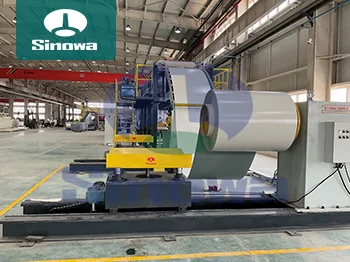
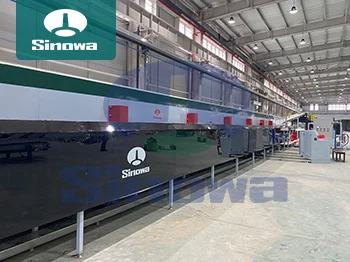
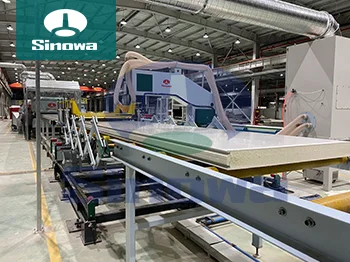
Sinowa is committed to the development and manufacturing of high-end and high-efficiency rockwool sandwich panel production line. Our rockwool sandwich panel production line are leading the way in efficiency, automatic control, human-computer interaction, environmental protection and energy consumption. Using system integration and bus control technology, it realizes the automatic integrated linkage control of the entire rockwool sandwich panel production line, and can achieve remote interactive communication, which has the world-class level and a comprehensive leading high-performance rockwool sandwich panel production line in the market.
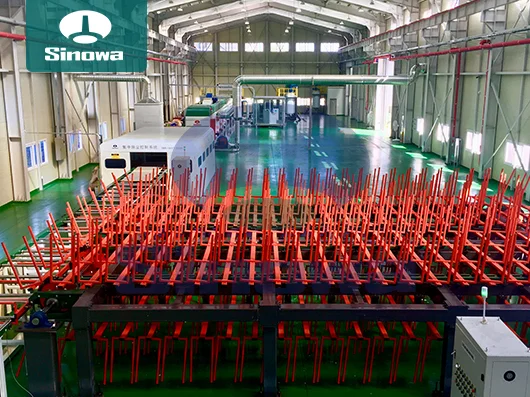
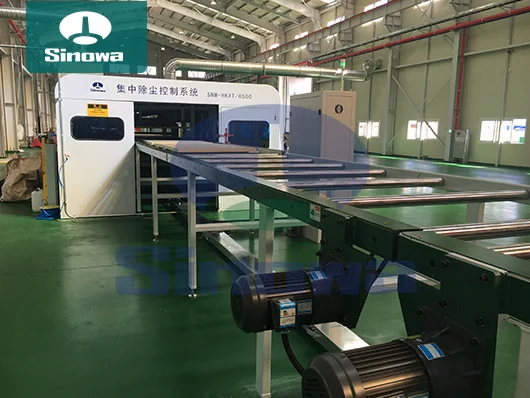
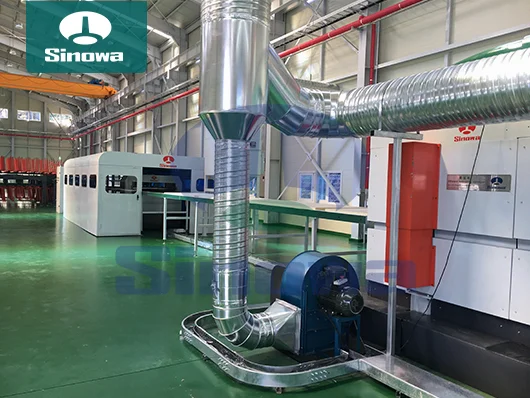
For more than ten years, relying on our innovative manufacturing concept and excellence in quality, reliable and trustworthy service to customers, we cooperate with customers all over the world, exported products to Canada, South Korea, Israel, Australia, the Middle East and other more than 20 countries and regions. contributed to building energy conservation and low-carbon production and have won widespread praise.
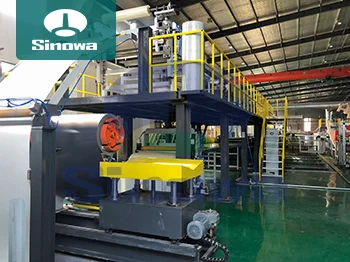
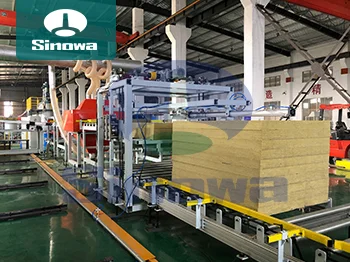
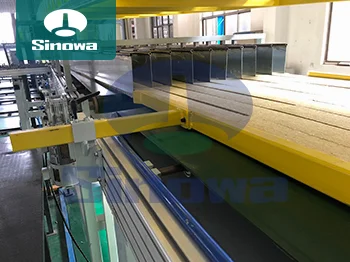
Sinowa has invested outstanding efforts in rockwool sandwich panel production line, this is why our products are more efficiency, quality, automatic control technology, environmental protection, energy consumption indicators and the appearance and safety protection are comprehensively leading, some subversive design changes in many major technical points, these major innovations make our products excellent in price/performance and user experience.
With the rapid development of the cold chain logistics industry, the demand for high-performance cold storage facilities has surged globally. Cold storage structures require materials that can maintain stable low-temperature environments, resist external thermal interference, and ensure operational safety. Among various building materials for cold storage, rockwool sandwich panels have emerged as a preferred choice due to their excellent thermal insulation, fire resistance, sound insulation, and structural stability. The production quality and efficiency of these panels are directly determined by the advanced nature of the rockwool sandwich panel production line.
The Strategic Significance of Rockwool Sandwich Panels in Cold Storage Construction
Cold storage facilities serve as the backbone of the cold chain, responsible for preserving perishable goods such as food, pharmaceuticals, and chemicals by maintaining strict temperature control. The performance of building materials used in cold storage directly impacts energy efficiency, operational costs, and product safety. Rockwool sandwich panels, characterized by their "sandwich" composite structure consisting of metal surface layers, rockwool core material, and high-strength adhesives, perfectly meet the multi-dimensional requirements of cold storage construction.
The rockwool core material, made from natural basalt and other ores through high-temperature melting, centrifugal fiber formation, and curing, possesses inherent thermal insulation properties. Its thermal conductivity typically ranges between 0.033-0.041 W/m·K, far lower than that of ordinary concrete insulation layers (approximately 1 W/m·K). This low thermal conductivity effectively reduces heat transfer, preventing cold air leakage from the interior and external heat infiltration, thereby improving the energy efficiency of cold storage. Additionally, rockwool is an inorganic material with non-combustible properties; it does not melt, burn, or release toxic gases at high temperatures, providing a reliable passive fire protection barrier for cold storage facilities where fire safety is paramount.
In low-temperature environments, materials are prone to shrinkage and embrittlement, which increases the risk of structural damage. Rockwool sandwich panels address this issue through their composite structure: the high-strength metal surface layers (usually galvanized steel or color-coated steel) provide excellent bending and compression resistance, while the rockwool core material offers internal support, enhancing the overall structural stability and seismic performance. The panels also exhibit superior sound insulation capabilities, as the porous fiber structure of rockwool absorbs sound wave energy, reducing noise transmission from both internal refrigeration equipment and external environments, thus creating a more stable operational environment.
The growing demand for high-quality rockwool sandwich panels in cold storage construction has driven the evolution of production lines from manual and semi-automatic models to fully automated systems. Modern production lines not only improve production efficiency but also ensure product consistency, laying a solid foundation for the large-scale construction of cold storage facilities.
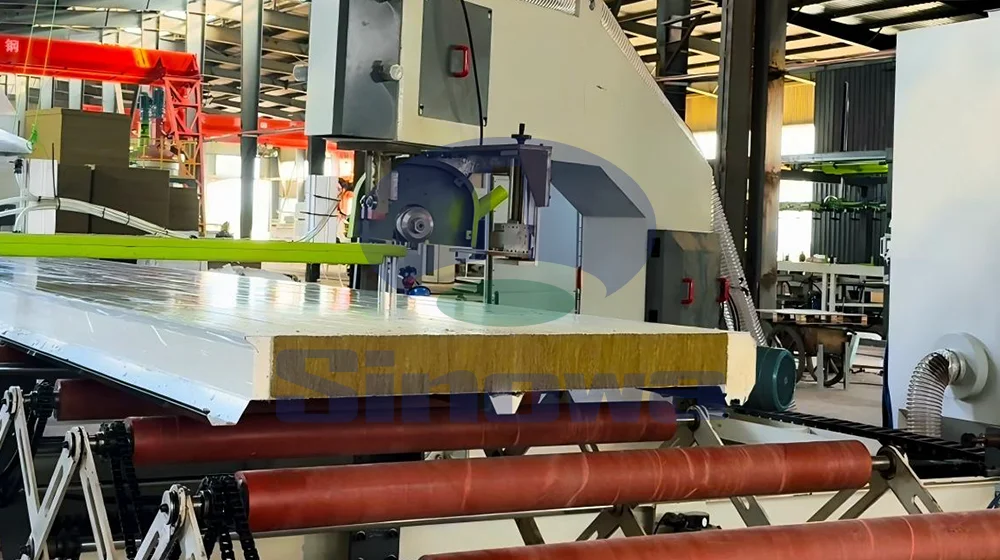
Core Components and Operational Principles of Rockwool Sandwich Panel Production Lines for Cold Storage
A modern rockwool sandwich panel production line for cold storage is a highly integrated system consisting of multiple functional modules, each working in synergy to complete the entire production process from raw material feeding to finished product stacking. The core components include the uncoiling and forming system for metal sheets, rockwool core feeding system, adhesive application system, composite pressing system, cutting system, cooling and solidification system, and automatic control system. Each module is designed to meet the specific requirements of cold storage panel production, ensuring the final product meets the strict performance standards for low-temperature environments.
Uncoiling and Forming System for Metal Sheets
The metal surface layers of rockwool sandwich panels play a critical role in structural support and external protection. The uncoiling and forming system is responsible for processing coiled metal sheets into the required shape and size. This system typically includes uncoilers, leveling machines, edge trimmers, and forming rollers. The uncoiler smoothly unwinds the coiled metal sheet, while the leveling machine removes any wrinkles or deformations to ensure the sheet is flat. The edge trimmer adjusts the width of the sheet to meet production specifications, and the forming rollers press the sheet into specific profiles (such as V-shaped, U-shaped, or hidden connection types) through continuous rolling.
The profile design of the metal surface layers is crucial for the performance of the final panel. For cold storage applications, profiles with enhanced rigidity and sealing performance are preferred to prevent cold air leakage at the joints. The forming process must be precise to ensure the consistency of the profile dimensions, which directly affects the subsequent composite process and the overall quality of the panel. Modern production lines adopt servo motor-driven forming rollers with high-precision control, enabling quick switching between different profiles to meet the diverse needs of cold storage construction (e.g., wall panels, roof panels).
Rockwool Core Feeding System
The rockwool core material is the functional core of the sandwich panel, and its uniform feeding and accurate thickness control are essential for ensuring consistent thermal insulation performance. The rockwool core feeding system includes rockwool unwinders, thickness adjustment devices, and conveying belts. High-quality rockwool rolls (with a density range of 100-160 kg/m³, optimized for both thermal insulation and structural support) are unwound and conveyed to the thickness adjustment device, which precisely controls the thickness of the rockwool core according to production requirements (typically 30-120 mm for cold storage panels).
To adapt to the low-temperature environment of cold storage, the rockwool core material must undergo special treatment to enhance its hydrophobicity. The feeding system is equipped with a pre-treatment module that applies a hydrophobic agent to the rockwool surface, preventing moisture absorption which could degrade thermal insulation performance in cold and humid conditions. The conveying belt is designed with anti-slip and anti-static features to ensure stable transportation of the rockwool core without causing fiber damage.
Adhesive Application System
The adhesive is the "linking bridge" between the metal surface layers and the rockwool core, ensuring the composite structure remains intact under long-term low-temperature conditions. The adhesive application system is responsible for uniformly applying high-performance adhesives (such as modified phenolic resin or polyurethane) to the metal sheets. This system includes adhesive storage tanks, metering pumps, and spray nozzles.
For cold storage panels, the adhesive must possess excellent low-temperature resistance, high bonding strength, and aging resistance. The metering pump precisely controls the amount of adhesive applied, ensuring a uniform coating thickness (typically 0.2-0.5 mm) to avoid bonding failure due to insufficient or excessive adhesive. The spray nozzles are arranged in a matrix pattern to cover the entire surface of the metal sheet, and the application width can be adjusted according to the panel size. Some advanced production lines adopt computer-controlled variable-speed nozzles, which can adjust the adhesive dosage in real-time based on the panel's width and production speed, reducing material waste and improving production efficiency.
Composite Pressing System
The composite pressing system is the key module for integrating the metal surface layers and rockwool core into a single composite structure. This system typically consists of a multi-roller pressing unit and a continuous pressing belt. After the adhesive is applied to the metal sheets, the upper and lower metal sheets, along with the rockwool core material, are conveyed to the pressing unit. The multi-roller pressing unit applies uniform pressure (ranging from 0.3 to 0.8 MPa) to the composite structure, ensuring close contact between the metal sheets and the rockwool core, and expelling any air bubbles that could affect bonding strength and thermal insulation performance.
The pressing process is carried out under controlled temperature conditions. The pressing rollers are equipped with heating devices that maintain a temperature of 80-120°C, which accelerates the curing of the adhesive and enhances the bonding strength. The continuous pressing belt ensures that the composite structure is subjected to consistent pressure throughout the process, preventing local deformation or delamination. The design of the pressing system takes into account the characteristics of rockwool, avoiding excessive pressure that could compress the rockwool core and reduce its thermal insulation performance.
Cutting, Cooling, and Solidification System
After the composite pressing process, the continuous panel is conveyed to the cutting system, which cuts it into the required length using high-precision circular saws or CNC cutting machines. The cutting system is equipped with position sensors that ensure accurate length control, with an error margin of less than ±2 mm, meeting the precision requirements for cold storage installation.
The freshly cut panels still retain residual heat, and immediate cooling is necessary to ensure dimensional stability. The cooling and solidification system uses air cooling or water cooling to rapidly lower the panel temperature. In air cooling systems, high-speed fans blow cold air evenly over the panel surface, while water cooling systems use circulating cooling water through cooling rollers to achieve efficient heat dissipation. The cooling process also promotes the complete curing of the adhesive, enhancing the long-term stability of the composite structure. After cooling, the panels are inspected for surface quality, thickness, and bonding strength to ensure they meet the required standards.
Automatic Control System
The automatic control system is the "brain" of the entire production line, responsible for coordinating the operation of all modules, monitoring production parameters, and ensuring process stability. Modern production lines adopt PLC (Programmable Logic Controller) control systems combined with touchscreen operation interfaces, enabling intuitive operation and reducing the difficulty of personnel training. The control system integrates multiple sensors to real-time monitor key parameters such as metal sheet thickness, rockwool core thickness, adhesive dosage, pressing pressure, and cutting length.
Advanced systems also feature parameter linkage and fault self-diagnosis functions. For example, if the thickness of the rockwool core deviates from the set value, the control system automatically adjusts the feeding speed of the rockwool unwinder to correct the deviation. In the event of a fault (such as adhesive shortage or roller jamming), the system immediately issues an alarm and stops the relevant module to prevent further damage. Some production lines are also equipped with remote control capabilities, allowing operators to monitor and adjust production parameters from a central control room, improving operational efficiency and reducing on-site personnel requirements.
Technological Advantages of Modern Production Lines for Cold Storage Applications
Compared with traditional production lines, modern rockwool sandwich panel production lines for cold storage exhibit significant technological advantages in terms of automation, flexibility, energy efficiency, and product quality control. These advantages enable the production lines to meet the growing demand for high-performance cold storage panels and support the sustainable development of the cold chain industry.
High Automation and Reduced Labor Dependence
Modern production lines realize full automation from raw material feeding to finished product stacking, significantly reducing manual intervention. Traditional semi-automatic lines require a large number of operators to handle tasks such as manual feeding, adhesive application, and panel cutting, which not only increases labor costs but also leads to inconsistent product quality due to human error. Fully automated lines, on the other hand, integrate all processes into a continuous workflow, with only a small number of operators needed for monitoring and maintenance.
The high degree of automation also improves production efficiency. Advanced production lines can achieve a continuous output of up to 2 panels per minute under stable operating conditions, with a daily output of over 2,000 square meters, meeting the large-scale supply requirements for cold storage construction projects. Additionally, automated systems can operate continuously for long periods, reducing downtime caused by manual shifts and further enhancing overall productivity.
Modular Design and High Flexibility
To adapt to the diverse needs of cold storage construction (e.g., different panel sizes, thicknesses, and profiles), modern production lines adopt a modular design. Each functional module (such as the forming system, adhesive application system, and cutting system) is designed as an independent unit that can be easily combined and replaced. This allows the production line to quickly switch between different product specifications by adjusting the relevant modules, without the need for major modifications to the entire line.
For example, by changing the forming rollers, the line can produce wall panels with hidden connections or roof panels with trapezoidal profiles. The rockwool core thickness can be adjusted within the range of 30-120 mm through the thickness adjustment device, and the cutting system can be programmed to cut panels of different lengths according to customer requirements. This flexibility enables manufacturers to respond quickly to market demands, reducing production lead times and improving market competitiveness.
Precise Quality Control and Consistent Product Performance
The performance of rockwool sandwich panels for cold storage is highly dependent on product consistency. Modern production lines ensure precise control of key production parameters through advanced automatic control systems and high-precision sensors. For example, the adhesive application system controls the dosage with an accuracy of ±5%, ensuring uniform bonding between the metal sheets and the rockwool core; the composite pressing system maintains a constant pressure, avoiding uneven bonding or core material compression; the cutting system ensures precise length control, reducing installation difficulties.
Continuous quality monitoring is also integrated into the production process. Sensors detect surface defects (such as scratches, dents, or uneven coating) in real-time, and the system automatically rejects unqualified products. Post-production testing (including thermal conductivity, bonding strength, and fire resistance tests) is carried out on sampled products to ensure the final product meets the performance requirements for cold storage applications. This strict quality control system minimizes product defects and ensures the reliability of the panels in low-temperature environments.
Energy Efficiency and Environmental Friendliness
With the increasing focus on sustainable development, energy efficiency and environmental friendliness have become important indicators of modern production lines. Manufacturers have adopted a series of energy-saving measures to reduce the environmental impact of production. For example, the pressing system uses high-efficiency servo motors instead of traditional hydraulic systems, reducing energy consumption by 20-30% and eliminating hydraulic oil leakage risks. The cooling system adopts closed-loop air cooling technology, which recycles heat and reduces energy waste.
In terms of environmental protection, the adhesive application system is equipped with closed-loop recovery devices to collect excess adhesive, reducing material waste and environmental pollution. The production line also uses low-VOC (volatile organic compound) adhesives, minimizing harmful emissions. Additionally, the modular design of the production line facilitates the recycling and reuse of components, reducing the environmental impact of equipment disposal.
Key Considerations in the Operation and Maintenance of Production Lines
To ensure the long-term stable operation of rockwool sandwich panel production lines for cold storage and maintain product quality, proper operation and regular maintenance are essential. Operators must be trained to master the operation principles and safety procedures of the production line, while a comprehensive maintenance plan should be implemented to prevent equipment failures and extend service life.
Operational Precautions
Before starting production, operators should conduct a comprehensive inspection of all modules to ensure that mechanical parts are in good condition, sensors are functioning properly, and raw materials (metal sheets, rockwool cores, adhesives) meet quality standards. During production, operators must monitor the real-time data displayed on the control system, including production speed, pressing pressure, adhesive dosage, and cooling temperature. Any deviations from the set parameters should be addressed immediately to avoid affecting product quality.
Safety is a top priority in production line operation. Operators must wear appropriate personal protective equipment (PPE) such as safety helmets, gloves, and goggles. The production line should be equipped with safety guards for moving parts (such as rollers and saws) to prevent accidents. In case of equipment failure, the emergency stop button should be pressed immediately to stop the line, and professional maintenance personnel should be notified to handle the issue.
Regular Maintenance Plan
Regular maintenance of the production line includes daily, weekly, monthly, and annual maintenance tasks. Daily maintenance involves cleaning the production line, checking for loose bolts, and lubricating moving parts. Weekly maintenance focuses on inspecting the accuracy of sensors, testing the performance of the control system, and checking the level of lubricants and adhesives. Monthly maintenance includes disassembling and inspecting key components (such as forming rollers and cutting blades), replacing worn parts, and calibrating the pressing pressure and cutting accuracy.
Annual maintenance is a comprehensive overhaul of the entire production line, including checking the structural integrity of the frame, testing the performance of the motor and control system, and replacing aging components. Additionally, the maintenance team should keep detailed records of all maintenance activities, including the date, content, and parts replaced, to facilitate traceability and optimize the maintenance plan.
Proper storage of raw materials also contributes to the stable operation of the production line. Metal sheets should be stored in a dry, well-ventilated area to prevent rusting, while rockwool cores should be protected from moisture absorption. Adhesives should be stored at the recommended temperature to maintain their performance.
Future Development Trends of Rockwool Sandwich Panel Production Lines for Cold Storage
As the cold chain industry continues to develop and environmental regulations become more stringent, rockwool sandwich panel production lines for cold storage are expected to evolve in the direction of intelligence, high efficiency, and environmental friendliness. Several key trends are likely to shape the future of these production lines:
Intelligence Driven by Industry 4.0 Technologies
The integration of Industry 4.0 technologies (such as the Internet of Things, big data, and artificial intelligence) will transform production lines into intelligent systems. Sensors will be widely used to collect real-time data on production processes, raw material quality, and equipment performance. This data will be analyzed using big data analytics to optimize production parameters, predict equipment failures, and improve production efficiency. For example, AI algorithms can adjust the adhesive dosage and pressing pressure based on the characteristics of the raw materials, ensuring optimal product performance.
Digital twins will also be adopted to create virtual models of production lines, enabling operators to simulate production processes, test new product configurations, and troubleshoot issues without affecting actual production. Remote monitoring and control capabilities will be further enhanced, allowing manufacturers to manage multiple production lines from a central location, reducing operational costs and improving management efficiency.
Further Improvements in Energy Efficiency and Environmental Performance
Future production lines will continue to focus on energy conservation and emission reduction. Manufacturers will develop more efficient heating and cooling systems, such as heat pump technology, to further reduce energy consumption. The use of renewable energy sources (such as solar energy and wind energy) to power production lines will also become more common. In terms of materials, the development of environmentally friendly adhesives with zero VOC emissions and recyclable rockwool core materials will help reduce the environmental impact of production.
Waste reduction will be another key focus. Production lines will be equipped with more advanced material recovery systems to recycle excess rockwool fibers and adhesive, minimizing waste. The modular design will be further optimized to facilitate the disassembly and reuse of components, promoting a circular economy in the manufacturing process.
Enhanced Customization Capabilities
As cold storage facilities become more specialized (e.g., ultra-low-temperature cold storage for pharmaceuticals, controlled-humidity cold storage for fruits and vegetables), the demand for customized rockwool sandwich panels will increase. Future production lines will be designed to handle a wider range of product specifications, with faster switching between different configurations. For example, the forming system will be able to produce complex profiles with higher precision, and the rockwool core feeding system will support the use of specialized core materials with enhanced performance (such as high-density rockwool for ultra-low-temperature applications).
Additive manufacturing technologies may also be integrated into production lines to enable the production of panels with customized internal structures, further enhancing their thermal insulation and structural performance. This will allow manufacturers to provide tailored solutions for different types of cold storage facilities, meeting the diverse needs of the market.
Conclusion
Rockwool sandwich panel production lines for cold storage play a crucial role in supporting the development of the cold chain industry. These production lines have evolved from manual to fully automated systems, with advanced technologies ensuring high efficiency, product consistency, and environmental friendliness. The core components of the production line work in synergy to produce panels with excellent thermal insulation, fire resistance, and structural stability, which are essential for maintaining the performance and safety of cold storage facilities.
As the cold chain industry continues to grow, the demand for high-performance rockwool sandwich panels will increase, driving further innovations in production line technology. The future of these production lines lies in intelligence, energy efficiency, and customization, with Industry 4.0 technologies, renewable energy sources, and advanced material processing techniques shaping their development. By investing in modern production lines and implementing proper operation and maintenance practices, manufacturers can meet the evolving needs of the cold storage market, contributing to the sustainable development of the cold chain industry.
In conclusion, the continuous advancement of rockwool sandwich panel production lines for cold storage is not only a reflection of the development of the manufacturing industry but also a key enabler for the expansion and upgrading of the cold chain logistics sector. These production lines will continue to play a vital role in ensuring the quality and safety of perishable goods, supporting global food security and public health.
« Rockwool Sandwich Panel Production Line For Cold Storage » Update Date: 2026/1/9
- Rockwool Sandwich Panel Line For Construction
- Lines For Mineral Wool Production
- Machinery For Mineral Wool Production
- Mineral Wool Line Design
- High Quality Rock Wool Sandwich Panel Production Line
- High Efficiency Rock Wool Sandwich Panel Line
- Custom Rockwool Sandwich Panel Production Line
- Mineral Wool Line From China
- High-quality Rock Wool Panel Production Line
- Low Price Rockwool Sandwich Panel Machine
- Cheap Rockwool Production Line
- Customized Rockwool Machine
- Rock Wool Line Manufacturer
- Mineral Wool External Wall Insulation Panel Production Line
- Mineral Wool Sandwich Panel Machine For Sale
- Low Price Rock Wool Sandwich Panel Machine
- Rock Wool Sandwich Panel Production Line Vendor In China
- Rock Wool Line Factory
- Highly Intelligent Rock Wool Panel Production Line
- Rockwool Sandwich Panel Line
- Links:
- Sandwich Panel Continuous Production Line
- Automatic and Continuous Sandwich Panel Production Line
- Cheap and Low Price Sandwich Panel Production Line
- China Sandwich Panel Production Line Factory
- Color Steel Sandwich Panel Production Line For Cold Storage
- Continuous Composite Foam Sandwich Panel Production Line
- Continuous Production Line For Rockwool and Mineral Wool Sandwich Panels
- Continuous PU Phenolic Insulation Panel Production Line
- Continuous PU PIR Sandwich Panel Production Line
- Continuous PUF PUR Sandwich Panel Production Line
- Continuous Sandwich Panel Production Line For Roof and Wall
- Customized and Design Sandwich Panel Production Line
- Decorative Sandwich Panel Production Line For Glass Wool Boards
- High Quality Sandwich Panel Production Line For Sale
- Polyurethane(PU) Sandwich Panel Production Line
- Sandwich Panel Production Line Manufacturer and Supplier