
Cheap Decorative PU Sandwich Panel Production Line
Sinowa is a well-known manufacturer and technical service provider of high-end decorative pu sandwich panel production line, learn more about cheap decorative pu sandwich panel production line, please contact Sinowa's technical engineer, tell us what you need, we will contact you as soon as possible!
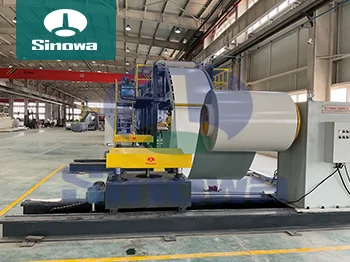
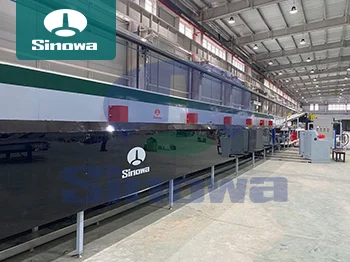
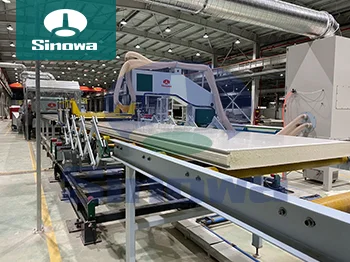
Sinowa is committed to the development and manufacturing of high-end and high-efficiency decorative pu sandwich panel production line. Our decorative pu sandwich panel production line are leading the way in efficiency, automatic control, human-computer interaction, environmental protection and energy consumption. Using system integration and bus control technology, it realizes the automatic integrated linkage control of the entire decorative pu sandwich panel production line, and can achieve remote interactive communication, which has the world-class level and a comprehensive leading high-performance decorative pu sandwich panel production line in the market.
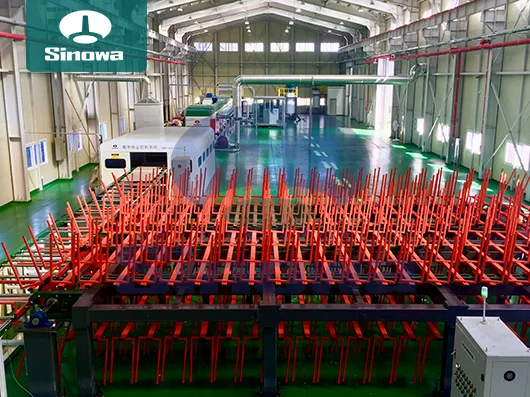
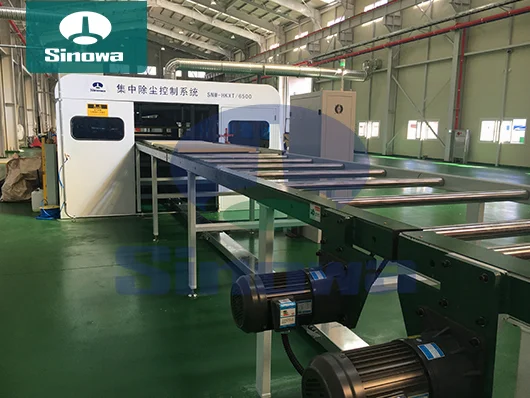
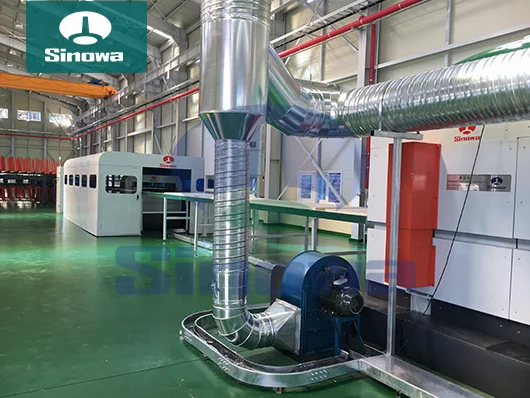
For more than ten years, relying on our innovative manufacturing concept and excellence in quality, reliable and trustworthy service to customers, we cooperate with customers all over the world, exported products to Canada, South Korea, Israel, Australia, the Middle East and other more than 20 countries and regions. contributed to building energy conservation and low-carbon production and have won widespread praise.
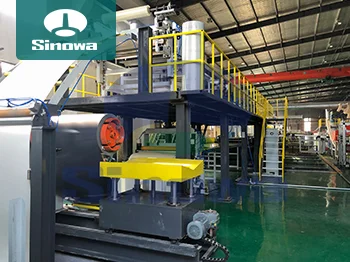
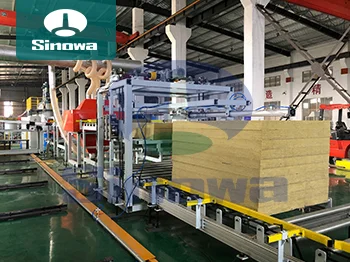
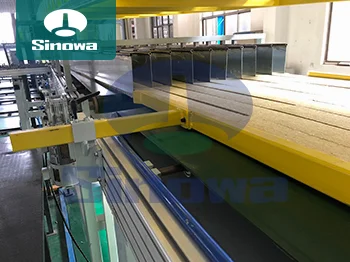
Sinowa has invested outstanding efforts in decorative pu sandwich panel production line, this is why our products are more efficiency, quality, automatic control technology, environmental protection, energy consumption indicators and the appearance and safety protection are comprehensively leading, some subversive design changes in many major technical points, these major innovations make our products excellent in price/performance and user experience.
The cheap decorative PU sandwich panel production line has emerged as a practical manufacturing solution for fabricating composite wall cladding materials that balance visual appeal and functional performance. Unlike heavy traditional building materials that require complicated on-site installation, the panels produced by this line integrate decorative surface layers and polyurethane foam cores, making them suitable for a wide array of building renovation and new construction projects. This production setup is optimized for small and mid-scale manufacturers who want to enter the decorative panel market without massive upfront investment in overly complex machinery. The whole system combines decoiling, surface embossing, roll forming, PU foaming, continuous laminating, cutting and stacking modules into one connected workflow. Each unit is engineered with simplified mechanical structures to cut unnecessary manufacturing costs while preserving the basic ability to create textured surfaces that mimic brick, marble or wood grain. Operators can adjust surface patterns and panel dimensions by changing molds and setting parameters on the control interface, which gives manufacturers flexibility to respond to diverse aesthetic preferences from construction clients. The line focuses on stable continuous operation rather than extreme high-speed output, so it can maintain consistent product quality during long shifts and reduce unexpected downtime caused by sophisticated and fragile components. Many new panel producers find this type of equipment particularly attractive because it lowers the threshold to start production of decorative insulation panels, opening market opportunities in segments where project budgets are restrained and lightweight decorative building materials are highly demanded.
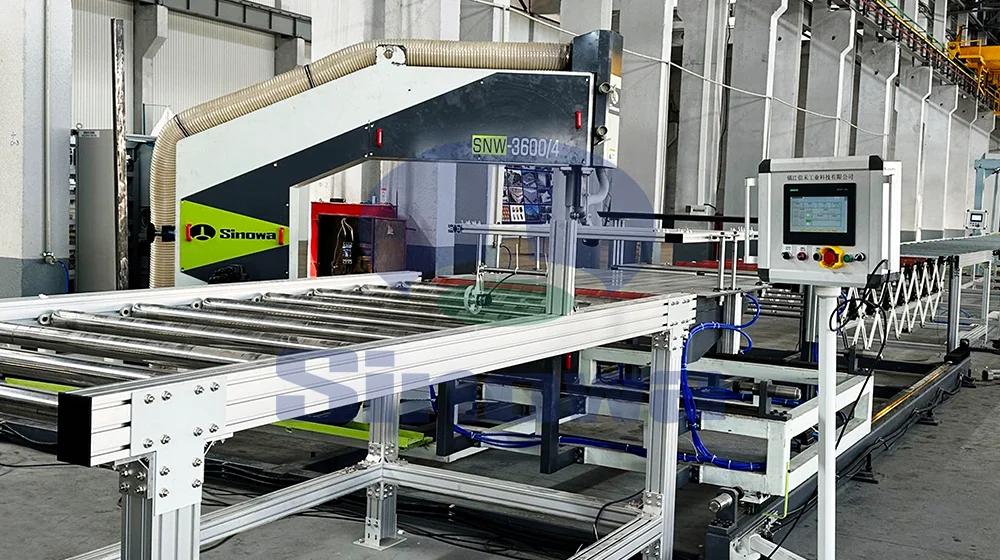
Raw material handling is the initial stage of the cheap decorative PU sandwich panel production line, and careful preparation directly affects the final appearance and structural stability of finished panels. The line starts with decoiler stations that release continuous rolls of decorative facing sheets, which can be metal or other composite substrate materials selected according to target decorative effects. Before entering the forming section, the surface of the substrate undergoes basic cleaning to clear dust and oil contaminants that may weaken bonding between the outer sheet and PU foam core. Next, the sheet moves into embossing and roll forming equipment, where pressure molds imprint decorative textures and shape the edge profiles of the panel skin. This embossing process is critical because it creates the realistic decorative texture on the panel surface, eliminating the need for secondary painting or coating work after panel formation. The liquid polyurethane raw materials are stored in separate tanks and delivered to a mixing unit, where they are blended in accurate proportions before pouring. The pouring head spreads the mixed liquid evenly over the moving lower substrate sheet. Operators monitor raw material flow and temperature during this phase to avoid uneven foaming, bubbles or poor adhesion. The design of this low-cost line simplifies raw material feeding and monitoring systems, using reliable sensors instead of excessive high-end detecting hardware. This streamlined design still ensures proper material distribution, reduces raw material waste, and keeps operational expenses manageable for factories running on limited operating budgets.
The foaming and continuous laminating section forms the core working part of the cheap decorative PU sandwich panel production line, determining the thermal insulation performance and bonding strength of finished sandwich panels. After the liquid PU mixture is applied onto the lower decorative sheet, the upper facing sheet is guided to align with the lower layer, and both sheets enter the double-belt conveyor system. The adjustable gap between the upper and lower belts sets the target thickness of the panel, and the closed conveyor space provides a stable environment for the polyurethane chemical reaction. The liquid PU quickly expands and foams inside this confined space, filling the gap between the two facing sheets and forming a solid foam core with tightly connected cells. During expansion, the foam firmly adheres to the inner surface of both upper and lower decorative skins, forming an integrated composite structure without delamination. The conveyor maintains synchronized movement between top and bottom belts to prevent shifting or wrinkling of the decorative surface, which is essential to preserve the integrity of embossed patterns. While premium production lines use highly sophisticated temperature regulation systems, this economical version adopts practical thermal control methods sufficient to support complete PU curing. The whole foaming and laminating process runs continuously, so panels take shape in a steady stream rather than in separate batches. This continuous working mode raises overall production efficiency and keeps labor requirements low, as only a small team of workers is needed to supervise the whole operation.
Once the composite panel passes through the curing zone of the cheap decorative PU sandwich panel production line, it proceeds to the cutting and post-processing stages. The newly formed continuous panel still needs time to finish chemical cross-linking so the PU core gains full structural rigidity before cutting. After adequate curing, the moving panel reaches the flying shear cutting unit, which cuts the long continuous board into preset lengths according to production orders. The cutting device follows the running speed of the panel automatically, so cutting can happen without stopping the main production line, avoiding losses in output efficiency. After cutting, edge trimming may be performed to smooth panel edges and remove minor burrs generated during the cutting process. This step ensures neat edges for easy assembly when panels arrive at construction sites. The finished panels then travel to an automatic stacking table, which neatly stacks individual panels and prepares them for packaging and transportation. The stacking mechanism reduces manual handling work and prevents surface scratches on decorative layers that often occur during manual moving. The low-cost production line simplifies the post-processing section by removing redundant polishing or surface treatment functions, as the decorative texture is already completed in the earlier embossing phase. This approach keeps equipment costs down and shortens the overall production cycle, letting factories turn raw materials into shippable finished panels in a compact workflow.
Operational control and daily maintenance are important considerations for users running the cheap decorative PU sandwich panel production line. The whole line is managed by a centralized control system with a touchscreen interface, allowing operators to adjust running speed, panel length, foaming parameters and other key settings from one position. Multiple sensors installed along the production track feed real-time data back to the controller, detecting abnormal conditions such as material jamming or uneven raw material supply and triggering alerts to operators. The control system is designed with user-friendly logic, so workers can master basic operation after a short training period, without requiring specialized technical backgrounds. In terms of maintenance, most components of this economical line use standard mechanical parts that are easy to source and replace. Regular maintenance mainly includes cleaning the conveyor belts, checking the mixing head of the PU foaming system, lubricating transmission parts and inspecting mold surfaces for wear. Timely routine checks can prevent sudden breakdowns and extend the service life of the whole equipment. Compared with high-end production lines equipped with complicated self-diagnosis systems, this model relies more on scheduled manual inspection, which is acceptable for small-scale factories. Simple maintenance requirements help operators keep long-term running costs under control and avoid heavy expenses for professional repair services.
Panels manufactured by the cheap decorative PU sandwich panel production line possess a set of practical characteristics that match many common building application scenarios. The decorative outer layer delivers diverse visual effects, replicating classic textures to replace heavier natural stone or clay brick cladding. The PU foam core brings outstanding thermal insulation capacity, helping reduce energy consumption for indoor heating and cooling. The finished panels are lightweight, which lowers the load on building structures and makes transportation and manual installation much easier. The integrated composite structure also offers decent moisture resistance, protecting wall surfaces from dampness in many common working environments. These panels can be applied to exterior wall cladding, interior wall decoration, prefabricated housing, auxiliary buildings and renovation projects of old buildings. Since the production line focuses on cost control, the finished products target market segments where clients prioritize economic building solutions while still requiring attractive decorative effects. The material combination avoids excessive high-performance additives that would push up product costs. Although these panels may not fit every extreme working environment, they can reliably meet the needs of most conventional building decoration projects, creating a stable market demand for manufacturers using this type of production equipment.
When selecting and deploying a cheap decorative PU sandwich panel production line, factory operators need to evaluate site conditions, production targets and operational planning comprehensively. First, the workshop space must accommodate the full length of the line, with reserved zones for raw material storage, panel stacking and finished goods storage. Proper ventilation is also required around the PU foaming area to maintain a safe working environment during continuous production. Operators should estimate the expected daily output and product variety to select a suitable configuration of the line, choosing optional modules only when necessary to avoid unnecessary spending. Some users may add extra embossing molds later to expand the range of decorative patterns after the basic line starts running smoothly. Staff training should cover safe handling of PU chemical raw materials, standard operating procedures and basic troubleshooting. Before formal mass production, trial runs are strongly recommended to test raw material matching, adjust foaming parameters and check the surface quality of sample panels. Trial production helps identify potential defects in advance and fine-tune machine settings. Planning the production layout reasonably can improve material flow inside the workshop and reduce movement distances for raw materials and finished goods. All these preparation steps help factory owners maximize the value obtained from this economical production line and avoid unnecessary losses caused by inadequate pre-operation preparation.
The market outlook for the cheap decorative PU sandwich panel production line remains positive as demand for affordable prefabricated building materials keeps growing. Construction markets continuously seek lightweight, fast-installation decorative materials to shorten project timelines and cut total construction expenditure. Traditional decorative building materials often involve heavy transportation, slow installation and high labor costs, which creates market space for decorative PU sandwich panels. This low-cost production line lowers the entry barrier for new manufacturers, promoting wider local supply of decorative insulation panels and shortening delivery cycles for regional construction projects. As more builders recognize the advantages of composite decorative panels, manufacturers with this production equipment can expand their product portfolios and explore multiple downstream application sectors. While the market also has higher-specification production lines capable of producing premium panels, the economical model occupies a unique niche by satisfying price-sensitive demand. Equipment designers continue to optimize the mechanical layout of this line, improving component durability and reducing material consumption without raising overall equipment investment. For small and medium manufacturers, this production line serves as a practical starting point to enter the decorative composite panel industry. With proper operation and continuous product adjustment according to market feedback, users of this line can maintain stable production and capture sustainable business opportunities in the evolving decorative building material sector.
« Cheap Decorative PU Sandwich Panel Production Line » Update Date: 2026/10/16
Tags: Decorative PU Sandwich Panel Production Line , decorative pu sandwich panel production line, decorative pu sandwich panel production line manufacturer, decorative pu sandwich panel production line supplier, decorative pu sandwich panel production line for sale, customized decorative pu sandwich panel production line, china decorative pu sandwich panel production line
- Fully Automatic Sandwich Panel Making Machine Supplier
- High-end Polyurethane Sandwich Panel Manufacturing Line
- Color Steel Sandwich Panel Production Line In China
- PU Sandwich Panel Machine On Sales
- PU Sandwich Panel Making Machine For Construction
- Sandwich Panel Making Equipment Price
- Continuous PUF Panel Production Line Design
- Insulated Sandwhich Panel Production Line Manufacturer
- Soundproofing Sandwich Panel Production Line On Sales
- Highly Intelligent Polyurethane Insulation Panel Production Line
- High Efficiency Sandwich Panel Integrated Production Line
- Isolation Sandwich Panel Production Line Price
- Customized Foam Sandwich Panel Production Line
- Sandwich Roof Panel Production Line Design
- High-quality Cold Storage Sandwich Panel Production Line
- High-tech Composite Sandwich Panel Production Line
- Isolation PU Sandwich Panel Line
- Continuous Sandwich Panel Line Design
- Insulated Sandwich Panel Line For Sale
- PIR Sandwich Panel Line For Roof
- Links:
- Sandwich Panel Continuous Production Line
- Automatic and Continuous Sandwich Panel Production Line
- Cheap and Low Price Sandwich Panel Production Line
- China Sandwich Panel Production Line Factory
- Color Steel Sandwich Panel Production Line For Cold Storage
- Continuous Composite Foam Sandwich Panel Production Line
- Continuous Production Line For Rockwool and Mineral Wool Sandwich Panels
- Continuous PU Phenolic Insulation Panel Production Line
- Continuous PU PIR Sandwich Panel Production Line
- Continuous PUF PUR Sandwich Panel Production Line
- Continuous Sandwich Panel Production Line For Roof and Wall
- Customized and Design Sandwich Panel Production Line
- Decorative Sandwich Panel Production Line For Glass Wool Boards
- High Quality Sandwich Panel Production Line For Sale
- Polyurethane(PU) Sandwich Panel Production Line
- Sandwich Panel Production Line Manufacturer and Supplier
- Sandwich Panel Production Machinery and Equipment