
Continuous PU Sandwich Panel Line Supplier
Sinowa is a well-known manufacturer and technical service provider of high-end continuous pu sandwich panel line, learn more about continuous pu sandwich panel line supplier, please contact Sinowa's technical engineer, tell us what you need, we will contact you as soon as possible!
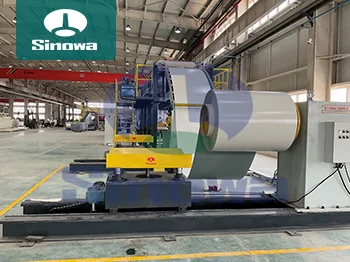
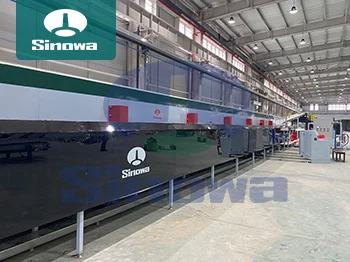
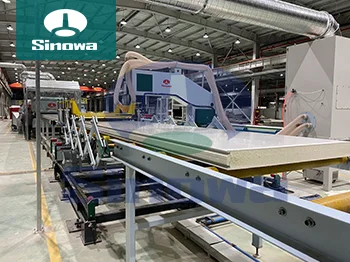
Sinowa is committed to the development and manufacturing of high-end and high-efficiency continuous pu sandwich panel line. Our continuous pu sandwich panel line are leading the way in efficiency, automatic control, human-computer interaction, environmental protection and energy consumption. Using system integration and bus control technology, it realizes the automatic integrated linkage control of the entire continuous pu sandwich panel line, and can achieve remote interactive communication, which has the world-class level and a comprehensive leading high-performance continuous pu sandwich panel line in the market.
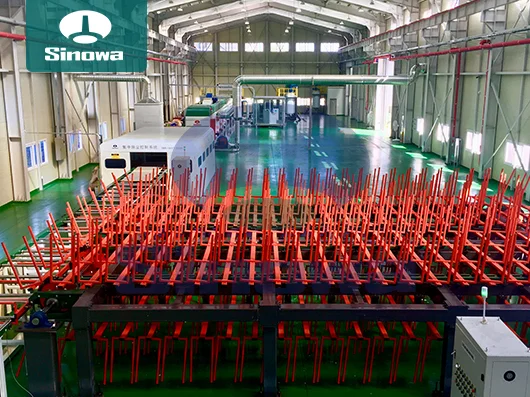
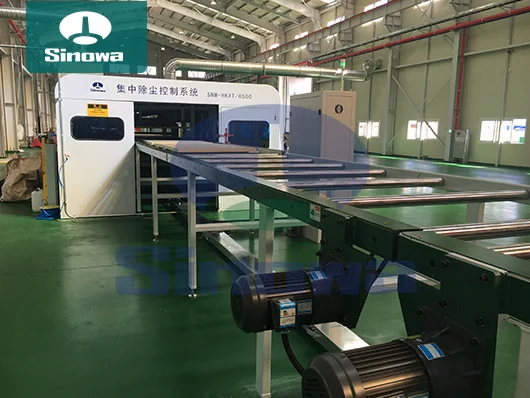
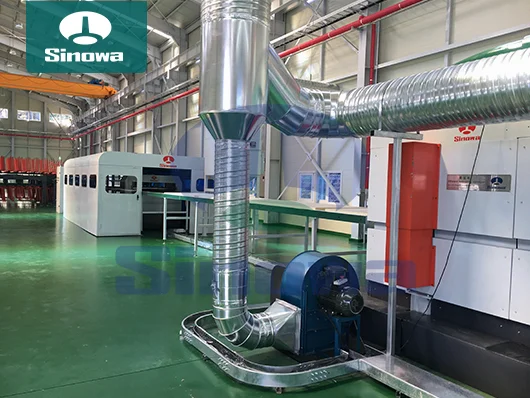
For more than ten years, relying on our innovative manufacturing concept and excellence in quality, reliable and trustworthy service to customers, we cooperate with customers all over the world, exported products to Canada, South Korea, Israel, Australia, the Middle East and other more than 20 countries and regions. contributed to building energy conservation and low-carbon production and have won widespread praise.
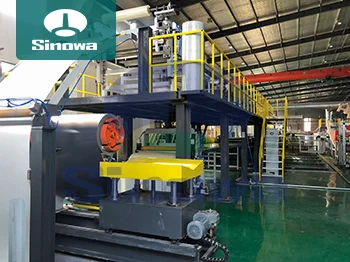
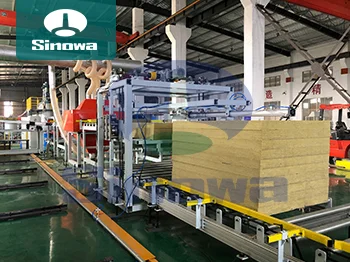
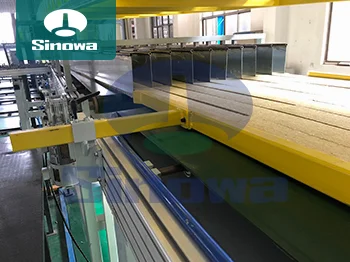
Sinowa has invested outstanding efforts in continuous pu sandwich panel line, this is why our products are more efficiency, quality, automatic control technology, environmental protection, energy consumption indicators and the appearance and safety protection are comprehensively leading, some subversive design changes in many major technical points, these major innovations make our products excellent in price/performance and user experience.
In the global landscape of modern construction and industrial insulation solutions, polyurethane (PU) sandwich panels have emerged as a cornerstone material, prized for their exceptional thermal efficiency, structural integrity, lightweight profile, and versatile application across residential, commercial, and industrial sectors. These high-performance composite panels, consisting of a rigid PU foam core bonded between two protective facing layers, have revolutionized building envelope design, cold chain infrastructure, prefabricated construction, and energy-efficient facility development. At the heart of consistent, large-scale production of these panels lies the continuous PU sandwich panel line—a sophisticated, fully integrated manufacturing system that combines mechanical engineering, chemical processing, automation, and precision control. A reliable continuous PU sandwich panel line supplier is far more than a mere equipment provider; it is a strategic partner that shapes the operational success, product quality, and long-term sustainability of panel manufacturing businesses worldwide.
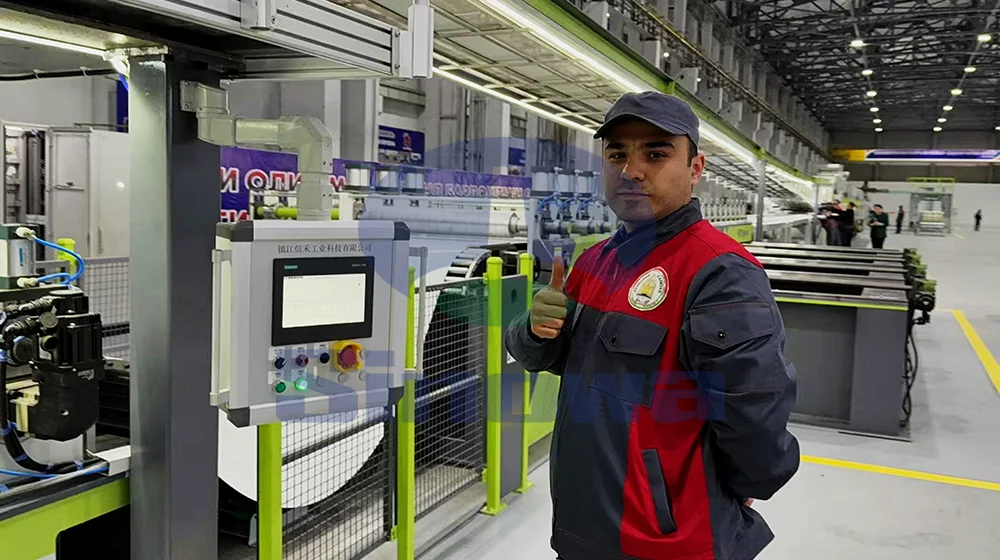
To fully grasp the significance of a dedicated continuous PU sandwich panel line supplier, it is essential to first understand the complexity and seamless coordination required by a fully functional continuous production line. Unlike batch or semi-continuous manufacturing methods that rely on manual intervention, fragmented workflows, and extended production cycles, a continuous PU sandwich panel line operates as a single, synchronized system that transforms raw materials into finished panels without interruption, from start to finish. The line encompasses a series of interconnected modules, each designed to perform a specific task with pinpoint accuracy, and every segment must work in perfect harmony to maintain consistent product quality, uniform dimensions, and optimal production speed. The process begins with the uncoiling and preparation of facing materials, which typically include metal sheets such as steel or aluminum, though other specialized facing materials may be used for unique industrial applications. The supplier must engineer the uncoiling and leveling units to handle various coil widths, thicknesses, and material strengths, ensuring that the facing layers are fed smoothly into the line without warping, creasing, or misalignment. This initial stage is foundational, as any imperfection in the facing material preparation will carry through the entire production process and compromise the final panel’s structural stability and aesthetic finish.
Following the preparation of the facing layers, the line moves into the roll forming stage, where the flat metal sheets are shaped into precise profiles tailored to specific end uses—such as wall panels, roof panels, cold storage panels, or cleanroom panels. The roll forming equipment must be engineered with high-precision rollers and adjustable settings to accommodate diverse profile designs, from simple flat panels to corrugated, trapezoidal, or interlocking profiles that enhance installation efficiency and weather resistance. A skilled continuous PU sandwich panel line supplier invests heavily in designing roll forming systems that minimize material waste, reduce wear and tear on tooling, and maintain tight dimensional tolerances across every panel produced. Once the facing layers are properly formed, the line transitions to the core of the entire manufacturing process: the PU foam injection and bonding phase. This stage is where the chemical properties of the polyurethane raw materials are activated, and the foam core is uniformly distributed between the upper and lower facing layers to create a fully bonded composite structure. The supplier’s expertise in designing the high-pressure dosing and mixing system is paramount here; this system must accurately meter and blend polyol and isocyanate components, along with specialized additives, at a consistent ratio and pressure to ensure uniform foam expansion, density, and curing. Even minor deviations in mixing ratio, pressure, or temperature can result in uneven foam distribution, weak bonding between layers, reduced thermal insulation performance, or structural weaknesses in the finished panels.
Immediately after the PU foam is injected between the facing layers, the composite material enters the double-belt press system, another critical component engineered by the supplier. This heated, controlled-pressure zone is where the foam cures fully, bonds securely to both facing layers, and sets into a rigid, uniform core while maintaining the exact panel thickness specified by the manufacturer. The double-belt press must maintain consistent temperature across its entire length and apply steady, even pressure to prevent foam collapse, air pockets, or delamination—common defects that render panels unsuitable for high-performance applications like cold storage or industrial building construction. The length and design of the double-belt press are carefully calibrated by the supplier to match the curing time of the PU foam formulation used, ensuring that panels exit the press fully cured and ready for subsequent processing without delay. After curing, the continuous panel strip moves through precision trimming and cutting units, which trim excess material from the edges and cut the continuous panel into custom lengths as required by the end user. The flying saw cutting system, a key feature supplied by reputable equipment providers, operates at full line speed to ensure clean, square cuts without stopping the production flow, maximizing overall efficiency and reducing production downtime. Finally, the finished panels are conveyed to a stacking and handling system, where they are carefully stacked, protected, and prepared for storage or shipping, completing the fully continuous manufacturing cycle.
What sets a leading continuous PU sandwich panel line supplier apart from generic equipment manufacturers is its deep, specialized understanding of the entire PU sandwich panel production ecosystem, not just individual machine components. These suppliers do not simply assemble and sell machinery; they leverage years of industry experience, technical research, and on-the-ground application knowledge to design production lines that align with the unique operational goals, production capacity needs, and product specifications of each client. Every business that invests in a continuous PU sandwich panel line has distinct requirements: some focus on high-volume production for large-scale commercial construction projects, others specialize in custom-sized panels for niche cold chain or cleanroom applications, and some prioritize energy efficiency and low operational waste in their manufacturing facilities. A dedicated supplier takes the time to assess these individual needs, conducting thorough consultations to evaluate production space, labor resources, raw material availability, and target market demands before recommending or customizing a production line solution. This personalized approach ensures that the equipment is not only technically sound but also fully optimized for the client’s specific operational context, avoiding over-engineering or under-performance that can lead to inefficiencies, increased costs, and missed market opportunities.
Technical consistency and reliability are non-negotiable when it comes to continuous PU sandwich panel lines, as even brief disruptions in production can lead to significant financial losses, delayed order fulfillment, and damage to a manufacturer’s reputation. A reputable supplier prioritizes durability and robust construction in every component of the production line, using high-quality materials and precision engineering to withstand the rigors of continuous, 24/7 operation in industrial environments. From heavy-duty frame structures that resist vibration and wear to corrosion-resistant components that withstand exposure to PU raw materials and industrial dust, every detail is engineered to minimize maintenance needs and maximize uptime. Additionally, top suppliers integrate advanced automation and control systems into their production lines, replacing manual adjustments and monitoring with intuitive, programmable control interfaces that allow operators to manage line speed, temperature, pressure, foam ratio, and cutting dimensions with exceptional precision. These automated systems reduce the risk of human error, ensure consistent product quality across every batch, and enable real-time monitoring of production metrics to identify and address potential issues before they escalate into costly downtime. The supplier’s role in providing comprehensive operator training is equally vital; they equip the client’s team with the knowledge and skills to operate the line safely, perform routine maintenance tasks, and troubleshoot minor issues independently, fostering long-term operational independence and efficiency.
Beyond equipment design and delivery, a reliable continuous PU sandwich panel line supplier offers end-to-end support throughout the entire lifecycle of the production line, starting from the initial design and planning phase through installation, commissioning, and ongoing after-sales service. The installation and commissioning process is a critical phase that requires expert oversight to ensure the line is assembled correctly, calibrated to optimal performance settings, and integrated seamlessly into the client’s manufacturing facility. Experienced suppliers dispatch skilled technical teams to oversee installation, conduct thorough testing of each module and the full line, and fine-tune settings to match the client’s raw material specifications and production targets. This hands-on commissioning ensures that the line starts production smoothly and meets performance benchmarks from day one, eliminating the delays and quality issues that can arise from improper installation. Post-commissioning, the supplier’s support does not end; they provide accessible, responsive after-sales service, including timely technical assistance, replacement parts supply, and ongoing maintenance guidance. As production needs evolve or new industry trends emerge, the supplier also offers flexibility for line upgrades, modifications, or expansion—such as adding specialized modules for new panel profiles, enhancing automation features, or adapting the line to use more sustainable raw materials. This long-term partnership approach builds trust and ensures that the client’s production line remains competitive, efficient, and compliant with evolving market standards for years to come.
The demand for continuous PU sandwich panel lines has grown exponentially in recent years, driven by global trends toward energy-efficient construction, sustainable building practices, and the expansion of the cold chain logistics industry. Governments and regulatory bodies worldwide are implementing stricter energy efficiency standards for buildings, pushing architects, contractors, and developers to adopt high-insulation materials that reduce heating and cooling energy consumption. PU sandwich panels meet these demands perfectly, as their low thermal conductivity significantly improves a building’s energy performance, reduces carbon emissions, and lowers long-term operational costs for building owners. Additionally, the rapid growth of e-commerce, food processing, and pharmaceutical industries has fueled demand for cold storage facilities, refrigerated warehouses, and temperature-controlled transportation—all of which rely heavily on high-quality PU sandwich panels for superior insulation and temperature retention. The prefabricated construction sector, which prioritizes speed, cost efficiency, and modular design, also relies on continuous production lines to deliver consistent, ready-to-install panels at scale. As these market trends continue to accelerate, the role of the continuous PU sandwich panel line supplier becomes even more critical, as manufacturers require equipment that can keep pace with rising demand while maintaining uncompromising product quality.
Sustainability has become a central focus in the PU sandwich panel industry, and forward-thinking suppliers are leading the way in developing eco-friendly production line solutions that align with global sustainability goals. Traditional manufacturing processes for composite panels can carry environmental considerations related to energy consumption, material waste, and raw material usage, and modern suppliers are engineering production lines to minimize these impacts. This includes designing energy-efficient heating and curing systems that reduce power consumption, optimizing material handling processes to minimize scrap and waste, and developing lines that are compatible with more sustainable PU raw materials and recycled facing materials. Reputable suppliers also prioritize durability in their equipment, ensuring that production lines have a long service life and require minimal replacement of components, reducing the environmental footprint associated with equipment manufacturing and replacement. For panel manufacturers, investing in a sustainable production line from a responsible supplier not only aligns with corporate social responsibility goals but also enhances their market appeal, as environmentally conscious customers and regulatory bodies increasingly prioritize sustainable production practices in the building material sector.
For businesses seeking to partner with a continuous PU sandwich panel line supplier, several key factors should guide the selection process to ensure a successful, long-term collaboration. First and foremost is the supplier’s technical expertise and industry experience—suppliers with a proven track record of designing, manufacturing, and supporting continuous PU sandwich panel lines bring invaluable knowledge that generic equipment providers cannot match. It is essential to evaluate the supplier’s portfolio of past projects, their understanding of the unique challenges of PU foam processing and continuous panel production, and their ability to customize solutions to meet specific production needs. Second, production line quality and component reliability should be thoroughly assessed; high-quality components, robust construction, and rigorous testing protocols ensure that the line operates consistently and minimizes downtime. Third, the level of after-sales support and customer service is critical; a supplier that offers responsive technical support, timely parts delivery, and ongoing training and maintenance assistance will help maximize the lifespan and efficiency of the production line. Fourth, flexibility and adaptability are key; the supplier should be able to adjust the line design to accommodate different panel sizes, profiles, and raw material formulations, as well as support future upgrades as market needs change. Finally, alignment on operational goals and values—such as quality, efficiency, and sustainability—ensures that the supplier and manufacturer work as a cohesive team toward shared success.
It is also important to recognize that the relationship between a continuous PU sandwich panel line supplier and a manufacturer is a collaborative partnership, not a one-time transaction. The best suppliers take a proactive approach, staying updated on the latest technological advancements, industry trends, and market demands in the PU sandwich panel sector and sharing this knowledge with their clients. This may include insights into new PU foam formulations that enhance insulation or fire resistance, advancements in automation that boost production efficiency, or emerging application areas for PU sandwich panels that open new market opportunities for manufacturers. By fostering open communication and collaboration, suppliers help their clients stay ahead of industry competitors, adapt to changing market conditions, and continuously improve their product offerings and operational efficiency. This collaborative dynamic transforms the supplier from an external vendor into an integral part of the manufacturer’s growth and success strategy.
In the competitive global market for PU sandwich panels, manufacturers cannot afford to compromise on the quality and reliability of their production equipment. A subpar production line, sourced from a supplier with limited expertise or poor support, will result in inconsistent product quality, frequent breakdowns, high maintenance costs, and an inability to meet customer demand—all of which can undermine a manufacturer’s market position and profitability. In contrast, a high-quality continuous PU sandwich panel line from a reputable, experienced supplier provides a solid foundation for operational excellence, enabling manufacturers to produce consistent, high-performance panels at scale, meet tight project deadlines, and build a strong reputation for reliability and quality in the marketplace. The initial investment in a premium production line is offset by long-term benefits, including lower operational costs, reduced downtime, minimal material waste, and increased customer satisfaction—all of which contribute to sustainable business growth and profitability.
Looking ahead, the continuous PU sandwich panel industry is poised for continued innovation, driven by advancements in automation, materials science, and sustainable manufacturing practices. Suppliers will play a pivotal role in driving this innovation, developing next-generation production lines that integrate artificial intelligence for real-time process optimization, enhance energy efficiency even further, and support the production of advanced PU sandwich panels with improved performance characteristics—such as enhanced fire resistance, higher structural strength, and greater environmental sustainability. As the global focus on green building and energy conservation intensifies, the demand for high-quality PU sandwich panels will continue to rise, and manufacturers that partner with innovative, reliable suppliers will be well-positioned to capitalize on these opportunities. The continuous evolution of production line technology will also make continuous PU sandwich panel lines more accessible to businesses of varying sizes, from small-scale specialty manufacturers to large-scale industrial producers, further expanding the reach and impact of this versatile building material.
In conclusion, a continuous PU sandwich panel line supplier is an indispensable partner in the modern building material manufacturing industry, providing the technical expertise, high-quality equipment, and ongoing support that enable the efficient, reliable production of PU sandwich panels. These specialized suppliers bridge the gap between raw material science and industrial manufacturing, engineering sophisticated production lines that combine precision, automation, and durability to meet the growing global demand for energy-efficient, high-performance composite panels. From the initial design and customization phase through installation, training, and long-term after-sales support, reputable suppliers prioritize their clients’ success, fostering collaborative partnerships that drive operational excellence, product quality, and sustainable growth. As the construction and cold chain industries continue to evolve and prioritize efficiency and sustainability, the role of the continuous PU sandwich panel line supplier will only grow in importance, serving as a catalyst for innovation and progress in a vital sector of the global economy. For any business engaged in PU sandwich panel manufacturing, choosing the right supplier is not just a purchasing decision—it is a strategic investment that shapes the company’s present performance and future potential in a dynamic and competitive market.
« Continuous PU Sandwich Panel Line Supplier » Update Date: 2026/3/24
- Insulated Sandwich Panel Line Design
- Custom Polyurethane Sandwich Panel Manufacturing Line
- Composite Sandwich Panel Production Line Price
- PU Sandwich Panel Machine For Clean Room
- High-quality Insulated Sandwich Panel Line
- Highly Intelligent Polyurethane Foam Production Line
- Custom Sandwich Roof Panel Production Line
- Sandwich Panel Integrated Production Line Design
- Wall Sandwich Panel Production Line
- Roof Sandwich Panel Production Line Supplier
- Sandwich Panel Making Equipment Manufacturer
- High-tech PU Sandwich Panel Line
- Highly Intelligent Polyurethane Sandwich Panel Machinery
- Customized PU Board Production Line
- PU Board Production Line Manufacturer
- Cheap Glass Wool Sandwich Panel Line
- Insulated Sandwich Panel Line Manufacturer
- PU Insulation Panel Production Line Design
- Cheap Glass Wool Production Line
- PUF Panel Machine From China
- Links:
- Sandwich Panel Continuous Production Line
- Automatic and Continuous Sandwich Panel Production Line
- Cheap and Low Price Sandwich Panel Production Line
- China Sandwich Panel Production Line Factory
- Color Steel Sandwich Panel Production Line For Cold Storage
- Continuous Composite Foam Sandwich Panel Production Line
- Continuous Production Line For Rockwool and Mineral Wool Sandwich Panels
- Continuous PU Phenolic Insulation Panel Production Line
- Continuous PU PIR Sandwich Panel Production Line
- Continuous PUF PUR Sandwich Panel Production Line
- Continuous Sandwich Panel Production Line For Roof and Wall
- Customized and Design Sandwich Panel Production Line
- Decorative Sandwich Panel Production Line For Glass Wool Boards
- High Quality Sandwich Panel Production Line For Sale
- Polyurethane(PU) Sandwich Panel Production Line
- Sandwich Panel Production Line Manufacturer and Supplier