
Custom Fully Automatic PU Sandwich Panel Production Line
Sinowa is a well-known manufacturer and technical service provider of high-end fully automatic pu sandwich panel production line, learn more about custom fully automatic pu sandwich panel production line, please contact Sinowa's technical engineer, tell us what you need, we will contact you as soon as possible!
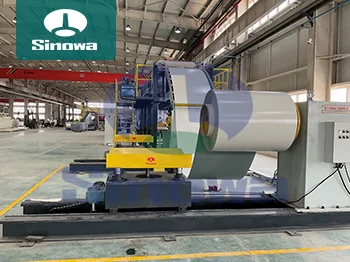
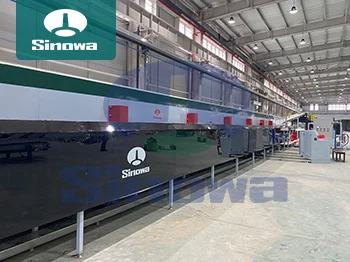
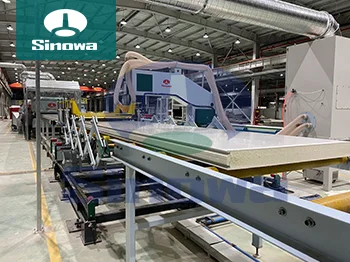
Sinowa is committed to the development and manufacturing of high-end and high-efficiency fully automatic pu sandwich panel production line. Our fully automatic pu sandwich panel production line are leading the way in efficiency, automatic control, human-computer interaction, environmental protection and energy consumption. Using system integration and bus control technology, it realizes the automatic integrated linkage control of the entire fully automatic pu sandwich panel production line, and can achieve remote interactive communication, which has the world-class level and a comprehensive leading high-performance fully automatic pu sandwich panel production line in the market.
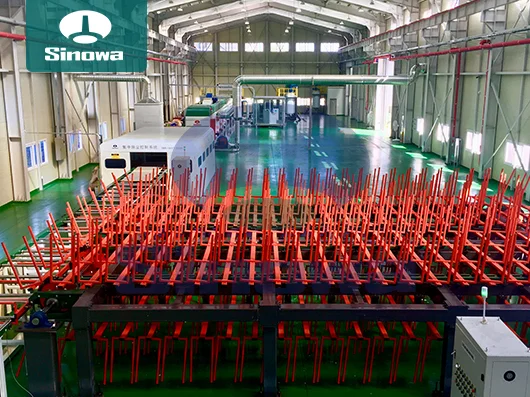
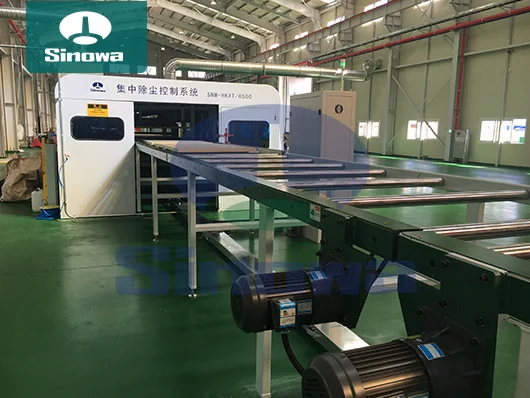
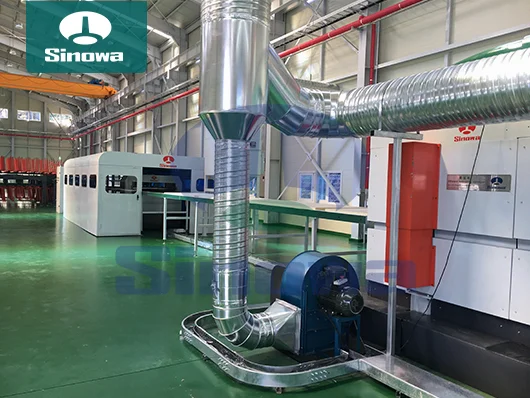
For more than ten years, relying on our innovative manufacturing concept and excellence in quality, reliable and trustworthy service to customers, we cooperate with customers all over the world, exported products to Canada, South Korea, Israel, Australia, the Middle East and other more than 20 countries and regions. contributed to building energy conservation and low-carbon production and have won widespread praise.
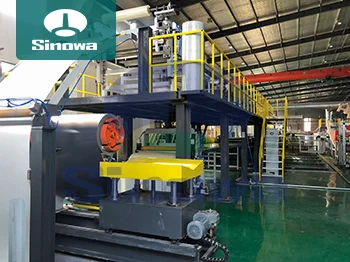
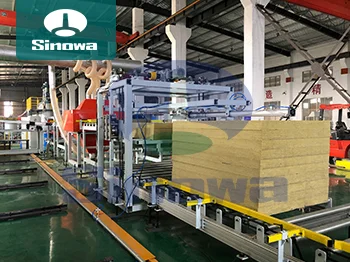
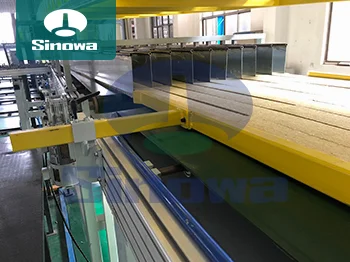
Sinowa has invested outstanding efforts in fully automatic pu sandwich panel production line, this is why our products are more efficiency, quality, automatic control technology, environmental protection, energy consumption indicators and the appearance and safety protection are comprehensively leading, some subversive design changes in many major technical points, these major innovations make our products excellent in price/performance and user experience.
In the evolving modern construction and industrial manufacturing sectors, the demand for high-performance composite building materials continues to rise steadily, driving the continuous upgrading of production equipment for thermal insulation and structural panels. PU sandwich panels have gradually become one of the most indispensable materials in lightweight construction, cold storage engineering, and industrial enclosure systems due to their excellent thermal insulation performance, stable structural rigidity, and convenient installation characteristics. To meet the diversified production demands of different production scales, panel specifications, and application scenarios, custom fully automatic PU sandwich panel production lines have emerged as an advanced production solution, integrating intelligent control, continuous molding, and precise material distribution to realize streamlined manufacturing of high-quality composite panels. This type of customized production line abandons the limitations of standardized fixed-specification equipment, enabling flexible adjustment of production parameters according to personalized production requirements, and has become a core piece of equipment for medium and large-scale panel manufacturing enterprises.
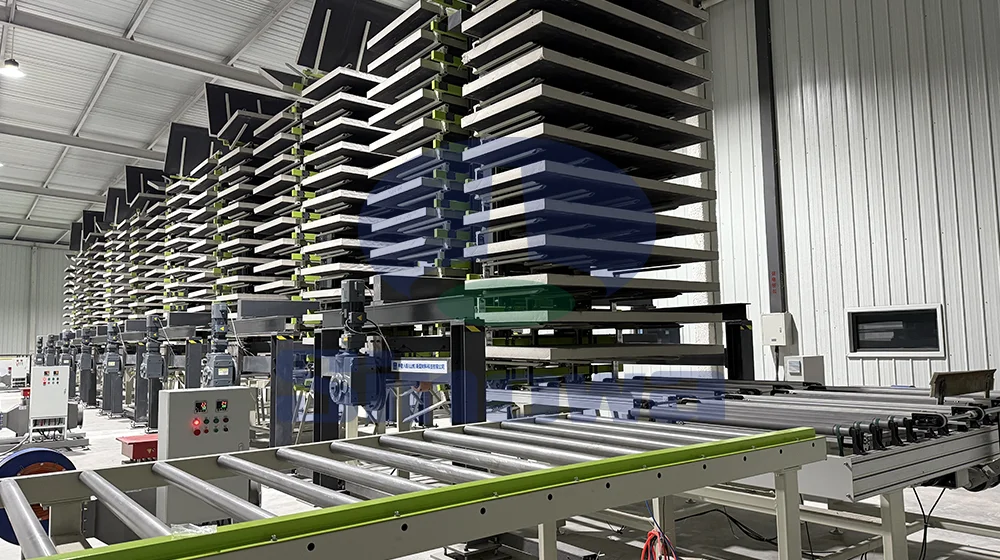
The overall structural design of a custom fully automatic PU sandwich panel production line follows the logic of continuous industrial production, with every functional module closely connected to form an integrated and uninterrupted production workflow. The entire production system consists of multiple interconnected functional units, including raw material feeding units, surface material pretreatment mechanisms, high-precision foaming and material mixing systems, continuous molding pressing units, temperature-controlled curing tunnels, automatic trimming and cutting mechanisms, as well as finished product conveying and stacking devices. Each functional unit can undergo personalized structural optimization and parameter configuration based on customized production needs. For instance, the feeding structure can be adjusted to adapt to different types of surface materials such as color steel plates, aluminum alloy sheets, and stainless steel plates, while the foaming system can modify the material ratio and injection flow to produce sandwich panels with different densities and thermal insulation grades. This highly flexible structural design fundamentally distinguishes customized production lines from ordinary standardized production equipment, effectively catering to the differentiated production needs of various manufacturers.
Raw material preparation and feeding serve as the initial and fundamental link in the entire production process, determining the basic forming quality and performance consistency of PU sandwich panels. The customized feeding unit is equipped with an automatic unwinding mechanism, which can stably release coiled surface materials at a constant speed. It is fitted with a tension adjustment device to avoid material deformation, wrinkling, or uneven stretching during the unwinding process. Before formal molding, the surface materials will go through an automatic pretreatment process, including surface cleaning and simple flattening treatment, to remove dust, oil stains, and impurities attached to the material surface. This pretreatment step enhances the bonding tightness between the surface material and the PU foam core layer, preventing delamination and peeling during the long-term service of the finished panels. In terms of core material supply, the production line adopts a sealed raw material storage and conveying structure for polyurethane raw materials. Multiple groups of independent storage tanks are used to store different chemical raw materials required for foaming, and the raw material conveying pipeline is equipped with constant temperature insulation components to maintain the stability of raw material activity and avoid performance fluctuations caused by temperature changes.
The foaming and mixing system is the core functional component of the entire production line, directly affecting the thermal insulation performance, compressive strength, and internal structural uniformity of PU sandwich panels. The custom-built mixing device adopts high-precision dynamic mixing technology, which can accurately control the proportion of various foaming raw materials through an intelligent flow control system. During the production process, liquid raw materials are transported to the mixing chamber through independent pipelines, and high-speed stirring is completed inside the sealed mixing cavity to ensure full fusion of raw materials without uneven mixing or local agglomeration. After mixing, the polyurethane composite liquid is evenly sprayed between the upper and lower surface materials through an automatic pouring nozzle. The pouring position, flow rate, and spraying range can be intelligently adjusted according to the customized panel thickness and width standards. Different from traditional manual or semi-automatic foaming equipment, the fully automatic production line realizes continuous and uninterrupted material pouring, effectively avoiding material waste and foaming defects caused by intermittent operation. Meanwhile, the foaming environment is kept in a constant temperature and dust-free state, which optimizes the foaming reaction conditions and makes the internal foam structure of the panel dense and uniform.
Continuous molding and hot pressing processes are key steps to shape the sandwich panel and enhance structural adhesion. The production line is equipped with an integrated multi-layer pressing platform, which uses mechanical hydraulic pressure to provide stable and uniform pressing force. After the polyurethane liquid is injected, the upper and lower surface materials and the intermediate foam raw materials enter the pressing unit synchronously. Under the combined action of constant pressure and fixed temperature, the foaming material completes expansion, curing, and bonding molding within a specified time. The customized pressing system can adjust the pressing pressure, molding temperature, and walking speed of the pressing platform according to the panel thickness and raw material characteristics. For thickened panels used in heavy-duty thermal insulation projects, the equipment can appropriately extend the hot pressing time and increase the pressing pressure to ensure sufficient bonding between layers; for thin lightweight panels used in temporary buildings, the production rhythm can be accelerated to improve production efficiency. The internal track of the pressing unit adopts a wear-resistant and anti-deformation design, which maintains high-precision parallelism during long-term continuous operation and prevents panel warping and uneven thickness after molding.
The temperature-controlled curing tunnel undertakes the follow-up curing task of initially molded panels, further stabilizing the internal molecular structure of polyurethane foam and eliminating potential structural defects. The interior of the curing tunnel is divided into multiple independent temperature control areas, and each area can independently adjust the heating temperature and air circulation speed. The graded temperature rise and constant temperature maintenance mode are adopted to avoid quality problems such as internal bubbles and cracking caused by excessive temperature difference during the curing process. The circulating hot air system inside the tunnel ensures uniform temperature distribution in all corners, enabling each position of the panel to complete the curing reaction at the same rate. The customized curing parameters can be stored in the intelligent control system, facilitating one-click calling for repeated production of the same specification panels. After curing, the internal bonding strength of the panel is significantly improved, and the thermal insulation stability and weather resistance of the product are enhanced, laying a foundation for long-term outdoor and complex environmental application.
The post-processing module includes automatic trimming, fixed-length cutting, and surface finishing, which realizes precise shaping of finished panels and removes redundant edge materials. The initially cured panels are transported to the trimming mechanism through a synchronous conveying track, where the irregular edges on both sides are cut off by high-speed rotating cutting tools. The tool spacing and cutting angle can be adjusted according to the customized panel width requirements to ensure smooth and flat cutting sections without burrs and cracks. The fixed-length cutting device uses intelligent positioning sensors to accurately identify the conveying distance of the panels, automatically completing fixed-point cutting according to preset length parameters. All cutting actions are linked with the production rhythm of the front-end equipment to realize uninterrupted continuous production. In addition, the post-processing unit is equipped with a waste recycling structure, which collects the trimmed edge materials for centralized recycling and reprocessing, reducing raw material consumption and improving the overall resource utilization rate of the production line.
The finished product conveying and stacking system is the final link of the production line, realizing automatic collection and neat arrangement of qualified panels. The stacked panels are transported by a low-noise anti-scratch conveyor belt to avoid surface abrasion of the surface materials during transportation. The intelligent stacking manipulator can adjust the stacking spacing, layer height, and arrangement mode according to the panel size and weight. For large-size thick panels, the mechanical arm adopts a stable clamping and lifting mode to prevent panel tilting and collision; for small-size thin panels, dense and orderly stacking is realized to save storage space. The entire stacking process does not require manual intervention, which effectively reduces the labor cost of finished product sorting and improves the neatness and uniformity of panel storage. Meanwhile, the system is equipped with an automatic counting function to record the daily output of panels of different specifications, providing accurate production data for enterprise production management.
The intelligent centralized control system runs through the entire operation process of the custom production line, serving as the core brain to coordinate the operation of all functional modules. The system adopts an integrated human-computer interaction interface, where operators can view the operating status, real-time parameters, and equipment running data of each unit on the touch screen. All production parameters including feeding speed, foaming ratio, pressing temperature, and cutting size can be manually set and digitally adjusted. The built-in intelligent monitoring module can automatically identify abnormal conditions such as material blockage, temperature fluctuation, and pressure deviation. When subtle faults occur, the system will give an early warning and automatically adjust the operating parameters to maintain stable production; in case of serious faults, the equipment will trigger an automatic shutdown protection mechanism to avoid equipment damage and production safety hazards. In addition, the control system supports parameter storage and data export, which is convenient for enterprises to conduct production data analysis and optimize production processes in the later stage.
Compared with ordinary fixed-specification PU sandwich panel production lines, customized fully automatic production lines have prominent advantages in production flexibility, product diversity, and long-term economic benefits. In terms of production adaptability, the equipment can realize seamless switching of multiple production formulas, meeting the production requirements of panels with different thermal insulation coefficients, mechanical strengths, and surface materials. Manufacturers can adjust product specifications according to market demand changes without replacing production equipment, which greatly reduces the investment cost of equipment renewal. In terms of production precision, the customized optimized structure effectively reduces manual intervention links, minimizing product quality errors caused by human operation. The consistent production parameters ensure that the thickness, density, and bonding strength of each batch of panels remain stable, improving the overall qualification rate of products. In terms of operational efficiency, the integrated streamlined production mode shortens the production cycle of a single panel, and the continuous operation capability enables the equipment to adapt to long-term high-intensity production tasks, significantly improving daily production output.
In terms of operational stability and maintenance convenience, the custom production line adopts modular assembly design, with each functional unit relatively independent and connected by standardized interfaces. This structural design simplifies the daily maintenance and later upgrading work of the equipment. Wearing parts are made of high-strength wear-resistant materials, which extend the service life of components and reduce the frequency of parts replacement. The equipment is equipped with a dust removal and noise reduction structure during operation, which reduces dust pollution and mechanical noise generated in the production process, optimizing the on-site production environment. Moreover, the energy-saving optimization design is adopted for the heating and power consumption parts of the equipment. Through intelligent temperature adjustment and power distribution technology, the invalid energy consumption during equipment operation is reduced, realizing energy conservation and consumption reduction in the production process and lowering the long-term operating cost of the production line.
PU sandwich panels produced by customized fully automatic production lines have a wide range of application scenarios, covering multiple fields such as industrial construction, commercial cold storage, municipal engineering, and special enclosure facilities. In industrial factory buildings, these panels are used for wall and roof enclosure structures, relying on their lightweight and high-strength characteristics to reduce the load-bearing pressure of building structures while achieving good thermal insulation and sound insulation effects. In cold storage and fresh-keeping warehouses, high-density PU foam core materials effectively block heat transfer, maintaining a low-temperature stable storage environment and reducing the energy consumption of refrigeration equipment. In temporary construction facilities such as movable prefabricated houses, the panels are easy to splice and install, shortening the construction cycle of buildings. In addition, through customized formula adjustment, the panels can obtain enhanced fire resistance and corrosion resistance, which can adapt to harsh application environments such as chemical plants and coastal humid areas.
With the continuous progress of industrial manufacturing technology and the upgrading of market demand, the development trend of custom fully automatic PU sandwich panel production lines will be more intelligent, environmentally friendly, and highly integrated. In the future, the equipment will be combined with digital twin technology to realize virtual simulation of the production process, pre-judging production defects and optimizing parameter settings in advance. The raw material mixing and foaming technology will be further upgraded to develop more environmentally friendly and low-carbon foaming formulas, reducing the emission of harmful substances in the production process. At the same time, the production line will strengthen the intelligent connection with upstream and downstream supporting equipment to build a fully automated unmanned production workshop, further improving production efficiency and industrial production intelligence. For manufacturing enterprises, choosing a customized fully automatic PU sandwich panel production line is not only a way to improve production capacity, but also an important measure to enhance market competitiveness, helping enterprises flexibly respond to market changes and realize long-term stable development in the fiercely competitive building materials industry.
« Custom Fully Automatic PU Sandwich Panel Production Line » Update Date: 2026/5/8
- Sandwich Roof Wall Panel Making Machine In China
- Cheap Sandwich Panel Production Machinery
- Foam Sandwich Panel Machine Supplier
- High-tech Sandwich Panel Production Line
- Polyurethane Sandwich Panel Manufacturing Line For Clean Room
- High-end Composite Panel Production Line
- Sandwich Wall Panel Production Line For Sale
- Custom Roof Sandwich Panel Production Line
- Decorative PU Sandwich Panel Production Line Design
- Foam Sandwich Panel Machine Manufacturer
- High-end Glass Wool Line
- Low Price Continuous PU Sandwich Panel Line
- Isolation PU Sandwich Panel Line Manufacturer
- Cheap Composite Panel Production Line
- Low Price Glass Wool Sandwich Panel Production Line
- High Efficiency PU Sandwich Panel Machine
- High-quality Decorative PU Sandwich Panel Production Line
- Glass Wool Line Manufacturer
- PU Insulation Board Production Line Price
- Fully Automatic PU Sandwich Panel Machine Price
- Links:
- Sandwich Panel Continuous Production Line
- Automatic and Continuous Sandwich Panel Production Line
- Cheap and Low Price Sandwich Panel Production Line
- China Sandwich Panel Production Line Factory
- Color Steel Sandwich Panel Production Line For Cold Storage
- Continuous Composite Foam Sandwich Panel Production Line
- Continuous Production Line For Rockwool and Mineral Wool Sandwich Panels
- Continuous PU Phenolic Insulation Panel Production Line
- Continuous PU PIR Sandwich Panel Production Line
- Continuous PUF PUR Sandwich Panel Production Line
- Continuous Sandwich Panel Production Line For Roof and Wall
- Customized and Design Sandwich Panel Production Line
- Decorative Sandwich Panel Production Line For Glass Wool Boards
- High Quality Sandwich Panel Production Line For Sale
- Polyurethane(PU) Sandwich Panel Production Line
- Sandwich Panel Production Line Manufacturer and Supplier