
Continuous Sandwich Panel Line Manufacturer
Sinowa is a well-known manufacturer and technical service provider of high-end continuous sandwich panel line, learn more about continuous sandwich panel line manufacturer, please contact Sinowa's technical engineer, tell us what you need, we will contact you as soon as possible!
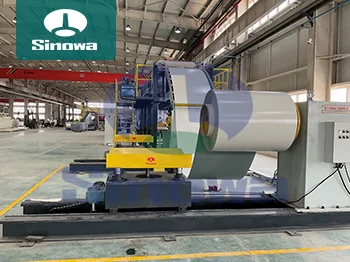
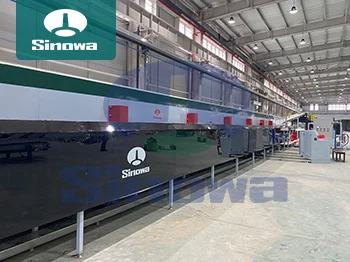
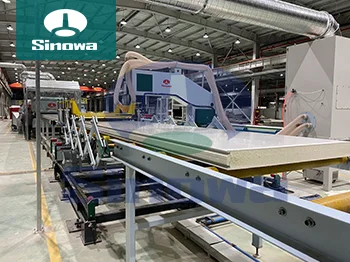
Sinowa is committed to the development and manufacturing of high-end and high-efficiency continuous sandwich panel line. Our continuous sandwich panel line are leading the way in efficiency, automatic control, human-computer interaction, environmental protection and energy consumption. Using system integration and bus control technology, it realizes the automatic integrated linkage control of the entire continuous sandwich panel line, and can achieve remote interactive communication, which has the world-class level and a comprehensive leading high-performance continuous sandwich panel line in the market.
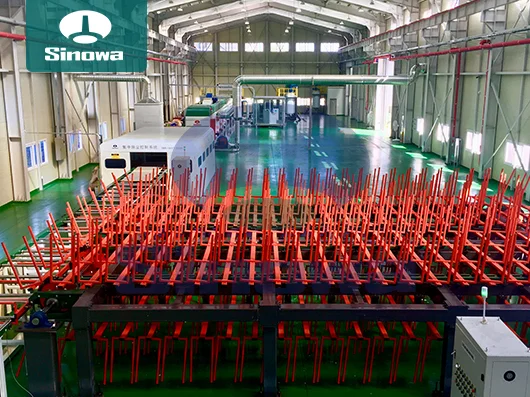
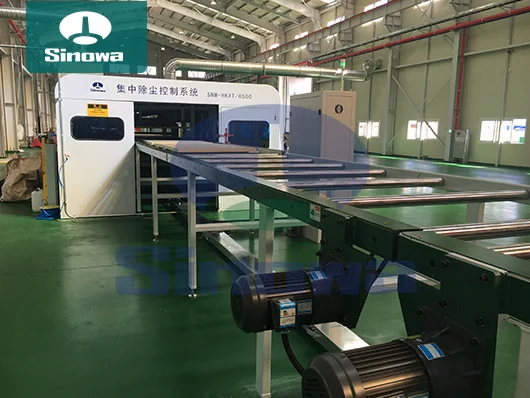
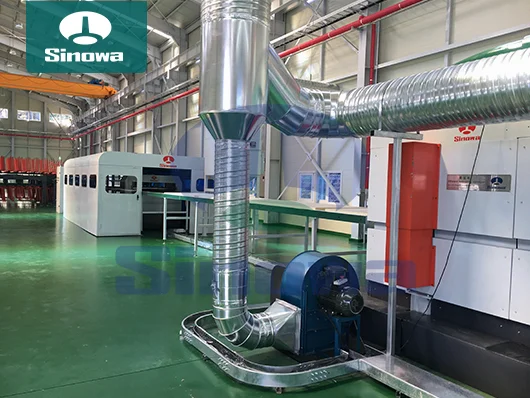
For more than ten years, relying on our innovative manufacturing concept and excellence in quality, reliable and trustworthy service to customers, we cooperate with customers all over the world, exported products to Canada, South Korea, Israel, Australia, the Middle East and other more than 20 countries and regions. contributed to building energy conservation and low-carbon production and have won widespread praise.
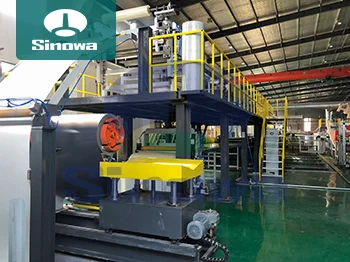
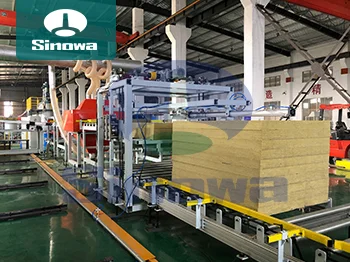
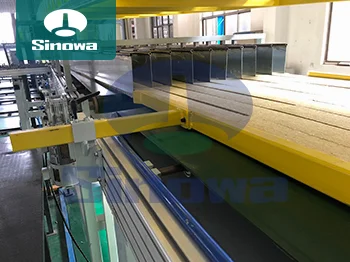
Sinowa has invested outstanding efforts in continuous sandwich panel line, this is why our products are more efficiency, quality, automatic control technology, environmental protection, energy consumption indicators and the appearance and safety protection are comprehensively leading, some subversive design changes in many major technical points, these major innovations make our products excellent in price/performance and user experience.
In the evolving landscape of modern construction and industrial manufacturing, sandwich panels have emerged as indispensable composite materials that balance structural stability, thermal insulation, and installation convenience. Behind the widespread application of these panels lies the sophisticated production capability supported by continuous sandwich panel lines, and professional manufacturers of such production lines play a pivotal role in promoting the standardized and large-scale development of the sandwich panel industry. The core value of a reliable continuous sandwich panel line manufacturer lies in integrating mechanical design, material processing technology, and automated control logic to deliver streamlined production solutions that adapt to diverse production demands, while continuously optimizing equipment performance to match the changing trends of the building materials sector.
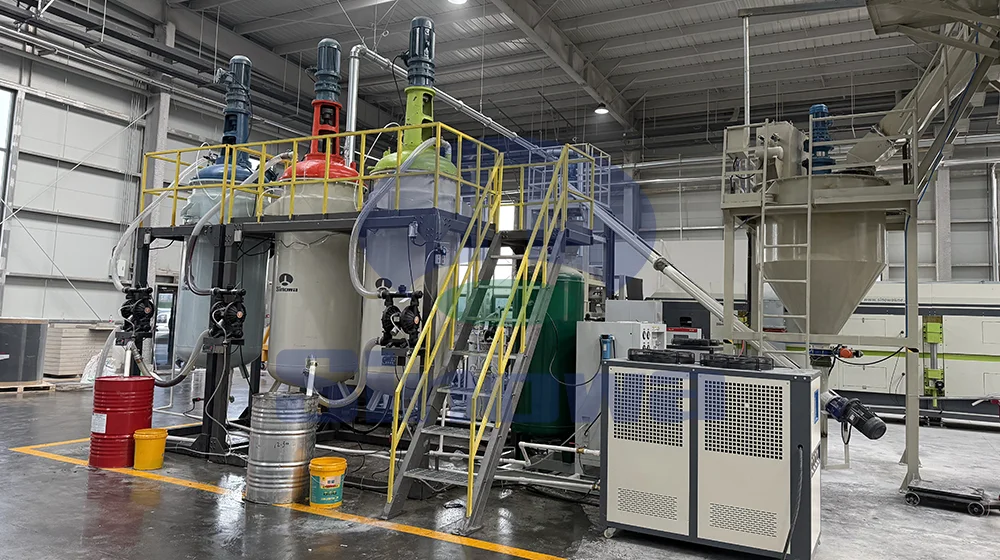
The manufacturing of continuous sandwich panel lines requires in-depth comprehension of the physical characteristics of different raw materials and the molding principles of composite panels. A qualified manufacturer dedicates extensive resources to analyzing the compatibility between surface materials and core materials, as different combinations of raw materials impose distinct requirements on equipment operation parameters. Common core materials used in sandwich panels include fibrous inorganic materials and foamed organic materials, each with unique density, ductility, and thermal resistance properties. Surface materials are usually metal sheets with good toughness and weather resistance, which need to undergo precise rolling and shaping before composite molding. Manufacturers focus on adjusting the structural design of key equipment components to ensure that the production line can maintain stable processing status when switching between different raw materials, avoiding production fluctuations caused by material differences.
The overall structural design of a continuous sandwich panel line embodies the comprehensive manufacturing strength of the producer. A complete production line consists of multiple interconnected functional units that operate in synchronous coordination to realize uninterrupted panel production. The initial stage of the production process involves raw material feeding and pretreatment, where metal coils are smoothly unfolded and conveyed to the rolling forming unit. In this unit, multiple sets of precision rolling rollers gradually shape the flat metal sheets into specific groove structures, which enhance the bonding tightness between surface layers and core materials in subsequent procedures. Manufacturers pay great attention to the structural optimization of rolling rollers, selecting durable structural materials and adopting surface anti-wear treatments to extend the service life of rollers and ensure the consistent flatness of processed metal sheets during long-term continuous operation.
Following the metal sheet forming process, the core material feeding and laying unit starts to work in tandem. This unit is designed to achieve uniform and continuous distribution of core materials, eliminating uneven thickness and local voids that may affect the thermal insulation and mechanical properties of finished panels. For different types of core materials, manufacturers adopt differentiated feeding structures. Fibrous core materials require fluffy and uniform spreading to avoid material agglomeration, while foamed core materials need precise cutting and positioning to ensure the neatness of material edges. The synchronous operating logic between the core material laying unit and the metal sheet conveying unit is meticulously calibrated by manufacturers to maintain a consistent feeding speed, which lays a foundation for the integral composite molding of panels.
The gluing and composite pressing stage is the core link that determines the bonding quality of sandwich panels, and it is also the key research and development focus of continuous sandwich panel line manufacturers. High-efficiency gluing systems are configured to evenly apply adhesive on the inner surfaces of upper and lower metal sheets, with adjustable gluing thickness to adapt to different material bonding requirements. After gluing, the metal sheets and core materials enter the continuous pressing unit, where constant pressure and appropriate temperature are applied to realize tight compounding between layers. Manufacturers optimize the internal layout of the pressing unit, adopting segmented temperature control and pressure balancing structures to ensure uniform stress on each part of the panels during pressing. This optimized design effectively prevents problems such as local delamination and warping of finished panels, improving the overall structural firmness of composite products.
After composite molding, the panels enter the curing and cooling stage to stabilize the internal molecular structure of adhesives and eliminate internal stress generated during pressing. Reasonable temperature gradient setting is crucial in this process, as excessive cooling speed may cause brittle cracking of composite structures, while overly slow cooling will reduce production efficiency. Professional manufacturers simulate the temperature change law of panels in the cooling process through digital analysis, and design scientific cooling channel structures to realize gradual and uniform heat dissipation of panels. Meanwhile, the online trimming unit is arranged behind the cooling section to cut off the redundant edges of panels, ensuring that the dimensional tolerance of finished products is controlled within a tiny range and meeting the standardized size requirements of industrial production.
The final stage of the production process includes automatic counting, stacking and discharging, and the intelligent stacking system has become an essential configuration of high-performance continuous production lines. Manufacturers adopt dual-station stacking structures in equipment design, enabling two stacking stations to operate alternately. While one station completes stacking and positioning of panels, the other station receives newly processed materials, realizing non-intermittent stacking operation and avoiding production line shutdown caused by slow stacking speed. In addition, the stacking system is equipped with automatic alignment devices, which rely on precise mechanical positioning and synchronous control technology to keep each panel neatly stacked with consistent edge alignment. This not only improves the tidiness of finished product storage but also simplifies the subsequent packaging and handling procedures.
In addition to the optimization of main production units, excellent continuous sandwich panel line manufacturers also focus on the detailed configuration of auxiliary systems to enhance the overall operational stability of the equipment. The transmission system adopts high-precision servo drive components to ensure the synchronization accuracy of material conveying among each functional unit, reducing position deviation during material transmission. The intelligent control system applies programmable logic technology, with a human-machine interaction interface that allows operators to adjust production parameters such as running speed, processing temperature, and pressing pressure in real time. Moreover, the equipment is equipped with intelligent monitoring modules to track the operating status of key components, automatically identify abnormal operating data, and trigger early warning prompts, which helps maintenance personnel quickly locate potential faults and reduce equipment downtime.
Energy consumption control and environmental protection optimization are important directions for manufacturers to upgrade continuous sandwich panel lines. In the structural design of heating and pressing units, thermal insulation structures are added to reduce heat loss and improve energy utilization efficiency. The circulating air duct design is adopted in the cooling system to realize the reuse of cooling airflow, lowering the energy consumption of ventilation equipment. For waste materials generated in the production process, such as trimmed leftover materials and residual adhesive, manufacturers configure centralized collection structures to facilitate subsequent recycling and processing. These environmentally friendly and energy-saving designs not only reduce the operating cost of production lines for users but also conform to the global development trend of green and low-carbon manufacturing.
The customization capability of production lines is a key competitive advantage of professional manufacturers. Different application scenarios put forward differentiated requirements for sandwich panel specifications, including panel thickness, surface texture, and composite structure. Experienced manufacturers reserve adjustable structures in the initial equipment design stage, which can adapt to the production of panels with multiple thickness specifications by replacing rolling molds and adjusting the spacing of pressing components. Meanwhile, according to the production scale demands of different users, manufacturers can flexibly adjust the operational speed and equipment layout of production lines, providing compact layout solutions for small and medium-sized production workshops and large-scale integrated production solutions for industrial production bases. This flexible customization service enables the equipment to adapt to diverse market application scenarios ranging from temporary construction facilities to permanent industrial buildings.
The after-sales service system is an indispensable part of the manufacturing service of continuous sandwich panel lines. Reliable manufacturers establish complete technical service mechanisms, covering equipment installation, commissioning, operation training, and daily maintenance guidance. In the equipment delivery stage, professional technical personnel are arranged to complete on-site assembly and debugging to ensure that each functional unit runs smoothly and reaches the rated production state. For enterprise operators, manufacturers provide systematic operation training, explaining equipment operating procedures, parameter adjustment methods, and daily maintenance points to reduce operational errors caused by human factors. In terms of long-term equipment maintenance, manufacturers provide standardized wearing part matching services and regular equipment inspection guidance to extend the service cycle of production lines and maintain stable production capacity for users.
With the continuous development of the global building materials industry, the market demand for high-performance sandwich panels is constantly upgrading, which also puts forward higher requirements for continuous sandwich panel line manufacturers. In terms of technological research and development, manufacturers are committed to introducing intelligent manufacturing technologies such as automatic detection and digital modeling to further improve the production precision and intelligence level of equipment. The online flaw detection technology is gradually applied to the production process, which can automatically identify tiny defects such as surface scratches and internal delamination of panels, realizing real-time quality screening. At the same time, manufacturers are exploring lightweight equipment design schemes, optimizing the structural layout of mechanical components to reduce equipment floor space while ensuring structural strength, so as to lower the site construction cost for users.
In the international market layout, continuous sandwich panel line manufacturers keep optimizing product adaptability to meet the production standards and environmental requirements of different regions. They adjust the equipment working parameters according to the regional climate characteristics, for example, optimizing the constant temperature control system to adapt to high-temperature and high-humidity production environments, and enhancing the equipment corrosion resistance to cope with harsh outdoor working conditions. In addition, manufacturers simplify the equipment disassembly and assembly structure to facilitate cross-border transportation and on-site installation, reducing the logistics and deployment costs of international users. Through continuous adaptation and optimization, manufacturers have realized the wide applicability of production line equipment in different regional markets.
Looking into the future, the development of continuous sandwich panel line manufacturing industry will present two major trends of intelligent upgrading and green iteration. On the one hand, with the deep integration of industrial internet and mechanical manufacturing, the production line will realize data interconnection among various units, and the system can automatically optimize production parameters according to raw material changes and output requirements, achieving unattended intelligent production. On the other hand, driven by the environmental protection policy, manufacturers will further research and develop low-pollution adhesive coating systems and energy-saving heating structures, and promote the application of recyclable structural components in equipment manufacturing, so as to build a fully green production chain. As an important link in the building materials manufacturing industry, continuous sandwich panel line manufacturers will keep taking technological innovation as the core, continuously polish equipment performance, provide more efficient and reliable production solutions for the sandwich panel industry, and contribute to the high-quality development of the global construction and industrial manufacturing fields.
« Continuous Sandwich Panel Line Manufacturer » Update Date: 2026/5/8
Tags: Continuous Sandwich Panel Line ,
- PU Foam Production Line Factory
- Cheap PIR Sandwich Panel Machine
- PUR Sandwich Panel Machine Factory
- Continuous PU Sandwich Panel Production Line For Construction
- High-end PUF Panel Machine
- High Efficiency Automatic Sandwich Panel Production Line
- Polyurethane Foam Production Line Price
- Low Price Polyurethane Sandwich Panel Manufacturing Line
- Polyurethane Sandwich Panel Production Line For Clean Room
- PUR Sandwich Panel Machine Design
- Fully Automatic PU Sandwich Panel Machine For Sale
- Continuous PUF Panel Production Line Manufacturer
- PIR Sandwich Panel Machine From China
- Sandwich Wall Panel Production Line Design
- Fully Automatic PU Sandwich Panel Line On Sales
- Polyurethane Sandwich Panel Production Line On Sales
- High Efficiency Sandwich Panel Manufacturing Line
- Polyurethane Sandwich Panel Machinery Manufacturer
- High-tech Glass Wool Sandwich Panel Line
- Sandwich Panel Making Machine Price
- Links:
- Sandwich Panel Continuous Production Line
- Automatic and Continuous Sandwich Panel Production Line
- Cheap and Low Price Sandwich Panel Production Line
- China Sandwich Panel Production Line Factory
- Color Steel Sandwich Panel Production Line For Cold Storage
- Continuous Composite Foam Sandwich Panel Production Line
- Continuous Production Line For Rockwool and Mineral Wool Sandwich Panels
- Continuous PU Phenolic Insulation Panel Production Line
- Continuous PU PIR Sandwich Panel Production Line
- Continuous PUF PUR Sandwich Panel Production Line
- Continuous Sandwich Panel Production Line For Roof and Wall
- Customized and Design Sandwich Panel Production Line
- Decorative Sandwich Panel Production Line For Glass Wool Boards
- High Quality Sandwich Panel Production Line For Sale
- Polyurethane(PU) Sandwich Panel Production Line
- Sandwich Panel Production Line Manufacturer and Supplier