
Decorative PU Sandwich Panel Production Line From China
Sinowa is a well-known manufacturer and technical service provider of high-end decorative pu sandwich panel production line, learn more about decorative pu sandwich panel production line from china, please contact Sinowa's technical engineer, tell us what you need, we will contact you as soon as possible!
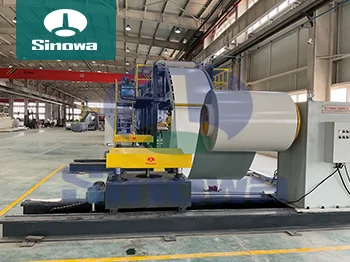
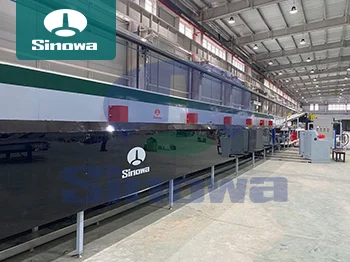
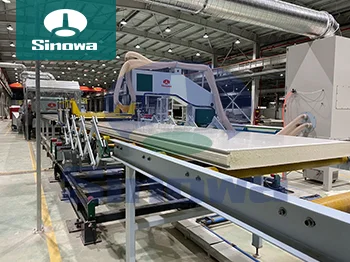
Sinowa is committed to the development and manufacturing of high-end and high-efficiency decorative pu sandwich panel production line. Our decorative pu sandwich panel production line are leading the way in efficiency, automatic control, human-computer interaction, environmental protection and energy consumption. Using system integration and bus control technology, it realizes the automatic integrated linkage control of the entire decorative pu sandwich panel production line, and can achieve remote interactive communication, which has the world-class level and a comprehensive leading high-performance decorative pu sandwich panel production line in the market.
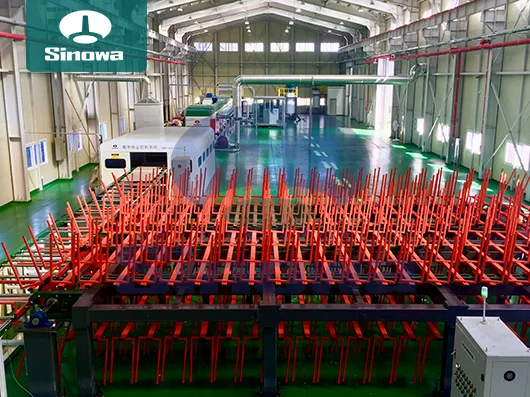
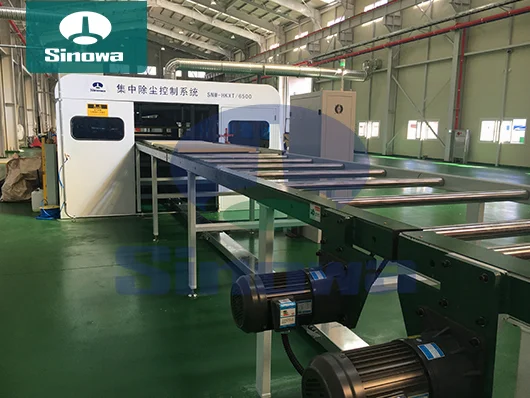
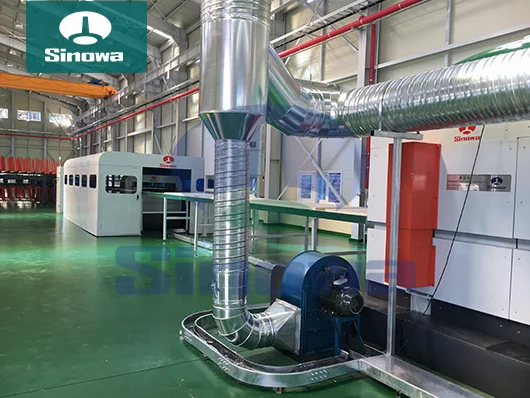
For more than ten years, relying on our innovative manufacturing concept and excellence in quality, reliable and trustworthy service to customers, we cooperate with customers all over the world, exported products to Canada, South Korea, Israel, Australia, the Middle East and other more than 20 countries and regions. contributed to building energy conservation and low-carbon production and have won widespread praise.
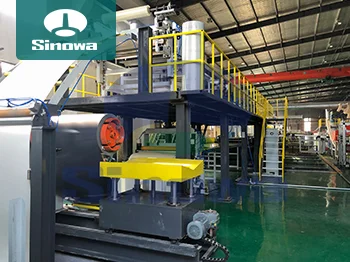
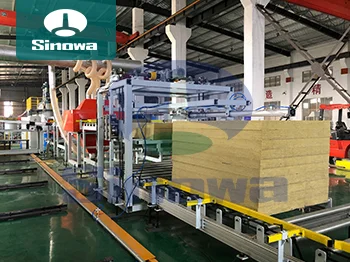
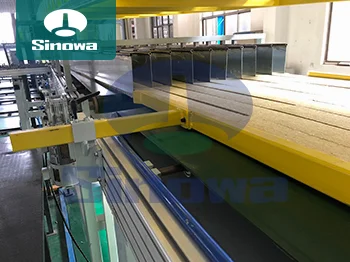
Sinowa has invested outstanding efforts in decorative pu sandwich panel production line, this is why our products are more efficiency, quality, automatic control technology, environmental protection, energy consumption indicators and the appearance and safety protection are comprehensively leading, some subversive design changes in many major technical points, these major innovations make our products excellent in price/performance and user experience.
The decorative PU sandwich panel production line has grown into a widely recognized integrated manufacturing solution that responds to the global construction industry’s pursuit of materials that combine visual appeal, thermal performance and simple installation. Unlike traditional building cladding materials that require separate decoration and insulation layers, the panels produced on this line integrate decorative surface layers and polyurethane foam cores in one continuous forming process. This manufacturing concept eliminates many intermediate working steps on construction sites and reduces the total time required for wall enclosure projects. The line is engineered to handle different surface substrates, enabling the creation of panels that mimic natural textures such as stone, brick and timber, so architects can achieve diverse facade effects without relying on heavy natural materials. The whole workflow starts with raw material feeding and surface treatment, then moves through shaping, foaming, lamination, curing and cutting, all linked into one connected system. Operators can adjust operational parameters to modify panel thickness, surface patterns and production speed to match varying project demands. As construction markets shift toward lightweight and energy-saving building solutions, this production system offers a practical way to mass-produce composite panels that balance decorative functions and physical performance, making it a preferred option for many modern building envelope projects across different application scenarios.
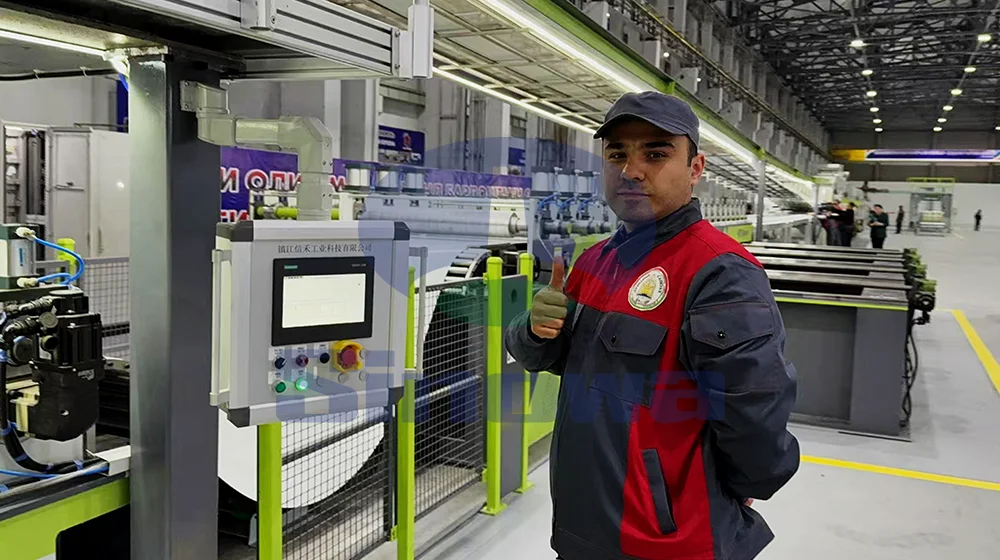
The mechanical structure of the decorative PU sandwich panel production line adopts a modular layout, allowing users to adjust the configuration according to their expected production capacity and product variety. The front section of the line includes material unwinding equipment, which steadily feeds surface sheets and backing materials into the subsequent processing stations. Before entering the forming stage, the surface material can go through embossing or pre-coating treatment to form decorative textures on the panel face, and this step directly determines the final visual effect of finished products. Roll forming units shape the flat sheet into the required profile, ensuring consistent edge geometry and stable dimensional performance for each panel. The core foaming station is the heart of the whole system, where PU raw materials are precisely mixed and evenly distributed between the upper and lower face layers. The injection system controls the flow rate and mixing ratio of reactive components carefully to avoid uneven foaming or voids inside the core layer. After foaming, the material stack enters the double-belt pressing and curing section, where constant pressure and controlled temperature support full polymerization of the PU foam and create reliable bonding between foam and surface sheets. Each modular unit can be maintained or replaced separately, which reduces downtime during routine equipment maintenance and supports long-term stable operation of the complete manufacturing system.
Precision control technology defines the operational performance of a decorative PU sandwich panel production line, and intelligent control hardware synchronizes every processing stage to maintain consistent product quality during continuous running. The central control platform monitors line speed, material temperature, foaming pressure and feeding status in real time, and automatically fine-tunes parameters when minor deviations appear during production. This synchronized control prevents common defects such as uneven foam density, poor adhesion between layers and distorted surface decoration patterns. Operators can set product specifications on the control interface and store multiple parameter profiles for quick switching between different panel styles. Flying cutting equipment at the rear of the line cuts continuous panel strips to preset lengths without stopping the production flow, which greatly improves overall output efficiency. Sensors installed along the whole line detect material shortage, position offset or abnormal temperature, and trigger protective responses to prevent equipment damage and defective product accumulation. Such automated control lowers reliance on manual judgment, reduces human errors, and helps new operators master basic operation procedures within a short training period. Stable and repeatable parameter control also means batches of finished panels maintain uniform texture and physical properties, which simplifies quality inspection and brings more predictable results for end users.
Material adaptability stands as one of the core strengths of the decorative PU sandwich panel production line, as it supports a wide selection of face materials and foam formulations to satisfy varied aesthetic and functional preferences. Surface layers can use metal sheets or other decorative substrates, and different coating or embossing techniques generate matte, glossy or textured surfaces that simulate the look of traditional building materials. The PU foam core can be adjusted in density to achieve different levels of thermal insulation and structural rigidity according to intended use cases. The production line can produce panels for interior decoration and exterior wall cladding by switching raw material combinations and modifying processing settings. Backing materials can also be selected to improve moisture resistance and bonding performance, adapting to environments with different humidity levels. When manufacturers need to launch new decorative styles, they only need to change embossing rollers or adjust surface coating procedures instead of overhauling the entire line structure. This flexibility lowers the threshold for product iteration and helps panel manufacturers respond quickly to shifting market trends in architectural decoration. The ability to switch between multiple material combinations makes the equipment suitable for small-batch customized orders and large-volume mass production alike.
The finished decorative PU sandwich panels created on this production line carry multiple practical advantages that drive their adoption in modern construction projects. The composite structure keeps the panels lightweight compared with masonry or natural stone cladding, which reduces the load placed on building frameworks and cuts transportation and handling costs. The closed-cell PU foam core delivers reliable thermal resistance, helping buildings maintain stable indoor temperatures and lower energy consumption for heating and cooling. The integrated decorative surface removes the need for extra painting or cladding work after installation, shortening construction schedules and minimizing waste generated on site. The panels also possess good impact resistance and moisture resistance when properly produced, and their finished surfaces are simple to clean and maintain in daily use. Installers can assemble these panels rapidly using simple connection structures, which is especially valuable for large commercial buildings, prefabricated constructions and renovation projects. Beyond exterior walls, the panels can also be applied to interior partition systems, decorative background walls and auxiliary building structures. By combining decoration and insulation in one product, these panels reshape how designers and builders approach wall enclosure solutions, and they create new possibilities for efficient and attractive building construction.
Operation and workforce arrangement for the decorative PU sandwich panel production line are designed to optimize labor allocation while ensuring safe and orderly manufacturing activities. A fully continuous line does not require a large team to run, and a small group of trained staff can complete routine supervision, raw material replenishment, finished product collection and equipment inspection tasks. One operator can manage the central control system to monitor overall running status, while other team members take charge of coil replacement, material feeding and finished panel stacking at the output end. Standardized operating procedures guide staff to follow consistent steps during startup, parameter adjustment and shutdown, which reduces operational risks and protects both equipment and personnel. Training focuses on understanding control interfaces, identifying common surface and core defects, and performing daily inspection and lubrication for moving parts. Regular equipment checks cover the foaming mixing head, belt tension, cutting tools and sensor calibration, so potential wear can be addressed before it develops into major failures. The layout of the production workshop is arranged to separate raw material storage, production zone and finished product stacking area, which streamlines material flow and keeps the workspace tidy. Reasonable staffing and operation logic make this production line accessible for manufacturers with different scales of production capacity.
Customization capacity of the decorative PU sandwich panel production line allows manufacturers to tailor equipment configurations to match their unique business plans and market positioning. Customers can select the overall line length, processing speed and the number of functional stations based on their target output volume and product portfolio. For enterprises focusing heavily on decorative variety, extra embossing stations or surface film lamination units can be integrated into the line to expand the range of available textures and patterns. Those prioritizing high-volume production can choose enhanced foaming and double-belt systems to maintain stable quality under faster operating speeds. The equipment layout can also be adjusted to fit the dimensions of existing factory buildings, whether the space is long and narrow or relatively compact. Customization extends to auxiliary mechanisms such as automatic stacking devices, trimming units and waste collection systems, which further reduce manual handling at the output side. Every customized solution is built on proven basic mechanical frameworks, so upgraded functions do not compromise the fundamental reliability of the whole line. This tailored design approach helps investors avoid purchasing unnecessary functions and allocate capital to the parts that create the most commercial value for their panel manufacturing business.
The long-term value of investing in a decorative PU sandwich panel production line lies in its ability to support sustainable development for panel manufacturers amid evolving demands in the building material sector. As construction projects increasingly prioritize efficient construction and energy-saving design, demand for composite decorative insulation panels continues to expand across diverse regions. The production line enables manufacturers to produce finished products locally, shortening supply chains and lowering logistics costs for regional construction markets. The automated continuous process reduces material waste compared with batch-type production methods, and precise foaming control optimizes the consumption of PU raw materials for each panel unit. The equipment’s durable mechanical design and interchangeable spare parts support years of continuous operation with manageable maintenance expenditure. Manufacturers using this line can keep updating decorative patterns and panel specifications to capture new market segments, rather than being limited to a narrow product range. Beyond direct economic returns, the technology behind the line promotes the wider use of lightweight composite building materials, which aligns with the industry trend toward more efficient and resource-conscious construction practices. For building material producers aiming to supply integrated decorative and insulation solutions, this production line serves as a solid foundation to explore growing opportunities in modern architectural markets.
« Decorative PU Sandwich Panel Production Line From China » Update Date: 2026/10/16
Tags: Decorative PU Sandwich Panel Production Line , decorative pu sandwich panel production line, decorative pu sandwich panel production line manufacturer, decorative pu sandwich panel production line supplier, decorative pu sandwich panel production line for sale, customized decorative pu sandwich panel production line, china decorative pu sandwich panel production line
- PU Board Production Line Manufacturer
- Cheap Glass Wool Sandwich Panel Line
- Insulated Sandwich Panel Line Manufacturer
- PU Insulation Panel Production Line Design
- Cheap Glass Wool Production Line
- PUF Panel Machine From China
- High-end Fully Automatic PU Sandwich Panel Line
- Polyurethane Sandwich Panel Machine For Clean Room
- Low Price PU Sandwich Panel Production Line
- Composite Sandwich Panel Production Line Design
- PUR Sandwich Panel Line Manufacturer
- Glass Wool Sandwich Panel Machine From China
- PUR Sandwich Panel Machine Manufacturer
- PU Sandwich Panel Production Line For Cold Room
- Polyurethane Sandwich Panel Machine Manufacturer
- High-end Foam Sandwich Panel Production Line
- High-tech PIR Sandwich Panel Production Line
- PIR Sandwich Panel Line For Sale
- High Efficiency Sandwich Foam Panel Making Machine
- Continuous Sandwich Panel Production Line In China
- Links:
- Sandwich Panel Continuous Production Line
- Automatic and Continuous Sandwich Panel Production Line
- Cheap and Low Price Sandwich Panel Production Line
- China Sandwich Panel Production Line Factory
- Color Steel Sandwich Panel Production Line For Cold Storage
- Continuous Composite Foam Sandwich Panel Production Line
- Continuous Production Line For Rockwool and Mineral Wool Sandwich Panels
- Continuous PU Phenolic Insulation Panel Production Line
- Continuous PU PIR Sandwich Panel Production Line
- Continuous PUF PUR Sandwich Panel Production Line
- Continuous Sandwich Panel Production Line For Roof and Wall
- Customized and Design Sandwich Panel Production Line
- Decorative Sandwich Panel Production Line For Glass Wool Boards
- High Quality Sandwich Panel Production Line For Sale
- Polyurethane(PU) Sandwich Panel Production Line
- Sandwich Panel Production Line Manufacturer and Supplier
- Sandwich Panel Production Machinery and Equipment