
PUR Sandwich Panel Machine Manufacturer
Sinowa is a well-known manufacturer and technical service provider of high-end pur sandwich panel machine, learn more about pur sandwich panel machine manufacturer, please contact Sinowa's technical engineer, tell us what you need, we will contact you as soon as possible!
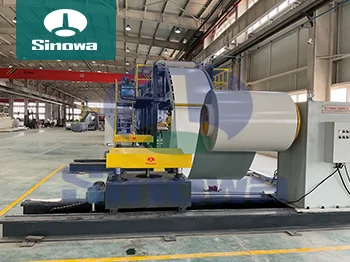
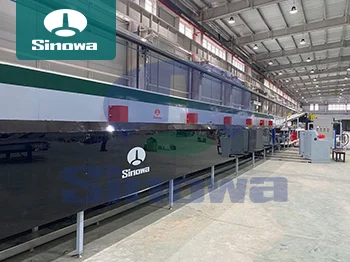
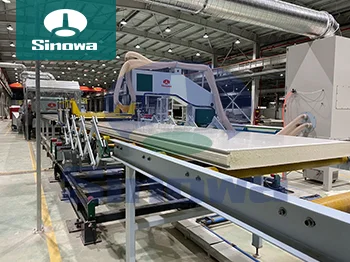
Sinowa is committed to the development and manufacturing of high-end and high-efficiency pur sandwich panel machine. Our pur sandwich panel machine are leading the way in efficiency, automatic control, human-computer interaction, environmental protection and energy consumption. Using system integration and bus control technology, it realizes the automatic integrated linkage control of the entire pur sandwich panel machine, and can achieve remote interactive communication, which has the world-class level and a comprehensive leading high-performance pur sandwich panel machine in the market.
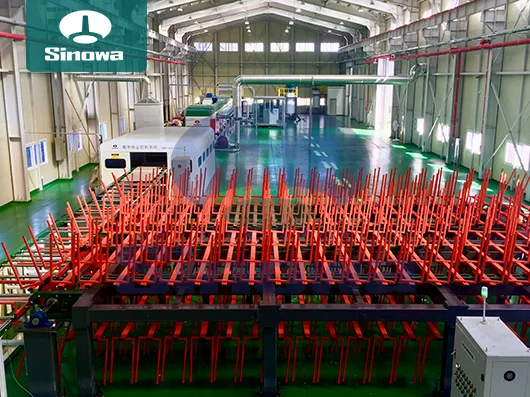
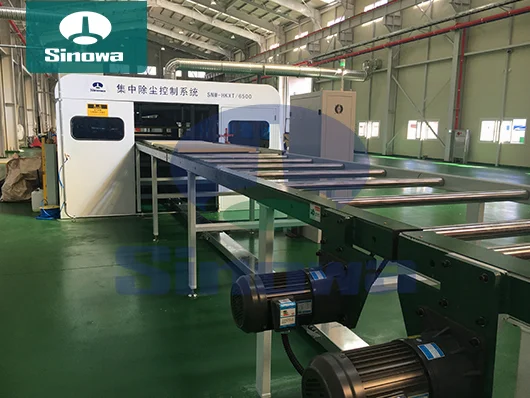
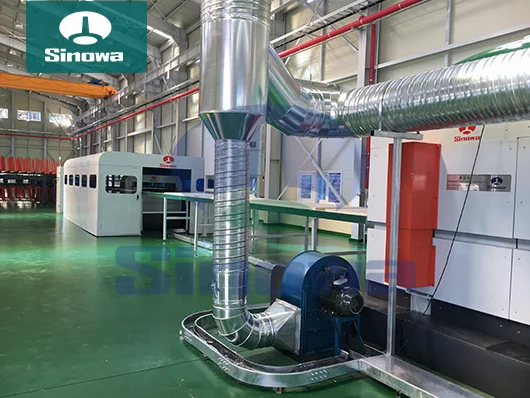
For more than ten years, relying on our innovative manufacturing concept and excellence in quality, reliable and trustworthy service to customers, we cooperate with customers all over the world, exported products to Canada, South Korea, Israel, Australia, the Middle East and other more than 20 countries and regions. contributed to building energy conservation and low-carbon production and have won widespread praise.
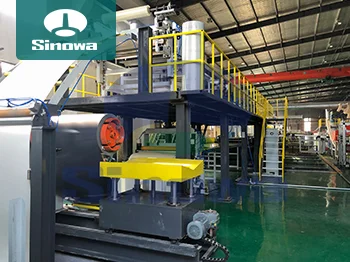
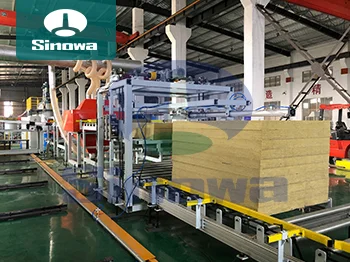
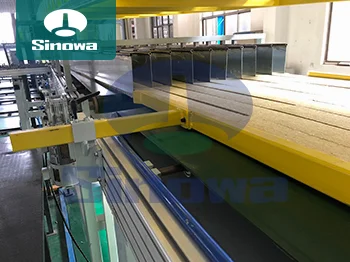
Sinowa has invested outstanding efforts in pur sandwich panel machine, this is why our products are more efficiency, quality, automatic control technology, environmental protection, energy consumption indicators and the appearance and safety protection are comprehensively leading, some subversive design changes in many major technical points, these major innovations make our products excellent in price/performance and user experience.
The demand for efficient thermal insulation building components continues to expand as construction and cold chain industries pursue better energy performance, which brings steady growth in market demand for PUR sandwich panel machines. As a core piece of integrated processing equipment, this type of machine connects multiple independent functional modules into one continuous workflow, turning coiled surface materials and liquid polyurethane raw materials into finished composite panels in a streamlined sequence. Manufacturers focusing on this equipment spend years refining mechanical coordination, fluid control and thermal management, knowing that minor instability in any single station can create widespread defects in finished panels. Many new market entrants underestimate the complexity of foaming reaction control, assuming that simple assembly of standard components can deliver consistent panel quality. Experienced manufacturers, however, place heavy emphasis on the matching relationship between feeding speed, mixing ratio and curing temperature, adjusting mechanical structures and control logic to adapt to variations in raw material characteristics. Their development work balances production capacity and operational stability, avoiding designs that blindly pursue faster line speed at the cost of higher reject rates. Every iteration of the equipment targets common production pain points, such as uneven foam distribution, weak bonding between core foam and surface sheets, and surface deformation after cooling. This persistent focus on practical production challenges separates reliable equipment developers from casual suppliers, laying a solid foundation for long-term cooperation with panel producers across different application sectors.
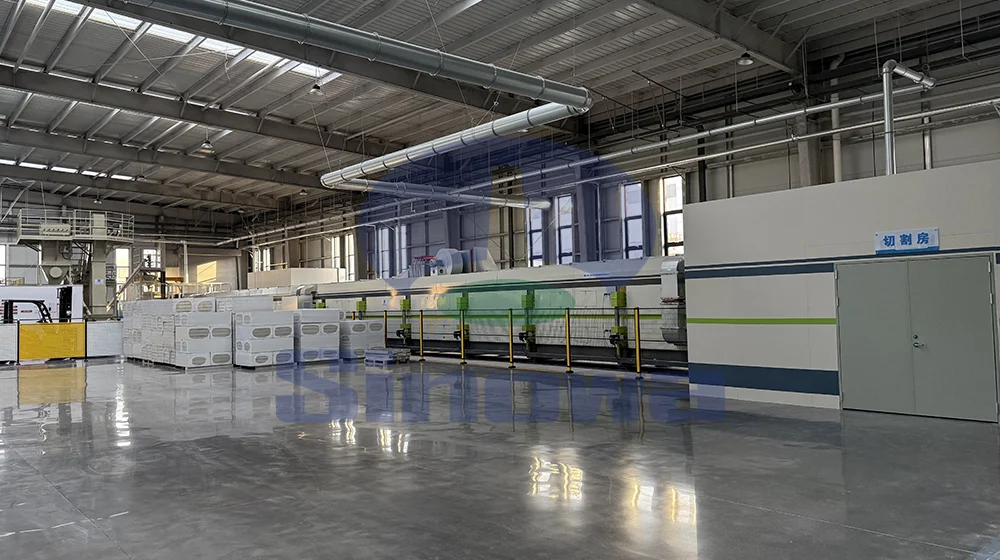
The complete workflow of a PUR sandwich panel machine unfolds in a carefully timed sequence that starts from material unwinding and ends with finished panel stacking and transfer. Coiled face materials are released from unwinding racks and guided into roll forming units, where continuous rolling shapes flat sheets into the required profile for roof or wall panels. After shaping, the sheets move forward steadily toward the foaming station, where high-precision metering pumps deliver two-component PUR raw materials into a mixing head for instantaneous blending. The mixed liquid foam is evenly spread onto the lower moving sheet before the upper sheet closes over the liquid layer, and the combined assembly enters the double-belt laminator system. Inside the laminator, controlled heat and constant pressure create stable conditions for foam expansion and cross-linking, allowing the foam to fill the cavity completely and form a firm bond with both upper and lower skins. Once the chemical reaction finishes and the foam gains sufficient structural strength, the continuous panel exits the laminator and passes through a cooling section to stabilize its shape and reduce internal stress. A flying saw cutting unit then trims the continuous web into custom lengths without halting the running line, and finished panels are transported to stacking stations for collection. Each movement and reaction step must stay synchronized, and the control system monitors dozens of operating parameters in real time to offset drift caused by ambient temperature fluctuation or raw material property shifts.
The core advantage of well-engineered PUR sandwich panel machines lies in their ability to maintain consistent product quality during long hours of nonstop operation, a feature highly valued by panel factories running multi-shift schedules. Batch-type production equipment often suffers from visible differences between individual panels, as reaction conditions reset for every pressing cycle and manual intervention introduces variable factors. Continuous PUR lines eliminate most of these inconsistencies by keeping pressure, temperature and material proportion locked within a narrow operating window throughout the whole run. Uniform foam cell structure delivers predictable thermal performance, while stable bonding reduces the risk of delamination when panels are exposed to temperature cycling after installation. Modern machine designs also incorporate thoughtful energy optimization, zoning heating sections so that only the laminator area maintains elevated working temperature instead of wasting energy heating the entire machine frame. Drive systems use synchronized servo control to keep upper and lower belts moving at identical speed, preventing shear force that could distort the fresh foam layer before it cures. These detailed optimizations do not appear as obvious features on product brochures, but they directly lower material waste and reduce maintenance downtime for end users. For panel manufacturers, the value of such equipment shows through lower scrap rates and fewer complaints from downstream buyers of finished sandwich panels.
Customization capacity stands as another defining capability of professional PUR sandwich panel machine manufacturers, because panel producers rarely share identical production requirements. Some operators focus on thin wall panels for prefabricated buildings, while others prioritize thick panels designed for cold storage enclosures, and each scenario calls for different opening ranges on the laminator, modified foaming output and adjusted cutting configurations. Modular design philosophy gives manufacturers the flexibility to reconfigure the line layout, add or remove functional units and adjust control software without rebuilding the whole machine from scratch. Optional extensions can include automatic punching mechanisms, online surface marking systems, vacuum stacking arms and packaging conveyors, which help buyers reduce manual labor at the end of the production line. Before drawing up a custom solution, engineering teams collect detailed information about intended panel dimensions, available workshop space, local power supply conditions and plans for future product expansion. They also evaluate compatibility with alternative face materials beyond standard coated metal sheets, supporting production with aluminum, fiber cement and other composite skins where suitable bonding conditions can be achieved. Customization is not limited to hardware changes; control programs are rewritten and parameter presets are saved for quick switching between different panel specifications, shortening changeover time between production orders. This tailored approach helps clients avoid paying for functions they will never use while ensuring the machine can grow alongside their business plans.
Material compatibility and adaptability to changing raw material supply chains remain central considerations during the research and development of PUR sandwich panel machines. Polyurethane formulations evolve constantly as chemical suppliers adjust ingredient compositions to modify foam hardness, flow behavior and reaction speed. A rigid machine design tied to one specific foam formula quickly becomes restrictive when raw material sources change, forcing operators to slow production or accept quality drops. Skilled manufacturers build adjustment room into the metering and mixing assembly, allowing technicians to fine-tune flow rates, mixing pressure and pouring patterns to match new foam systems. Many production lines can also be converted to process alternative core materials with minor structural upgrades, supporting hybrid production schedules that switch between PUR foam and mineral wool cores on the same base machine framework. When handling mineral wool, the foaming unit is temporarily disabled, and a separate feeding mechanism places prefabricated wool boards between the face sheets before lamination. This multi-material potential greatly improves the return on investment for buyers who serve diverse market segments and want to respond flexibly to shifting customer preferences. Machine developers continuously test new material combinations inside their own workshops, documenting reaction characteristics and updating operation guidelines so that field engineers can offer fast guidance when clients introduce unfamiliar raw materials.
Automation and human-machine interface upgrades reshape how operators interact with PUR sandwich panel machines, lowering skill barriers and cutting the chance of human error. Older equipment relied heavily on experienced technicians to judge foam quality by visual inspection and manually tweak valves and frequency drives during production runs. Current control platforms centralize all adjustable parameters on a touchscreen interface, storing recipe profiles for each panel type so that authorized staff can recall proven settings with simple selection. The system logs operating data continuously, recording production speed, material consumption, temperature trends and alarm events for later review. When abnormal readings emerge, the software triggers graded alerts: minor deviations appear as on-screen reminders, while critical faults trigger automatic slowdown or shutdown sequences to prevent large volumes of defective panels. Remote diagnostic access allows technical teams to review live data streams without traveling to the factory site, speeding up troubleshooting for control logic and sensor calibration issues. Even with advanced automation, manufacturers keep physical emergency controls and manual override functions intact, recognizing that on-site operators need reliable fallback options during unexpected power or sensor failures. Training programs focus on helping staff understand the meaning behind data readings rather than only memorizing button operations, creating a workforce capable of stable daily operation and basic routine maintenance.
Manufacturing quality control practices inside the equipment factory determine the long-term reliability of PUR sandwich panel machines after shipment, and responsible builders implement layered checks long before a single unit leaves their workshop. Component sourcing follows strict selection standards for bearings, pumps, servo motors and sensors, as low-grade auxiliary parts often cause premature downtime even when the main machine frame is robust. Machined structural pieces go through dimensional inspection after cutting and welding, ensuring that mounting surfaces stay parallel and aligned to prevent uneven stress after assembly. Once the full line is assembled, factory acceptance testing runs for extended cycles under simulated working conditions, mimicking sustained production loads and cycling through different panel recipes to expose hidden coordination issues. Every moving station is checked for noise, vibration and temperature rise, and all safety interlock circuits are verified repeatedly. Test runs also produce sample panels that are examined for surface flatness, foam uniformity and bonding integrity, confirming that output quality matches performance targets. Records from these tests are organized and provided to clients alongside operation documentation, forming a reference baseline for future performance comparison. This thorough internal testing phase reduces the risk of prolonged commissioning delays at the buyer’s facility and builds confidence that the equipment can perform as promised once installed.
Comprehensive after-sale support completes the value package offered by professional PUR sandwich panel machine manufacturers, recognizing that equipment delivery marks only the start of the partnership rather than the end. After the machine arrives at the customer’s site, technical supervisors guide installation, leveling, cable connection and initial commissioning, verifying that all modules communicate correctly and run in harmony. Structured training covers daily startup and shutdown procedures, lubrication schedules, consumable replacement, common fault identification and safe maintenance practices, training both line operators and maintenance technicians. Support channels remain open for ongoing consultation, answering questions about parameter adjustment, raw material matching and production optimization. When physical component replacement becomes necessary, clear spare part lists and efficient supply arrangements minimize idle time for the production line. Manufacturers also release periodic optimization updates for control software, incorporating improvements accumulated from operating data across many installed lines. The best support models focus on knowledge transfer, helping clients build internal capability to manage routine operations independently while reserving expert intervention for complex technical challenges. By standing behind equipment performance over years of service, these manufacturers foster stable, trust-based partnerships that support the steady expansion of the global PUR sandwich panel manufacturing ecosystem.
« PUR Sandwich Panel Machine Manufacturer » Update Date: 2026/10/23
Tags: PUR Sandwich Panel Machine , pur sandwich panel machine, pur sandwich panel machine manufacturer, pur sandwich panel machine supplier, pur sandwich panel machine for sale, customized pur sandwich panel machine, china pur sandwich panel machine
- PU Panel Machine Design
- Low Price Polyurethane Sandwich Panel Line
- PU Insulation Board Production Line Design
- Foam Sandwich Panel Production Line Manufacturer
- PU Insulated Panel Production Line Design
- PU Sandwich Panel Machine In China
- Continuous Sandwich Panel Production Line Manufacturer
- Continuous PU Sandwich Panel Line On Sales
- PUF Panel Manufacturing Machine Manufacturer
- Cheap Composite Sandwich Panel Production Line
- Glass Wool Panel Production Line Supplier
- High Efficiency PUF Panel Making Machine
- PU Insulated Panel Production Line
- PIR Insulated Panel Production Line For Sale
- High-tech Insulated Sandwich Panel Line
- Highly Intelligent PIR Sandwich Panel Line
- Glass Wool Equipment On Sales
- Low Price PUR Sandwich Panel Production Line
- PU Foam Production Line In China
- Cheap PIR Sandwich Panel Production Line
- Links:
- Sandwich Panel Continuous Production Line
- Automatic and Continuous Sandwich Panel Production Line
- Cheap and Low Price Sandwich Panel Production Line
- China Sandwich Panel Production Line Factory
- Color Steel Sandwich Panel Production Line For Cold Storage
- Continuous Composite Foam Sandwich Panel Production Line
- Continuous Production Line For Rockwool and Mineral Wool Sandwich Panels
- Continuous PU Phenolic Insulation Panel Production Line
- Continuous PU PIR Sandwich Panel Production Line
- Continuous PUF PUR Sandwich Panel Production Line
- Continuous Sandwich Panel Production Line For Roof and Wall
- Customized and Design Sandwich Panel Production Line
- Decorative Sandwich Panel Production Line For Glass Wool Boards
- High Quality Sandwich Panel Production Line For Sale
- Polyurethane(PU) Sandwich Panel Production Line
- Sandwich Panel Production Line Manufacturer and Supplier
- Sandwich Panel Production Machinery and Equipment