
High Efficiency Continuous Sandwich Panel Production Line
Sinowa is a well-known manufacturer and technical service provider of high-end continuous sandwich panel production line, learn more about high efficiency continuous sandwich panel production line, please contact Sinowa's technical engineer, tell us what you need, we will contact you as soon as possible!
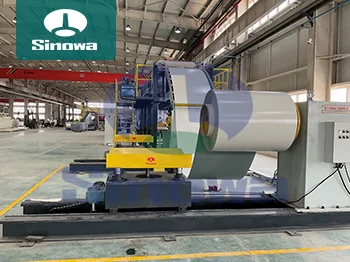
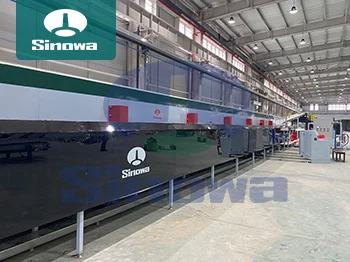
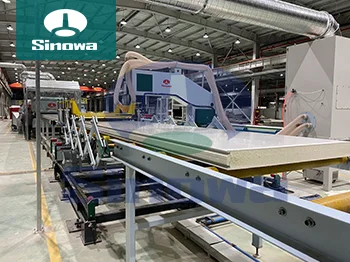
Sinowa is committed to the development and manufacturing of high-end and high-efficiency continuous sandwich panel production line. Our continuous sandwich panel production line are leading the way in efficiency, automatic control, human-computer interaction, environmental protection and energy consumption. Using system integration and bus control technology, it realizes the automatic integrated linkage control of the entire continuous sandwich panel production line, and can achieve remote interactive communication, which has the world-class level and a comprehensive leading high-performance continuous sandwich panel production line in the market.
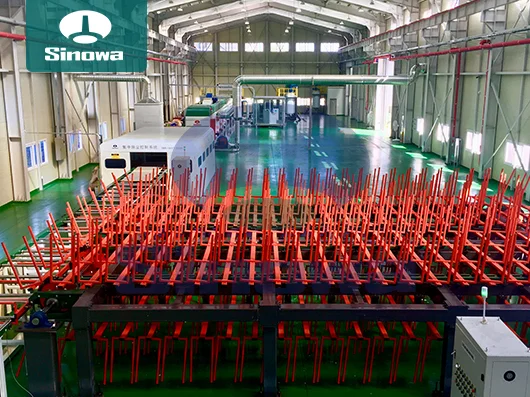
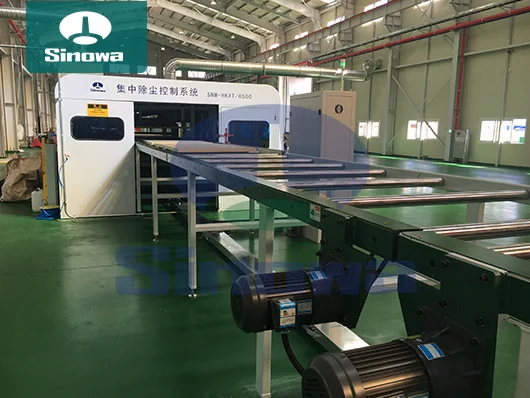
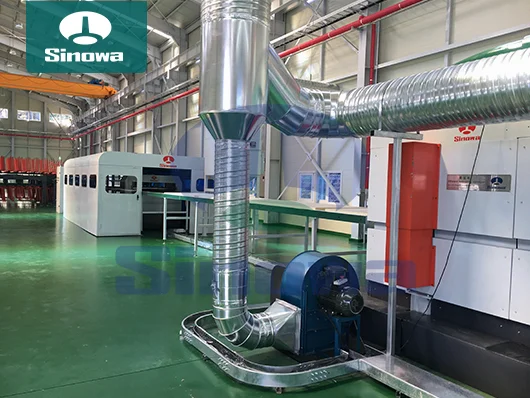
For more than ten years, relying on our innovative manufacturing concept and excellence in quality, reliable and trustworthy service to customers, we cooperate with customers all over the world, exported products to Canada, South Korea, Israel, Australia, the Middle East and other more than 20 countries and regions. contributed to building energy conservation and low-carbon production and have won widespread praise.
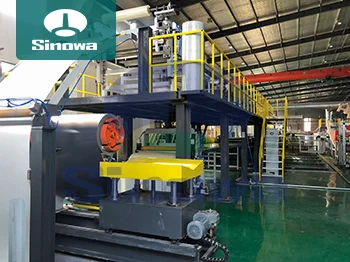
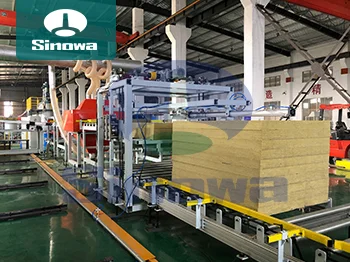
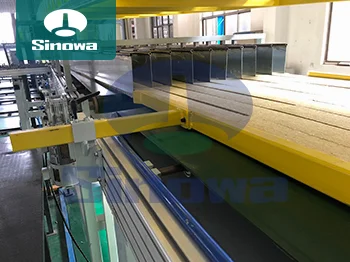
Sinowa has invested outstanding efforts in continuous sandwich panel production line, this is why our products are more efficiency, quality, automatic control technology, environmental protection, energy consumption indicators and the appearance and safety protection are comprehensively leading, some subversive design changes in many major technical points, these major innovations make our products excellent in price/performance and user experience.
In the rapidly evolving modern construction and industrial manufacturing sectors, the demand for lightweight, thermally insulated, and structurally stable building panels has maintained a steady upward trend. Sandwich panels, as versatile composite building materials, are widely applied in industrial workshops, cold storage facilities, clean rooms, and temporary construction buildings due to their excellent comprehensive performance. The high efficiency continuous sandwich panel production line has become a core production equipment in the panel manufacturing industry by virtue of its uninterrupted operation mode, streamlined production logic, and stable product forming quality. It effectively solves the shortcomings of traditional intermittent production equipment such as low output, inconsistent product precision, and high manual intervention cost, and gradually becomes the mainstream production configuration for medium and large-scale panel processing enterprises.
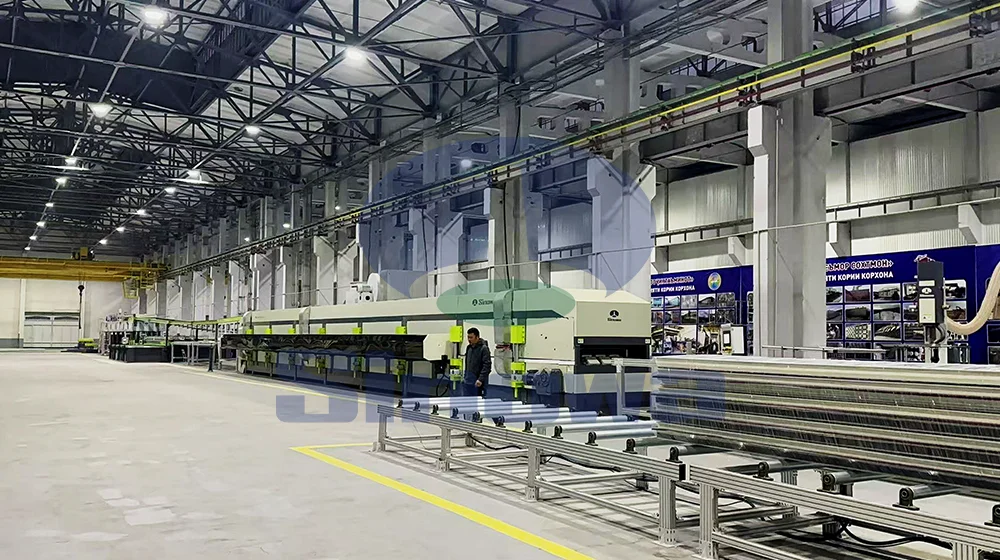
The overall structural design of the high efficiency continuous sandwich panel production line follows the integrated production concept, combining multiple functional units into a connected and collaborative operating system. Each functional module is closely linked in accordance with the panel forming sequence, realizing automatic circulation from raw material feeding to finished product stacking. The whole production process avoids frequent material handling and repeated positioning operations in discrete production lines, which greatly reduces the idle time of equipment and materials. The mechanical framework of the production line adopts reinforced metal structures with optimized stress distribution design, which can maintain stable operating conditions under long-term continuous load. The vibration suppression structure is installed at the key operation nodes to reduce mechanical jitter generated during high-speed operation, laying a solid foundation for consistent panel surface flatness and structural uniformity.
At the initial stage of production, the raw material feeding system undertakes the task of orderly conveying base plates and core materials. The metal base plates used for the outer layer of sandwich panels are transported by automatic unwinding equipment, which can realize smooth discharging of coiled metal materials. The feeding speed is matched with the overall operating rhythm of the production line to avoid material accumulation or supply interruption. The guiding and correcting devices are embedded in the feeding link, which can dynamically adjust the material transmission track to prevent lateral deviation of the base plates during moving. For porous core materials such as rock wool, glass wool, and foam materials, the feeding mechanism adopts adaptive clamping and conveying structures. It can flexibly adapt to core materials with different densities and hardness, ensuring that the core materials are arranged neatly and tightly without gaps or distortion in the feeding process. The automated feeding mode replaces manual material placement, not only improving feeding efficiency but also eliminating product quality differences caused by human operation errors.
The glue coating process is a key link to determine the bonding firmness of sandwich panels, and the high efficiency production line is equipped with a precision automatic glue spreading system. Different from the traditional manual or semi-automatic glue application methods, this system adopts quantitative and uniform glue discharging logic. The internal flow channel of the glue coating device is optimized to avoid glue precipitation and blockage during long-term continuous use. The coating thickness and coverage area can be adaptively adjusted according to the material type and production specifications. The glue liquid can form a uniform thin film on the bonding surface of the base plate and the core material, which enhances the interfacial adhesion between layers. In addition, the system is equipped with an automatic cleaning auxiliary structure, which can reduce glue residue accumulation, effectively lowering the failure rate of the glue coating unit and extending the continuous working cycle of the equipment. Reasonable temperature control components are also configured in the glue coating area to maintain the optimal activity of the adhesive and ensure stable bonding performance in different production environments.
After the completion of glue coating and material assembly, the composite pressing unit starts to complete the lamination and preliminary shaping of sandwich panels. This unit adopts multi-group roller pressing structures with adjustable spacing and pressure. The pressure value can be accurately controlled according to the thickness and compression resistance of raw materials, so as to ensure that there is no empty bonding or excessive compression deformation inside the panels. The pressing rollers are processed with smooth and wear-resistant surfaces to prevent scratches and indentations on the outer surface of metal plates. The internal transmission structure of the pressing unit operates synchronously with the front-end feeding system, realizing constant-speed conveying and pressing integration. In the continuous pressing process, the laminating state of the panels is always kept stable, and the parallelism between the upper and lower base plates is strictly controlled. This processing method makes the internal structure of the finished panels compact and uniform, and significantly improves the overall structural stability and pressure resistance of the products.
The curing and cooling system is an indispensable part to realize continuous production and finalize the panel structure. After pressing and lamination, the semi-finished panels enter the constant-temperature curing channel, where a stable temperature environment is built to accelerate the curing reaction of the adhesive. The internal circulation structure of the curing channel ensures uniform heat distribution, avoiding local overheating or insufficient curing. With the gradual progress of the curing process, the bonding strength between the composite layers is steadily improved. Subsequently, the panels are sent to the cooling area for gradual temperature reduction. The circulating cooling structure is used to control the cooling rate, which effectively prevents the panel from generating internal stress due to rapid temperature change, and avoids warping and deformation of the finished product. The integrated design of curing and cooling realizes uninterrupted transmission of semi-finished products, ensuring that each panel can complete the structural stabilization process in a fixed cycle and meet the subsequent cutting and processing standards.
The fixed-length cutting and edge trimming unit realizes the sizing and shaping of finished panels. Equipped with high-precision sensing and counting components, the production line can automatically measure the conveying length of panels and trigger the cutting action at accurate positions. The cutting tool adopts high-hardness wear-resistant materials, which can maintain smooth cutting edges during long-term continuous cutting operation without burrs and cracks. The edge trimming mechanism can trim the redundant margins on both sides of the panels to ensure consistent width specifications of each finished product. All cutting and trimming actions are completed synchronously with the panel conveying process, without stopping the production line for independent processing. This non-stop cutting mode maximizes the production continuity, and the dimensional error of the finished panels is controlled within a tiny range, which improves the product qualification rate and interchangeability.
The final stage of the production line is the automatic stacking and discharging system, which undertakes the finishing and storage of finished panels. Different from the simple material bearing structure of traditional equipment, this system adopts a reasonable stacking rhythm control design. It can receive the finished panels conveyed from the front end in real time and complete orderly stacking through stable mechanical transmission. The double-station alternating operation structure is adopted in the stacking link, which enables one station to complete stacking and the other to prepare for material receiving. This mode eliminates the production pause caused by single-station material transfer, ensuring the continuity of the whole production line. The stacking mechanism has precise positioning capability, which can keep the panels aligned neatly up and down, reducing the difficulty of subsequent packaging and transportation. At the same time, the buffer protection structure is installed in the stacking process to avoid surface abrasion and collision damage of the panels during falling and stacking.
The intelligent control system runs through all functional units of the production line and serves as the core brain to ensure high-efficiency operation. The system adopts integrated programming logic to realize centralized regulation of feeding speed, glue coating amount, pressing pressure, curing temperature, cutting size and other key parameters. The intuitive human-computer interaction interface simplifies the parameter setting operation, and operators can complete the switching of production specifications through simple adjustment instructions. The real-time data monitoring module can track the operating state of each component of the equipment, including operating speed, temperature, pressure and other indicators. Once abnormal parameter fluctuation occurs, the system will trigger early warning prompts and carry out adaptive adjustment to reduce production risks. In addition, the control system has a self-learning optimization function, which can subtly optimize the operating parameters according to the long-term production data, so that the equipment can always maintain the optimal operating state.
Compared with traditional discontinuous production equipment, the high efficiency continuous sandwich panel production line has prominent advantages in production efficiency and resource utilization. The uninterrupted circulating production mode eliminates a large number of intermediate transfer links, and the unit time output is significantly improved. The collaborative operation of all modules reduces the waiting time of raw materials and semi-finished products in the production process. In terms of energy consumption, the optimized power distribution design avoids repeated start-up and shutdown energy loss of the equipment. The heating and cooling systems adopt circulating energy-saving structures to reduce ineffective energy consumption. In terms of raw material utilization, the precise glue coating and cutting control reduce the waste of adhesives and plate raw materials. The overall material utilization rate of the production line is greatly improved, which brings better economic benefits to production enterprises.
This type of production line has excellent material compatibility and can adapt to the production requirements of various types of sandwich panels. It can match metal base plates of different thicknesses and surface treatment processes, and is compatible with multiple core materials such as inorganic thermal insulation materials and organic foam materials. By adjusting the operating parameters of each unit, the production line can flexibly switch between panels of different thicknesses, widths and structural specifications. The simple and efficient model switching process does not require complicated disassembly and debugging, which shortens the downtime adjustment time. This flexible production capability enables the production line to meet the customized production needs of different industries and enrich the product diversity of processing enterprises.
In terms of daily maintenance and operation stability, the production line is designed with humanized maintenance logic. The key transmission parts and vulnerable components are provided with detachable installation structures, which facilitates daily inspection, lubrication and replacement. The closed protective structure is adopted for easily contaminated parts such as the glue coating area to reduce the interference of dust and debris on equipment performance. The simplified mechanical transmission structure reduces the number of vulnerable parts, lowering the failure probability in long-term operation. The equipment is equipped with a safety protection interlock device, which can automatically stop the operation of related units in case of abnormal operation, ensuring the safety of operators and equipment. The low maintenance difficulty and stable operation performance reduce the comprehensive operation cost of the production line and improve the continuous production capacity of the enterprise.
With the continuous improvement of industrial construction standards and the increasingly strict requirements for building energy conservation, the market demand for high-quality sandwich panels will continue to expand. The high efficiency continuous sandwich panel production line, as an advanced production equipment integrating automation, intelligence and high efficiency, is constantly optimizing its technical performance in the direction of energy conservation, environmental protection and high precision. In the future, with the further upgrading of manufacturing technology, the production line will realize more intelligent production scheduling and more precise quality control. It will provide more reliable technical support for the production of high-performance sandwich panels, promote the standardized and large-scale development of the sandwich panel manufacturing industry, and make important contributions to the upgrading of the modern building material industry and the optimization of industrial construction systems.
« High Efficiency Continuous Sandwich Panel Production Line » Update Date: 2026/5/8
- Fully Automatic PU Sandwich Panel Production Line Design
- Low Price Insulated Sandwhich Panel Production Line
- High-tech Polyurethane Insulation Panel Production Line
- Highly Intelligent Polyurethane Sandwich Panel Production Line
- Color Steel Sandwich Panel Production Line For Sale
- Automatic Sandwich Panel Production Line From China
- Isolation Sandwich Panel Production Line For Sale
- Insulated Sandwhich Panel Production Line Price
- Cheap Sandwich Roof Wall Panel Making Machine
- High Efficiency Isolation Sandwich Panel Production Line
- High-tech Sandwich Panel Manufacturing Line
- Custom Wall Sandwich Panel Production Line
- Sandwich Panel Making Machine From China
- Cold Storage Sandwich Panel Production Line
- PU Isolation Panel Production Line Supplier
- High-tech Glass Wool Panel Production Line
- Low Price PU Insulation Board Production Line
- Glass Wool Line Price
- High-tech PU Insulation Panel Production Line
- High-quality Glass Wool Equipment
- Links:
- Sandwich Panel Continuous Production Line
- Automatic and Continuous Sandwich Panel Production Line
- Cheap and Low Price Sandwich Panel Production Line
- China Sandwich Panel Production Line Factory
- Color Steel Sandwich Panel Production Line For Cold Storage
- Continuous Composite Foam Sandwich Panel Production Line
- Continuous Production Line For Rockwool and Mineral Wool Sandwich Panels
- Continuous PU Phenolic Insulation Panel Production Line
- Continuous PU PIR Sandwich Panel Production Line
- Continuous PUF PUR Sandwich Panel Production Line
- Continuous Sandwich Panel Production Line For Roof and Wall
- Customized and Design Sandwich Panel Production Line
- Decorative Sandwich Panel Production Line For Glass Wool Boards
- High Quality Sandwich Panel Production Line For Sale
- Polyurethane(PU) Sandwich Panel Production Line
- Sandwich Panel Production Line Manufacturer and Supplier