
High-end Insulated Panel Machine
Sinowa is a well-known manufacturer and technical service provider of high-end insulated panel machine, learn more about high-end insulated panel machine, please contact Sinowa's technical engineer, tell us what you need, we will contact you as soon as possible!
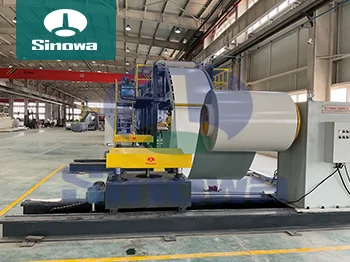
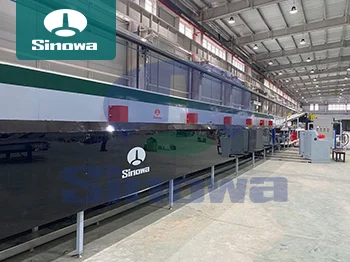
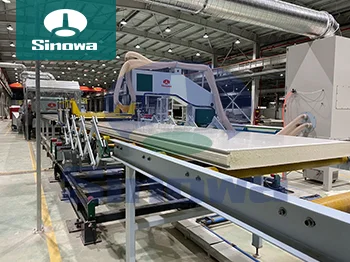
Sinowa is committed to the development and manufacturing of high-end and high-efficiency insulated panel machine. Our insulated panel machine are leading the way in efficiency, automatic control, human-computer interaction, environmental protection and energy consumption. Using system integration and bus control technology, it realizes the automatic integrated linkage control of the entire insulated panel machine, and can achieve remote interactive communication, which has the world-class level and a comprehensive leading high-performance insulated panel machine in the market.
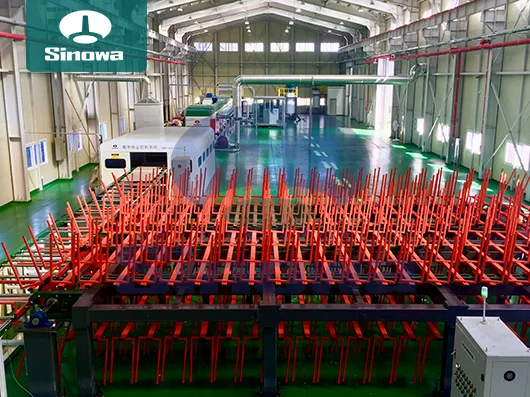
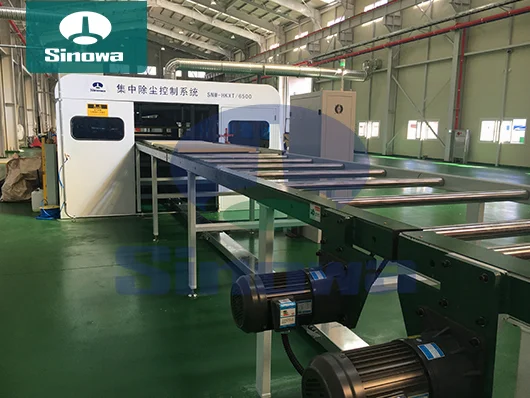
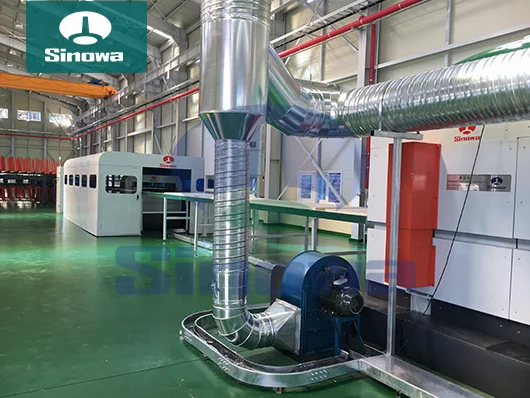
For more than ten years, relying on our innovative manufacturing concept and excellence in quality, reliable and trustworthy service to customers, we cooperate with customers all over the world, exported products to Canada, South Korea, Israel, Australia, the Middle East and other more than 20 countries and regions. contributed to building energy conservation and low-carbon production and have won widespread praise.
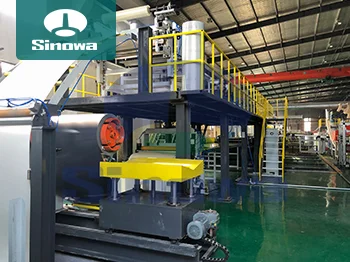
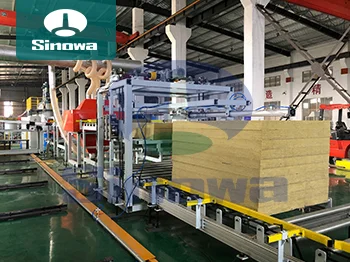
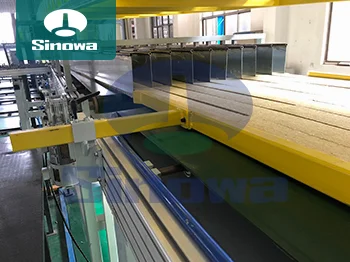
Sinowa has invested outstanding efforts in insulated panel machine, this is why our products are more efficiency, quality, automatic control technology, environmental protection, energy consumption indicators and the appearance and safety protection are comprehensively leading, some subversive design changes in many major technical points, these major innovations make our products excellent in price/performance and user experience.
The high-end insulated panel machine represents a major leap forward in modern composite material manufacturing, designed to produce building panels that combine structural strength with reliable thermal performance. Unlike basic production equipment that can only handle simple panel structures, this type of machinery integrates multiple processing stages into one continuous workflow, streamlining material feeding, surface preparation, core material placement, lamination, pressing, and cutting within a single production line. Every component of the machine is engineered to maintain consistent operating conditions during long hours of continuous operation, eliminating many of the irregularities that appear in panels made by less advanced systems. Operators can adjust production parameters to match different raw material combinations, adapting to varying core densities and facing sheet types without extensive reconfiguration downtime. The precision built into the equipment reduces material waste by keeping trimming tolerances very tight, which improves overall production efficiency while cutting down on leftover raw materials. The machine also prioritizes stable bonding between the outer skins and inner insulation core, a critical factor that determines the long-term durability of finished panels. Even under sustained manufacturing loads, the mechanical structure resists deformation, ensuring that each batch of panels maintains uniform thickness and flatness across the full production run. Manufacturers who adopt this equipment gain greater flexibility to create panels suited for diverse construction applications, moving beyond limited product ranges tied to simpler machinery designs.
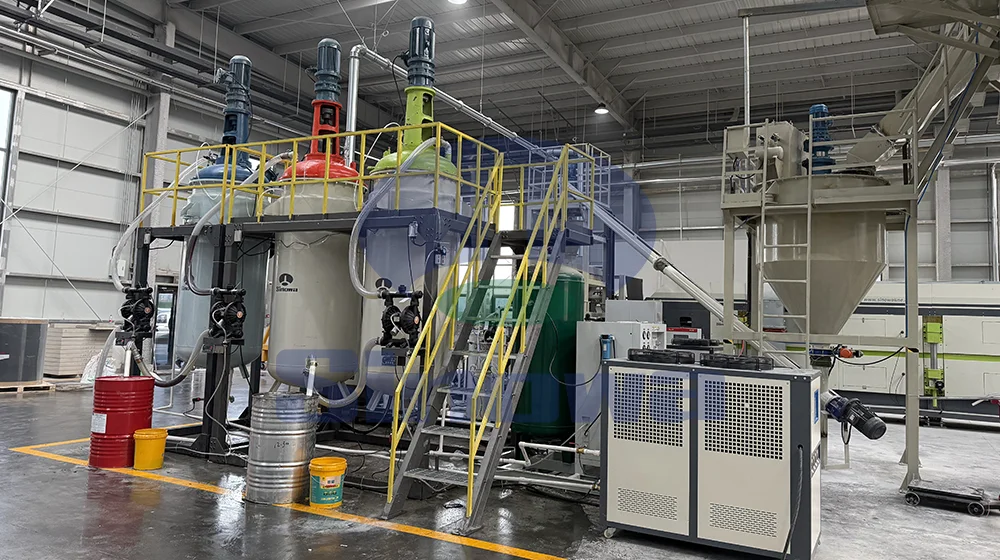
The core operational logic of the high-end insulated panel machine centers on synchronized motion control across all linked stations, ensuring every phase of panel formation happens in perfect alignment. Raw facing materials are unwound and guided through pre-treatment modules that clean and condition the surface, preparing it to form a strong adhesive bond with the insulation core. The core material is delivered at a controlled feed rate, positioned accurately between the two facing layers before the assembly enters the pressing section. Pressure and temperature within the press zone are regulated continuously throughout the curing process, preventing weak bonding spots or uneven foam expansion that can compromise panel quality. Advanced sensor systems monitor real-time data at multiple points along the line, capturing readings for speed, pressure, temperature, and material position. When minor deviations from preset parameters occur, the system automatically makes small adjustments rather than requiring an immediate full stop to production. This level of automated oversight reduces the need for constant manual monitoring and lowers the chance of human error affecting finished product quality. Operators still retain oversight authority and can pause or modify the process when switching to new panel specifications. By coordinating all mechanical and thermal actions seamlessly, the machine creates finished panels with consistent physical properties across every unit produced in a single production cycle.
Material compatibility stands out as one of the most valuable features of the high-end insulated panel machine, allowing processors to work with a broad spectrum of insulation cores and surface covering materials. The equipment can accommodate rigid foam cores of different densities, as well as fibrous and other structural insulating substrates, without requiring major hardware overhauls. Metal, composite, and cement-based facing sheets can all be processed, giving producers the ability to tailor finished panels for different environmental and functional requirements. The feeding mechanisms are engineered to handle materials with varying rigidity and surface texture, avoiding tearing, wrinkling, or misalignment as materials move through the line. The adhesive application system distributes bonding compound evenly across contact surfaces, adjusting flow rates automatically based on line speed and material type. This adaptability removes many traditional limitations that forced manufacturers to use a narrow selection of raw materials to match older production lines. Businesses can respond faster to shifting market demands, experimenting with new material combinations to create panels with customized weight, rigidity, and insulation performance. This flexibility also extends to finished panel dimensions, supporting variable widths and lengths within the machine’s operational range. Instead of being locked into a fixed product profile, production teams can iterate on new panel designs and bring them to market with shorter preparation periods.
Energy efficiency has been carefully integrated into the design of high-end insulated panel machines, addressing rising operational costs and sustainable production priorities across the manufacturing sector. Thermal systems use targeted heating, focusing energy only on the regions required for adhesive curing and core formation instead of wasting heat across the entire machine enclosure. Insulated housings around heated sections reduce heat loss to the surrounding factory space, lowering the amount of power needed to maintain stable working temperatures. Variable-drive motors adjust power consumption according to production speed, drawing less energy during low-volume runs and ramping up output only when required. Hydraulic and pneumatic systems are optimized to reduce pressure fluctuations and energy leakage, cutting unnecessary power drain during continuous operation. Intelligent standby modes reduce energy use during brief production pauses, without requiring a full shutdown and lengthy restart process. Beyond energy savings, these design choices also create a more stable thermal environment for panel manufacturing, indirectly improving finished product consistency. Factories operating these machines see measurable reductions in utility expenditure over time, alongside less heat release into the workshop environment, which eases demands on site climate control. Efficient energy use does not compromise production speed or panel quality, proving that high throughput and responsible resource consumption can coexist within modern manufacturing equipment.
Automation and user interface design on high-end insulated panel machines balance sophisticated control capabilities with practical ease of operation for on-site production teams. The central control interface displays live production metrics in a clear, organized layout, so operators can quickly assess line status, review historical run data, and adjust settings. Preset production profiles can be saved and recalled for frequently manufactured panel types, cutting setup time between product changeovers. Built-in diagnostic functions identify potential mechanical or process irregularities early, before they escalate into equipment failures or defective batches. The system flags issues with straightforward alerts, guiding maintenance staff toward the relevant component instead of requiring lengthy manual troubleshooting. Safety interlocks are embedded throughout the line to halt movement automatically if access doors are opened or abnormal conditions are detected, protecting personnel working near moving machinery. Training requirements for routine operation are manageable, even for teams transitioning from older, less automated panel production systems. While advanced programming knowledge is not needed for daily operation, the control architecture allows skilled technicians to access deeper configuration options for custom production tasks. This blend of accessibility and advanced functionality makes the machine suitable for both steady mass production and shorter, custom manufacturing runs.
Maintenance design for high-end insulated panel machines focuses on reducing downtime and simplifying regular servicing tasks to preserve long-term operational reliability. Wear-prone components are positioned for easy access, so technicians can inspect, clean, or replace parts without large-scale disassembly of the production line. Lubrication points are centralized, and some sections include automated lubrication delivery to maintain proper mechanical function over extended operating hours. The machine’s structural frame is built from durable materials that resist corrosion and mechanical fatigue, even in factory environments with fluctuating temperature and humidity. Modular construction means individual functional sections can be serviced or replaced separately, rather than taking the entire line offline for a single component repair. Digital maintenance logs track operating hours and component usage, helping teams schedule preventive service before wear leads to unexpected breakdowns. Routine cleaning procedures target areas where adhesive residue or material debris tends to accumulate, preventing buildup that could interfere with material movement or sensor accuracy. A well-maintained machine retains its original precision for many years of operation, keeping panel dimensional tolerances and bonding performance consistent over its service life. Planned maintenance becomes a straightforward routine rather than a source of disruptive, unplanned production stoppages for manufacturing facilities.
The finished panels created by high-end insulated panel machines deliver performance advantages that support modern construction and industrial enclosure projects. Uniform core distribution and reliable skin-to-core bonding prevent delamination issues that can appear in panels from less precise production lines. Panels maintain stable thermal resistance over time, resisting degradation from temperature cycling and normal environmental exposure. The consistent flatness and dimensional accuracy simplify installation for contractors, reducing on-site trimming and fitting work during assembly. These panels also carry predictable structural performance, supporting specified load requirements for wall, roof, and partition applications. Surface finishes remain uniform across large production batches, which streamlines aesthetic matching for building facades and interior spaces. The controlled manufacturing environment eliminates voids and uneven density within the insulation core, weak points that would otherwise reduce service life. Project planners can rely on predictable panel characteristics when designing building assemblies, without unexpected variations between units from different production batches. By producing panels with stable physical and thermal attributes, the machine helps construction projects achieve long-term performance goals while lowering maintenance needs for completed structures.
Looking ahead, the evolution of high-end insulated panel machines continues to align with shifting industry needs for adaptable, resilient manufacturing solutions. Ongoing refinements focus on further refining sensor accuracy and expanding the range of compatible sustainable raw materials, supporting the development of next-generation insulation products. Improved data connectivity allows production teams to compile long-term operational insights, identifying trends in material consumption, line performance, and output quality across multiple manufacturing runs. Future iterations of the equipment will continue to streamline changeover workflows, enabling producers to switch between custom panel specifications with even less interruption. Design improvements also target quieter operation and reduced waste generation, refining the environmental footprint of the manufacturing process itself. As demand grows for high-performance building envelopes and modular construction components, this category of machinery will remain central to scaling reliable insulated panel production. The underlying design philosophy remains unchanged: combining mechanical precision, process control, and material flexibility to deliver consistent, high-quality composite panels. Manufacturers that invest in this class of production equipment position themselves to adapt to evolving market requirements and maintain a competitive edge within the composite building materials sector for years to come.
« High-end Insulated Panel Machine » Update Date: 2026/10/20
Tags: Insulated Panel Machine , insulated panel machine, insulated panel machine manufacturer, insulated panel machine supplier, insulated panel machine for sale, customized insulated panel machine, china insulated panel machine
- High-tech Insulation Board Production Line
- Phenolic Insulation Panel Production Line Factory
- Insulated Panel Machine For Sale
- Customized Phenolic Resin Panel Production Line
- Insulated Panel Machine Design
- Phenolic Air Duct Panel Line For Cold Storage
- High-end Insulation Board Production Line
- High-tech Exterior Wall Insulation Panel Production Line
- High-quality Phenolic Resin Panel Production Line
- Phenolic Insulation Board Production Line In China
- Low Price Sandwich Duct Panel Machine
- Low Price Phenolic Foam Production Line
- Insulated Panel Machine Factory
- Phenolic Foam Production Line For House
- Customized Insulation Board Production Line
- Exterior Wall Insulation Panel Production Line Factory
- Custom Phenolic Insulation Board Production Line
- Phenolic Insulated Panel Production Line
- High-quality Exterior Wall Insulation Panel Production Line
- Phenolic Air Duct Panel Line Factory
- Links:
- Sandwich Panel Continuous Production Line
- Automatic and Continuous Sandwich Panel Production Line
- Cheap and Low Price Sandwich Panel Production Line
- China Sandwich Panel Production Line Factory
- Color Steel Sandwich Panel Production Line For Cold Storage
- Continuous Composite Foam Sandwich Panel Production Line
- Continuous Production Line For Rockwool and Mineral Wool Sandwich Panels
- Continuous PU Phenolic Insulation Panel Production Line
- Continuous PU PIR Sandwich Panel Production Line
- Continuous PUF PUR Sandwich Panel Production Line
- Continuous Sandwich Panel Production Line For Roof and Wall
- Customized and Design Sandwich Panel Production Line
- Decorative Sandwich Panel Production Line For Glass Wool Boards
- High Quality Sandwich Panel Production Line For Sale
- Polyurethane(PU) Sandwich Panel Production Line
- Sandwich Panel Production Line Manufacturer and Supplier
- Sandwich Panel Production Machinery and Equipment