
Polyurethane Sandwich Panel Machine For Sale
Sinowa is a well-known manufacturer and technical service provider of high-end polyurethane sandwich panel machine, learn more about polyurethane sandwich panel machine for sale, please contact Sinowa's technical engineer, tell us what you need, we will contact you as soon as possible!
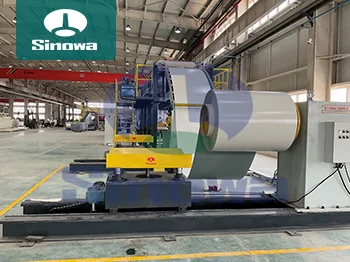
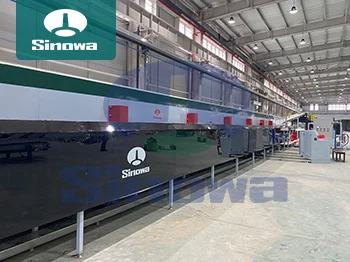
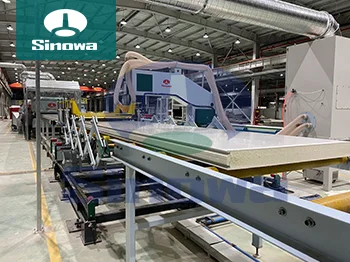
Sinowa is committed to the development and manufacturing of high-end and high-efficiency polyurethane sandwich panel machine. Our polyurethane sandwich panel machine are leading the way in efficiency, automatic control, human-computer interaction, environmental protection and energy consumption. Using system integration and bus control technology, it realizes the automatic integrated linkage control of the entire polyurethane sandwich panel machine, and can achieve remote interactive communication, which has the world-class level and a comprehensive leading high-performance polyurethane sandwich panel machine in the market.
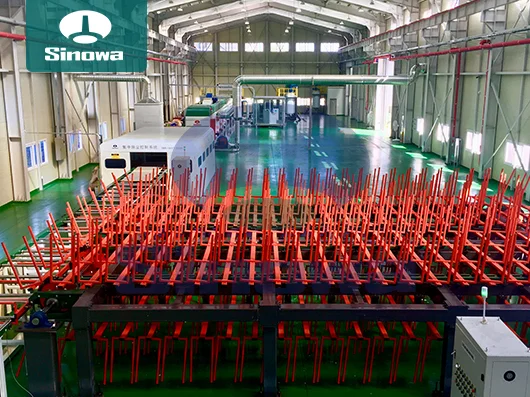
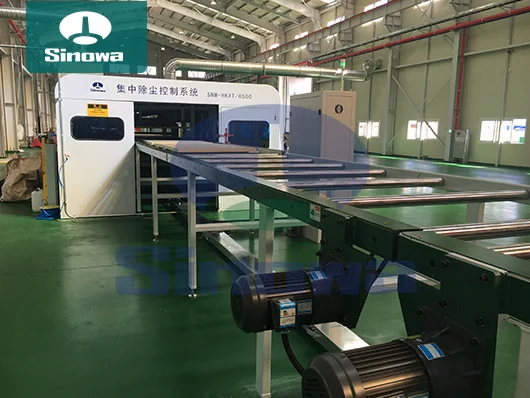
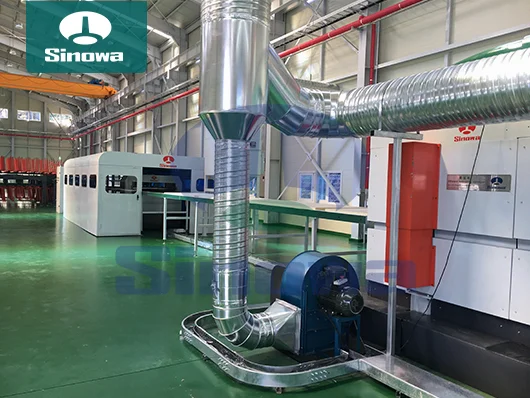
For more than ten years, relying on our innovative manufacturing concept and excellence in quality, reliable and trustworthy service to customers, we cooperate with customers all over the world, exported products to Canada, South Korea, Israel, Australia, the Middle East and other more than 20 countries and regions. contributed to building energy conservation and low-carbon production and have won widespread praise.
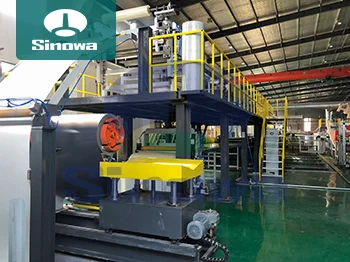
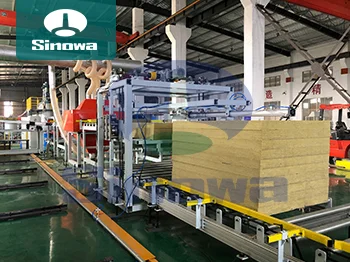
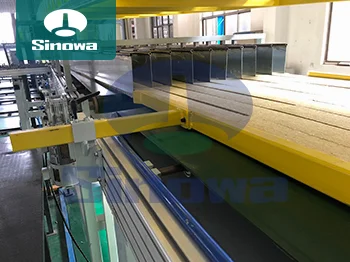
Sinowa has invested outstanding efforts in polyurethane sandwich panel machine, this is why our products are more efficiency, quality, automatic control technology, environmental protection, energy consumption indicators and the appearance and safety protection are comprehensively leading, some subversive design changes in many major technical points, these major innovations make our products excellent in price/performance and user experience.
In the contemporary construction and manufacturing landscape, the demand for efficient, high-performance building materials has driven significant advancements in production technology. Among these, polyurethane sandwich panels have emerged as a staple in modern construction due to their exceptional thermal insulation, structural integrity, and lightweight properties. These panels, consisting of two outer facings (typically galvanized steel, galvalume, or aluminum) and a rigid polyurethane core, are widely used in industrial warehouses, cold storage facilities, commercial buildings, agricultural structures, and logistics centers. To meet the growing market need for these versatile panels, polyurethane sandwich panel machines have become indispensable equipment for manufacturers, offering a seamless and cost-effective solution for large-scale production. Investing in a high-quality polyurethane sandwich panel machine is not merely a purchase but a strategic decision that enhances production efficiency, product quality, and long-term business competitiveness.
Understanding the working principle of a polyurethane sandwich panel machine is fundamental to appreciating its role in modern manufacturing. The production process is a sophisticated yet streamlined sequence of operations that ensures the consistent quality of each panel. It typically begins with the preparation and handling of the outer facing materials. Rolled metal sheets, such as pre-painted galvanized steel or aluminum, are loaded into uncoiling machines, which unwind the sheets and feed them into leveling devices to eliminate any wrinkles or deformities. This step is crucial as it ensures the flatness of the final product, which directly impacts the structural stability and aesthetic appeal of the panels. After leveling, the metal sheets pass through forming rollers that shape them into the desired profile, whether for wall panels or roof panels, with precise dimensions tailored to specific construction requirements.
Following the forming process, the metal sheets undergo pre-heating to optimize the adhesion of the polyurethane core. The pre-heating temperature is carefully controlled to ensure that the subsequent foaming process achieves maximum bonding strength between the core and the outer facings. Meanwhile, the polyurethane raw materials, consisting of polyol and isocyanate, are precisely measured and mixed in a high-pressure foaming machine. The mixing ratio is critical to the performance of the polyurethane core, as it determines the core density, thermal conductivity, and mechanical properties. The mixed polyurethane foam is then uniformly dispensed onto the lower metal facing via a precision casting system. The upper metal facing, which has also undergone forming and pre-heating, is then brought together with the lower facing, sandwiching the freshly dispensed foam between them. The combined structure is then fed into a double-track laminating conveyor, where the foam undergoes a controlled foaming and curing process under constant pressure and temperature. This double-track system ensures that the foam expands evenly and cures completely, resulting in a dense, uniform core with excellent thermal insulation properties. Once the curing process is complete, the continuous panel is cut into custom lengths using an automatic tracking cutting machine, which operates without interrupting the production line, ensuring maximum efficiency. The finished panels are then conveyed to a stacking and packaging area, ready for delivery to customers.
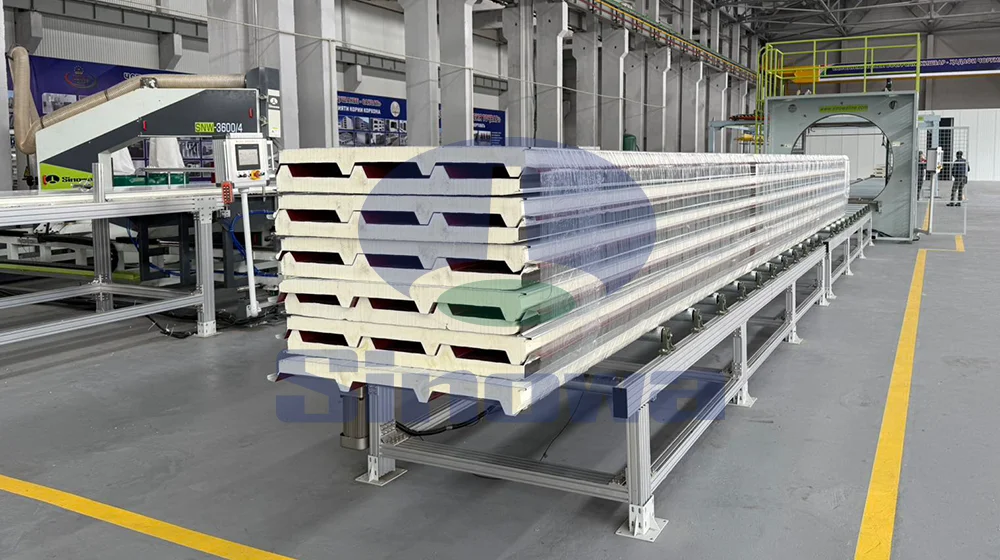
A high-quality polyurethane sandwich panel machine is composed of several core components, each playing a vital role in the production process. The uncoiling system, equipped with hydraulic tension control and automatic deviation correction, ensures that the metal sheets are fed smoothly and accurately, preventing material waste and ensuring consistent panel dimensions. The forming system, consisting of precision-engineered rollers made from high-quality carbon steel, undergoes quenching and tempering treatments, followed by hard chrome plating to ensure durability and long service life. These rollers are adjustable, allowing manufacturers to produce panels of different widths and profiles without significant retooling, enhancing the machine's versatility. The high-pressure foaming system is the heart of the machine, featuring advanced metering pumps that deliver precise amounts of raw materials. The mixing head of the foaming machine ensures thorough and uniform mixing of the polyol and isocyanate, which is essential for producing a high-quality foam core with consistent density and thermal performance. The double-track laminating conveyor is equipped with a heating system that maintains a stable temperature environment for foam curing, with adjustable pressure settings to accommodate different panel thicknesses. The automatic cutting system, equipped with high-speed circular saws or blade cutters, ensures clean, precise cuts with minimal material loss, even at high production speeds. Additionally, modern machines are equipped with advanced electrical control systems, featuring touch-screen interfaces and programmable logic controllers (PLCs) that allow operators to monitor and adjust production parameters in real-time, ensuring optimal performance and ease of operation.
One of the key advantages of investing in a polyurethane sandwich panel machine is its ability to deliver high production efficiency, making it ideal for large-scale manufacturing operations. Continuous production lines can achieve speeds ranging from 4 to 10 meters per minute, depending on the panel thickness and material specifications, enabling manufacturers to meet large orders within tight deadlines. Compared to traditional manual or semi-automatic production methods, these machines significantly reduce labor costs and minimize human error, resulting in consistent product quality. The automated nature of the production process also reduces the reliance on skilled labor, making it easier for manufacturers to maintain production levels even in labor-scarce markets. Furthermore, the modular design of modern polyurethane sandwich panel machines allows for easy expansion and customization, enabling manufacturers to adapt to changing market demands by adding new functionalities or increasing production capacity.
Another major benefit of using a polyurethane sandwich panel machine is the superior quality of the panels it produces. The precise control over every stage of the production process ensures that each panel meets strict quality standards. The uniform distribution of the polyurethane foam core guarantees consistent thermal conductivity, typically ranging from 0.022 to 0.028 W/m·K, which is significantly lower than other insulation materials, making the panels highly energy-efficient. The strong bonding between the foam core and the outer metal facings ensures a high shear strength of no less than 0.09 MPa, enhancing the structural integrity of the panels and making them suitable for use in harsh weather conditions. Additionally, the panels produced by these machines have excellent dimensional accuracy, with consistent thickness (ranging from 20 mm to 150 mm) and length (customizable up to 18 meters), ensuring easy installation and reducing construction time. The ability to produce panels with different surface finishes and colors also allows manufacturers to cater to diverse customer preferences, expanding their market reach.
The versatility of polyurethane sandwich panel machines is another factor that makes them a valuable investment for manufacturers. These machines are capable of producing a wide range of panels for various applications, including wall panels, roof panels, cold storage panels, and sound insulation panels. By adjusting the production parameters, such as foam density, panel thickness, and facing material, manufacturers can tailor the panels to meet specific performance requirements. For example, panels used in cold storage facilities require a higher foam density and better thermal insulation, while panels used in industrial warehouses may prioritize structural strength and load-bearing capacity. Additionally, the machines can accommodate different types of facing materials, including galvanized steel, galvalume, aluminum, and even non-metallic materials such as fiber-reinforced cement boards, further expanding their application scope. This versatility allows manufacturers to serve multiple market segments, reducing their reliance on a single product and enhancing business stability.
In terms of economic benefits, polyurethane sandwich panel machines offer significant long-term value. While the initial investment may be substantial, the high production efficiency and low operating costs result in a quick return on investment. The automated production process reduces labor costs, and the precise material measurement minimizes waste, lowering raw material expenses. Furthermore, the panels produced by these machines have a long service life, typically ranging from 20 to 30 years, with minimal maintenance requirements, making them a cost-effective solution for customers. This, in turn, increases the market demand for the panels, driving sales growth for manufacturers. Additionally, the energy efficiency of polyurethane sandwich panels aligns with global trends toward sustainable and green construction, which is supported by various government initiatives and regulations. Investing in a polyurethane sandwich panel machine allows manufacturers to capitalize on this growing market trend, expanding their customer base and enhancing their competitive edge.
When considering purchasing a polyurethane sandwich panel machine, there are several factors that manufacturers should take into account to ensure they select the right equipment for their needs. First and foremost, production capacity is a critical consideration. Manufacturers should assess their current and future market demand to determine the appropriate production speed and output capacity of the machine. Continuous production lines are suitable for large-scale manufacturers with high volume requirements, while non-continuous lines may be more appropriate for small to medium-sized enterprises or those producing custom-shaped panels. Another important factor is the machine's versatility, including its ability to handle different panel thicknesses, widths, and facing materials. This ensures that the machine can adapt to changing market demands and produce a wide range of products. The quality and durability of the machine's components are also essential, as they directly impact the machine's service life and maintenance costs. High-quality components, such as precision rollers, reliable foaming systems, and robust electrical controls, ensure stable operation and minimize downtime. Additionally, manufacturers should consider the ease of operation and maintenance of the machine. User-friendly interfaces and accessible components make it easier for operators to learn and use the machine, while comprehensive after-sales service and technical support ensure that any issues are resolved quickly, minimizing production disruptions.
The global market for polyurethane sandwich panel machines is experiencing steady growth, driven by the expanding construction industry and the increasing adoption of energy-efficient building materials. Emerging economies, in particular, are witnessing a surge in demand for industrial and commercial construction, which is fueling the need for polyurethane sandwich panels and the machines that produce them. Additionally, the growing focus on sustainable development and the implementation of strict energy efficiency standards are encouraging manufacturers to invest in advanced production equipment that can produce high-performance, eco-friendly panels. This trend is expected to continue in the coming years, making polyurethane sandwich panel machines a promising investment for businesses looking to enter or expand in the construction materials manufacturing sector.
In conclusion, polyurethane sandwich panel machines have revolutionized the production of high-quality, energy-efficient building materials, becoming an essential asset for manufacturers in the construction and manufacturing industries. Their advanced working principle, composed of precise and automated processes, ensures consistent product quality and high production efficiency. The core components of these machines, designed for durability and versatility, allow for the production of a wide range of panels tailored to diverse applications. Investing in a polyurethane sandwich panel machine offers significant economic benefits, including reduced operating costs, quick return on investment, and access to growing market segments driven by sustainable construction trends. When selecting a machine, manufacturers should carefully consider factors such as production capacity, versatility, component quality, and ease of operation to ensure they make a strategic investment that supports their long-term business goals. With the continued growth of the construction industry and the increasing demand for energy-efficient materials, polyurethane sandwich panel machines are poised to play an even more significant role in shaping the future of modern construction, offering manufacturers a competitive edge in a dynamic and evolving market.
« Polyurethane Sandwich Panel Machine For Sale » Update Date: 2026/1/12
Tags: Polyurethane Sandwich Panel Machine , Polyurethane Sandwich Panel Machinery ,
- Roof Sandwich Panel Production Line Price
- Highly Intelligent PU Sandwich Panel Production Line
- Continuous Sandwich Panel Production Line For Wall
- Sandwich Panel Foam Production Line Supplier
- High-quality PU Sandwich Panel Making Machine
- Cheap Sandwich Foam Panel Making Machine
- PU Board Production Line Factory
- PU Sandwich Panel Line For Clean Room
- PU Insulation Board Production Line For Sale
- Sandwich Panel Production Machinery Factory
- High-quality PUF Panel Machine
- PU Sandwich Panel Production Line For Wall
- Glass Wool Sandwich Panel Production Line In China
- Soundproofing Sandwich Panel Production Line For Sale
- PUF Panel Manufacturing Machine Supplier
- PUR Sandwich Panel Machine From China
- Highly Intelligent Polyurethane Sandwich Panel Production Line
- Low Price Glass Wool Line
- Foam Core Sandwich Panel Line Price
- PIR Insulated Panel Production Line On Sales
- Links:
- Sandwich Panel Continuous Production Line
- Automatic and Continuous Sandwich Panel Production Line
- Cheap and Low Price Sandwich Panel Production Line
- China Sandwich Panel Production Line Factory
- Color Steel Sandwich Panel Production Line For Cold Storage
- Continuous Composite Foam Sandwich Panel Production Line
- Continuous Production Line For Rockwool and Mineral Wool Sandwich Panels
- Continuous PU Phenolic Insulation Panel Production Line
- Continuous PU PIR Sandwich Panel Production Line
- Continuous PUF PUR Sandwich Panel Production Line
- Continuous Sandwich Panel Production Line For Roof and Wall
- Customized and Design Sandwich Panel Production Line
- Decorative Sandwich Panel Production Line For Glass Wool Boards
- High Quality Sandwich Panel Production Line For Sale
- Polyurethane(PU) Sandwich Panel Production Line
- Sandwich Panel Production Line Manufacturer and Supplier