
PUR Sandwich Panel Machine Supplier
Sinowa is a well-known manufacturer and technical service provider of high-end pur sandwich panel machine, learn more about pur sandwich panel machine supplier, please contact Sinowa's technical engineer, tell us what you need, we will contact you as soon as possible!
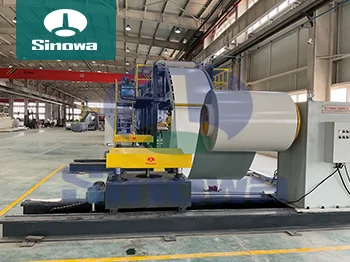
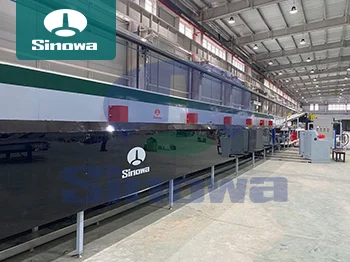
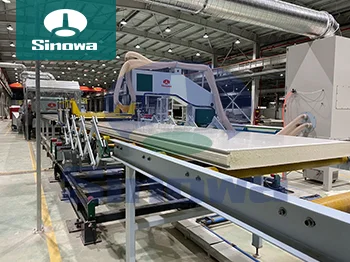
Sinowa is committed to the development and manufacturing of high-end and high-efficiency pur sandwich panel machine. Our pur sandwich panel machine are leading the way in efficiency, automatic control, human-computer interaction, environmental protection and energy consumption. Using system integration and bus control technology, it realizes the automatic integrated linkage control of the entire pur sandwich panel machine, and can achieve remote interactive communication, which has the world-class level and a comprehensive leading high-performance pur sandwich panel machine in the market.
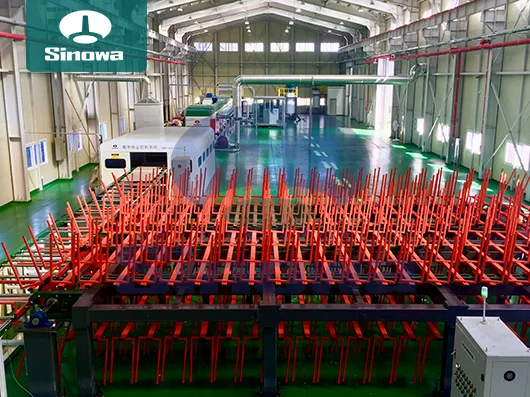
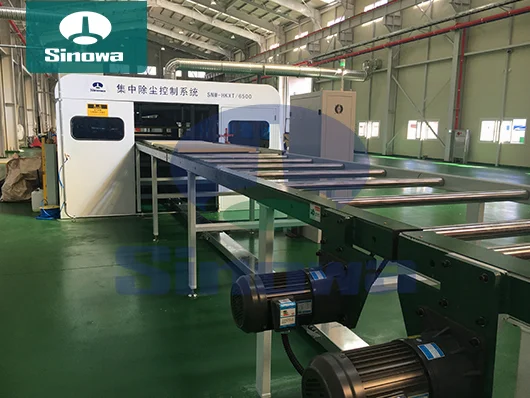
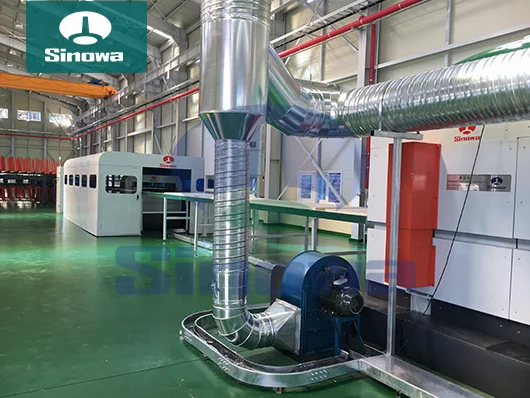
For more than ten years, relying on our innovative manufacturing concept and excellence in quality, reliable and trustworthy service to customers, we cooperate with customers all over the world, exported products to Canada, South Korea, Israel, Australia, the Middle East and other more than 20 countries and regions. contributed to building energy conservation and low-carbon production and have won widespread praise.
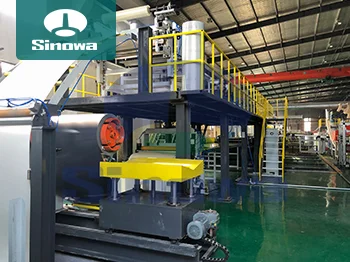
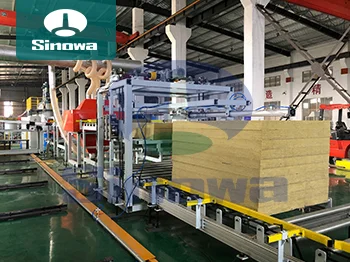
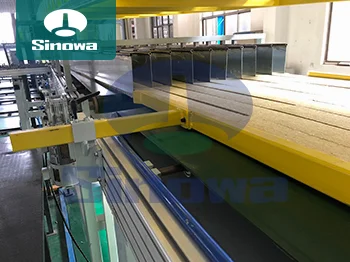
Sinowa has invested outstanding efforts in pur sandwich panel machine, this is why our products are more efficiency, quality, automatic control technology, environmental protection, energy consumption indicators and the appearance and safety protection are comprehensively leading, some subversive design changes in many major technical points, these major innovations make our products excellent in price/performance and user experience.
When it comes to production lines built for pur sandwich panel fabrication, reliable equipment suppliers play a quiet but decisive role in shaping the long-term performance of finished panels for builders and fabricators across many application fields. These machines are engineered to bring together different core materials and outer facings under controlled, continuous processing conditions, ensuring consistent bonding and uniform dimensions for every panel that rolls off the line. A thoughtful supplier does not merely assemble mechanical frames and motor parts; they focus on balancing line speed, pressure control, heating coordination, and cutting precision so that operators can maintain steady output without frequent unexpected downtime. Many end users approach sourcing with only a basic understanding of what the line can produce, and a capable supplier will walk through practical workflow considerations, such as how raw material feeding integrates with foaming systems, how edge trimming works alongside continuous pressing, and how adjustments can be made to accommodate varying panel thicknesses and surface types. The best collaborative relationships start with careful discussion of production targets, space constraints within the workshop, and the types of finished products the buyer intends to make, rather than pushing a one-size-fits-all machine configuration onto every customer. This attention to practical operational needs helps avoid mismatched equipment that cannot keep pace with daily production goals or struggles to adapt when product requirements shift over time. Operators who work with well-designed lines spend less time correcting defects like uneven foam density, weak adhesion between layers, or warped panel edges, which in turn reduces material waste and stabilizes overall manufacturing efficiency over months and years of running.
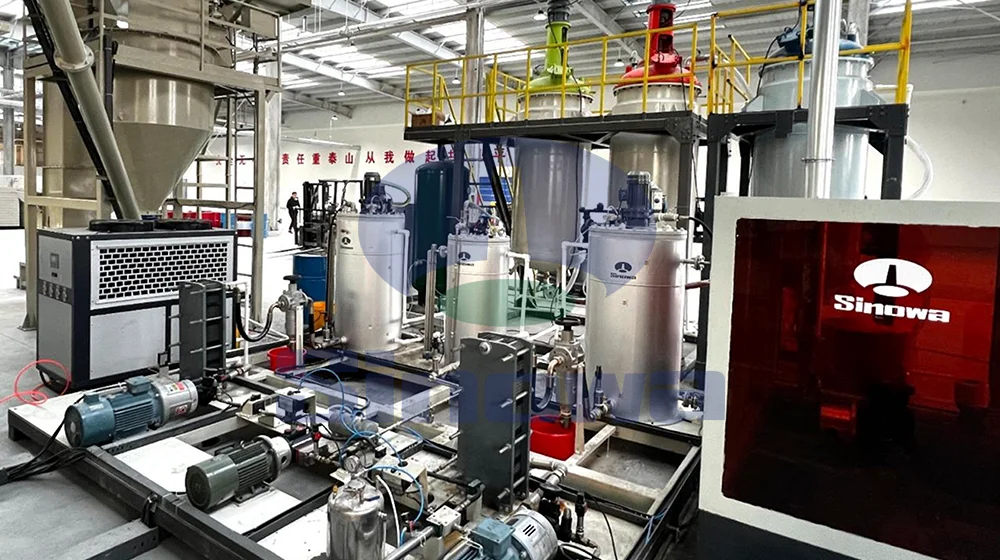
Understanding the core functional modules of a pur sandwich panel machine helps buyers recognize meaningful differences between suppliers that offer superficial similarities in their equipment offerings. A complete continuous line relies on synchronized stations, starting from the unwinding units for metal or composite facings, moving through pre-treatment sections that prepare surfaces for better adhesion, then into the mixing and dispensing zone where pur raw materials are combined and applied evenly across the moving substrate. After material dispensing, the double-belt press creates stable pressure and temperature environments to support proper curing of the foam core before the continuous panel passes to cutting, trimming, and stacking stations. Each of these sections must communicate smoothly through centralized control systems, as a small delay or inconsistency in one part of the line can create quality issues that carry through dozens of finished panels before the problem is noticed. Suppliers with deep hands-on experience in this industry refine these modules based on real feedback from production floors, tweaking mixing ratios, belt tension mechanisms, thermal insulation of press chambers, and cutting actuator response to minimize common production headaches. Less experienced providers may copy the general layout of a line but overlook subtle details that affect long-term stability, such as wear resistance of contact parts, ease of cleaning the mixing head, or protection against material buildup that can disrupt the uniformity of the pur foam layer. Buyers benefit greatly when a supplier can explain how each component interacts within the full production cycle and demonstrate how adjustments can be made safely and intuitively by on-site staff.
Material compatibility is another central consideration that reputable pur sandwich panel machine suppliers prioritize during project planning. Pur foam systems can be formulated to pair with a wide range of facing materials, and the equipment must support proper wetting and bonding for each combination without requiring risky on-site modifications. Some production setups focus on rigid metal facings, while others work with lighter composite sheets, flexible membranes, or cement-based boards, and each material responds differently to heat, pressure, and the timing of foam expansion. A machine built only for one narrow material pairing will struggle if the manufacturer later wants to expand their product portfolio, limiting business flexibility in a market where customer demands change regularly. Good suppliers design their dispensing and pressing systems with enough adjustability to handle these variations, offering configurable flow rates, open time windows for the pur mixture, and adjustable pressing gaps that can be locked in reliably for repeat runs. They also guide buyers on handling raw chemical components correctly, covering storage considerations, routine purging procedures for mixing circuits, and simple checks that operators can perform to confirm material delivery remains consistent. This guidance is not just about protecting the machine itself; it directly impacts the thermal and structural properties of the finished sandwich panels, ensuring each batch meets the performance expectations set by the panel producer for their own downstream clients. Neglecting material compatibility planning often leads to intermittent bonding failures, surface blemishes, or inconsistent foam cell structure that become expensive to resolve after the line is installed and running.
Installation, commissioning, and operator training form a service pillar that separates dependable pur sandwich panel machine suppliers from those whose responsibility ends once equipment leaves the factory. Shipping large continuous production lines involves breaking the system into carefully packaged sections, and proper alignment during on-site assembly is critical to preventing vibration, tracking errors on the conveyor belts, and misalignment between the dispensing point and the press inlet. Skilled technical teams oversee the assembly sequence, calibrate sensors, tune heating zones, and run a series of test cycles using dummy materials before moving on to trial production with actual pur formulations. This commissioning phase is not a quick formality; it is the chance to catch mechanical or control logic issues before full commercial production begins. Training extends beyond showing staff how to press start and stop buttons. Experienced instructors walk maintenance teams through routine inspection schedules, explain warning signals from the control interface, demonstrate safe procedures for clearing blockages, and cover the replacement cycle for consumable and high-wear parts. They also help establish simple daily checklists that fit the rhythm of the production shift, so small signs of wear or drift in settings are addressed early rather than escalating into costly breakdowns. Buyers should look for suppliers who view training as a long-term investment in the partnership, not an add-on service that is rushed or minimized to cut project timelines. Teams that are fully confident operating and maintaining their line can maximize uptime and get the best possible return on their production investment year after year.
After-sales support and spare part availability carry enormous weight for businesses operating pur sandwich panel production lines, because unplanned downtime can halt order fulfillment and create cascading delays for panel distributors and construction projects. Well-established suppliers maintain structured support channels that allow operators to report technical issues and receive timely guidance, whether the problem relates to hydraulic components, the high-pressure pur mixing unit, drive systems, or the programmable control platform. Many routine issues can be diagnosed remotely through guided checks and shared diagnostic data, which saves the time and expense of waiting for an on-site technician for simple fixes. For parts that will naturally wear through repeated operation, a reliable supplier maintains clear part identification documentation and predictable supply routes, so replacement components can be secured without lengthy lead times that idle the whole production hall. They also release update packages for control software when refinements are available, helping users adopt improved process logic without replacing major hardware. Less supportive suppliers may disappear after installation, leaving customers to source obscure replacement parts from third parties with no guarantee of fit or performance, and without anyone to consult when unusual process behavior emerges. A strong after-sales framework gives panel manufacturers the confidence to accept larger orders and plan production schedules with greater certainty, knowing they have support to resolve problems when they arise.
Automation and digital control features continue to evolve within pur sandwich panel machine designs, and forward-thinking suppliers integrate these tools in ways that serve practical production goals rather than adding unnecessary complexity. Modern control platforms allow users to save complete recipe profiles for different panel types, storing preferred settings for foam output, press temperature, line speed, cutting length, and trimming offsets. Switching between recipes takes only moments once profiles are saved, which is highly valuable for facilities that produce multiple panel specifications for different market segments. The control system can also log key production data over time, including run duration, alarm events, and batch counts, giving management visibility into output trends and recurring operational challenges. This data can help identify opportunities to reduce waste, balance shift workloads, and schedule maintenance during planned shutdown windows instead of reacting to failures. Even with advanced automation, respected suppliers keep core manual overrides accessible for qualified staff, recognizing that overly locked-down systems can hinder experienced operators during test runs or unusual material conditions. They also make sure the interface is laid out logically for shop-floor workers, avoiding dense, unintuitive menus that slow down daily operation. The goal of automation here is to reduce human error, improve repeatability, and free up skilled personnel to focus on quality oversight rather than constant manual adjustment of dozens of separate machine parameters.
Sustainability considerations are increasingly integrated into how pur sandwich panel machine suppliers develop and configure their equipment, responding to broader market interest in reducing resource consumption during panel manufacturing. Efficient pur dispensing systems meter raw materials precisely, cutting down on excess chemical usage and reducing the volume of waste foam generated during startup, product changeovers, and rejected panels. Optimized thermal designs for the press sections lower ongoing energy demand by minimizing heat loss and distributing heat evenly, so the curing process achieves consistent results without excessive power draw. Some configurations also incorporate collection systems for trim waste, making it easier for producers to manage leftover material streams in line with their own site waste management plans. Suppliers who prioritize these efficiency gains work alongside buyers to understand their resource targets and suggest equipment options that align with those aims, without sacrificing the stability or output capacity of the line. It is important to recognize that sustainable production starts with process control at the machine level; inconsistent dispensing or poor thermal management does not just hurt panel quality, it directly increases raw material and energy use for every unit produced. As end customers in the building sector place greater emphasis on responsible manufacturing practices for insulation and enclosure products, panel producers gain a competitive edge when their production lines support cleaner, more efficient operation from the ground up.
Choosing the right pur sandwich panel machine supplier ultimately hinges on finding a partner whose priorities align with the long-term growth roadmap of the panel manufacturing business, rather than focusing only on the physical appearance or listed output capacity of the machinery. Every production site has unique realities, from floor space limitations and existing utility infrastructure to the mix of panel products the business plans to supply and the skill level of the local operating team. A strong supplier listens carefully to these details, proposes a balanced line configuration, delivers thorough training, maintains dependable support, and keeps refining their technology based on real-world production feedback. The value of this partnership reveals itself steadily over years of operation: consistent panel quality, controlled waste levels, reliable uptime, and the flexibility to adapt as market needs shift. When manufacturers build this kind of working relationship, they are not just purchasing a set of industrial equipment; they are establishing a foundation for stable, scalable sandwich panel production that can serve construction and enclosure markets reliably for a very long time. Careful evaluation of communication style, technical depth, service structures, and design philosophy will guide buyers toward suppliers who can stand beside them through every phase, from initial line commissioning to future adjustments and expansion of their production capabilities.
« PUR Sandwich Panel Machine Supplier » Update Date: 2026/10/27
Tags: PUR Sandwich Panel Machine , pur sandwich panel machine, pur sandwich panel machine manufacturer, pur sandwich panel machine supplier, pur sandwich panel machine for sale, customized pur sandwich panel machine, china pur sandwich panel machine
- Custom PIR Insulation Panel Production Line
- PIR Wall Panel Production Line From China
- Custom Sandwich Panel Making Machine
- PIR Sandwich Panel Machine For Clean Room
- PU Panel Machine For Sale
- Polyurethane Foam Production Line For Sale
- Sandwich Panel Foaming Production Line
- High-quality Polyurethane Sandwich Panel Manufacturing Line
- Sandwich Panel Manufacturing Line Price
- PU Foam Production Line Price
- High Efficiency Continuous PU Sandwich Panel Line
- Low Price Sandwich Wall Panel Production Line
- Polyurethane Sandwich Panel Line For Building
- High Efficiency PUF Panel Machine
- High Efficiency Continuous PUF Panel Production Line
- Low Price Sandwich Panel Making Machine
- Polyurethane Sandwich Panel Manufacturing Plant
- High-end Foam Sandwich Panel Machine
- Highly Intelligent Polyurethane Sandwich Panel Line
- High-tech Polyurethane Sandwich Panel Line
- Links:
- Sandwich Panel Continuous Production Line
- Automatic and Continuous Sandwich Panel Production Line
- Cheap and Low Price Sandwich Panel Production Line
- China Sandwich Panel Production Line Factory
- Color Steel Sandwich Panel Production Line For Cold Storage
- Continuous Composite Foam Sandwich Panel Production Line
- Continuous Production Line For Rockwool and Mineral Wool Sandwich Panels
- Continuous PU Phenolic Insulation Panel Production Line
- Continuous PU PIR Sandwich Panel Production Line
- Continuous PUF PUR Sandwich Panel Production Line
- Continuous Sandwich Panel Production Line For Roof and Wall
- Customized and Design Sandwich Panel Production Line
- Decorative Sandwich Panel Production Line For Glass Wool Boards
- High Quality Sandwich Panel Production Line For Sale
- Polyurethane(PU) Sandwich Panel Production Line
- Sandwich Panel Production Line Manufacturer and Supplier
- Sandwich Panel Production Machinery and Equipment