
Rock Wool Board Production Line Manufacturer
Sinowa is a well-known manufacturer and technical service provider of high-end rock wool board production line, learn more about rock wool board production line manufacturer, please contact Sinowa's technical engineer, tell us what you need, we will contact you as soon as possible!
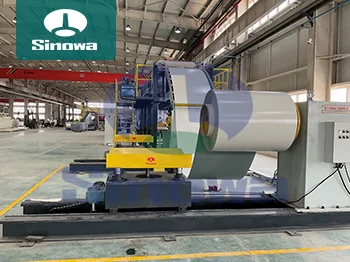
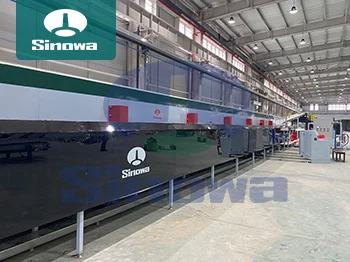
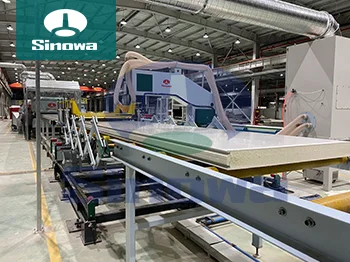
Sinowa is committed to the development and manufacturing of high-end and high-efficiency rock wool board production line. Our rock wool board production line are leading the way in efficiency, automatic control, human-computer interaction, environmental protection and energy consumption. Using system integration and bus control technology, it realizes the automatic integrated linkage control of the entire rock wool board production line, and can achieve remote interactive communication, which has the world-class level and a comprehensive leading high-performance rock wool board production line in the market.
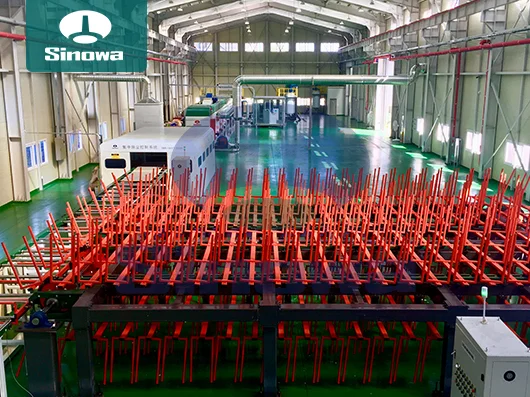
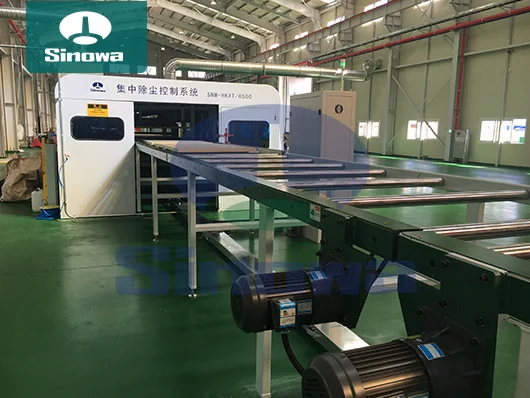
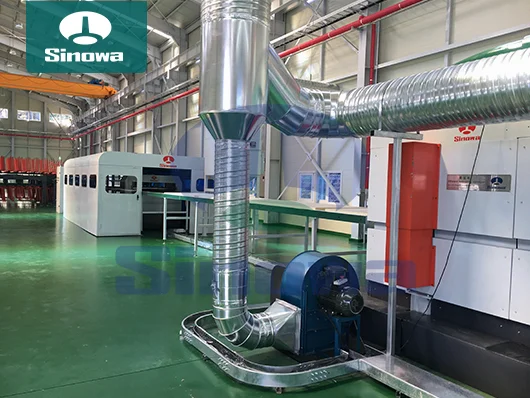
For more than ten years, relying on our innovative manufacturing concept and excellence in quality, reliable and trustworthy service to customers, we cooperate with customers all over the world, exported products to Canada, South Korea, Israel, Australia, the Middle East and other more than 20 countries and regions. contributed to building energy conservation and low-carbon production and have won widespread praise.
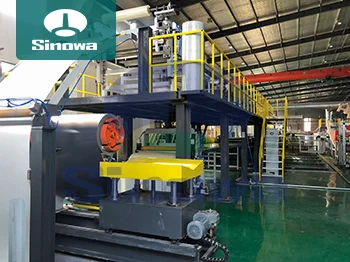
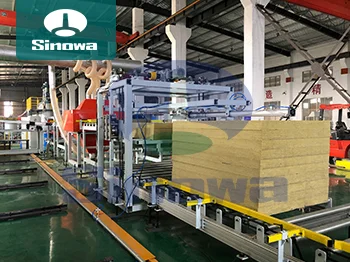
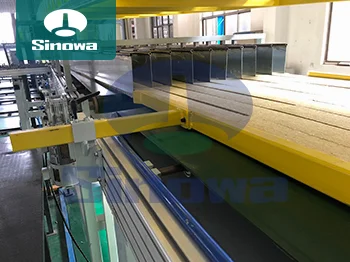
Sinowa has invested outstanding efforts in rock wool board production line, this is why our products are more efficiency, quality, automatic control technology, environmental protection, energy consumption indicators and the appearance and safety protection are comprehensively leading, some subversive design changes in many major technical points, these major innovations make our products excellent in price/performance and user experience.
In the global market of thermal insulation and fire protection materials, rock wool board has long maintained a crucial position due to its excellent comprehensive performance, and the rock wool board production line, as the core equipment for mass production of high-quality rock wool boards, has become an indispensable part of modern industrial production systems. These production lines integrate multiple advanced technologies and processes, realizing the automated, efficient and stable production of rock wool boards, and providing strong support for the development of various fields such as construction, industry, transportation and marine engineering. Understanding the working principle, core components, technical advantages, application scenarios and daily maintenance of rock wool board production lines is of great significance for enterprises that need to purchase and use such equipment, as well as for the healthy development of the entire rock wool industry.
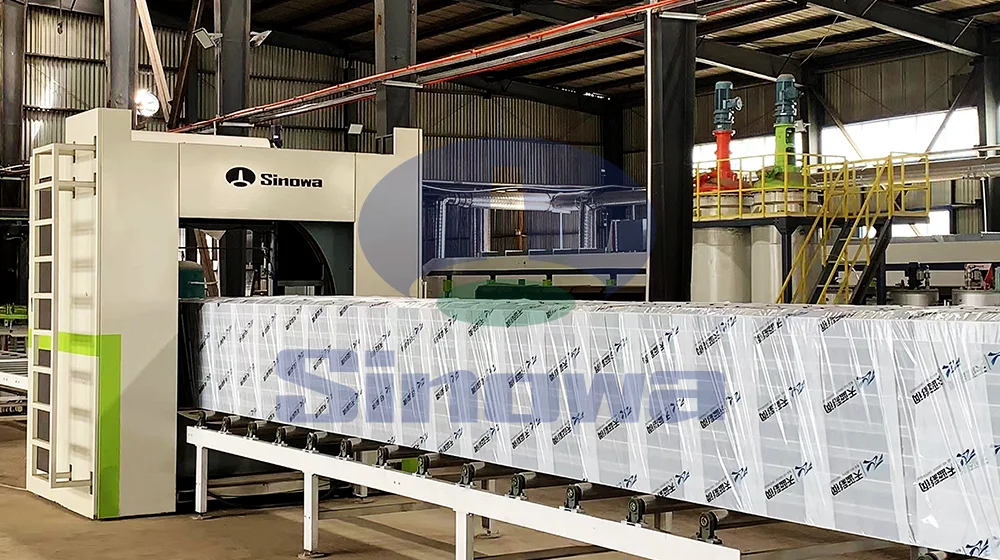
The rock wool board production line is a complex and integrated system composed of multiple functional units, and each link is closely connected and mutually coordinated to ensure the smooth progress of the entire production process and the stability of product quality. The production process of rock wool boards mainly includes raw material batching, high-temperature melting, centrifugal fiberization, pendulum cotton paving, bonding solidification, cutting forming, waste edge recycling and automatic packaging. Each process has strict technical requirements and operational standards, and any link that deviates from the standard will affect the final performance and quality of rock wool boards. Raw material batching is the first link of the production line and the foundation for ensuring product quality. The main raw materials of rock wool boards include natural basalt, slag, dolomite and coke, etc. These raw materials need to be screened, crushed and mixed in a scientific proportion according to the performance requirements of the final product. The particle size of the raw materials must be strictly controlled to avoid excessive particles affecting the melting effect, and the proportion of each component must be accurate to ensure that the melted material has the appropriate viscosity and chemical composition, laying a good foundation for subsequent fiberization.
After batching, the raw materials are sent to the melting furnace through the automatic feeding system for high-temperature melting treatment. The melting furnace is the core equipment of the entire production line, and its performance directly determines the quality of the melted material. The raw materials need to be heated to a high temperature of 1400°C to 1500°C in the melting furnace to fully melt into a molten state with appropriate viscosity. The viscosity of the molten material is usually maintained at 1-3 poise, which is crucial for the subsequent fiberization process. If the temperature is too low, the raw materials cannot be fully melted, resulting in uneven fiber thickness and poor product performance; if the temperature is too high, it will not only increase energy consumption but also affect the physical properties of the fibers, leading to a decrease in the strength and toughness of the rock wool board. To ensure the stability of the melting temperature, modern rock wool board production lines are equipped with advanced temperature control systems, which use multiple thermocouples to monitor the temperature inside the furnace in real time and automatically adjust the fuel supply or heating elements to keep the temperature within the optimal range. At the same time, the furnace capacity is closely related to the production scale. Small-scale production lines usually have a melt capacity of 3-5 tons per hour, medium-scale ones 6-10 tons per hour, and large-scale ones 11-15 tons or more per hour. With the increase of the production scale, the energy efficiency of the melting furnace will also be improved, which is one of the important reasons why many enterprises choose large-scale production lines.
After the raw materials are fully melted, the molten material is sent to the fiberization system through the flow guide channel for centrifugal fiberization. Fiberization is the key link to form the core structure of rock wool boards, and its quality directly affects the thermal insulation, sound insulation and fire resistance of the final product. The fiberization system mainly includes a high-speed centrifuge and an air blast device. The molten material is sprayed onto the high-speed rotating spinner wheel through the flow guide nozzle. Under the action of centrifugal force, the molten material is stretched into fine fibers. At the same time, the air blast device blows high-temperature air (20-40°C above ambient temperature) with a pressure of 0.3-0.6 MPa to further stretch and refine the fibers, and cool them quickly to form inorganic cotton fibers with a diameter of 4-7 microns. The speed of the spinner wheel is usually 5000-8000 rpm, and most production lines adopt a cascade configuration of 3-4 spinner wheels to ensure the uniformity and fineness of the fibers. It should be noted that the speed of the spinner wheel and the pressure of the air blast must be strictly matched. Too high a spinner speed may lead to an increase in shot content (unfiberized particles), which will affect the quality of the rock wool board; too low a speed will result in thick fibers and poor thermal insulation performance.
After fiberization, the inorganic cotton fibers are sent to the cotton collecting and distributing system through the air flow. The cotton collecting system uses negative pressure to adsorb the fibers onto the cotton collecting belt to form a primary cotton felt. Then, the primary cotton felt is sent to the pendulum cotton spreader, which evenly paves the cotton fibers into a three-dimensional structure through the pendulum movement, and gradually increases the density and hardness of the cotton felt by applying pressure. The pendulum cotton paving method can ensure the uniform distribution of fibers in the cotton felt, avoid local density unevenness, and lay a foundation for the stability of the product's performance. After pendulum cotton paving, the cotton felt enters the bonding and solidification link. An appropriate amount of binder is sprayed on the surface of the cotton felt. The binder can make the fibers bond closely to each other, ensuring the shape stability and mechanical strength of the rock wool board. The type and dosage of the binder need to be selected according to the use scenario of the rock wool board. After spraying the binder, the cotton felt is sent to the curing furnace for high-temperature curing. The curing temperature and time are strictly controlled. Generally, the curing temperature is between 180°C and 220°C, and the curing time is adjusted according to the thickness and density of the cotton felt. The curing process can make the binder fully react and solidify, forming a stable structure between the fibers, and improving the compression strength, tensile strength and water resistance of the rock wool board.
After curing, the rock wool board blank is sent to the cooling system for cooling treatment. The cooling speed needs to be controlled reasonably to avoid cracks or deformation of the board due to rapid cooling. After cooling, the blank enters the cutting system, which cuts the blank into rock wool boards of different specifications and sizes according to the actual needs of customers. The cutting system is equipped with high-precision cutting tools and positioning devices to ensure the accuracy of the size and shape of the rock wool board, and the cutting error is controlled within a small range. During the cutting process, a certain amount of dust will be generated, so the production line is also equipped with a dust removal system, which uses bag filters and dust removal pipelines to collect and treat the dust, ensuring the cleanliness of the production environment and the health of the operators. At the same time, the waste edges generated during the cutting process are sent to the waste edge recycling system, which crushes and processes the waste edges and then sends them back to the melting furnace for reuse, realizing the recycling of resources and reducing production costs and environmental pollution.
The rock wool board production line is composed of multiple core components, each of which plays an important role in the production process. In addition to the melting furnace, fiberization system, cotton collecting and distributing system, curing furnace and cutting system mentioned above, it also includes an automatic feeding system, a glue batching system, a central control system, a cooling system, an automatic stacking and packaging system, etc. The automatic feeding system is composed of an automatic batching machine, a feeder, a conveyor and a control cabinet, which can realize the automatic feeding, metering and transportation of raw materials, reduce manual intervention, improve feeding accuracy and efficiency, and avoid errors caused by manual operation. The glue batching system is used to prepare the binder according to a certain proportion, ensuring the stability of the binder's performance and the uniformity of the dosage. The central control system is the "brain" of the entire production line, which integrates advanced technologies such as PLC, touch screen and sensor, realizing the centralized control and monitoring of the entire production process. Operators can set production parameters, monitor the operation status of each equipment, and handle abnormal situations in a timely manner through the central control system, ensuring the stable and efficient operation of the production line. The automatic stacking and packaging system can automatically stack the cut rock wool boards, wrap them with heat-shrinkable film, and palletize them through a palletizing robot, which not only improves the packaging efficiency but also ensures the neatness and stability of the packaged products, facilitating storage and transportation.
Modern rock wool board production lines have obvious technical advantages, which are mainly reflected in high automation, stable product quality, energy saving and environmental protection, and strong adaptability. With the continuous development of industrial automation technology, more and more advanced technologies such as artificial intelligence, big data and the Internet of Things have been integrated into the rock wool board production line, making the degree of intelligence of the production line continuously improved. The automatic control system can realize the real-time monitoring and analysis of production data, automatically adjust production parameters, complete the self-diagnosis and maintenance of equipment, reduce manual intervention, improve production efficiency, and ensure the stability and consistency of product quality. In terms of energy saving and environmental protection, modern production lines adopt a variety of energy-saving technologies, such as heat recovery systems, optimized furnace insulation and waste heat utilization, which can effectively reduce energy consumption. For example, the heat generated during the curing process can be recycled to heat the raw materials or the curing furnace, reducing the consumption of external energy. At the same time, the waste edge recycling system and dust removal system can reduce environmental pollution, meet the requirements of green production, and conform to the global trend of sustainable development. In addition, the rock wool board production line has strong adaptability and can produce rock wool boards of different densities (50-200 kg/m³) and thicknesses (30-200 mm) according to the needs of different customers and application scenarios, and can also adjust the production process according to the changes of raw materials to ensure the stability of product quality.
The rock wool boards produced by the rock wool board production line have excellent performance, including non-combustibility, high-temperature resistance, good thermal insulation, sound insulation, moisture resistance and corrosion resistance, so they have a wide range of application scenarios, covering many fields such as construction, industrial equipment, transportation, marine engineering and agriculture. In the construction field, rock wool boards are widely used for external wall thermal insulation, internal wall fire protection, roof thermal insulation and fire partitions of buildings. Due to their excellent fire resistance and thermal insulation performance, they can improve the energy efficiency of buildings, reduce heating and cooling energy consumption, and enhance the fire safety of buildings. For example, in commercial buildings such as offices, hotels and retail spaces, rock wool boards are used as fire walls and partitions to meet strict fire safety standards and delay the spread of fire. In residential buildings, they are used in garages, attics and shared walls to improve fire safety and living comfort. In the industrial field, rock wool boards are used for thermal insulation and fire protection of industrial furnaces, pipelines, storage tanks and other equipment, which can reduce heat loss of equipment, improve energy utilization efficiency, and protect the safety of equipment and operators. In the chemical, steel and power industries, rock wool boards are used to wrap reactors, boilers and pipelines, ensuring the stable operation of production equipment and reducing energy waste. In the transportation field, rock wool boards are used for thermal insulation and fire protection of trains, ships, automobiles and other vehicles, meeting the strict fire safety requirements of the transportation industry and improving the safety performance and comfort of vehicles. In marine engineering, rock wool boards are used for fire protection and thermal insulation of ship bulkheads and ceilings, which can withstand the erosion of saltwater and humidity and have good durability. In the agricultural field, rock wool boards are used as thermal insulation materials for greenhouses, which can keep warm at night, protect crops from cold damage, and promote the growth of crops.
To ensure the long-term stable operation of the rock wool board production line and extend its service life, regular maintenance and upkeep are essential. The maintenance work mainly includes cleaning equipment, inspecting components, lubricating components and calibrating equipment. Regularly cleaning the dust and debris on the surface of the equipment and inside the pipelines can avoid blockages and affect the operation of the equipment. For example, the spinner wheel and nozzles in the fiberization system need to be cleaned regularly to avoid the accumulation of molten material, which affects the fiberization effect. Regularly inspecting each component of the equipment, such as bearings, belts, sensors and heating elements, to check for damage, wear or looseness, and replacing or repairing them in a timely manner can avoid equipment failure and production interruption. Regularly lubricating the moving components of the equipment, such as bearings and gears, can reduce friction, ensure the smooth operation of the equipment, and reduce wear. Regularly calibrating the equipment, such as the temperature control system, cutting system and metering system, can ensure the accuracy of production parameters and the stability of product quality. In addition, operators need to be trained professionally to master the operation skills and maintenance methods of the equipment, and strictly follow the operating procedures to avoid equipment damage caused by improper operation.
With the continuous improvement of global energy conservation and environmental protection requirements and the continuous development of the construction and industrial fields, the market demand for high-quality rock wool boards is steadily increasing, which also promotes the continuous upgrading and development of rock wool board production lines. In the future, the rock wool board production line will show a series of development trends. On the one hand, the degree of intelligence will be further improved. The integration of artificial intelligence and the Internet of Things will make the production line more intelligent, realizing predictive maintenance of equipment, intelligent optimization of production processes and full-process traceability of products, which will further improve production efficiency and product quality and reduce production costs. On the other hand, energy saving and environmental protection will be further strengthened. More advanced energy-saving technologies and environmental protection equipment will be applied to the production line, reducing energy consumption and emissions to a greater extent, and realizing greener and more sustainable production. In addition, the production line will be more flexible and customizable, which can better meet the personalized needs of different customers and adapt to the changes of the market. At the same time, the research and development of new materials and new processes will also promote the upgrading of the production line, enabling the production of rock wool boards with more excellent performance to meet the needs of more complex application scenarios.
In conclusion, the rock wool board production line is a key equipment in the rock wool industry, which integrates multiple advanced technologies and processes, and has the advantages of high automation, stable product quality, energy saving and environmental protection, and strong adaptability. It provides high-quality rock wool products for various fields such as construction, industry and transportation, and plays an important role in promoting energy conservation and environmental protection, improving fire safety and promoting the sustainable development of the industry. For enterprises engaged in the production and sales of rock wool boards, choosing a high-quality rock wool board production line is the key to improving market competitiveness and ensuring product quality. At the same time, doing a good job in the daily maintenance and upkeep of the production line can extend its service life and reduce production costs. With the continuous progress of technology and the continuous expansion of market demand, the rock wool board production line will surely usher in a better development prospect, and make greater contributions to the development of the global thermal insulation and fire protection industry.
« Rock Wool Board Production Line Manufacturer » Update Date: 2026/4/13
Tags: Rock Wool Board Production Line ,
- Rock Wool Sandwich Panel Manufacturing Plant
- Rock Wool Sandwich Production Line Manufacturer
- Rock Wool Sandwich Panel Production Line For Roof
- High Efficiency Rock Wool Machine
- Mineral Wool Sandwich Panel Production Line On Sales
- Rockwool Panel Production Line Design
- Rock Wool Sandwich Panel Line For Sale
- Cheap Mineral Wool Board Production Line
- Rock Wool Insulation Panel Production Line Factory
- Custom Rock Wool Sandwich Production Line
- High-tech Rock Wool Machine
- Rock Wool Production Line For Cold Room
- Rockwool Panel Production Line For Sale
- Mineral Wool Sandwich Panel Machine Manufacturer
- Rock Wool Insulation Panel Production Line Price
- Low Price Mineral Wool Sandwich Panel Line
- Rock Wool Sandwich Panel Line For Cold Storage
- Rock Wool Sandwich Panel Line From China
- Fully Automatic Rock Wool Sandwich Panel Machine Design
- Rock Wool Sandwich Panel Line For House