
Rockwool Sandwich Panel Production Line Factory
Sinowa is a well-known manufacturer and technical service provider of high-end rockwool sandwich panel production line, learn more about rockwool sandwich panel production line factory, please contact Sinowa's technical engineer, tell us what you need, we will contact you as soon as possible!
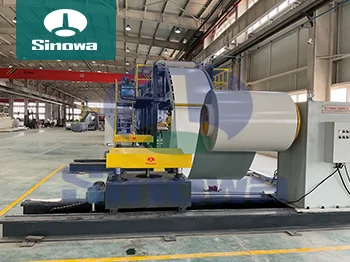
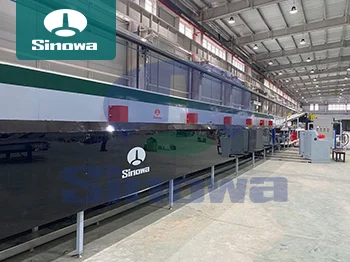
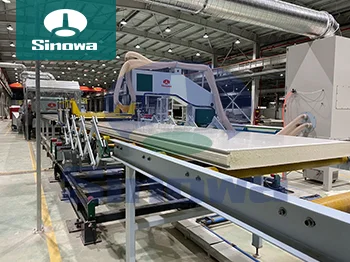
Sinowa is committed to the development and manufacturing of high-end and high-efficiency rockwool sandwich panel production line. Our rockwool sandwich panel production line are leading the way in efficiency, automatic control, human-computer interaction, environmental protection and energy consumption. Using system integration and bus control technology, it realizes the automatic integrated linkage control of the entire rockwool sandwich panel production line, and can achieve remote interactive communication, which has the world-class level and a comprehensive leading high-performance rockwool sandwich panel production line in the market.
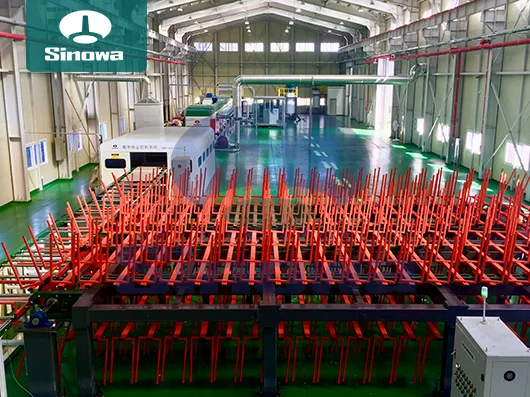
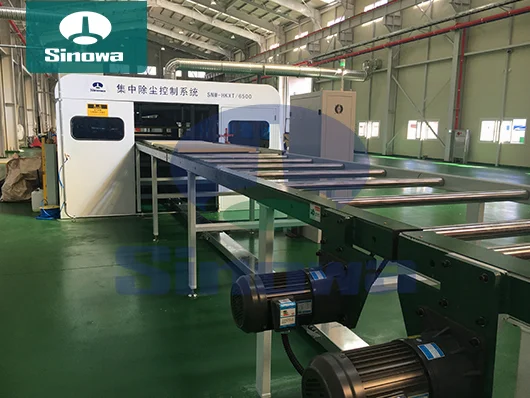
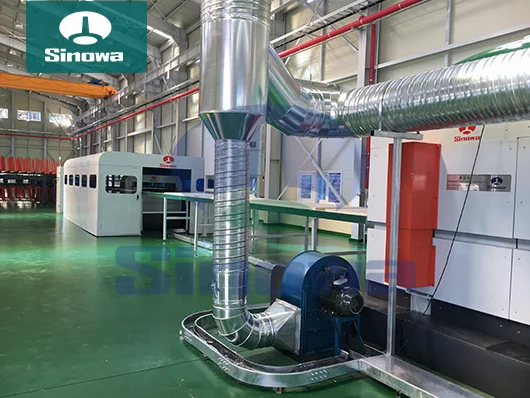
For more than ten years, relying on our innovative manufacturing concept and excellence in quality, reliable and trustworthy service to customers, we cooperate with customers all over the world, exported products to Canada, South Korea, Israel, Australia, the Middle East and other more than 20 countries and regions. contributed to building energy conservation and low-carbon production and have won widespread praise.
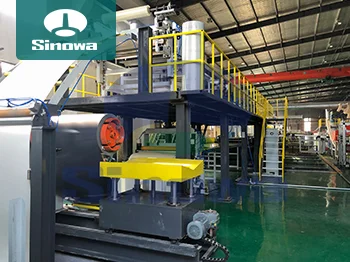
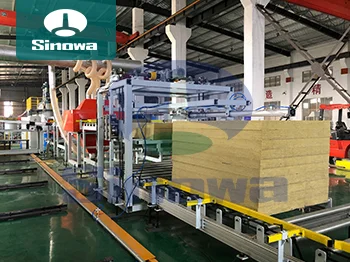
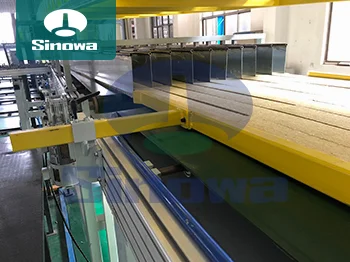
Sinowa has invested outstanding efforts in rockwool sandwich panel production line, this is why our products are more efficiency, quality, automatic control technology, environmental protection, energy consumption indicators and the appearance and safety protection are comprehensively leading, some subversive design changes in many major technical points, these major innovations make our products excellent in price/performance and user experience.
The rockwool sandwich panel production line stands as a comprehensive industrial system built to transform raw mineral fibre materials into finished building panels that balance structural stability and thermal performance. Every section of the line works in sequential harmony, starting with the material feeding unit that handles bulk rockwool cores and surface metal sheets without disrupting the steady flow of manufacturing. Operators monitor the feeding process to maintain consistent thickness and alignment, as even minor deviations in the positioning of the rockwool layer can affect the final bonding quality of the sandwich structure. The metal surfaces go through preliminary treatment stages to clear away surface contaminants and create a suitable base for adhesive application, ensuring the bonding agent can spread evenly and form a durable connection between the metal facings and the rockwool core. This initial preparation phase is designed to reduce defects in later stages, cutting down on waste and supporting long-term reliability of the finished panels. The system is engineered to adapt to different raw material specifications, allowing the factory to adjust feeding speed and material layout according to the target panel dimensions. As raw materials move forward along the conveyor, each transition between processing stations is controlled by synchronized drive components that prevent jams and uneven movement across the whole production cycle. Careful attention to material handling at this early stage lays the groundwork for uniform product quality across every batch that comes off the line.
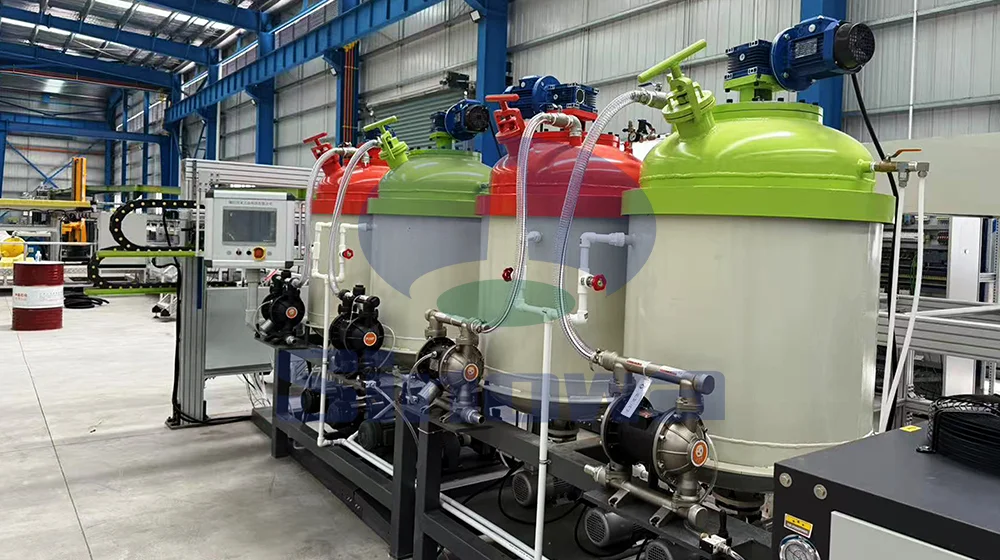
Adhesive application forms the next critical stage within the rockwool sandwich panel production line, where specially formulated bonding materials are distributed in a controlled manner across the contact surfaces of both the rockwool core and metal sheets. The spraying and spreading mechanisms are calibrated to avoid excessive glue buildup or uncovered spots, two common issues that can weaken the bond and create gaps inside the finished panel. Workers oversee the adhesive supply system, checking flow rates and nozzle conditions regularly to keep the coating consistent throughout continuous operation. Temperature and ambient conditions inside the production area are managed to suit the curing characteristics of the adhesive, because variations in environmental conditions can change how quickly the bonding material sets and how strong the final joint becomes. Once the adhesive is applied, the rockwool core and metal skins are gently brought together under light pre-compression to remove trapped air and ensure full contact between all layers. This step avoids bubbles and separation points that would undermine the insulating and mechanical properties of the sandwich panel. The line’s design allows for quick adjustments to adhesive dosage when changing panel thickness or surface material types, offering flexibility for a broad range of product configurations without halting production for extended periods.
After the layers are combined, the assembly enters the pressing and curing section, which is the core stage that locks the composite structure into its final stable form. Continuous pressing equipment maintains steady pressure across the entire width and length of the panel as it travels through the curing zone, eliminating uneven compression that could lead to warping or inconsistent core density. Internal temperature control within the curing chamber supports gradual, uniform hardening of the adhesive, rather than rapid curing that might create internal stress inside the composite material. The duration of time spent inside this zone can be modified based on the panel thickness and adhesive type, giving the factory the ability to produce thin lightweight panels alongside heavier, thicker variants for different application scenarios. Sensors along the pressing track track pressure distribution and material travel speed, feeding real-time data back to the central control interface so adjustments can be made immediately if irregularities appear. Proper curing ensures that the rockwool core stays securely attached to the metal facings even when the finished panels face shifts in temperature and humidity after installation. This stage demands precise coordination between mechanical pressure and thermal control, and it is where the basic layered assembly turns into a solid, integrated sandwich panel ready for shaping and finishing.
Once curing is complete, the continuous panel strip moves toward the cutting and trimming station, where it is separated into individual panels matching the custom length requirements of each order. High-precision cutting tools operate at a speed matched to the line’s conveyor rate, delivering clean, straight edges without crushing the rockwool core or scratching the coated metal surfaces. Trimming attachments remove excess material from the sides of the panel, creating uniform width and preparing neat edges that simplify later installation on construction sites. The cutting system can receive dimension settings directly from the control panel, so operators can switch between different panel sizes without manually repositioning blades or stopping the whole line for lengthy setup. Dust and fine fragments generated during cutting are captured by an integrated extraction system, keeping the work area clear and preventing debris from sticking to the surface of newly finished panels. After cutting, each individual panel passes through a brief inspection checkpoint where staff visually check for edge damage, surface scratches, or signs of delamination that may have occurred during separation. Panels that meet the visual standards move onward, while any non-conforming pieces are routed aside for re-evaluation, helping maintain consistent output quality through every production run.
Surface finishing and embossing modules are optional but widely integrated parts of the rockwool sandwich panel production line, adding functional and aesthetic features to the outer metal faces of the panels. These units can create subtle texture patterns on the metal surface that improve scratch resistance and reduce the visual impact of minor marks that may happen during transport and installation. Additional surface treatment stations can apply protective coatings that enhance resistance against moisture and surface discoloration, extending the service life of panels used in exposed or high-moisture environments. The finishing process is carried out at a controlled speed to ensure coatings dry evenly without running, streaking, or forming uneven patches on the panel surface. Operators can choose to skip certain finishing steps for basic panel products, streamlining production for orders that only require standard smooth surfaces. All finishing operations are synchronized with the main conveyor, so panels do not pile up or wait unnecessarily between stations. This modular approach to finishing means the same base production line can deliver multiple surface styles, letting the factory respond to varied aesthetic preferences and functional demands from different project partners without investing in entirely separate manufacturing systems.
Automatic stacking and packaging equipment sits near the end of the production line, handling finished rockwool sandwich panels to prepare them for safe transport and storage. After inspection, completed panels are lifted and arranged into neat stacks by robotic or pneumatic stacking devices, which position each panel carefully to avoid sliding, impact, or friction damage to the coated surfaces. Stack height settings are adjustable to suit the capacity of transport vehicles and warehouse racking systems, balancing loading efficiency with protection for the panels. Protective wrapping materials are applied around each stack to shield surfaces from dust, moisture, and minor abrasion while the goods are in transit. Labeling components mark each stack with key production details including panel dimensions, production batch information, and relevant handling guidance, making inventory management and on-site receiving much simpler. The packaging zone is designed to keep pace with the upstream manufacturing speed, preventing finished panels from accumulating and blocking the flow of the line. Automated stacking also reduces the amount of manual lifting required by factory staff, lowering physical strain and the risk of accidental panel damage that often comes with manual handling of large, rigid building panels.
The central control system acts as the operational brain of the entire rockwool sandwich panel production line, linking every individual station into one coordinated, interconnected system. A central human-machine interface displays live data for conveyor speed, pressure values, temperature readings, material consumption rates, and production output volume, allowing supervisors to monitor the full manufacturing process from a single workstation. Operators can adjust parameters remotely rather than making manual changes at each separate machine, which speeds up product changeovers and reduces the chance of inconsistent settings across different stations. Built-in alert functions notify the team when a component runs outside its normal operating range, such as low adhesive supply, conveyor misalignment, or abnormal pressure inside the curing chamber, so issues can be addressed before they create large amounts of defective product. Historical production data is stored for later review, supporting performance analysis and helping the factory identify opportunities to boost operational efficiency and reduce raw material waste. The control system supports both continuous long-run production and shorter batch runs for custom orders, offering the flexibility that modern building material markets require. Training for operators focuses on understanding these digital controls alongside hands-on checks, combining automated oversight with human judgment to sustain stable daily operation.
The factory environment surrounding the rockwool sandwich panel production line is organized to support safe, sustainable, and efficient long-term manufacturing, with layout planning that separates raw material storage, active production zones, finished goods storage, and maintenance areas. Clear movement paths are maintained for material delivery vehicles and internal transport equipment to avoid congestion around the line, and dedicated maintenance access points make routine servicing of rollers, cutters, pumps, and motors straightforward and less disruptive to production schedules. Dust collection and ventilation systems run continuously throughout the production hall to manage fine fibres and processing particles, supporting a comfortable working environment for the on-site team. Maintenance teams follow scheduled inspection routines to replace worn parts, lubricate moving components, and calibrate sensors, extending the service lifespan of the whole line and reducing unexpected downtime. The factory also implements waste sorting practices to collect leftover rockwool offcuts and trim scraps, which can be processed and reused in suitable ways to lower overall raw material consumption. As demand evolves, the modular nature of the production line allows for targeted upgrades to individual stations, such as updating cutting tools or adding new finishing units, without replacing the entire system. This adaptability makes the facility well positioned to keep producing high-performance sandwich panels that fit the changing needs of modern construction projects across many different application scenarios.
« Rockwool Sandwich Panel Production Line Factory » Update Date: 2026/10/26
Tags: Rockwool Sandwich Panel Production Line , rockwool sandwich panel production line, rockwool sandwich panel production line manufacturer, rockwool sandwich panel production line supplier, rockwool sandwich panel production line for sale, customized rockwool sandwich panel production line, china rockwool sandwich panel production line
- Rockwool Production Line Supplier
- Mineral Wool Production Line For Construction
- High-tech Rock Wool Sandwich Panel Line
- High-end Rockwool Sandwich Panel Production Line
- Rock Wool Panel Production Line Design
- Fully Automatic Rock Wool Sandwich Panel Machine
- High Efficiency Mineral Wool Sandwich Panel Machine
- Rockwool Production Line Manufacturer
- Mineral Wool Board Production Line For Construction
- Low Price Fully Automatic Rock Wool Sandwich Panel Machine
- Mineral Wool Line For House
- Fully Automatic Rock Wool Sandwich Panel Production Line Supplier
- Mineral Wool Line Price
- Rockwool Sandwich Panel Production Line Factory
- Mineral Wool Sandwich Panel Production Line For Building
- Rock Wool Panel Production Line Price
- High-tech Mineral Wool Sandwich Panel Machine
- Low Price Rockwool Production Line
- Rock Wool Sandwich Panel Production Line Exporter
- Mineral Wool Sandwich Panel Production Line In China
- Links:
- Sandwich Panel Continuous Production Line
- Automatic and Continuous Sandwich Panel Production Line
- Cheap and Low Price Sandwich Panel Production Line
- China Sandwich Panel Production Line Factory
- Color Steel Sandwich Panel Production Line For Cold Storage
- Continuous Composite Foam Sandwich Panel Production Line
- Continuous Production Line For Rockwool and Mineral Wool Sandwich Panels
- Continuous PU Phenolic Insulation Panel Production Line
- Continuous PU PIR Sandwich Panel Production Line
- Continuous PUF PUR Sandwich Panel Production Line
- Continuous Sandwich Panel Production Line For Roof and Wall
- Customized and Design Sandwich Panel Production Line
- Decorative Sandwich Panel Production Line For Glass Wool Boards
- High Quality Sandwich Panel Production Line For Sale
- Polyurethane(PU) Sandwich Panel Production Line
- Sandwich Panel Production Line Manufacturer and Supplier
- Sandwich Panel Production Machinery and Equipment