
Wall Sandwich Panel Production Line In China
Sinowa is a well-known manufacturer and technical service provider of high-end wall sandwich panel production line, learn more about wall sandwich panel production line in china, please contact Sinowa's technical engineer, tell us what you need, we will contact you as soon as possible!
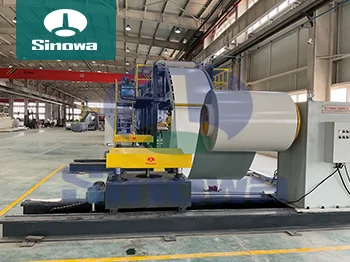
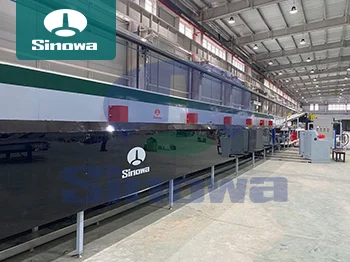
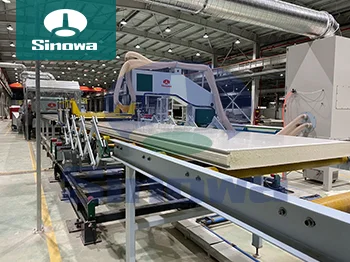
Sinowa is committed to the development and manufacturing of high-end and high-efficiency wall sandwich panel production line. Our wall sandwich panel production line are leading the way in efficiency, automatic control, human-computer interaction, environmental protection and energy consumption. Using system integration and bus control technology, it realizes the automatic integrated linkage control of the entire wall sandwich panel production line, and can achieve remote interactive communication, which has the world-class level and a comprehensive leading high-performance wall sandwich panel production line in the market.
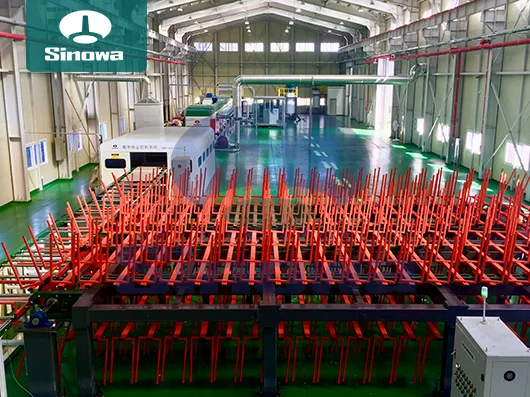
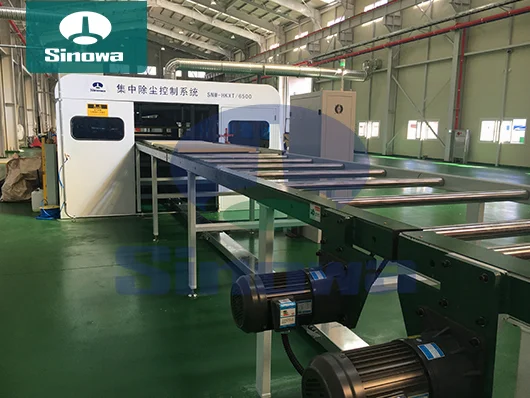
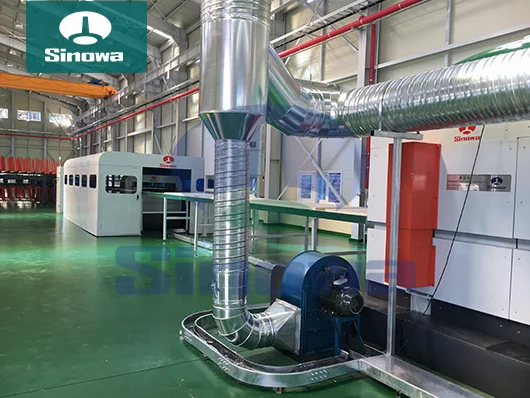
For more than ten years, relying on our innovative manufacturing concept and excellence in quality, reliable and trustworthy service to customers, we cooperate with customers all over the world, exported products to Canada, South Korea, Israel, Australia, the Middle East and other more than 20 countries and regions. contributed to building energy conservation and low-carbon production and have won widespread praise.
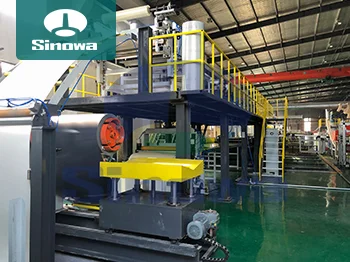
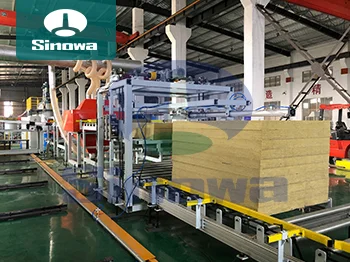
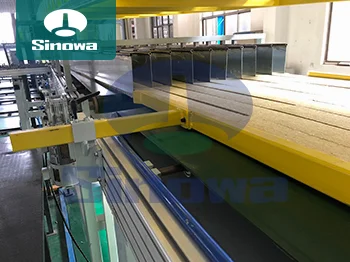
Sinowa has invested outstanding efforts in wall sandwich panel production line, this is why our products are more efficiency, quality, automatic control technology, environmental protection, energy consumption indicators and the appearance and safety protection are comprehensively leading, some subversive design changes in many major technical points, these major innovations make our products excellent in price/performance and user experience.
The manufacturing landscape for wall sandwich panel production lines in China has experienced steady evolution over the past decades, responding to the rising global demand for efficient building enclosure materials. These production systems are engineered to combine different core materials with metal or non-metal face sheets, forming integrated panels that balance thermal insulation, structural stability and ease of installation. Most lines adopt a continuous forming workflow, where raw materials are fed into the system sequentially through unwinding stations, surface treatment units, foam injection or core laying sections, pressing modules, cutting devices and final stacking mechanisms. Operators can adjust production parameters to modify panel thickness, width and surface texture according to diverse project requirements. Many equipment designers focus on improving automation levels to reduce manual intervention during routine operation. Sensors are distributed across key stations to monitor material feeding speed, bonding pressure and product dimensional consistency, helping to lower waste rates during long-duration production runs. As market needs shift toward faster construction cycles, these production lines are built to maintain stable output while keeping the physical footprint of the whole machine within a manageable range for factory workshops. The adaptability of such equipment makes it suitable for supporting both large-scale prefabricated construction projects and smaller custom orders from regional building markets.
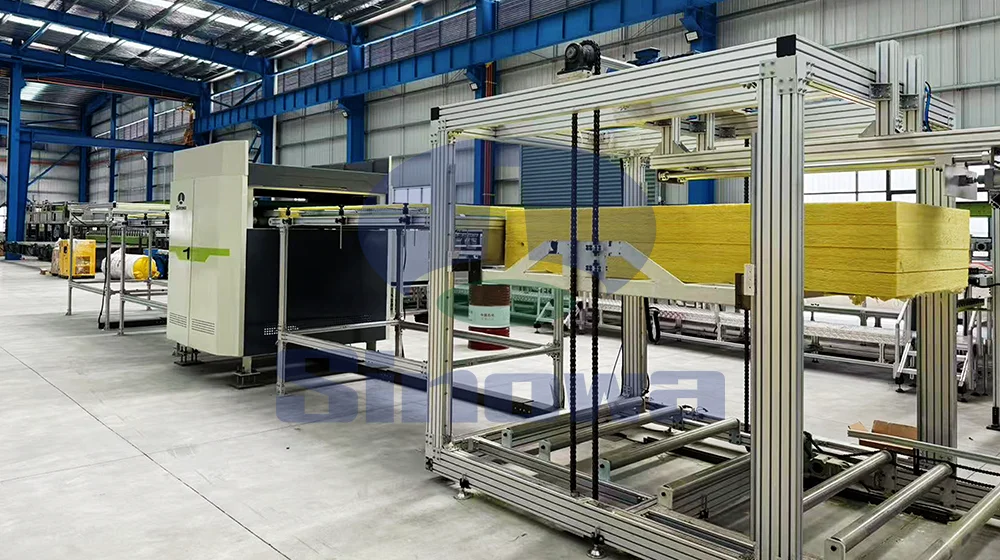
The raw material compatibility of wall sandwich panel production lines represents one of their core advantages in the Chinese manufacturing sector. The machines can process multiple types of insulating cores, alongside varied facing substrates, without requiring full equipment replacement for material switching. Operators only need to adjust feeding assemblies and temperature controls when changing core materials, allowing factories to produce panels tailored for different application environments. Some configurations are optimized for lightweight core materials that prioritize heat insulation, while others support denser core options that deliver enhanced load-bearing performance. Surface preparation modules within the lines clean and condition face sheets before bonding, ensuring reliable adhesion between the outer layer and the inner core. Proper bonding quality directly affects the long-term service performance of finished wall panels, so production lines include controlled heating and curing zones to complete chemical or physical bonding under stable conditions. Raw material handling subsystems also reduce risks of uneven material distribution, a common issue that may lead to surface defects or inconsistent panel properties. This flexible material handling capacity enables panel manufacturers to adjust their product portfolios quickly in response to changing demands from construction, warehouse and industrial building sectors.
Automation upgrades continue to reshape how wall sandwich panel production lines operate in domestic manufacturing plants. Modern systems integrate centralized control interfaces that allow technicians to set and track all production parameters from a single operating station. Data related to production speed, total output and material consumption is captured in real time, supporting routine production analysis and workflow optimization. Automated cutting units use precise positioning to trim panels into preset lengths, eliminating inaccuracies caused by manual cutting operations. Stacking and packaging mechanisms at the end of the line collect finished panels neatly, reducing physical labor and lowering the chance of surface scratches or edge damage during handling. Safety interlock systems are installed on moving sections of the equipment to pause operation automatically when abnormal conditions occur, protecting on-site workers and preventing mechanical damage. While high levels of automation bring clear efficiency gains, equipment designers also retain manual override functions for maintenance work and troubleshooting. Training for on-site operators focuses on parameter adjustment, daily inspection and basic fault diagnosis, ensuring that production lines can run reliably with well-trained teams. The balance between automated operation and controllable manual intervention makes these lines practical for factories of varying operational scales.
Energy efficiency has become a key consideration during the design and deployment of wall sandwich panel production lines in China. Thermal processes such as material curing and surface treatment consume the largest share of energy during panel fabrication, so equipment developers optimize heating structures to cut unnecessary energy loss. Improved insulation around heating chambers helps maintain stable internal temperatures without continuous high-power input. Drive systems for material conveying also adopt low-consumption components that reduce power use during extended production shifts. Some production layouts recycle waste heat generated from high-temperature sections to preheat incoming raw materials, creating a more circular energy flow within the workshop. Optimized energy performance does not compromise product quality; instead, stable thermal environments improve the uniformity of core material foaming and bonding results. Factories using these optimized lines can lower ongoing operational expenses over the full service life of the equipment. Energy-focused design also aligns with broader trends in the construction material industry, where end users increasingly prefer building products manufactured with reduced resource consumption. Manufacturers of production equipment keep refining these energy-saving features based on long-term operational feedback from panel factories across different regions.
Maintenance design for wall sandwich panel production lines prioritizes convenient access to wearing parts and modular component replacement. The equipment is divided into independent functional modules, so maintenance teams can inspect, repair or replace one section without shutting down the entire production system for extended periods. Wearing components such as conveyor belts, sealing strips and cutting blades are standardized to simplify procurement and replacement schedules. Clear access panels and inspection windows allow technicians to check internal conditions quickly during routine shutdown periods. Equipment manuals detail regular inspection schedules, lubrication points and common fault symptoms to support proactive upkeep. Timely maintenance prevents minor mechanical issues from escalating into unplanned production halts, which is critical for factories working against tight delivery schedules. Many equipment suppliers also provide remote technical support, where specialists review operational data and guide local operators through simple troubleshooting steps. For complex mechanical or electrical failures, on-site service can be arranged to restore production. This maintenance framework reduces downtime and extends the usable lifespan of the production line, delivering more stable long-term returns for panel manufacturing enterprises.
Application diversity of panels produced by these lines drives continuous refinement of equipment functions in China. Wall sandwich panels serve as enclosure components for industrial workshops, logistics warehouses, temporary construction facilities, cold storage buildings and commercial premises. Each application scenario places unique demands on panel characteristics. For cold storage projects, panels need excellent thermal resistance, so production lines are adjusted to form dense, low-conductivity core structures. For industrial plant walls, finished panels require impact resistance and easy cleaning surfaces, which calls for specific face sheet treatment during fabrication. The production lines can modify panel edge profiles to support different assembly methods on construction sites, enabling tight joints between adjacent panels after installation. Equipment developers continuously introduce minor functional upgrades to produce panels with new edge designs and surface finishes. As prefabricated building methods gain wider acceptance, demand grows for wall panels that can be installed rapidly on site. The production lines support mass fabrication of these prefabricated components, helping shorten overall construction timelines and reduce on-site building waste. This strong connection between equipment capability and construction application keeps pushing technical innovation forward in the sector.
The supply ecosystem supporting wall sandwich panel production lines in China covers mechanical processing, electrical control, component manufacturing and after-sales technical services. Equipment builders source core mechanical and electrical parts from a network of domestic component manufacturers, which supports stable supply chains and reasonable lead times for equipment assembly. Component suppliers collaborate with line designers to customize parts that fit the special operating conditions of continuous panel production. Before finished production lines leave manufacturing workshops, full operational testing is carried out to verify coordination between all functional stations and confirm output performance. Once delivered to customers, installation teams supervise on-site assembly, alignment and trial runs to ensure the whole system works as designed. The ecosystem also supports incremental equipment upgrades. Existing production lines can be retrofitted with new sensors, control modules or cutting units later, so factory owners do not need to purchase entirely new systems when updating product offerings. This integrated supply system lowers barriers for enterprises entering the sandwich panel manufacturing business. Small and medium-sized manufacturers can select scaled-down line configurations matching their target output, while large producers can deploy multiple linked production lines to achieve high-volume panel output.
Looking ahead, the development trend of wall sandwich panel production lines in China centers on smarter operation and greater production flexibility. Ongoing technical development targets finer control over material mixing and forming processes, to achieve more consistent panel performance batch after batch. Digital monitoring systems will continue to expand, capturing more detailed operational data to support predictive maintenance, which can identify potential component wear before equipment failure takes place. Equipment designers also explore ways to process recycled raw materials within the production workflow, responding to growing attention to sustainable manufacturing practices. The production lines will retain their core value of enabling efficient, continuous fabrication of composite wall panels while adapting to evolving market requirements. As global and domestic construction markets continue to adopt prefabricated building solutions, demand for reliable wall sandwich panel manufacturing equipment remains steady. Equipment developers will keep learning from real-world production feedback, optimizing mechanical structures and control logic to meet the varied needs of panel producers. The steady progress of this equipment sector will continue to underpin the supply of high-performance composite wall panels for modern building projects in many parts of the world.
« Wall Sandwich Panel Production Line In China » Update Date: 2026/10/20
Tags: Wall Sandwich Panel Production Line , wall sandwich panel production line, wall sandwich panel production line manufacturer, wall sandwich panel production line supplier, wall sandwich panel production line for sale, customized wall sandwich panel production line, china wall sandwich panel production line
- Fully Automatic PU Sandwich Panel Production Line Price
- PUF Panel Manufacturing Machine Factory
- Sandwich Roof Panel Production Line Factory
- PU Sandwich Panel Production Line For Sale
- Fully Automatic Sandwich Panel Making Machine In China
- High-end Cold Storage Sandwich Panel Production Line
- PIR Insulated Panel Production Line Design
- High Efficiency PU Insulation Board Production Line
- Sandwich Panel Production Line Manufacturer
- Sandwich Panel Making Equipment Supplier
- PU Board Production Line Supplier
- High-end PIR Sandwich Panel Production Line
- Low Price Foam Sandwich Panel Production Line
- PU Insulated Panel Production Line On Sales
- High-end Sandwich Panel Integrated Production Line
- PU Insulation Panel Production Line For Sale
- Polyurethane Insulation Panel Production Line Design
- Low Price Composite Sandwich Panel Production Line
- Continuous Sandwich Panel Line For Building
- Sandwich Roof Panel Production Line Supplier
- Links:
- Sandwich Panel Continuous Production Line
- Automatic and Continuous Sandwich Panel Production Line
- Cheap and Low Price Sandwich Panel Production Line
- China Sandwich Panel Production Line Factory
- Color Steel Sandwich Panel Production Line For Cold Storage
- Continuous Composite Foam Sandwich Panel Production Line
- Continuous Production Line For Rockwool and Mineral Wool Sandwich Panels
- Continuous PU Phenolic Insulation Panel Production Line
- Continuous PU PIR Sandwich Panel Production Line
- Continuous PUF PUR Sandwich Panel Production Line
- Continuous Sandwich Panel Production Line For Roof and Wall
- Customized and Design Sandwich Panel Production Line
- Decorative Sandwich Panel Production Line For Glass Wool Boards
- High Quality Sandwich Panel Production Line For Sale
- Polyurethane(PU) Sandwich Panel Production Line
- Sandwich Panel Production Line Manufacturer and Supplier
- Sandwich Panel Production Machinery and Equipment