
Continuous PU/Phenolic Insulation Board Production Line
Continuous Insulation Panel Production Line of the PU and phenolic aldehyde surface has diversified and multifunctional production characteristics, which may produce products with different specifications such as PU, PF, PIR, etc. The surface material may be aluminum foil, colored steel, cement base cloth, kraft paper, non-woven fabrics, etc. The products are widely applied to such occasions as construction, decoration, pipeline ventilation, subway construction, etc.
The production line of soft layer insulation board is able to continuously and efficiently produce high-quality PU and Phenolic insulation boards.
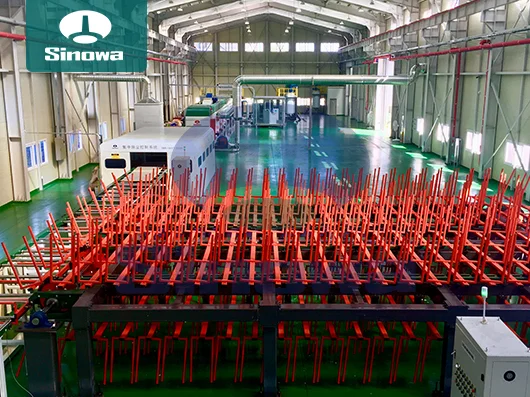
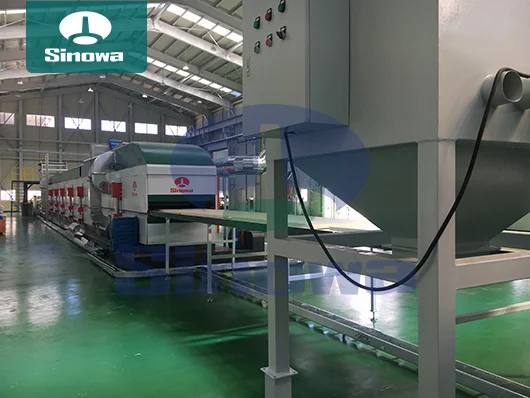
We spare no efforts to improve our product quality and technological reliability by employing the most cutting-edge and the most reliable support and processes to make our products highly reliable and endurable. As a result, the production line of our soft layer insulation panels is highlighted by many perfect qualities. It is the core idea in Sinowa's product roadmap to surpass our competitors in terms of design philosophy, manufacture methods and service level, going for excellence and leading position and making constant improvement on our products and services, which is also our core value system to create efficiency and convenience for our customers.
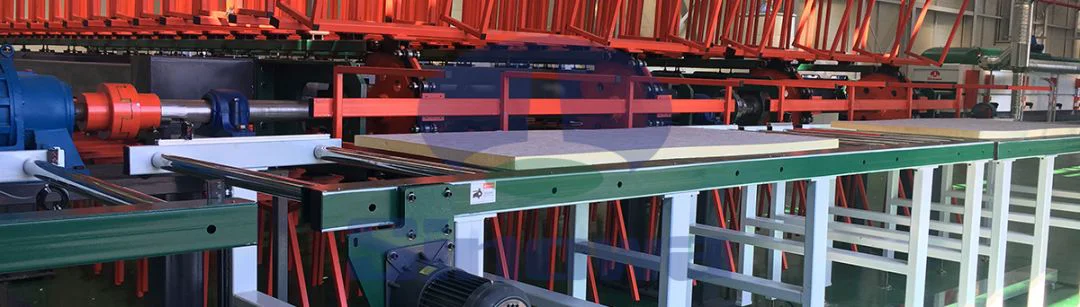
Well-grounded on our solid strength as a renowned large-scale enterprise, Sinowa has a high starting point in developing industrial assembly lines. Based on the advanced science and technology introduced from within and without the country and supported by a great number of first-grade parts and components from the home and aboard, these assembly lines have a high-level configuration of supporting products in terms of machinery, electrical control, hydraulic pressure, automatic measurement and tracking, and so on. This is a strong proof of our product’s reliable quality and high efficiency.
The first-class appearance design and excellent energy saving measures make it unnecessary for customers to additionally construct the heat preservation and isolation room for production around the clock throughout the year, so that the customers may save lots of resources and costs.
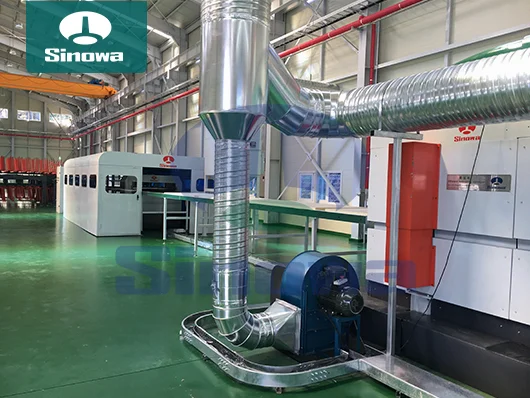
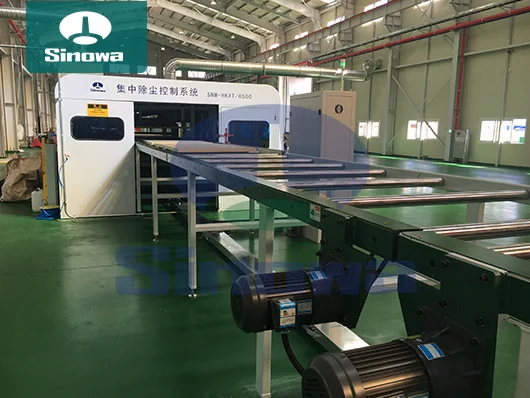
Modularized standard design and important parts machined with CNC machine tool make the production line have excellent quality assurance. Dependence on the man-made factors is eliminated. The operation is precision, with the highest operation speed of 30m/min. The phenolic insulation board production line has the world-class production efficiency.
The high performance and reliable multicomponent cyclopentane foaming technology and equipment of Sinowa may be also applied to the foaming process of the phenolic aldehyde board. Therefore, our customers may not only freely adjust the foaming matching according to the raw material, but also save lots of costs. Moreover, they are of significance for environmental protection.
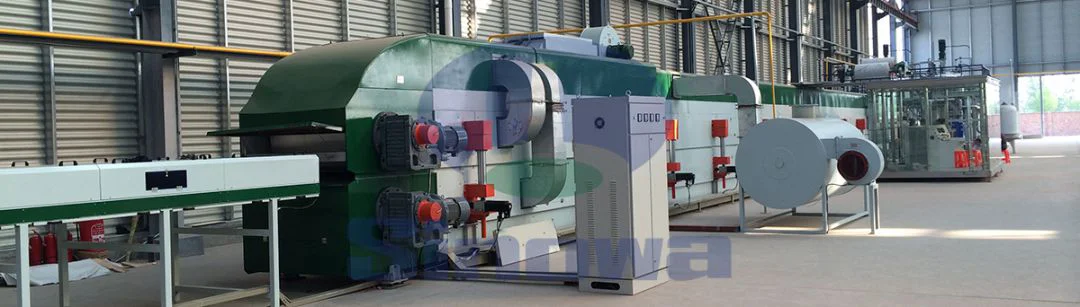
Sinowa's industrial production line of insulation panels is distinguished by its impressive performance of energy conservation. In each high point of energy consumption throughout the entire insulated board production line are implemented corresponding measures to considerably lower the consumption level. For example, the body of the lamination belt conveyer is covered with insulation panels in very reasonable structures, which doesn’t blemish the overall outlook but greatly increases the insulation performance. The entire insulation board assembly line is constantly optimized and improved so that the consumption of each power source is significantly reduced. The motor power of our lamination conveying system is only 3.0 kw, about 50% less than those of the same kind. All in all, the energy consumption of the whole industrial assembly line equals 40% or even less of the equivalent lines in the market.
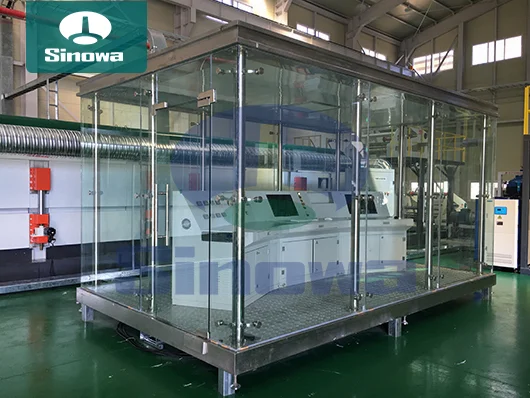
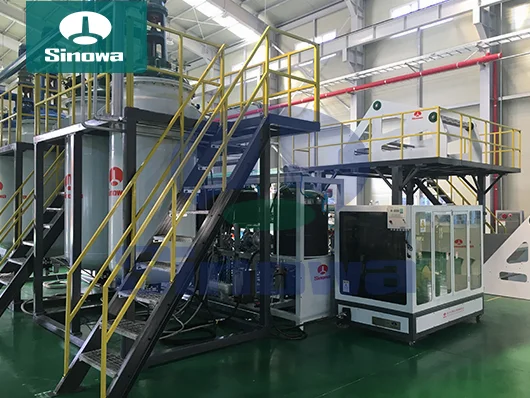
The industrial production line of Sinowa adopts the most advanced concepts in the world to realize the modularized design with all the parts bolted together rather than welded. In standardized production, the parts can be dismantled and exchanged, so the production cycle is drastically shortened and the maintenance becomes by far easier. Through finite element analysis, the equipment design is greatly optimized to realize modularization, digitization, and weight-minimalization.
In the modern landscape of global construction, energy efficiency, thermal management, and material sustainability have emerged as non-negotiable pillars guiding infrastructure development, industrial facility construction, and cold chain logistics expansion. As the demand for high-performance thermal insulation materials surges across residential, commercial, industrial, and specialized application sectors, continuous production lines for insulation boards have replaced traditional batch manufacturing methods as the gold standard for scalable, consistent, and high-quality material production. Among the most advanced and widely adopted solutions in this space are the Continuous PU Insulation Board Production Line and the Continuous Phenolic Insulation Board Production Line, two sophisticated manufacturing systems engineered to produce rigid foam insulation boards with distinct performance profiles, each tailored to address specific industry needs while upholding the highest standards of production efficiency and product uniformity. These two production lines represent the pinnacle of modern insulation material manufacturing, combining automated process control, precision material formulation, and continuous operational logic to eliminate the inconsistencies, waste, and productivity limitations associated with discontinuous, manual, or semi-automated production methods. Unlike fragmented production setups that rely on intermittent material handling, manual mixing, and batch curing, continuous production lines operate as fully integrated, end-to-end systems that transform raw chemical materials and facing layers into finished insulation boards in a single, uninterrupted workflow, ensuring every meter of product meets tight dimensional tolerances, consistent physical properties, and uniform thermal performance across entire production runs.
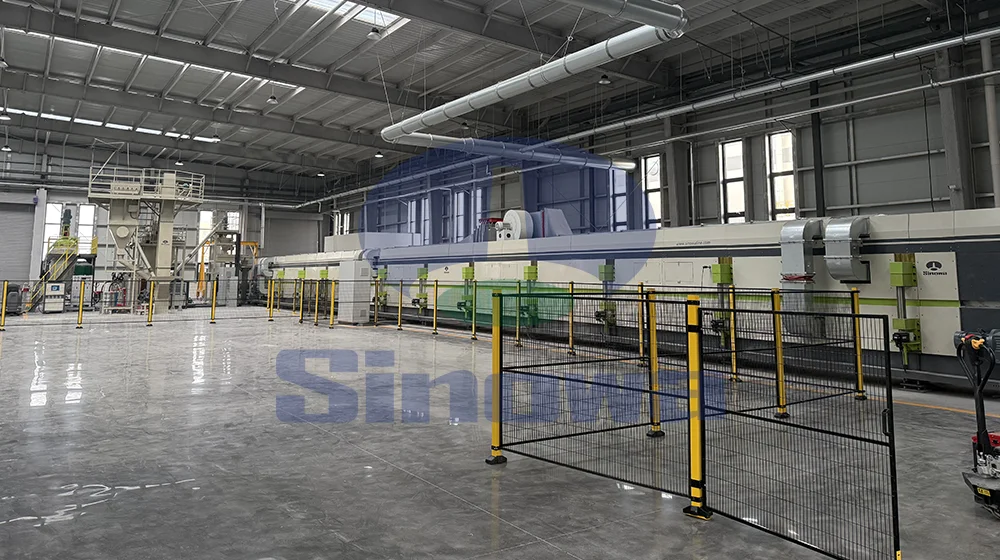
To understand the significance of these continuous production lines, it is critical to first contextualize the role of rigid foam insulation boards in modern engineering and construction. Thermal insulation materials serve as the primary barrier against heat transfer, reducing energy consumption for heating and cooling in buildings, maintaining stable temperature environments in cold storage and refrigeration facilities, enhancing fire safety in high-risk structures, and improving the durability of building envelopes by protecting structural components from temperature-induced wear and moisture damage. Traditional insulation materials, while widely used in the past, often fall short in meeting the stringent performance requirements of contemporary green building standards, energy codes, and industrial safety regulations, lacking the low thermal conductivity, high compressive strength, moisture resistance, or fire retardancy that modern projects demand. Polyurethane (PU) and phenolic foam insulation boards, produced via their respective continuous lines, address these gaps with unique material properties that make them versatile solutions for diverse applications. The Continuous PU Insulation Board Production Line is designed to manufacture polyurethane foam boards, a type of closed-cell rigid foam renowned for its exceptional thermal insulation efficiency, lightweight composition, and excellent adhesive bonding with various facing materials. In contrast, the Continuous Phenolic Insulation Board Production Line produces phenolic foam boards, which are distinguished by their outstanding fire resistance, low smoke emission, and dimensional stability under extreme temperature conditions, making them ideal for applications where fire safety is a top priority. While both production lines follow the core principles of continuous manufacturing—uninterrupted material flow, automated process control, and in-line curing and finishing—their internal process sequences, raw material handling protocols, foaming mechanisms, and curing parameters are uniquely calibrated to match the chemical properties and curing characteristics of PU and phenolic resin systems, respectively.
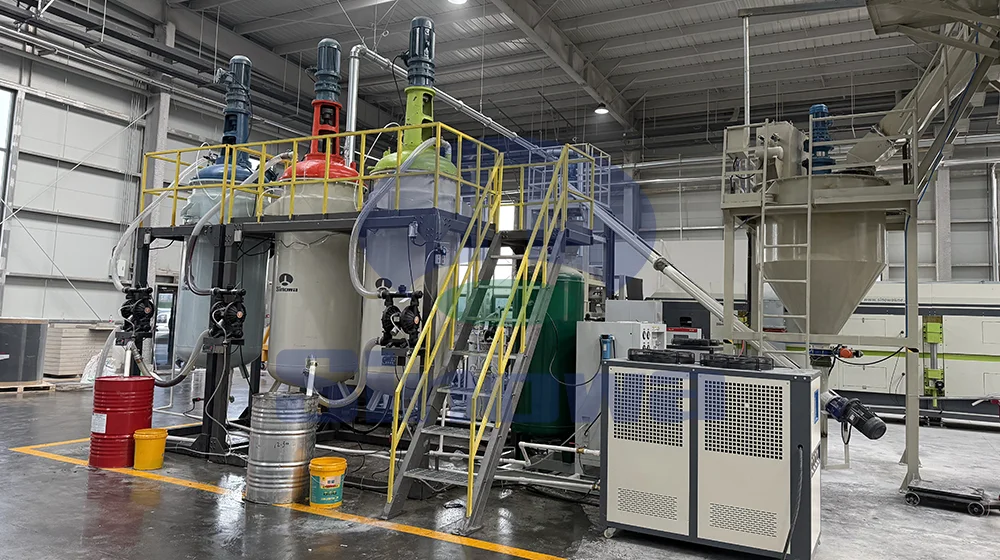
The Continuous PU Insulation Panel Production Line operates on a highly synchronized, automated workflow that begins with raw material preparation and storage, followed by precise metering and mixing, continuous foaming and laminating, controlled curing, dimensional profiling, and final cutting and stacking. Every stage of this process is integrated into a single, linear system, with automated conveyors, precision dosing units, and computerized control systems ensuring zero interruptions between production phases. The raw material system for the PU production line consists of storage tanks for polyol and isocyanate components, the two primary chemical precursors that form the polyurethane foam matrix, along with auxiliary materials including blowing agents, catalysts, surfactants, and flame retardants, all stored under controlled temperature and pressure conditions to maintain consistent chemical reactivity. Unlike batch mixing, which often leads to uneven material ratios and inconsistent foam quality, the continuous line employs high-precision metering pumps that deliver exact volumes of each raw material in real time, with digital control systems adjusting flow rates dynamically to compensate for minor variations in ambient temperature or material viscosity. This precision dosing is critical to the formation of a uniform closed-cell foam structure, which directly impacts the thermal conductivity, compressive strength, and moisture resistance of the final PU insulation board. Once the raw materials are mixed in a high-speed, continuous mixing head, the reactive liquid mixture is uniformly dispensed onto a continuous moving facing layer, which can range from aluminum foil and kraft paper to color steel sheets and non-woven fabrics, depending on the intended application of the finished board. A second facing layer is simultaneously applied to the top of the dispensed mixture, creating a sandwich structure that encapsulates the expanding PU foam, ensuring consistent thickness and smooth surface finish across the entire board width.
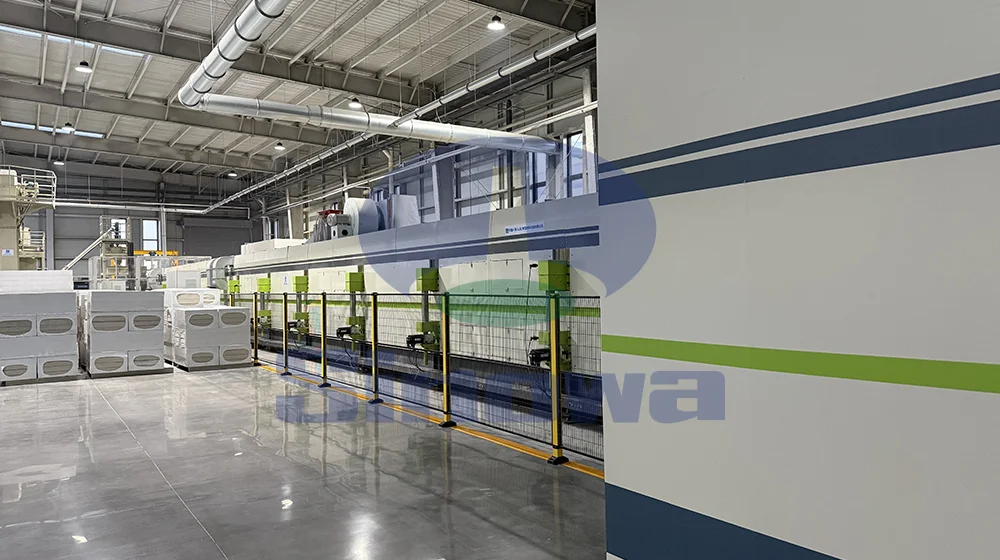
Following the lamination stage, the sandwiched foam mixture enters a double-belt curing system, the heart of the Continuous PU Insulation Board Production Line, where temperature and pressure are precisely regulated to control the foaming, gelling, and curing process of the polyurethane resin. The double-belt conveyor consists of two parallel, heated belts that maintain a fixed distance apart, dictating the final thickness of the insulation board and applying uniform pressure to prevent foam distortion, ensure closed-cell formation, and promote strong adhesion between the foam core and facing layers. The curing chamber is divided into multiple temperature zones, each calibrated to facilitate a specific stage of the chemical reaction: initial foaming and expansion, gelation to solidify the foam structure, and final curing to achieve full mechanical strength and dimensional stability. This gradual, controlled curing process eliminates the risk of uneven curing, internal voids, or surface cracking that plagues batch-produced PU boards, resulting in a product with consistent density, uniform cell structure, and predictable performance properties. After exiting the curing system, the fully cured continuous PU board moves through in-line quality inspection stations, where dimensional accuracy, surface flatness, and thickness uniformity are automatically monitored, with any deviations triggering real-time adjustments to the production line parameters. The final stage involves high-precision cutting units that trim the continuous board to custom lengths and widths, followed by automated stacking and packaging systems that prepare the finished products for storage and distribution. The entire production cycle operates 24 hours a day with minimal manual intervention, requiring only a small team of operators to monitor control panels, perform routine maintenance, and ensure consistent raw material supply, drastically reducing labor costs, material waste, and production downtime compared to discontinuous production methods. The scalability of the Continuous PU Insulation Board Production Line is another key advantage, as it can be adjusted to produce boards of varying thicknesses, widths, and facing materials without major reconfiguration, making it suitable for large-scale industrial production as well as customized small-batch runs for specialized projects.
In parallel, the Continuous Phenolic Insulation Panel Production Line is engineered to accommodate the unique chemical properties of phenolic resin systems, which require distinct processing conditions, curing temperatures, and foaming mechanisms compared to polyurethane. Phenolic foam is derived from phenolic resin, a thermosetting polymer known for its exceptional fire resistance, low smoke toxicity, and high thermal stability, making it a preferred insulation material for high-rise buildings, underground structures, industrial facilities, and transportation infrastructure where fire safety regulations are stringent. The continuous production line for phenolic insulation boards shares the integrated, end-to-end operational logic of the PU line but features specialized modifications to handle the slower curing rate, higher temperature requirements, and unique foaming characteristics of phenolic resin. The raw material preparation stage for phenolic production centers on phenolic resin, along with curing agents, foaming agents, surfactants, and modifiers that enhance foam flexibility and reduce brittleness, a common characteristic of traditional phenolic foam materials. These raw materials are stored in temperature-controlled systems to prevent premature resin curing and ensure consistent flowability during the mixing stage, with precision metering systems that maintain strict resin-to-additive ratios to optimize foam cell structure and mechanical properties.
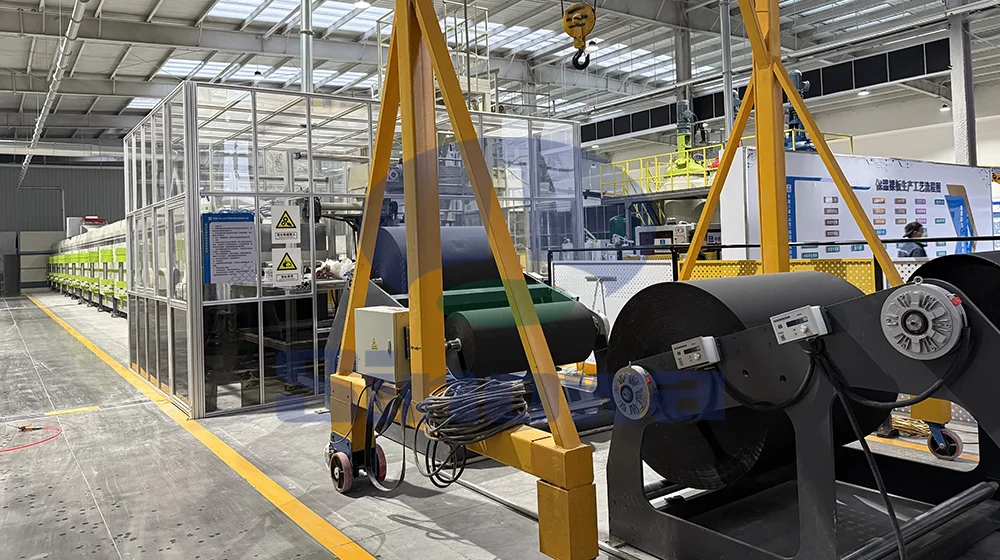
The mixing and foaming stage of the Continuous Phenolic Insulation Board Production Line is designed to generate a uniform, fine-celled foam structure without compromising the material’s inherent fire-resistant properties. Unlike PU foam, which expands rapidly at moderate temperatures, phenolic foam requires a controlled heating environment to initiate foaming and cross-linking, with the mixing head operating at a lower speed to avoid excessive air entrapment that could weaken the foam structure. The phenolic resin mixture is dispensed onto a continuous facing layer, with a top facing layer added to form a sandwich structure, similar to the PU production line, but with adjusted conveyor speed and pressure settings to accommodate the slower expansion and curing rate of phenolic foam. The double-belt curing system of the phenolic production line is equipped with higher temperature zones and extended curing chambers to ensure complete cross-linking of the phenolic resin, a critical step to achieve optimal fire resistance, dimensional stability, and compressive strength. The curing process for phenolic boards is more gradual than that of PU boards, with precise temperature ramping to prevent thermal shock, surface cracking, or incomplete curing, which could compromise the material’s fire performance and mechanical integrity. Advanced control systems monitor and adjust temperature, pressure, and conveyor speed in real time, ensuring that every section of the continuous phenolic board cures evenly, resulting in a consistent density profile and uniform closed-cell structure across the entire product length. Post-curing, the phenolic board undergoes in-line edge trimming, precision cutting to specified dimensions, and automated handling, with quality checks focused on density uniformity, fire performance consistency, and resistance to heat deformation. The Continuous Phenolic Insulation Board Production Line is also highly adaptable, capable of producing phenolic boards with different thicknesses, facing materials, and edge profiles to suit diverse application needs, from thin wall insulation panels to thick core boards for industrial fire barriers.
A key distinction between the two continuous production lines lies in the performance characteristics of the insulation boards they produce, which directly dictate their respective industrial applications and market use cases. PU insulation boards manufactured via the Continuous PU Insulation Board Production Line are defined by their ultra-low thermal conductivity, making them one of the most efficient thermal insulation materials available on the market. The closed-cell structure of PU foam minimizes heat transfer through conduction, convection, and radiation, allowing buildings and facilities to maintain stable internal temperatures with significantly reduced energy consumption for heating and cooling systems. Additionally, PU insulation boards offer excellent compressive strength, making them suitable for load-bearing applications such as roof insulation, floor insulation, and cold storage paneling, where the material must withstand physical stress without deformation. The lightweight nature of PU boards reduces the overall structural load on buildings, simplifying installation and lowering transportation costs, while their strong moisture resistance prevents water absorption, mold growth, and thermal performance degradation in humid environments. These properties make PU insulation boards the material of choice for cold chain logistics facilities, including refrigerated warehouses, food processing plants, and cold storage containers, where consistent low temperatures and moisture control are essential to preserve perishable goods. PU boards are also widely used in residential and commercial construction for exterior wall insulation, roof insulation, and prefabricated building panels, offering a balance of thermal efficiency, ease of installation, and cost-effectiveness for large-scale construction projects.
Phenolic insulation boards produced by the Continuous Phenolic Insulation Board Production Line, while offering excellent thermal insulation properties, are primarily valued for their unrivaled fire safety performance. Phenolic foam is inherently fire-retardant, with a high ignition temperature and the ability to self-extinguish when exposed to open flame, producing minimal smoke and toxic fumes compared to other foam insulation materials. This makes phenolic boards indispensable for applications where fire safety is a critical concern, such as high-rise residential buildings, commercial complexes, hospitals, schools, underground transportation systems, and industrial plants with high fire risk. In addition to fire resistance, phenolic insulation boards exhibit exceptional dimensional stability, maintaining their shape and structural integrity under extreme temperature fluctuations, from sub-zero conditions to high heat environments, without warping, shrinking, or expanding. They also offer good chemical resistance, making them suitable for industrial facilities where exposure to harsh chemicals or corrosive substances is common. While phenolic boards are slightly more rigid and less flexible than PU boards, the advanced formulation and continuous production process have significantly improved their mechanical toughness, reducing brittleness and enhancing ease of installation. Phenolic insulation boards are also favored for exterior insulation and finish systems (EIFS) and fire barrier applications, where they provide dual benefits of thermal insulation and passive fire protection, meeting strict building code requirements for fire safety in modern construction projects.
Beyond product performance, both continuous production lines deliver substantial operational and sustainable advantages that align with global trends toward green manufacturing and circular economy principles. One of the most significant benefits of continuous production over batch methods is the drastic reduction in material waste. In discontinuous production, leftover raw materials, unevenly cured boards, and off-cuts account for a substantial portion of total material usage, leading to increased costs and environmental impact. In contrast, the Continuous PU Insulation Board Production Line and Continuous Phenolic Insulation Board Production Line utilize precise raw material dosing, continuous in-line processing, and custom cutting to minimize waste, with nearly all raw materials converted into finished products, and any minor off-cuts or trim waste recyclable or reusable in certain production stages. The automated nature of these lines also reduces energy consumption per unit of product, as the integrated curing systems and optimized process flow eliminate the energy waste associated with repeated heating, cooling, and material handling in batch production. Additionally, both production lines can be configured to use eco-friendly blowing agents and low-VOC (volatile organic compound) raw materials, aligning with global environmental regulations aimed at reducing ozone depletion potential and greenhouse gas emissions. The closed-cell foam structure of both PU and phenolic boards produced via continuous lines also contributes to long-term energy savings in end-use applications, as their high thermal efficiency reduces reliance on fossil fuel-based heating and cooling systems, lowering carbon emissions throughout the building’s lifecycle.
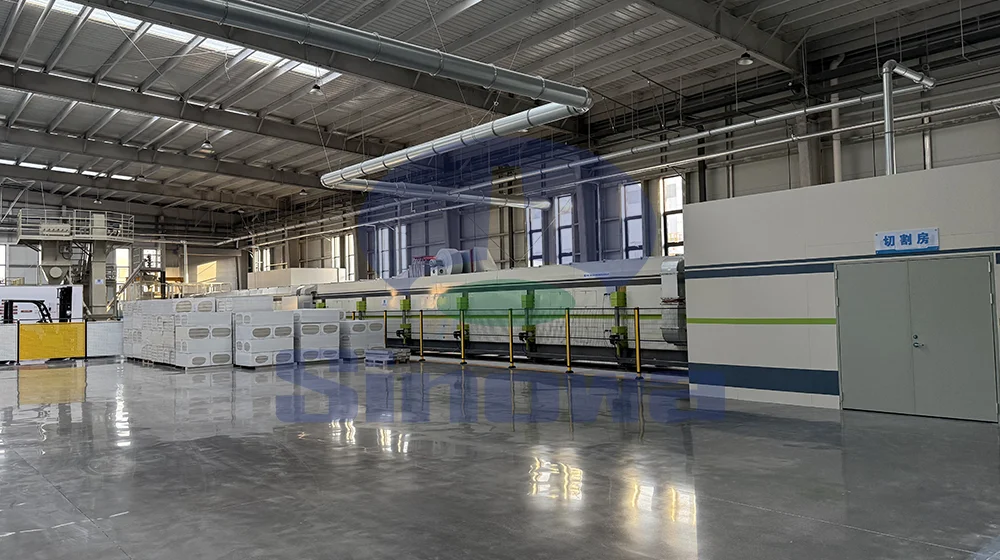
The automation and digital control systems integrated into both continuous production lines further enhance their operational efficiency and product consistency. Modern iterations of these lines feature advanced PLC (programmable logic controller) systems with touch-screen human-machine interfaces (HMI) that allow operators to monitor, adjust, and optimize all production parameters in real time, including raw material flow rates, conveyor speed, curing temperature, and board thickness. These control systems store pre-set production recipes for different board specifications, enabling quick transitions between product types without lengthy downtime or manual reconfiguration. Real-time data monitoring also facilitates predictive maintenance, as sensors detect potential equipment issues before they cause production halts, reducing unplanned downtime and extending the service life of production line components. The low labor requirement of continuous production lines is another operational benefit, as the automated workflow minimizes the need for manual labor in mixing, handling, and curing stages, reducing the risk of human error and improving workplace safety by limiting worker exposure to chemical materials and heavy machinery. Unlike batch production, which requires constant manual supervision and intervention, continuous lines can operate autonomously for extended periods, with only routine maintenance and quality checks required, making them highly efficient for large-scale, long-term production contracts.
The versatility of both the Continuous PU Insulation Board Production Machine and the Continuous Phenolic Insulation Board Production Machine extends to their ability to accommodate a wide range of facing materials and board configurations, further expanding their industrial applicability. For PU production lines, common facing materials include aluminum foil, which enhances moisture resistance and reflectivity; color steel plates, which add structural strength and durability for industrial and cold storage applications; kraft paper, which provides a cost-effective solution for interior insulation; and non-woven fabrics, which improve breathability for residential construction. Phenolic production lines can also work with these facing materials, as well as cement-based facing layers for enhanced fire resistance and compatibility with building exterior systems. Both lines can produce boards with standard square edges or interlocking tongue-and-groove edges, which simplify on-site installation, improve air tightness, and eliminate thermal bridging at board joints. The ability to customize board thickness, from thin lightweight panels to thick high-density core boards, allows manufacturers to cater to niche markets, including marine insulation, automotive insulation, and industrial pipeline insulation, in addition to traditional construction and cold chain sectors. This adaptability ensures that both production lines remain relevant in a rapidly evolving insulation market, where demand for specialized, high-performance materials continues to grow alongside global infrastructure development and energy efficiency initiatives.
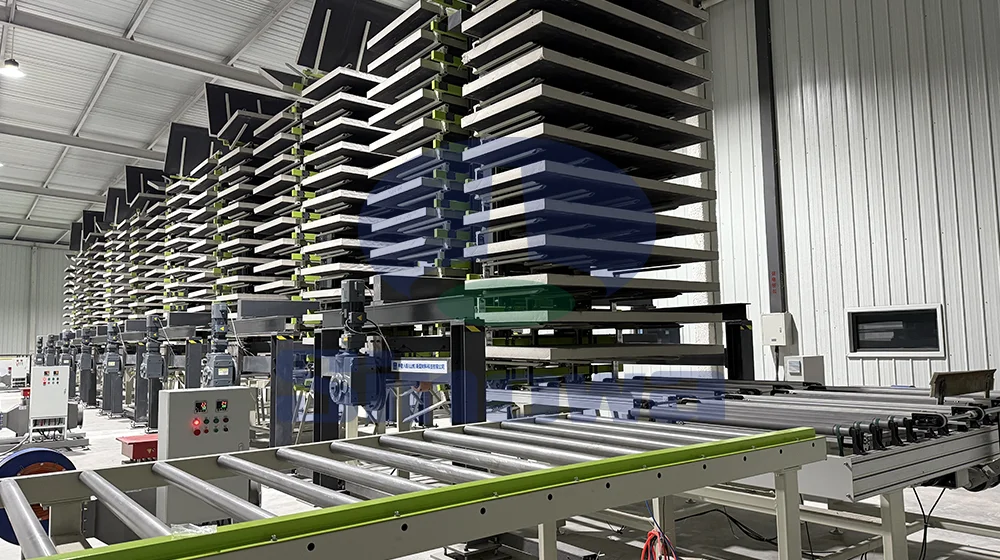
When comparing the two production lines, it is important to note that they are not competing technologies but complementary solutions that address distinct market needs, with each excelling in specific application scenarios. The Continuous PU Insulation Board Production Line is the optimal choice for projects prioritizing maximum thermal efficiency, lightweight design, and cost-effective large-scale production, making it ideal for cold chain logistics, residential construction, and commercial building insulation where energy savings are the primary goal. The Continuous Phenolic Insulation Board Production Line, on the other hand, is indispensable for projects where fire safety, low smoke emission, and high thermal stability are non-negotiable, such as high-rise buildings, public infrastructure, and high-risk industrial facilities. Manufacturers often invest in both production lines to offer a comprehensive portfolio of insulation products, catering to the diverse needs of contractors, architects, and project developers across different regions and industry sectors. The shared core principles of continuous manufacturing—efficiency, consistency, and sustainability—unite both lines, positioning them as essential assets in the global shift toward modern, eco-friendly insulation material production.
Looking ahead, the evolution of Continuous PU Insulation Board Production Line and Continuous Phenolic Insulation Board Production Line technology is poised to focus on further automation, sustainability enhancements, and performance optimization. Advancements in raw material formulation will continue to improve the flexibility, durability, and eco-friendliness of both PU and phenolic foam boards, with a focus on bio-based raw materials and recycled content to reduce reliance on fossil fuel-derived chemicals. Digitalization will play an increasingly important role, with the integration of IoT (internet of things) sensors, artificial intelligence (AI) process optimization, and cloud-based production monitoring to create fully smart, self-regulating production lines that minimize energy consumption, reduce waste, and maintain perfect product consistency. Additionally, ongoing engineering improvements will enhance the compactness and energy efficiency of the production lines themselves, making them accessible to manufacturers of all sizes and supporting the global expansion of high-performance insulation material production in emerging markets. As governments worldwide tighten energy efficiency and building safety regulations, the demand for insulation boards produced by these continuous lines will continue to rise, driving further innovation and technological advancement in the sector.
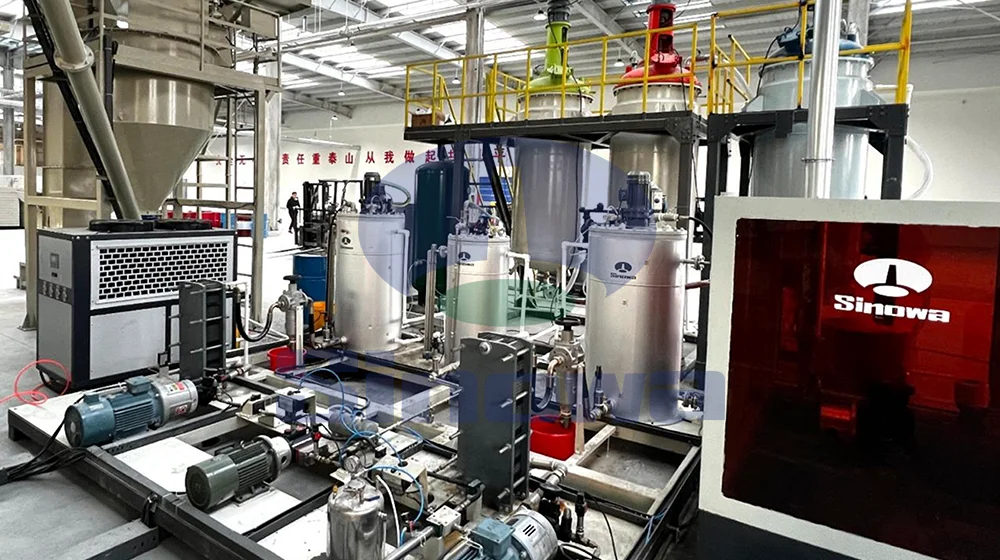
In conclusion, the Continuous PU Insulation Board Production Line and Continuous Phenolic Insulation Board Production Line represent the apex of modern thermal insulation manufacturing, combining cutting-edge automation, precision material science, and sustainable operational practices to produce high-quality insulation materials that meet the most demanding industry standards. Each line is uniquely engineered to leverage the inherent properties of its respective foam material, delivering products with distinct performance advantages that cater to a wide spectrum of construction, industrial, and logistical applications. From the exceptional thermal efficiency of continuously produced PU boards to the unrivaled fire safety of phenolic boards manufactured via continuous processing, these production lines have redefined the standards for insulation material quality, consistency, and scalability. Beyond their immediate industrial value, they play a critical role in global energy conservation efforts, reducing carbon emissions from buildings and facilities, enhancing building safety, and supporting the transition to sustainable, green infrastructure worldwide. As the global focus on energy efficiency and environmental sustainability intensifies, continuous production lines for PU and phenolic insulation boards will remain central to the insulation industry, driving innovation, efficiency, and progress for decades to come, enabling the construction of safer, more energy-efficient, and more sustainable built environments across every corner of the globe.
- 2026-03-24Phenolic Insulation Board Production Line
- 2026-01-12Insulated Panel Machine Price
- 2026-01-09Insulation Board Production Line
- 2025-08-20Phenolic Foam Manufacturing Machinery For Clean Room
- 2025-03-31Phenolic Insulation Board Production Line For Roof
- 2025-03-28Highly Intelligent Phenolic Insulation Panel Production Line
- 2025-03-08Highly Intelligent Phenolic Insulation Board Production Line
- 2025-03-08Phenolic Air Duct Panel Line For Wall
- 2025-02-26Phenolic Foam Manufacturing Machinery For Building
- 2024-10-22Phenolic Foam Manufacturing Machinery For Construction
- 2024-10-14Phenolic Insulation Board Production Line For Cold Storage
- 2024-10-14Highly Intelligent Phenolic Air Duct Panel Line
- 2024-10-14Phenolic Foam Manufacturing Machinery For Wall
- 2024-09-27Phenolic Foam Manufacturing Machinery For Roof
- 2024-09-20Phenolic Air Duct Panel Line For Clean Room
- 2024-09-20Phenolic Foam Manufacturing Machinery For House
- 2024-09-10Phenolic Duct Panel Production Line For Building
- 2024-09-10Phenolic Foam Production Line For Construction
- 2024-08-27Highly Intelligent Phenolic Foam Manufacturing Machinery
- 2024-08-27Phenolic Air Duct Panel Line For Cold Storage