
High-end Isolation PU Sandwich Panel Line
Sinowa is a well-known manufacturer and technical service provider of high-end isolation pu sandwich panel line, learn more about high-end isolation pu sandwich panel line, please contact Sinowa's technical engineer, tell us what you need, we will contact you as soon as possible!
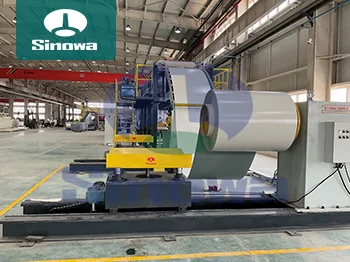
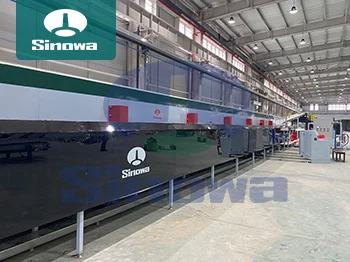
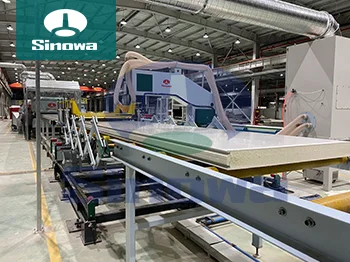
Sinowa is committed to the development and manufacturing of high-end and high-efficiency isolation pu sandwich panel line. Our isolation pu sandwich panel line are leading the way in efficiency, automatic control, human-computer interaction, environmental protection and energy consumption. Using system integration and bus control technology, it realizes the automatic integrated linkage control of the entire isolation pu sandwich panel line, and can achieve remote interactive communication, which has the world-class level and a comprehensive leading high-performance isolation pu sandwich panel line in the market.
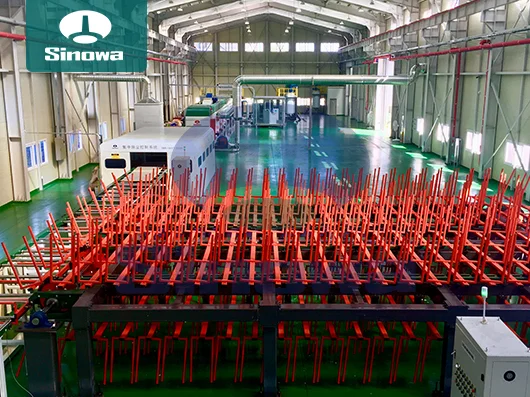
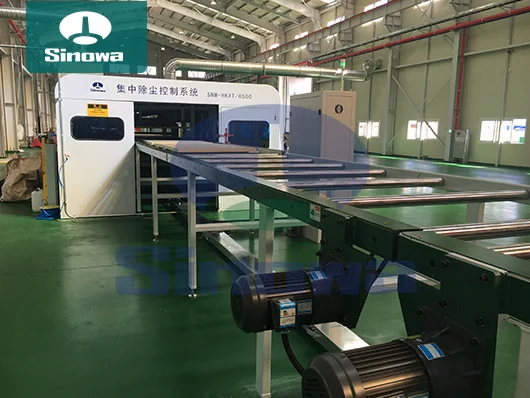
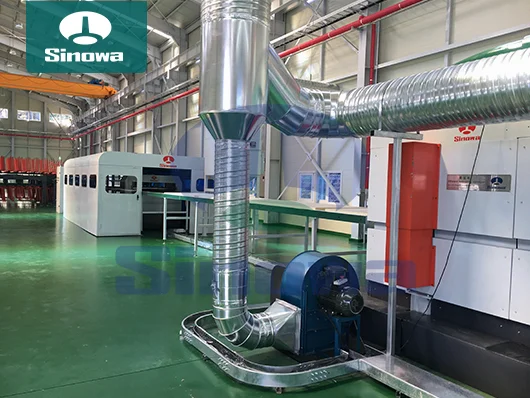
For more than ten years, relying on our innovative manufacturing concept and excellence in quality, reliable and trustworthy service to customers, we cooperate with customers all over the world, exported products to Canada, South Korea, Israel, Australia, the Middle East and other more than 20 countries and regions. contributed to building energy conservation and low-carbon production and have won widespread praise.
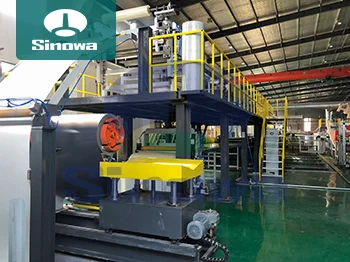
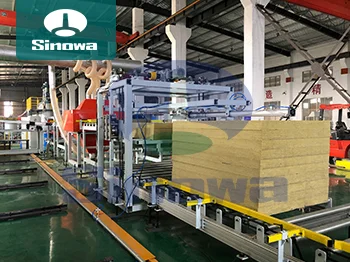
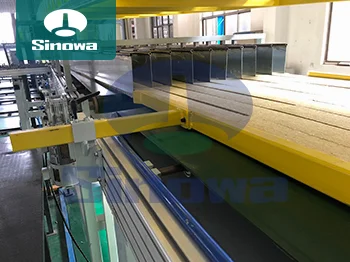
Sinowa has invested outstanding efforts in isolation pu sandwich panel line, this is why our products are more efficiency, quality, automatic control technology, environmental protection, energy consumption indicators and the appearance and safety protection are comprehensively leading, some subversive design changes in many major technical points, these major innovations make our products excellent in price/performance and user experience.
In the evolving landscape of modern construction and industrial manufacturing, the demand for efficient, high-performance building materials has driven significant advancements in production technology. Among these innovations, the high-end isolation PU sandwich panel line stands out as a cornerstone of contemporary prefabricated construction, offering a seamless integration of thermal insulation, structural integrity, and production efficiency. This advanced production system is engineered to manufacture composite panels with a polyurethane (PU) core sandwiched between two outer facings, delivering products that meet the rigorous requirements of diverse applications ranging from industrial warehouses and cold storage facilities to commercial buildings and modular housing. The sophistication of these production lines lies in their ability to maintain precise control over every stage of manufacturing, ensuring consistent product quality while maximizing operational efficiency and minimizing environmental impact.
The fundamental advantage of high-end isolation PU sandwich panels stems from the unique properties of polyurethane foam, which serves as the core insulation material. PU foam exhibits exceptional thermal conductivity values, typically ranging from 0.022 to 0.028 W/m·K, making it significantly more efficient at retaining heat than traditional insulation materials such as EPS or XPS foam. This superior thermal performance translates to substantial energy savings in buildings and facilities that utilize these panels, aligning with global efforts to reduce carbon emissions and promote sustainable construction practices. Additionally, PU foam forms a closed-cell structure that provides inherent water resistance and moisture barrier properties, preventing the accumulation of dampness that can degrade building materials over time. When combined with appropriate facing materials—such as galvanized steel, galvalume, aluminum, or fiber cement boards—the resulting sandwich panels achieve an optimal balance of lightweight construction and structural strength, capable of withstanding harsh weather conditions, UV exposure, and varying load requirements.
The high-end isolation PU sandwich panel line is characterized by its highly automated and integrated design, which distinguishes it from conventional production systems. At the heart of this line is a modular architecture that allows for flexible configuration to accommodate different product specifications, including varying panel thicknesses (ranging from 40mm to 150mm or more), widths (typically 1000mm as standard), and lengths (customizable up to 18 meters or longer). This modularity enables manufacturers to switch between producing wall panels, roof panels, and cold storage panels with minimal adjustments, enhancing production versatility and responsiveness to market demands. The integration of advanced control systems further elevates the performance of these lines, with centralized control centers that monitor and regulate every production parameter—from raw material feed rates and temperature settings to pressure levels and cutting precision. These control systems utilize bus control technology to ensure seamless communication between different components of the line, enabling real-time parameter adjustments and automated fault diagnosis, which significantly reduces production downtime and minimizes human error.
The production process of high-end isolation PU sandwich panels is a continuous, streamlined operation that consists of several key stages, each optimized for precision and efficiency. The process begins with raw material preparation, where the outer facing materials—typically in the form of coiled metal sheets—are uncoiled and fed through a series of leveling and preprocessing stations. These stations may include surface cleaning to remove contaminants, pre-heating to optimize adhesion with the PU core, and profiling to create corrugated or trapezoidal patterns that enhance the structural rigidity of the finished panels. For non-metallic facings such as fiber cement boards or polymer sheets, similar preprocessing steps ensure that the surfaces are properly prepared for bonding with the core material.
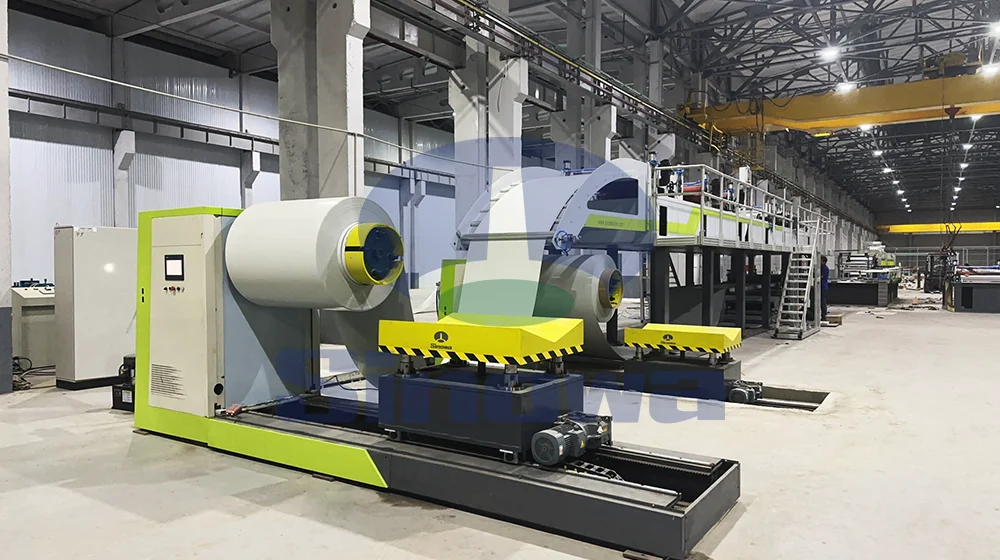
Following preprocessing, the next critical stage is the application of the PU core material. In high-end production lines, this is typically achieved through a high-pressure foaming system that precisely mixes two reactive components—polyol and isocyanate—along with additives such as catalysts, flame retardants, and blowing agents. The use of pentane or other environmentally friendly blowing agents has become increasingly prevalent in modern lines, replacing traditional blowing agents to reduce environmental impact and meet global sustainability standards. The mixed foam components are then uniformly dispensed onto the preprocessed lower facing material via a computer-controlled dosing system, ensuring consistent core density (usually between 38-42 kg/m³) across the entire panel width. The upper facing material is then immediately fed onto the freshly dispensed foam, and the composite structure is conveyed into a double-belt lamination press.
The lamination press is a key component of the high-end isolation PU sandwich panel line, responsible for ensuring the proper bonding of the three layers and the formation of a flat, dimensionally stable panel. The press operates under precisely controlled temperature and pressure conditions, with heating elements integrated into the belts to accelerate the foam curing process. The duration of the lamination process is carefully calibrated to allow the PU foam to fully expand and cure, creating a strong adhesive bond between the core and the facings. In advanced lines, the press is equipped with servo-driven lifting mechanisms that enable precise adjustment of the panel thickness, eliminating the need for hydraulic systems and reducing maintenance requirements. Once the lamination process is complete, the continuous panel is conveyed to a cooling zone, where it is rapidly cooled to room temperature to stabilize its dimensions and prevent warping.
After cooling, the continuous panel is fed into a precision cutting system, which uses automatic tracking saws to cut the panel into the desired lengths according to customer specifications. High-end lines often feature dual cutting systems—including band saws and circular saws—to accommodate both rigid and flexible facings, ensuring clean, precise cuts without damaging the panel edges. The cut panels then proceed to edge trimming and finishing stations, where any irregularities are removed and additional features such as grooves or notches are added to facilitate easy installation and joining of the panels on-site. These finishing steps are crucial for ensuring that the panels fit together seamlessly, creating a continuous thermal and moisture barrier in the final application.
Quality control is an integral part of the production process in high-end isolation PU sandwich panel lines, with multiple inspection points integrated throughout the production flow. Automated vision systems monitor the surface quality of the facings, checking for scratches, dents, or coating defects, while dimensional measurement systems verify the thickness, width, and length of the panels to ensure compliance with specifications. Random sampling and testing of finished panels are also conducted to assess core density, thermal conductivity, bond strength, and fire resistance. These quality control measures ensure that every panel leaving the production line meets the high performance standards required for isolation applications, particularly in critical environments such as cold storage facilities and clean rooms.
The versatility of high-end isolation PU sandwich panel lines is reflected in the wide range of applications for their products. In the industrial sector, these panels are extensively used for the construction of warehouses, manufacturing facilities, and logistics centers, where their lightweight nature reduces structural load requirements and their excellent thermal insulation properties help maintain stable internal temperatures. Cold storage facilities and refrigeration units represent another key application area, as the superior insulation performance of PU core panels minimizes energy consumption and ensures consistent cooling, even in extreme temperature conditions (ranging from -50°C to +100°C). In the commercial sector, the panels are used for shopping malls, office buildings, and exhibition centers, where their quick installation time accelerates project completion and their aesthetic versatility allows for customization to match architectural designs.
The agricultural sector also benefits from high-end isolation PU sandwich panels, with applications in greenhouses and livestock facilities. The panels help regulate temperature and humidity levels, creating optimal growing and breeding conditions while reducing energy costs for heating and ventilation. In the residential sector, these panels are increasingly used in modular and prefabricated housing, where their lightweight and durable properties enable rapid on-site assembly and provide long-term thermal comfort for occupants. Additionally, the panels are suitable for use in specialized environments such as clean rooms, laboratories, and subway stations, where their smooth, easy-to-clean surfaces and excellent airtightness meet the strict hygiene and performance requirements of these applications.
Beyond their immediate production and application benefits, high-end isolation PU sandwich panel lines contribute to broader sustainability goals in the construction industry. The prefabricated nature of the panels reduces on-site construction waste, as most of the manufacturing process is completed in a controlled factory environment. The lightweight design of the panels also reduces transportation costs and carbon emissions associated with delivering building materials to construction sites, as more panels can be transported in a single load compared to traditional building materials such as concrete or brick. Furthermore, the energy efficiency of the finished panels helps reduce the operational carbon footprint of buildings, contributing to global efforts to mitigate climate change.
Continuous technological advancements are driving further improvements in high-end isolation PU sandwich panel lines, with a focus on enhancing efficiency, reducing environmental impact, and expanding product capabilities. One notable trend is the integration of artificial intelligence (AI) and machine learning technologies into the control systems of these lines, enabling predictive maintenance and real-time optimization of production parameters. AI-powered systems can analyze data from sensors throughout the line to identify potential equipment failures before they occur, minimizing downtime and reducing maintenance costs. Additionally, these systems can adjust production parameters in real-time based on variations in raw material properties, ensuring consistent product quality even when input materials fluctuate.
Another area of innovation is the development of more sustainable raw materials and production processes. Manufacturers are increasingly exploring bio-based polyols derived from renewable resources such as vegetable oils and agricultural waste, reducing the reliance on fossil fuels in the production of PU foam. Additionally, advancements in recycling technologies are making it possible to recover and reuse PU foam from end-of-life panels, further reducing waste and environmental impact. High-end lines are also being designed with enhanced energy efficiency features, such as fully insulated lamination presses and energy-saving motors, which reduce the overall energy consumption of the production process.
The future of high-end isolation PU sandwich panel lines also includes expanded capabilities to produce panels with enhanced performance characteristics. This includes the development of panels with higher fire resistance ratings, achieved through the use of advanced flame retardants and composite core materials such as PIR (polyisocyanurate), which offers superior fire performance compared to traditional PU foam. Additionally, manufacturers are exploring the integration of additional functional layers into the sandwich panel design, such as photovoltaic cells for energy generation, soundproofing layers for improved acoustic performance, and antimicrobial coatings for enhanced hygiene in healthcare and food processing facilities.
In conclusion, high-end isolation PU sandwich panel lines represent a critical innovation in the modern construction and manufacturing landscape, offering a perfect combination of precision, efficiency, and sustainability. These advanced production systems enable the manufacture of high-performance sandwich panels that meet the diverse needs of a wide range of applications, from industrial warehouses and cold storage facilities to commercial buildings and residential homes. Through their modular design, automated control systems, and streamlined production processes, these lines ensure consistent product quality while minimizing waste and environmental impact. As technological advancements continue to drive improvements in efficiency, sustainability, and product capabilities, high-end isolation PU sandwich panel lines will play an increasingly important role in shaping the future of sustainable construction, contributing to more energy-efficient, durable, and environmentally friendly buildings around the world.
« High-end Isolation PU Sandwich Panel Line » Update Date: 2026/1/12
Tags: Isolation PU Sandwich Panel Line ,
- High Efficiency Polyurethane Insulation Panel Production Line
- Low Price Fully Automatic PU Sandwich Panel Machine
- High-tech Decorative PU Sandwich Panel Production Line
- Polyurethane Sandwich Panel Machine For Cold Storage
- Polyurethane Sandwich Panel Machinery Factory
- Low Price Composite Panel Production Line
- Fully Automatic Sandwich Panel Making Machine Manufacturer
- Isolation PU Sandwich Panel Line Factory
- Continuous Sandwich Panel Manufacturing Line Supplier
- Decorative PU Sandwich Panel Production Line Manufacturer
- Sandwich Wall Panel Production Line Supplier
- Decorative Sandwich Panel Line Price
- High-tech Isolation PU Sandwich Panel Line
- High-end Sandwich Panel Production Line
- High-quality Decorative Sandwich Panel Line
- Sandwich Panel Production Machinery For Sale
- Cold Room Sandwich Panel Production Line
- Cold Storage Sandwich Panel Production Line In China
- Sandwich Foam Panel Making Machine Price
- PU Sandwich Panel Making Machine Price
- Links:
- Sandwich Panel Continuous Production Line
- Automatic and Continuous Sandwich Panel Production Line
- Cheap and Low Price Sandwich Panel Production Line
- China Sandwich Panel Production Line Factory
- Color Steel Sandwich Panel Production Line For Cold Storage
- Continuous Composite Foam Sandwich Panel Production Line
- Continuous Production Line For Rockwool and Mineral Wool Sandwich Panels
- Continuous PU Phenolic Insulation Panel Production Line
- Continuous PU PIR Sandwich Panel Production Line
- Continuous PUF PUR Sandwich Panel Production Line
- Continuous Sandwich Panel Production Line For Roof and Wall
- Customized and Design Sandwich Panel Production Line
- Decorative Sandwich Panel Production Line For Glass Wool Boards
- High Quality Sandwich Panel Production Line For Sale
- Polyurethane(PU) Sandwich Panel Production Line
- Sandwich Panel Production Line Manufacturer and Supplier