
PUR Sandwich Panel Production Line Price
Sinowa is a well-known manufacturer and technical service provider of high-end pur sandwich panel production line, learn more about pur sandwich panel production line price, please contact Sinowa's technical engineer, tell us what you need, we will contact you as soon as possible!
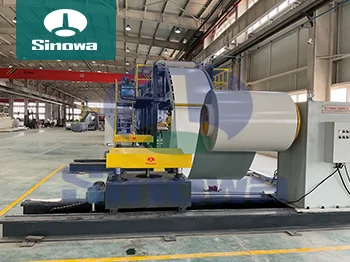
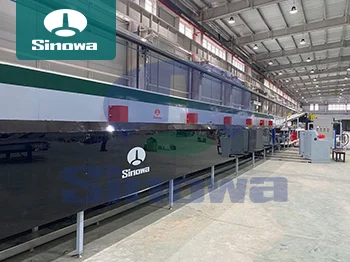
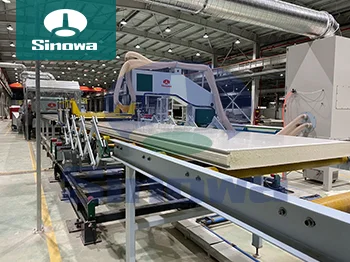
Sinowa is committed to the development and manufacturing of high-end and high-efficiency pur sandwich panel production line. Our pur sandwich panel production line are leading the way in efficiency, automatic control, human-computer interaction, environmental protection and energy consumption. Using system integration and bus control technology, it realizes the automatic integrated linkage control of the entire pur sandwich panel production line, and can achieve remote interactive communication, which has the world-class level and a comprehensive leading high-performance pur sandwich panel production line in the market.
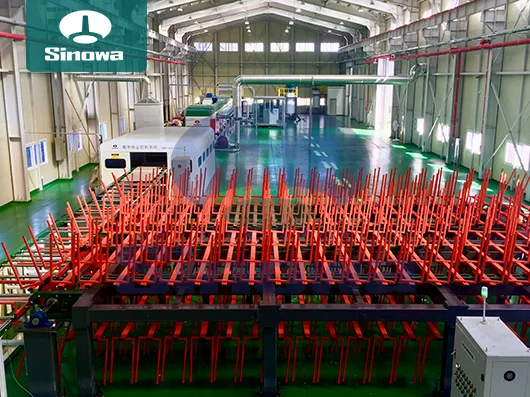
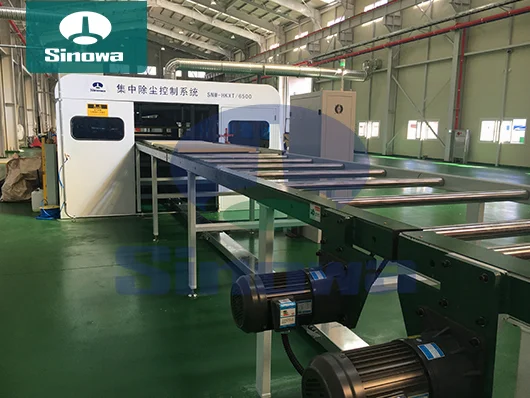
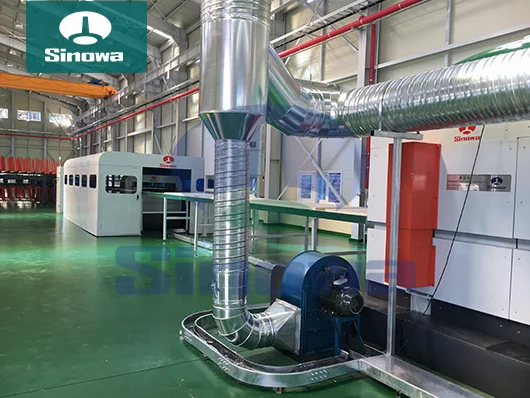
For more than ten years, relying on our innovative manufacturing concept and excellence in quality, reliable and trustworthy service to customers, we cooperate with customers all over the world, exported products to Canada, South Korea, Israel, Australia, the Middle East and other more than 20 countries and regions. contributed to building energy conservation and low-carbon production and have won widespread praise.
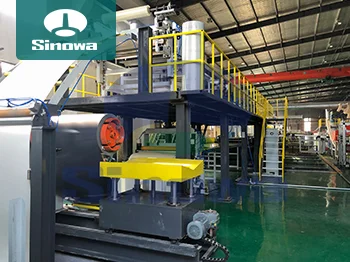
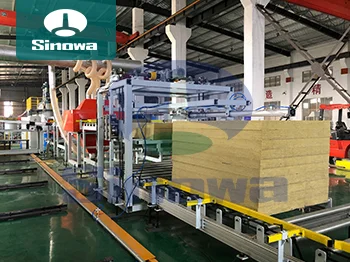
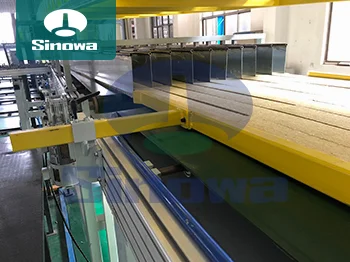
Sinowa has invested outstanding efforts in pur sandwich panel production line, this is why our products are more efficiency, quality, automatic control technology, environmental protection, energy consumption indicators and the appearance and safety protection are comprehensively leading, some subversive design changes in many major technical points, these major innovations make our products excellent in price/performance and user experience.
The pricing of a PUR sandwich panel production line is a comprehensive evaluation result determined by multiple core operational, structural, and functional factors, rather than a fixed numerical value. This automated industrial system is specially developed for continuous mass production of polyurethane composite sandwich panels, widely applied in building enclosure, cold storage insulation, industrial factory construction, and portable housing manufacturing. Its overall value and corresponding market positioning are closely tied to equipment automation level, structural configuration, production efficiency, functional scalability, and operational stability. Unlike single mechanical devices, the full production line integrates raw material processing, chemical foaming, composite lamination, constant-temperature curing, precision cutting, and finished product sorting into one seamless workflow. Understanding the key variables that shape the equipment’s comprehensive performance is essential for users to judge its cost-performance ratio and match their own production demands. Different configuration combinations directly lead to differentiated market positioning, making targeted demand matching the core premise of reasonable equipment selection and budget planning.
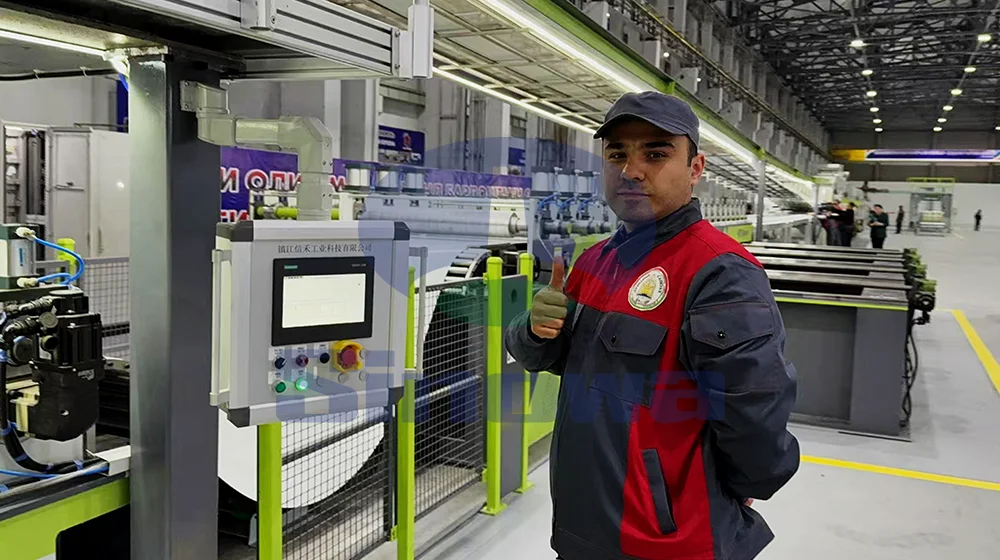
Automation degree serves as the primary factor influencing the overall configuration and value of a PUR sandwich panel production line, fundamentally distinguishing entry-level and high-end equipment models. Low-configuration production lines rely heavily on manual intervention in core links, including manual feeding of metal coils, artificial adjustment of foaming parameters, and manual sorting of finished panels. Such equipment features simple structural design, single functional modules, and limited continuous operation capacity, suitable only for small-batch, low-frequency production scenarios with low output requirements. In contrast, medium and high-automation production lines adopt full-process intelligent control systems, realizing automatic coil unwinding, precise parameter calibration, uniform raw material mixing and injection, and intelligent cutting and stacking. The centralized control system can synchronously adjust the operating speed of each module, dynamically optimize foaming temperature and pressure parameters, and reduce human errors caused by manual operation. Higher automation levels effectively lower long-term labor costs, improve production consistency, and enhance operational safety, which also drives the overall configuration value of the equipment upward. For long-term large-scale production, highly automated lines deliver more stable output quality and higher operational efficiency, forming a more reliable production cycle.
Production efficiency and operational stability are core performance indicators that determine the long-term application value of PUR sandwich panel production lines, and also important bases for equipment configuration differentiation. Production efficiency is mainly reflected in continuous operating speed and single-panel forming cycle, which directly defines the daily and annual output capacity of the entire production system. Entry-level equipment has relatively slow operating speed and obvious limitations in continuous production duration, requiring frequent shutdowns for parameter adjustment and equipment maintenance, resulting in low effective production time. Advanced production lines adopt optimized transmission structures and high-precision power systems, supporting long-term uninterrupted continuous operation with stable operating speed and no frequent shutdown failures. Meanwhile, stable operational performance avoids product quality fluctuations caused by equipment jitter, parameter drift, or component wear. The durable structural design of key components reduces failure rates and extends the service cycle of the equipment. Production lines with high efficiency and strong stability can meet the high-volume production needs of large-scale manufacturing enterprises, effectively improving production capacity per unit time and reducing average production costs of finished panels, thus reflecting higher comprehensive use value in long-term industrial operation.
Core functional module configuration is a key part of differentiating the performance and application scope of PUR sandwich panel production lines, and directly affects the overall equipment configuration grade. A complete production system consists of multiple interconnected functional modules, among which the high-pressure foaming system and double-belt laminating system are the most critical core units. Ordinary basic configuration adopts conventional foaming and mixing structures, with limited accuracy in raw material proportioning and injection uniformity, which may lead to uneven core material density and inconsistent bonding effect of finished panels. Upgraded functional modules are equipped with precision metering and dynamic mixing devices, which can accurately control the proportion of polyurethane raw materials and realize uniform injection between upper and lower surface materials, ensuring consistent foaming effect and stable bonding strength of each panel. In addition, advanced laminating modules can adjust pressure and temperature in real time according to different panel thicknesses and surface materials, adapting to diversified production specifications. Matching curing and cooling modules also optimize the forming quality of sandwich panels, avoiding deformation, bubbling, and delamination problems. The richness and precision of functional modules determine the equipment’s product adaptability and finished product quality, becoming an important factor in defining equipment configuration value.
Product adaptability and production flexibility significantly enhance the comprehensive utilization value of PUR sandwich panel production lines, becoming an important reference for equipment selection and configuration pricing. Different application scenarios require sandwich panels with different specifications, including varying panel thicknesses, surface material types, and structural styles. Basic fixed-mode production lines can only produce single-specification panels with limited compatibility, requiring equipment transformation and parameter resetting when switching product types, which is time-consuming and labor-intensive and affects production continuity. Flexible upgraded production lines support free switching of multiple panel specifications, with adjustable equipment parameters covering a wider range of product sizes. They can adapt to diverse surface materials such as metal color steel plates, aluminum alloy plates, and decorative composite materials, and can produce wall panels, roof panels, and special-shaped insulation panels for different scenarios. The flexible adjustment function enables a single production line to meet diversified market order demands, avoiding the need for multiple sets of equipment for different products. For manufacturers with diversified order structures and flexible production needs, production lines with strong adaptability have higher practical value and market applicability, reflecting more obvious configuration advantages in comprehensive equipment evaluation.
Equipment material selection and manufacturing process determine the durability, wear resistance, and long-term operational performance of PUR sandwich panel production lines, laying the foundation for equipment comprehensive value. The main frame, transmission parts, laminating rollers, and foaming execution components of the production line bear long-term mechanical friction, pressure load, and temperature changes, so material quality directly affects equipment service life and operating stability. Low-cost configured equipment usually adopts ordinary conventional materials and simple processing technology, with poor structural rigidity and wear resistance. Long-term operation is prone to component deformation, surface wear, and structural looseness, requiring frequent replacement of parts and regular maintenance, increasing later operational costs. High-quality production lines adopt high-strength thickened structural materials and precision welding and integral forming processes, with stable overall structure and strong compression and deformation resistance. Key moving parts undergo fine polishing and anti-wear treatment, reducing operating friction and extending component service life. Exterior and internal structural anti-corrosion processes also adapt to long-term industrial production environments, reducing equipment aging speed. Excellent material selection and manufacturing technology reduce failure rates and maintenance costs throughout the equipment life cycle, bringing more stable long-term return on investment.
Intelligent control system and after-sales service support further enrich the comprehensive value connotation of PUR sandwich panel production lines, becoming important auxiliary factors for equipment configuration differentiation. Modern high-end production lines are equipped with intelligent centralized control systems, featuring visual operation interfaces, automatic parameter storage, real-time operation data monitoring, and intelligent fault alarm functions. Operators can complete parameter setting, production monitoring, and equipment debugging through simple operations, realizing standardized and intelligent production management. The system can also record production data for a long time, facilitating production efficiency analysis and quality traceability, and helping enterprises optimize production processes. In terms of after-sales support, complete service systems including equipment installation and commissioning, operational training, regular maintenance guidance, and long-term technical support effectively reduce equipment operational risks. Production lines equipped with perfect intelligent systems and comprehensive after-sales services have higher operational convenience and fault tolerance, avoiding production stagnation caused by improper operation or failure failure. Such auxiliary configuration improvements enhance the overall usability and reliability of the equipment, making the equipment’s comprehensive value more prominent in market competition.
Market demand trend and equipment customization attributes drive the dynamic adjustment of PUR sandwich panel production line configuration value, forming the final market value positioning of the equipment. With the continuous development of modern green building and cold chain logistics industries, the market demand for high-insulation, high-strength, and durable PUR sandwich panels continues to rise, which in turn promotes the upgrading of production line technology and configuration. Standardized conventional production lines with fixed configurations are suitable for most conventional production needs, with relatively stable market value and high cost performance for mass standardized production. Customized production lines tailored to special production needs, such as ultra-thick panel production, high-precision surface treatment, and special environmental adaptation, require targeted structural optimization and functional upgrading, with higher overall configuration difficulty and technical content, thus having higher comprehensive value. In addition, the iteration of industrial production technology promotes the continuous optimization of equipment energy-saving performance and environmental protection indicators. New-generation production lines with energy-saving and low-consumption designs can effectively reduce long-term production energy consumption, bringing higher economic benefits for users. The combination of market demand changes and customized technical upgrades makes the comprehensive value of production lines present diversified hierarchical characteristics, meeting the differentiated production layout needs of different manufacturers.
« PUR Sandwich Panel Production Line Price » Update Date: 2026/9/21
Tags: Continuous PUR Sandwich Panel Production Line , PUR Sandwich Panel Production Line , pur sandwich panel production line, pur sandwich panel production line manufacturer, pur sandwich panel production line supplier, pur sandwich panel production line for sale, customized pur sandwich panel production line, china pur sandwich panel production line
- PU Sandwich Panel Line Price
- High-quality PU Board Production Line
- PU Sandwich Panel Making Machine Factory
- Polyurethane Sandwich Panel Machine Factory
- Continuous Sandwich Panel Production Line Design
- PIR Sandwich Panel Production Line For Clean Room
- PU Sandwich Panel Line From China
- PU Insulation Panel Production Line Factory
- Metal Sandwich Panel Production Line On Sales
- PU Insulation Board Production Line Manufacturer
- Continuous Sandwich Panel Line On Sales
- PU Isolation Panel Production Line
- PUR Sandwich Panel Line On Sales
- Custom Corrugated Sandwich Panel Production Line
- Glass Wool Sandwich Panel Line Price
- PUF Panel Manufacturing Machine Design
- PU Foam Production Line For Building
- PU Foam Production Line Material
- High-quality PIR Insulation Panel Production Line
- Custom PIR Insulated Panel Production Line
- Links:
- Sandwich Panel Continuous Production Line
- Automatic and Continuous Sandwich Panel Production Line
- Cheap and Low Price Sandwich Panel Production Line
- China Sandwich Panel Production Line Factory
- Color Steel Sandwich Panel Production Line For Cold Storage
- Continuous Composite Foam Sandwich Panel Production Line
- Continuous Production Line For Rockwool and Mineral Wool Sandwich Panels
- Continuous PU Phenolic Insulation Panel Production Line
- Continuous PU PIR Sandwich Panel Production Line
- Continuous PUF PUR Sandwich Panel Production Line
- Continuous Sandwich Panel Production Line For Roof and Wall
- Customized and Design Sandwich Panel Production Line
- Decorative Sandwich Panel Production Line For Glass Wool Boards
- High Quality Sandwich Panel Production Line For Sale
- Polyurethane(PU) Sandwich Panel Production Line
- Sandwich Panel Production Line Manufacturer and Supplier
- Sandwich Panel Production Machinery and Equipment