
Sandwich Panel Production Machinery On Sales
Sinowa is a well-known manufacturer and technical service provider of high-end sandwich panel production machinery, learn more about sandwich panel production machinery on sales, please contact Sinowa's technical engineer, tell us what you need, we will contact you as soon as possible!
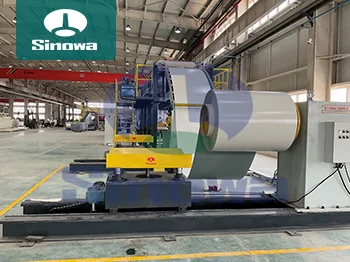
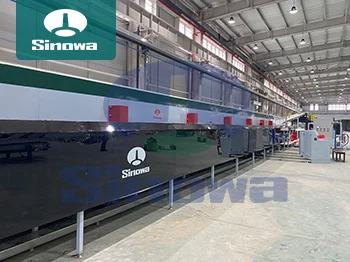
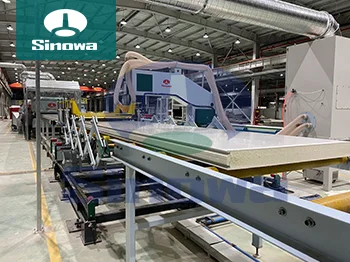
Sinowa is committed to the development and manufacturing of high-end and high-efficiency sandwich panel production machinery. Our sandwich panel production machinery are leading the way in efficiency, automatic control, human-computer interaction, environmental protection and energy consumption. Using system integration and bus control technology, it realizes the automatic integrated linkage control of the entire sandwich panel production machinery, and can achieve remote interactive communication, which has the world-class level and a comprehensive leading high-performance sandwich panel production machinery in the market.
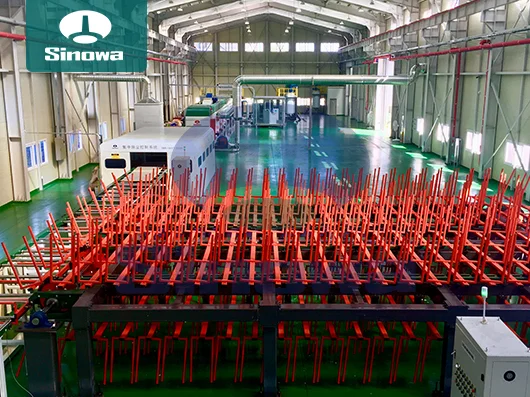
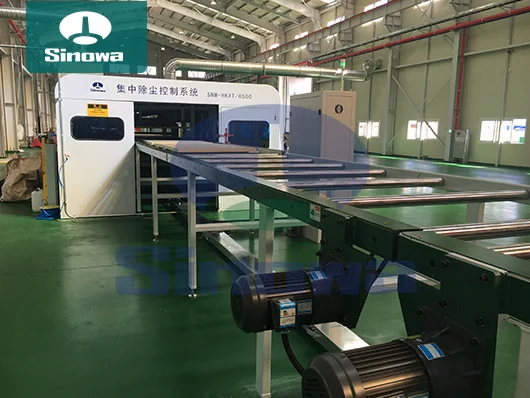
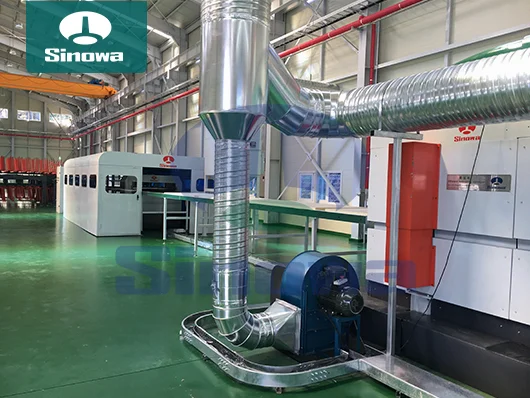
For more than ten years, relying on our innovative manufacturing concept and excellence in quality, reliable and trustworthy service to customers, we cooperate with customers all over the world, exported products to Canada, South Korea, Israel, Australia, the Middle East and other more than 20 countries and regions. contributed to building energy conservation and low-carbon production and have won widespread praise.
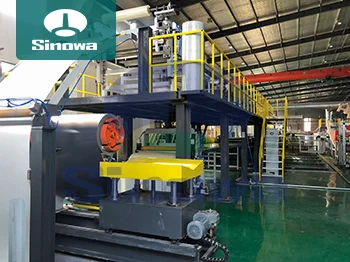
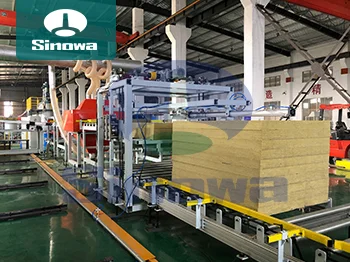
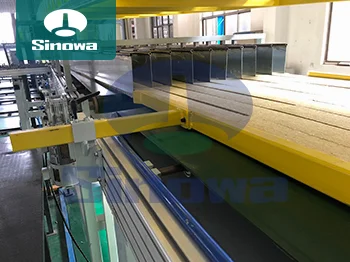
Sinowa has invested outstanding efforts in sandwich panel production machinery, this is why our products are more efficiency, quality, automatic control technology, environmental protection, energy consumption indicators and the appearance and safety protection are comprehensively leading, some subversive design changes in many major technical points, these major innovations make our products excellent in price/performance and user experience.
Sandwich panel production machinery has emerged as a core industrial equipment in the modern lightweight construction industry, serving as the fundamental support for manufacturing high-performance composite building panels. This integrated production system is designed to complete continuous and automated manufacturing of multi-layer composite panels, combining metal surface shaping, core material filling, adhesive bonding, high-pressure lamination, and fixed-length cutting into one streamlined workflow. The equipment is tailored to produce diverse sandwich panels with different core materials, including foam-based and mineral wool-based insulation cores, which are widely applied in architectural enclosure, thermal insulation, and modular construction fields. With the booming demand for energy-saving and fast-built building materials globally, sales of sandwich panel production machinery have maintained steady growth, favored by processing enterprises for its high production efficiency, stable operation, and flexible product adaptability. Modern upgraded machinery abandons traditional discrete processing modes, realizing full-process intelligent control, effectively reducing manual intervention, improving finished panel uniformity, and lowering comprehensive production costs, making it an essential investment for medium and large building material production bases.
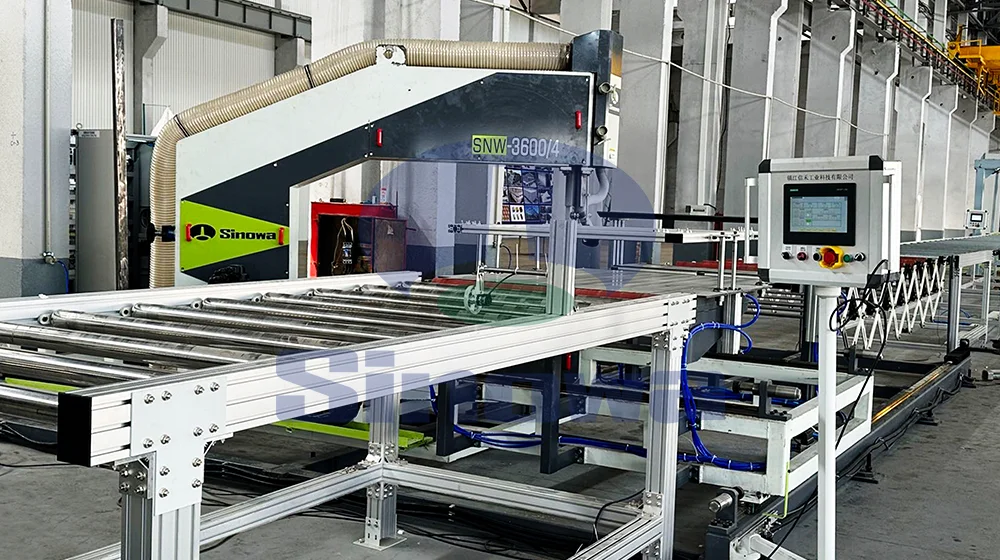
The overall structural composition of mainstream sandwich panel production machinery is highly modular and systematic, with each functional unit operating in precise coordination to ensure uninterrupted continuous production. The complete production line mainly consists of material unwinding and pretreatment units, roll forming systems, adhesive coating mechanisms, core material feeding and laying devices, constant-temperature lamination pressing units, intelligent cutting systems, and finished product conveying and stacking modules. Each module is independently optimized for professional functions while maintaining seamless docking with upstream and downstream processes. The unwinding unit adopts a stable tension control structure, which can evenly release metal coil raw materials and avoid sheet wrinkling, stretching or deviation during feeding, laying a solid foundation for subsequent precise processing. The pretreatment module further cleans and activates the surface of metal sheets, removing surface dust and attachments to enhance the adhesion between surface materials and core layers. This modular structural design not only improves the overall operational stability of the equipment but also facilitates daily maintenance, partial component replacement, and functional debugging, greatly reducing equipment downtime and maintenance costs in long-term industrial operation.
Roll forming technology is one of the core functional links of sandwich panel production machinery, determining the dimensional accuracy and structural diversity of finished panel surfaces. This processing unit is equipped with multi-stage precision rolling groups arranged in an orderly gradient, which gradually shapes flat metal sheets into various customized profile structures through continuous low-pressure extrusion and rolling. Different from single-pass forming equipment, the multi-stage rolling design avoids excessive local stress on metal materials, effectively preventing sheet deformation, cracking or uneven thickness after molding. The rolling speed and pressure of each group of rollers support stepless adjustable parameters, which can be flexibly adjusted according to different metal thicknesses, panel width and profile requirements. In actual production, the intelligent linkage system synchronizes the roll forming speed with the overall line operating speed to ensure consistent feeding and forming rhythms. This precise forming process enables the surface layers of sandwich panels to have smooth surfaces, accurate geometric dimensions and stable structural rigidity, which not only improves the overall appearance quality of finished products but also enhances the assembly matching degree of panels in actual construction applications, laying a key foundation for the structural stability of building enclosure systems.
Gluing and core material laying systems are key functional modules that affect the bonding strength and insulation performance of sandwich panels, and modern sales-oriented machinery has achieved highly optimized intelligent control in these links. The automatic gluing device adopts quantitative and uniform spraying technology, which can evenly coat high-performance adhesive on the inner surface of upper and lower metal sheets according to preset program parameters. The intelligent quantitative feeding mode effectively avoids excessive or insufficient glue application, preventing glue accumulation, degumming or hollow bonding of panels in subsequent use. Meanwhile, the core material feeding mechanism supports adaptive switching according to different core material characteristics. For liquid foaming core materials, the equipment realizes precise proportional mixing and uniform injection of chemical raw materials, making full use of the exothermic foaming reaction to form a dense and uniform insulation core layer. For solid core materials such as mineral wool, the mechanical auxiliary laying and positioning structure ensures flat and neat core material arrangement without dislocation or gap. The synchronous coordination of gluing and core laying processes ensures a tight composite structure of panels, effectively improving the overall thermal insulation, sound insulation and structural stability of finished products.
Constant-temperature lamination and pressing units are the core equipment to realize the integral composite molding of sandwich panels, directly determining the compactness and service life of finished products. The mainstream hot-selling machinery is equipped with a double-belt continuous pressing structure, which uses upper and lower endless steel belts to apply uniform and stable pressure to the composite panel raw materials in the full-width and full-length range. Different from intermittent pressing equipment, the continuous pressing mode realizes one-time integral molding in the moving state, avoiding local pressure unevenness and layered gaps caused by segmented pressing. The internal temperature and pressure of the pressing zone support independent intelligent adjustment, which can match the curing requirements of different adhesive materials and core materials. During the pressing and curing process, the equipment can precisely control the molding thickness of panels through height adjustment of the upper belt, ensuring consistent thickness of each batch of finished products. The closed constant-temperature curing environment optimizes the adhesive curing reaction efficiency, making the bonding interface between the surface layer and the core layer more firm and stable. This advanced pressing and curing technology effectively solves common quality problems such as panel delamination, bulging and uneven hardness, greatly improving the overall qualification rate and durability of produced sandwich panels.
Intelligent cutting and post-processing systems reflect the high automation level of modern sandwich panel production machinery, greatly improving production flexibility and finished product standardization. After the integrated composite molding and curing of panels, the intelligent cutting unit automatically identifies the production length and completes fixed-length precision cutting according to preset parameter settings. Equipped with high-speed precision cutting tools and stable positioning fixtures, the equipment ensures flat and smooth cutting sections without burrs, deformation or edge warping, eliminating the need for secondary manual trimming. The cutting system supports flexible switching of different length specifications, which can meet the customized production needs of panels for different construction scenarios. In addition, the post-processing module is equipped with automatic conveying, sorting and stacking functions. The finished panels after cutting are stably transported to the stacking area through the intelligent conveying line, and the automatic stacking device completes orderly stacking and arrangement, which is convenient for subsequent packaging, transportation and storage. The full-automatic post-processing link reduces manual contact in the production process, avoids secondary pollution and damage to finished products, and greatly improves production efficiency and workshop management standardization.
The operational stability and energy-saving performance of sandwich panel production machinery are important factors driving its strong market sales competitiveness in the industrial equipment market. Modern optimized production machinery adopts a fully integrated power drive system and intelligent frequency conversion control technology, which can automatically adjust the operating power and operating speed according to actual production load changes. This intelligent energy-saving operation mode effectively avoids idle power consumption and excessive energy loss during high-load operation, significantly reducing the long-term energy consumption cost of production enterprises. In terms of operational stability, the equipment is equipped with multiple fault self-detection and early warning mechanisms, which can real-time monitor the operating status of key components such as feeding, forming, pressing and cutting. Once abnormal parameters such as material blockage, speed mismatch and temperature deviation are detected, the system will automatically trigger early warning and fine adjustment, and even realize safe shutdown protection to avoid equipment failure and product quality defects. The whole machine adopts high-strength wear-resistant structural materials and precision assembly technology, which reduces component wear and failure rate in long-term continuous industrial production, extending the overall service life of the equipment and creating higher long-term economic benefits for users.
With the continuous upgrading of the construction industry's requirements for building material performance and production efficiency, the market prospect of sandwich panel production machinery continues to expand, and equipment upgrading and iteration trends are increasingly obvious. The current hot-selling production machinery is gradually developing towards higher intelligence, stronger compatibility and more flexible customization. The upgraded equipment can adapt to the production of multi-specification and multi-material composite panels, realizing one-line multi-purpose production and effectively improving the equipment utilization rate of production enterprises. In addition, the intelligent remote monitoring and data management function of new-generation machinery enables operators to remotely view production data, adjust operating parameters and record production information, realizing digital and refined production management. As the construction industry continues to advance towards energy conservation, environmental protection and rapid assembly, the market demand for high-quality sandwich panels will continue to rise, which will further drive the continuous sales growth and technical innovation of supporting production machinery, making it a promising core equipment in the field of building material intelligent manufacturing.
« Sandwich Panel Production Machinery On Sales » Update Date: 2026/8/31
- Isolation PU Sandwich Panel Line For Sale
- High-end Glass Wool Sandwich Panel Production Line
- PUF Panel Manufacturing Machine For Sale
- Cheap Automatic Sandwich Panel Production Line
- Fully Automatic PU Sandwich Panel Machine
- Decorative Sandwich Panel Line Supplier
- High-tech PIR Insulated Panel Production Line
- Low Price Foam Sandwich Panel Machine
- Foam Sandwich Panel Machine
- Polyurethane Foam Production Line For Clean Room
- PIR Sandwich Panel Production Line For Sale
- Composite Panel Production Line Design
- Exterior Wall Insulation Panel Production Line
- Low Price Continuous Sandwich Panel Line
- High-end Polyurethane Insulation Panel Production Line
- Decorative PU Sandwich Panel Production Line Factory
- Continuous PU Sandwich Panel Line For Building
- Polyurethane Sandwich Panel Production Line In China
- High-quality Isolation PU Sandwich Panel Line
- External Wall Insulation Panel Production Line
- Links:
- Sandwich Panel Continuous Production Line
- Automatic and Continuous Sandwich Panel Production Line
- Cheap and Low Price Sandwich Panel Production Line
- China Sandwich Panel Production Line Factory
- Color Steel Sandwich Panel Production Line For Cold Storage
- Continuous Composite Foam Sandwich Panel Production Line
- Continuous Production Line For Rockwool and Mineral Wool Sandwich Panels
- Continuous PU Phenolic Insulation Panel Production Line
- Continuous PU PIR Sandwich Panel Production Line
- Continuous PUF PUR Sandwich Panel Production Line
- Continuous Sandwich Panel Production Line For Roof and Wall
- Customized and Design Sandwich Panel Production Line
- Decorative Sandwich Panel Production Line For Glass Wool Boards
- High Quality Sandwich Panel Production Line For Sale
- Polyurethane(PU) Sandwich Panel Production Line
- Sandwich Panel Production Line Manufacturer and Supplier