
PU Sandwich Panel Production Line For Roof
Sinowa is a well-known manufacturer and technical service provider of high-end pu sandwich panel production line, learn more about pu sandwich panel production line for roof, please contact Sinowa's technical engineer, tell us what you need, we will contact you as soon as possible!
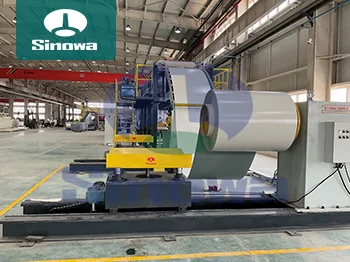
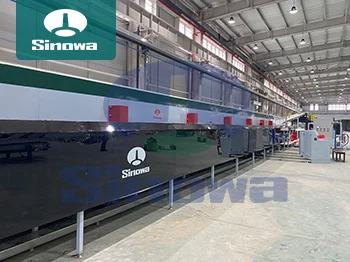
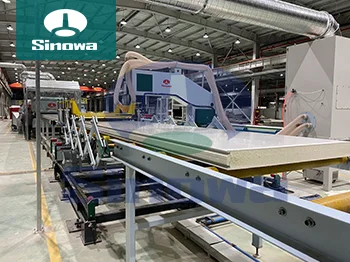
Sinowa is committed to the development and manufacturing of high-end and high-efficiency pu sandwich panel production line. Our pu sandwich panel production line are leading the way in efficiency, automatic control, human-computer interaction, environmental protection and energy consumption. Using system integration and bus control technology, it realizes the automatic integrated linkage control of the entire pu sandwich panel production line, and can achieve remote interactive communication, which has the world-class level and a comprehensive leading high-performance pu sandwich panel production line in the market.
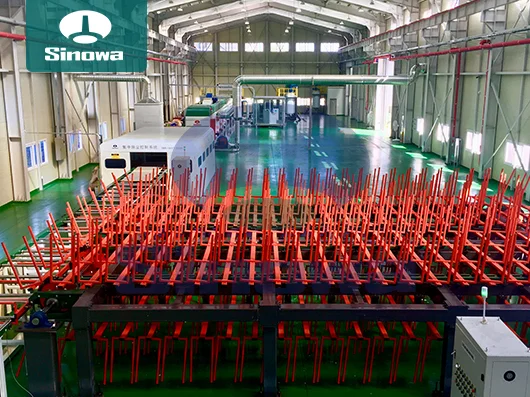
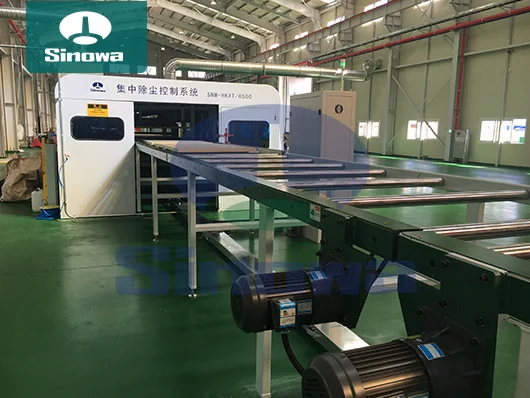
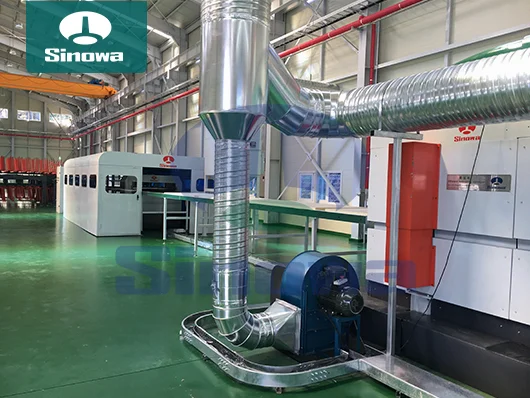
For more than ten years, relying on our innovative manufacturing concept and excellence in quality, reliable and trustworthy service to customers, we cooperate with customers all over the world, exported products to Canada, South Korea, Israel, Australia, the Middle East and other more than 20 countries and regions. contributed to building energy conservation and low-carbon production and have won widespread praise.
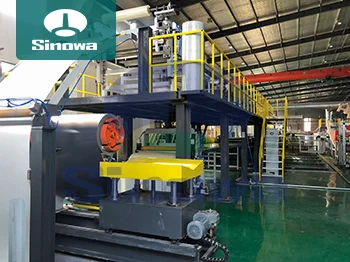
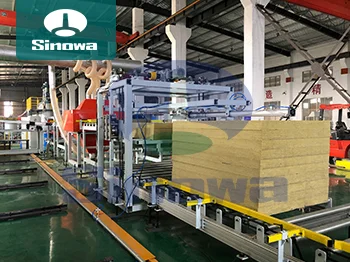
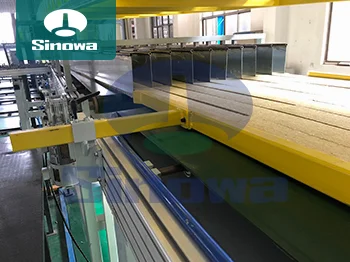
Sinowa has invested outstanding efforts in pu sandwich panel production line, this is why our products are more efficiency, quality, automatic control technology, environmental protection, energy consumption indicators and the appearance and safety protection are comprehensively leading, some subversive design changes in many major technical points, these major innovations make our products excellent in price/performance and user experience.
In the modern construction industry, the demand for efficient, high-performance, and energy-saving building materials has been consistently on the rise, especially for roof applications where thermal insulation, structural stability, and weather resistance are of paramount importance. Among various building materials available, PU sandwich panels have emerged as a preferred choice for roof construction due to their exceptional combination of lightweight properties, superior thermal insulation, soundproofing capabilities, and long-term durability. The production of these high-quality roof panels is largely dependent on advanced manufacturing equipment, and the PU sandwich panel production line specifically designed for roof applications stands out as a pivotal solution that revolutionizes the production process, ensuring consistent quality and high efficiency. This integrated production system not only streamlines the manufacturing process but also adheres to the evolving requirements of sustainable construction, making it an indispensable part of modern building material production.
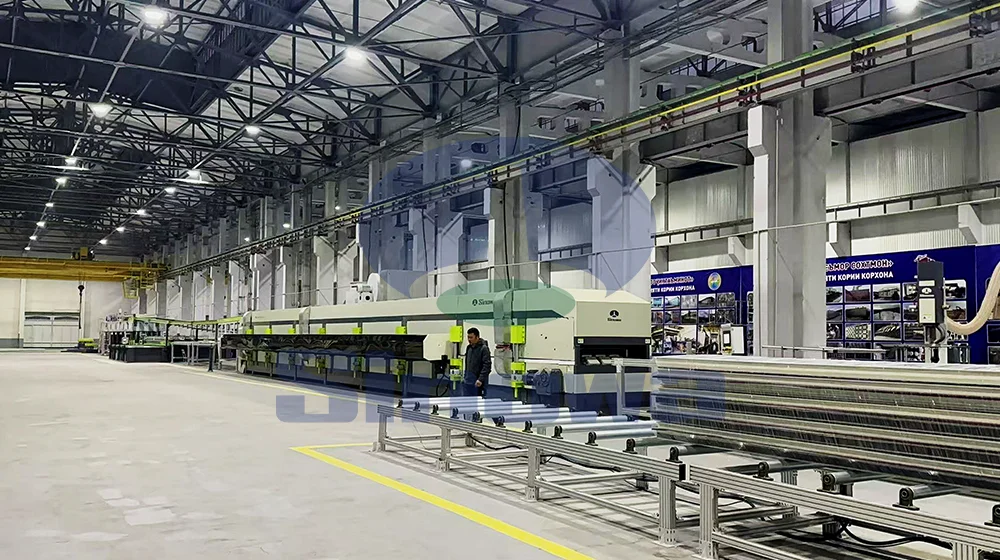
A PU sandwich panel for roofs typically consists of two outer facing materials and a middle core of polyurethane (PU) foam, forming a stable "sandwich" structure that combines the advantages of each component. The outer facings, usually made of galvanized steel, galvalume, or aluminum sheets, provide structural strength, corrosion resistance, and weather protection, while the PU foam core acts as the primary insulation layer, offering excellent thermal performance and sound absorption. The production line for these panels is a complex integrated system that combines mechanical engineering, electronic control, and chemical material technology, enabling the seamless and continuous production from raw material feeding to finished product stacking with minimal manual intervention.
The working principle of the PU sandwich panel production line for roof revolves around the precise coordination of multiple functional modules, each playing a crucial role in ensuring the quality and efficiency of the final product. Unlike traditional discontinuous production methods that involve intermittent processing and manual handling, the modern continuous production line operates in a streamlined manner, allowing for the non-stop fabrication of PU sandwich panels with consistent specifications. The core process starts with the preparation and handling of raw materials, followed by surface material forming, PU foam mixing and pouring, lamination and curing, and finally finished product processing and stacking. Each module operates in perfect synchronization under the control of an advanced automated system, ensuring that every stage of the production process is carried out with high precision and efficiency.
Raw material handling is the initial and critical stage of the production process, as the quality of raw materials directly affects the performance of the final roof panels. The production line is equipped with multiple uncoiling machines that can handle different types of surface material coils, including galvanized steel, galvalume, and aluminum sheets. These uncoiling machines are often equipped with tension control systems to prevent surface material deformation during the uncoiling process, ensuring a stable and continuous supply of materials. Before entering the subsequent forming process, the surface materials undergo a series of pretreatment steps to enhance their bonding strength with the PU foam core. This pretreatment may include cleaning to remove oil stains and oxides, leveling to eliminate wrinkles or deformations caused during storage and transportation, and preheating to reach an optimal temperature for bonding. Some production lines may also include an optional film laminating device to enhance the weather resistance and aesthetic appeal of the surface materials, making the roof panels more durable in harsh environmental conditions.
After pretreatment, the surface materials are fed into the forming system, which is responsible for shaping the flat coils into the required profile for roof applications. The forming system typically consists of a multi-roll continuous forming machine with 16 to 24 composition roller wheels that progressively shape the surface materials into the desired cross-section. This process is controlled by a hydraulic servo system that ensures precise control of forming pressure and speed, resulting in consistent profile dimensions and smooth surface finish. The forming system also features a quick mold changing device, allowing for the switching between different panel types and specifications within a short time without extensive reconfiguration, which enhances the flexibility of the production line to meet diverse customer needs.
The core part of the production process is the mixing and pouring of the PU foam, which determines the thermal insulation and structural performance of the roof panels. The PU foam is formed through a chemical reaction between isocyanate and polyol, combined with foaming agents, catalysts, and other additives. These raw materials are stored in separate tanks and transported to a high-pressure metering system, which accurately controls the proportion of each component according to the required specifications of the PU core. The precise metering of raw materials is critical, as any deviation in the mixing ratio can affect the foaming reaction and the final properties of the foam core. The high-pressure foaming machine uses a metering pump to deliver the raw materials to a mixing head, which adopts a self-cleaning design to ensure thorough mixing of the components with a mixing efficiency of over 98%. The mixed foam is then evenly poured onto the bottom surface material as it moves along the production line.
Following the pouring of the PU foam, the lamination and curing process takes place, where the upper and lower surface materials are bonded with the foam core to form the integrated sandwich structure. The production line is equipped with a double-track laminating machine that features heating pressure plates and circulating steel strips on the upper and lower sides, forming an adjustable height forming channel. The temperature and pressure within this channel are precisely controlled by an advanced temperature control system, which ensures that the PU foam undergoes optimal foaming and curing reactions. The curing process is crucial for the structural integrity of the panels, as it allows the foam to expand and bond firmly with the surface materials. The lamination system also includes an online thickness gauge that monitors the panel thickness in real time with an accuracy of ±0.2 mm, ensuring that the panels meet the required thickness specifications.
After the lamination and curing process, the continuous panel is fed into the cutting system, which trims the panel into the desired length. The cutting system typically uses a flying saw cutting machine controlled by a servo system, which ensures high cutting accuracy of ±1 mm even at high production speeds. The cutting machine can be adjusted to different lengths according to customer requirements, ranging from 2 meters to 15 meters or more. Some advanced production lines also feature an automatic cutting optimization system that minimizes material waste by calculating the optimal cutting length based on the required panel sizes.
Once the panels are cut to size, they are transferred to the cooling and stacking system. The cooling system ensures that the panels are fully cured and stabilized before stacking, preventing deformation or damage. The stacking system, which may use a robotic arm or vacuum suction cup design, automatically stacks the finished panels in an orderly manner, minimizing manual handling and reducing the risk of damage. The stacked panels are then ready for packaging and transportation to construction sites.
The PU sandwich panel production line for roof is characterized by its high degree of automation, which significantly reduces labor intensity and improves production efficiency. A standard continuous production line can produce 150 to 300 square meters of panels per hour, which is 10 to 15 times higher than manual production methods. The automated control system, usually based on PLC technology, allows for the centralized control and monitoring of the entire production process, enabling operators to adjust parameters such as production speed, foam mixing ratio, and temperature with ease. This not only ensures consistent product quality but also reduces the risk of human error, leading to a lower rejection rate.
Another key feature of modern PU sandwich panel production lines is their adaptability and flexibility. These lines can be adjusted to produce roof panels of different specifications, including varying thicknesses (ranging from 40 mm to 200 mm), widths, and surface materials, without the need for extensive modifications. This adaptability is crucial for meeting the diverse requirements of different construction projects, from industrial warehouses and logistics centers to commercial buildings and residential complexes. Some production lines also support the switching between different core materials, such as PU, PIR, or mineral wool, in a short time, further enhancing their versatility.
Energy efficiency and environmental friendliness are also important considerations in the design of modern PU sandwich panel production lines. Many lines adopt a frequency conversion control system, which allows for the stepless adjustment of motor speed according to actual production needs, reducing energy consumption by optimizing the production process. Additionally, advanced lines incorporate energy recovery systems that capture and reuse process heat, further reducing energy waste. The closed-loop chemical systems used in the foaming process ensure high material utilization, with some lines achieving a material utilization rate of up to 97%. These features not only reduce production costs but also align with the global trend towards sustainable and eco-friendly construction.
The PU sandwich panels produced by these lines offer numerous advantages for roof applications, making them increasingly popular in the construction industry. Their exceptional thermal insulation performance, with a thermal conductivity of ≤0.024 W/m·K, significantly reduces heat transfer through the roof, keeping interiors cooler in summer and warmer in winter without over-reliance on HVAC systems. This can lead to energy savings of up to 40% compared to traditional roofing materials. The lightweight nature of the panels, combined with their high structural strength, makes them easy to transport and install, reducing construction time and labor costs. Additionally, the panels offer excellent weather resistance, corrosion resistance, and soundproofing capabilities, ensuring long-term durability and comfort in various environmental conditions.
In industrial and commercial construction, roof panels produced by these lines are widely used in warehouses, logistics centers, cold storage facilities, and manufacturing plants. Their superior thermal insulation makes them ideal for cold storage facilities, where maintaining a stable temperature is critical. In addition, their fire resistance properties, when combined with appropriate additives, make them suitable for use in buildings with strict fire safety requirements. The panels are also used in residential construction, particularly in prefabricated homes, where their quick installation and energy efficiency offer significant benefits.
As the construction industry continues to evolve towards industrialization and sustainability, the demand for advanced PU sandwich panel production lines for roof applications is expected to grow. Future developments in production line technology are likely to focus on further improving automation, integrating artificial intelligence for quality control and predictive maintenance, and enhancing environmental performance. AI-powered quality control systems, for example, can perform real-time surface inspections at a rate of 120 inspections per minute, ensuring that any defects are detected and addressed promptly. Predictive maintenance algorithms can also help reduce downtime by identifying potential equipment issues before they occur, improving the overall efficiency and reliability of the production line.
In conclusion, the PU sandwich panel production line for roof is a sophisticated and efficient manufacturing system that plays a crucial role in meeting the growing demand for high-performance, energy-saving roofing materials. By integrating advanced automation, precise control systems, and flexible design, these production lines ensure the consistent production of high-quality PU sandwich panels that offer superior thermal insulation, structural strength, and durability. As the construction industry continues to prioritize sustainability and efficiency, the importance of these production lines will only increase, driving further innovations and improvements in the years to come. Whether for large-scale industrial projects or small residential developments, the PU sandwich panel production line for roof provides a reliable and cost-effective solution for modern roofing needs.
« PU Sandwich Panel Production Line For Roof » Update Date: 2026/4/16
Tags: Fully Automatic PU Sandwich Panel Production Line , Decorative PU Sandwich Panel Production Line , Continuous PU Sandwich Panel Production Line , PU Sandwich Panel Production Line ,
- Continuous PU Sandwich Panel Line For Clean Room
- Cheap Polyurethane Sandwich Panel Line
- Sandwich Panel Production Line Design
- Sandwich Panel Foam Making Machine Manufacturer
- Polyurethane Foam Production Line Supplier
- Cheap Decorative PU Sandwich Panel Production Line
- Sandwich Wall Panel Production Line Manufacturer
- Custom Sandwich Panel Foam Production Line
- Customized Isolation PU Sandwich Panel Line
- PIR Sandwich Panel Line For Wall
- Cheap Foam Core Sandwich Panel Line
- High-tech Decorative Sandwich Panel Line
- High-quality Color Steel Sandwich Panel Production Line
- Soundproofing Sandwich Panel Production Line In China
- Cheap Wall Sandwich Panel Production Line
- Isolation Sandwich Panel Production Line
- Continuous Sandwich Panel Production Line For Sale
- Insulated Sandwhich Panel Production Line Factory
- Foam Core Sandwich Panel Line On Sales
- High-tech Glass Wool Production Line
- Links:
- Sandwich Panel Continuous Production Line
- Automatic and Continuous Sandwich Panel Production Line
- Cheap and Low Price Sandwich Panel Production Line
- China Sandwich Panel Production Line Factory
- Color Steel Sandwich Panel Production Line For Cold Storage
- Continuous Composite Foam Sandwich Panel Production Line
- Continuous Production Line For Rockwool and Mineral Wool Sandwich Panels
- Continuous PU Phenolic Insulation Panel Production Line
- Continuous PU PIR Sandwich Panel Production Line
- Continuous PUF PUR Sandwich Panel Production Line
- Continuous Sandwich Panel Production Line For Roof and Wall
- Customized and Design Sandwich Panel Production Line
- Decorative Sandwich Panel Production Line For Glass Wool Boards
- High Quality Sandwich Panel Production Line For Sale
- Polyurethane(PU) Sandwich Panel Production Line
- Sandwich Panel Production Line Manufacturer and Supplier