
Systems For Glass Wool Production
Sinowa is a well-known manufacturer and technical service provider of high-end glass wool sandwich panel production line, learn more about systems for glass wool production, please contact Sinowa's technical engineer, tell us what you need, we will contact you as soon as possible!
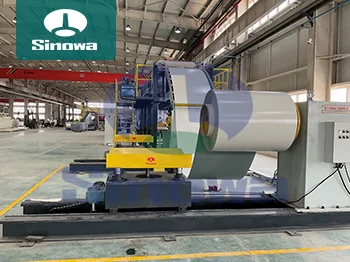
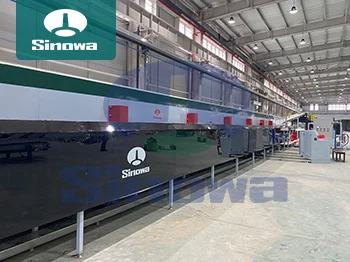
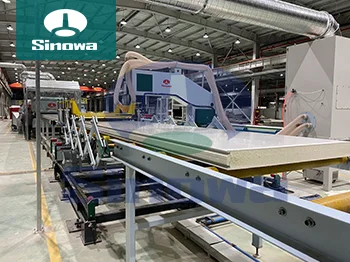
Sinowa is committed to the development and manufacturing of high-end and high-efficiency glass wool sandwich panel production line. Our glass wool sandwich panel production line are leading the way in efficiency, automatic control, human-computer interaction, environmental protection and energy consumption. Using system integration and bus control technology, it realizes the automatic integrated linkage control of the entire glass wool sandwich panel production line, and can achieve remote interactive communication, which has the world-class level and a comprehensive leading high-performance glass wool sandwich panel production line in the market.
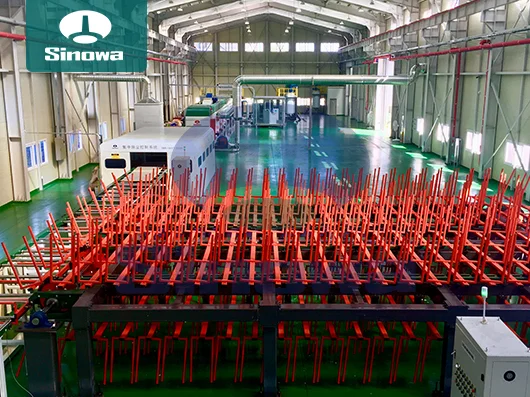
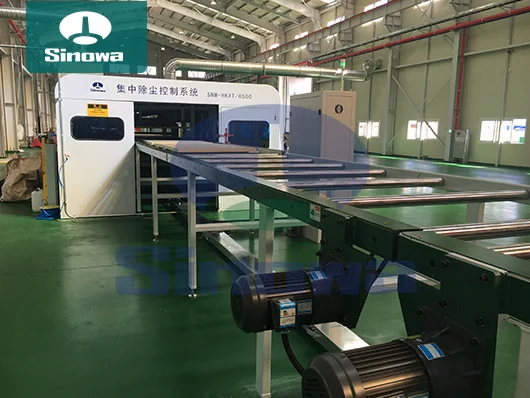
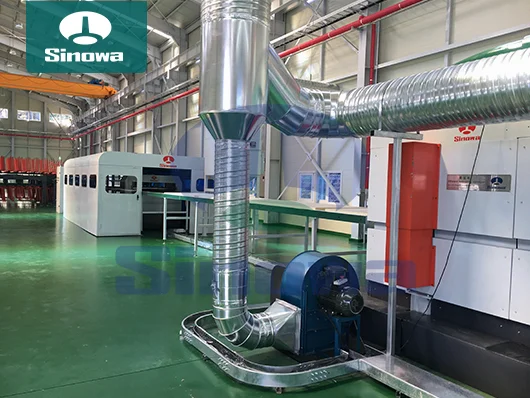
For more than ten years, relying on our innovative manufacturing concept and excellence in quality, reliable and trustworthy service to customers, we cooperate with customers all over the world, exported products to Canada, South Korea, Israel, Australia, the Middle East and other more than 20 countries and regions. contributed to building energy conservation and low-carbon production and have won widespread praise.
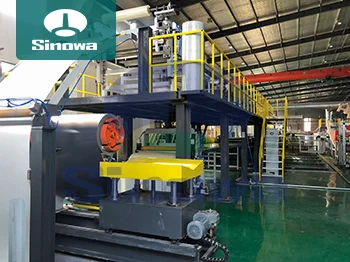
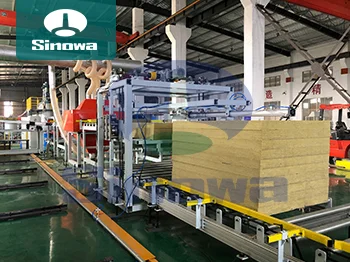
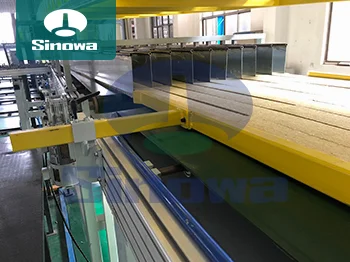
Sinowa has invested outstanding efforts in glass wool sandwich panel production line, this is why our products are more efficiency, quality, automatic control technology, environmental protection, energy consumption indicators and the appearance and safety protection are comprehensively leading, some subversive design changes in many major technical points, these major innovations make our products excellent in price/performance and user experience.
The glass wool sandwich panel production line system is a highly integrated, automated manufacturing solution designed for the continuous production of high-performance composite insulation panels. Centered on the core integration of metal facing materials and glass wool fiber cores, this systematic production equipment integrates multiple functional units to complete full-process processing from raw material pretreatment, composite bonding, thermal curing, and shaping to fixed-length cutting and finished product sorting. Different from traditional intermittent production equipment, the system realizes streamlined and uninterrupted operation, effectively balancing production efficiency and product molding quality. Glass wool, as the core filling material of the panel, endows the finished product with excellent thermal insulation, sound absorption and fire resistance, while the automated production line ensures the consistency of panel structure, thickness and performance. Widely applied in the manufacturing of building enclosure materials, industrial insulation components and environmental protection facilities, the system has become a core equipment for the standardized production of new energy-saving building materials, adapting to the growing market demand for high-quality insulation composite panels.
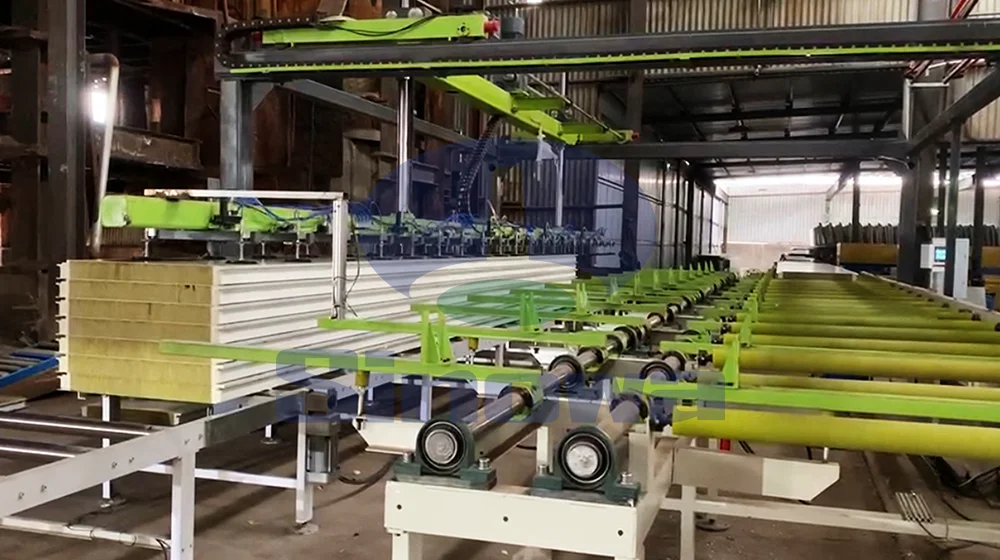
The overall structural composition of the glass wool sandwich panel production line system is modular and hierarchical, with each functional module operating independently while maintaining precise collaborative linkage to support continuous and stable production. The entire system can be divided into four core functional areas: raw material pretreatment unit, composite lamination unit, thermal curing molding unit, and post-processing finishing unit. The raw material pretreatment unit undertakes the processing of metal coil facings and glass wool core materials, including uncoiling, leveling, surface cleaning and fiber sorting, which lays a foundation for subsequent composite bonding by eliminating material surface defects and uneven fiber distribution. The composite lamination unit is the core link of panel forming, responsible for uniform adhesive spraying, accurate core material laying and synchronous pressing and fitting of upper and lower metal facings. The thermal curing molding unit provides a constant-temperature heating environment to promote adhesive curing and stable bonding between layers. The post-processing finishing unit completes fixed-length cutting, edge trimming, surface inspection and automatic stacking of semi-finished panels. Each module is equipped with an independent speed regulation and error correction mechanism, which can adapt to different material specifications and production requirements, ensuring the orderly progress of each production link and avoiding processing errors caused by asynchronous equipment operation.
Raw material pretreatment technology is the primary guarantee for the stable operation of the glass wool sandwich panel production line system and the key to improving the yield of finished panels. For metal coil facings, the system adopts a multi-stage leveling and tension control technology. The uncoiling device releases metal coils at a constant speed, and the precision leveling roller group corrects the micro-deformation and bending of the plate surface generated during coil winding, ensuring the flatness of the facing materials. Meanwhile, the automatic surface cleaning mechanism removes dust, oil stains and impurities on the metal surface, which effectively improves the adhesion effect of subsequent adhesives and avoids interlayer peeling of finished panels. For glass wool core materials, the system is equipped with a professional fiber opening and uniform laying device. The compacted glass wool raw materials are fully dispersed through mechanical opening to eliminate fiber agglomeration and block structures, making the fiber distribution more uniform. The adjustable light compression mechanism fine-tunes the density of the glass wool layer according to production requirements, which not only maintains the porous and loose structure of glass wool to retain excellent thermal insulation and sound absorption performance, but also ensures the overall compactness and structural stability of the composite panel, preventing hollowing and deformation during long-term use.
Adhesive coating and composite lamination technology constitutes the core molding process of the glass wool sandwich panel production line system, directly determining the structural firmness and service life of finished panels. The system adopts an intelligent circulating adhesive spraying system, which uses high-precision metering and spraying components to evenly coat the inner surfaces of upper and lower metal facings with environmentally friendly composite adhesives. The spraying flow and coverage density can be dynamically adjusted according to the thickness of glass wool core materials and production speed, realizing full coverage of the bonding interface without glue accumulation or missing coating. After the adhesive coating is completed, the glass wool core material is accurately laid between the two layers of metal facings through a synchronous conveying mechanism, and the multi-group pressing roller group implements graded uniform pressure lamination. The graded pressure design ensures that the adhesive fully penetrates the gaps between glass wool fibers and fits closely with the metal surface, forming a tight composite structure. At the same time, the system’s synchronous speed control technology realizes the complete synchronization of feeding, spraying, laying and pressing processes, effectively avoiding layer dislocation, offset and thickness deviation, and ensuring the dimensional accuracy and structural uniformity of each batch of composite panels.
Constant-temperature thermal curing technology is an indispensable key link for the glass wool sandwich panel production line system to realize rapid molding and performance stabilization of panels. After composite lamination, the semi-finished panel blanks are continuously sent to the segmented circulating hot air curing channel through the conveying system. Different from single-point heating equipment, the curing channel adopts a three-dimensional circulating hot air heating mode, which makes the temperature inside the channel evenly distributed without local overheating or temperature dead zones. The system can intelligently adjust the curing temperature and walking speed of the conveyor according to the type of adhesive, panel thickness and production rhythm, so that the adhesive can complete stable chemical cross-linking and curing reactions in the optimal temperature environment. In the curing process, the glass wool fiber core and metal facings form a firm integrated bonding structure, and the overall structural strength and shape stability of the panel are significantly improved. The segmented curing design enables the panel to complete gradual heating, constant-temperature curing and slow cooling in sections, which effectively prevents panel deformation, cracking and adhesive aging caused by rapid temperature changes, and fully guarantees the long-term service stability of the finished panel.
Intelligent synchronous control system serves as the brain of the entire glass wool sandwich panel production line system, realizing the automatic coordination and precise operation of all equipment units. The system adopts a centralized programmable control mode, which integrates the operating parameters of uncoiling, leveling, spraying, lamination, curing, cutting and other links into a unified control platform. Operators can set production parameters such as panel thickness, length and production speed through the human-machine interaction interface, and the system will automatically match the operating speed and working state of each functional module. Equipped with real-time monitoring and error feedback functions, the control system can dynamically track the operating status of equipment and product processing quality during production. Once abnormal conditions such as material deviation, equipment jitter or parameter deviation occur, the system will automatically trigger early warning and fine-tune parameters in real time to eliminate hidden quality risks. In addition, the system supports continuous production parameter recording and data analysis, which helps optimize the production process, reduce material waste, and realize efficient, intelligent and standardized production of glass wool sandwich panels.
Post-processing finishing and quality control links optimize the finished product quality and application adaptability of glass wool sandwich panels in the production line system. After the cured panel blanks are discharged from the curing channel, they first enter the fixed-length cutting unit, which uses high-precision numerical control cutting equipment to cut the continuous panel blanks into standard sizes according to preset parameters. The cutting mechanism features smooth incision and no fiber scattering, which effectively avoids the problem of loose glass wool core materials caused by rough cutting. Subsequently, the edge trimming and finishing device polishes and trims the panel edges to eliminate burrs and uneven edges, improving the appearance flatness and assembly accuracy of the panels. The online quality inspection unit conducts comprehensive detection of panel thickness flatness, interlayer bonding tightness and surface integrity, screening out unqualified products in real time. Finally, the automatic stacking and sorting device neatly stacks qualified finished panels to facilitate subsequent transportation and storage. The whole post-processing process is automated and streamlined, which not only improves the finishing efficiency of products, but also ensures the unified appearance and stable quality of finished panels.
The glass wool sandwich panel production line system has prominent technical and application advantages, supporting the large-scale and high-quality production of new energy-saving building materials. In terms of production performance, the fully automated streamlined operation mode greatly reduces manual intervention, effectively improves production efficiency and shortens the production cycle of a single panel. The precise process control and stable curing technology make the finished panels have excellent thermal insulation, sound absorption, fire resistance and structural stability, with stable comprehensive performance in complex application environments. In terms of production flexibility, the system can adapt to the production of panels with different thicknesses and specifications by adjusting process parameters, meeting the diversified production needs of different application scenarios. In addition, the system adopts environmentally friendly production processes and low-consumption operating equipment, which reduces material waste and energy consumption in the production process, conforming to the development trend of green and low-carbon manufacturing. With the continuous upgrading of building energy-saving standards and the expanding application scope of composite insulation panels, this automated production line system will continue to play an important role in promoting the standardized and high-quality development of the new building materials industry.
« Systems For Glass Wool Production » Update Date: 2026/8/31
- PU Sandwich Panel Line For House
- PU Isolation Panel Production Line Manufacturer
- Polyurethane Insulation Panel Production Line Manufacturer
- Automatic Sandwich Panel Production Line Factory
- Continuous Sandwich Panel Manufacturing Line For Sale
- Sandwich Roof Panel Production Line From China
- Cheap PU Insulation Board Production Line
- High-quality Continuous Sandwich Panel Line
- High-tech Sandwich Panel Foam Making Machine
- PU Sandwich Panel Production Line Manufacturer
- High-quality PUF Panel Manufacturing Machine
- Sandwich Panel Foam Production Line Price
- Foam Sandwich Panel Production Line Design
- Insulated Sandwich Panel Production Line
- Polyurethane Sandwich Panel Machine Supplier
- PIR Insulated Panel Production Line Factory
- High-quality Sandwich Roof Panel Production Line
- Composite Sandwich Panel Production Line Factory
- Composite Insulated Roof Panel Machines
- Polyurethane Sandwich Panel Line For Construction
- Links:
- Sandwich Panel Continuous Production Line
- Automatic and Continuous Sandwich Panel Production Line
- Cheap and Low Price Sandwich Panel Production Line
- China Sandwich Panel Production Line Factory
- Color Steel Sandwich Panel Production Line For Cold Storage
- Continuous Composite Foam Sandwich Panel Production Line
- Continuous Production Line For Rockwool and Mineral Wool Sandwich Panels
- Continuous PU Phenolic Insulation Panel Production Line
- Continuous PU PIR Sandwich Panel Production Line
- Continuous PUF PUR Sandwich Panel Production Line
- Continuous Sandwich Panel Production Line For Roof and Wall
- Customized and Design Sandwich Panel Production Line
- Decorative Sandwich Panel Production Line For Glass Wool Boards
- High Quality Sandwich Panel Production Line For Sale
- Polyurethane(PU) Sandwich Panel Production Line
- Sandwich Panel Production Line Manufacturer and Supplier