
High Efficiency Sandwich Panel Making Equipment
Sinowa is a well-known manufacturer and technical service provider of high-end sandwich panel making equipment, learn more about high efficiency sandwich panel making equipment, please contact Sinowa's technical engineer, tell us what you need, we will contact you as soon as possible!
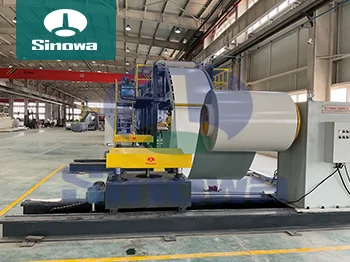
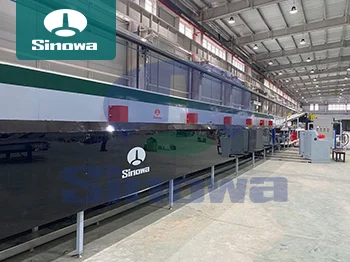
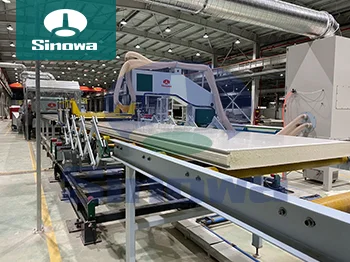
Sinowa is committed to the development and manufacturing of high-end and high-efficiency sandwich panel making equipment. Our sandwich panel making equipment are leading the way in efficiency, automatic control, human-computer interaction, environmental protection and energy consumption. Using system integration and bus control technology, it realizes the automatic integrated linkage control of the entire sandwich panel making equipment, and can achieve remote interactive communication, which has the world-class level and a comprehensive leading high-performance sandwich panel making equipment in the market.
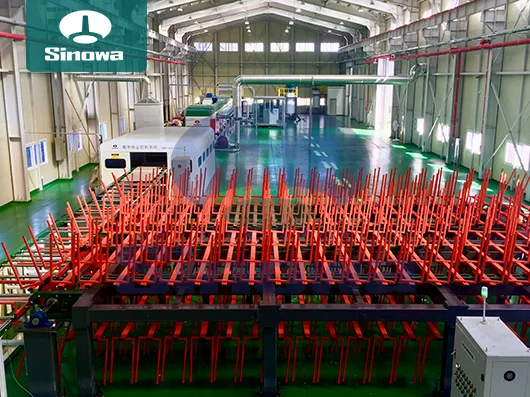
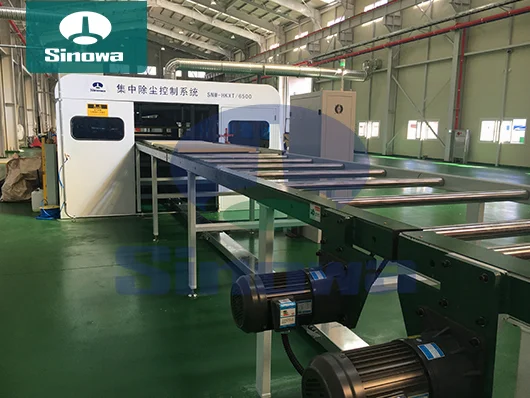
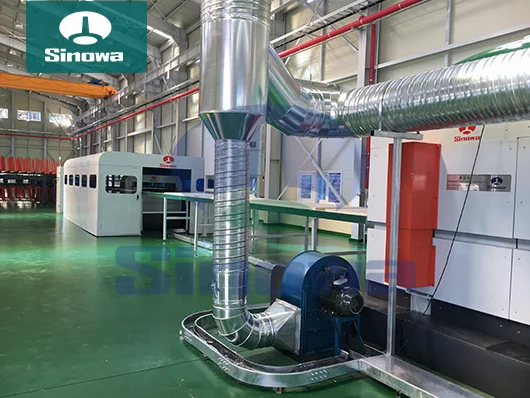
For more than ten years, relying on our innovative manufacturing concept and excellence in quality, reliable and trustworthy service to customers, we cooperate with customers all over the world, exported products to Canada, South Korea, Israel, Australia, the Middle East and other more than 20 countries and regions. contributed to building energy conservation and low-carbon production and have won widespread praise.
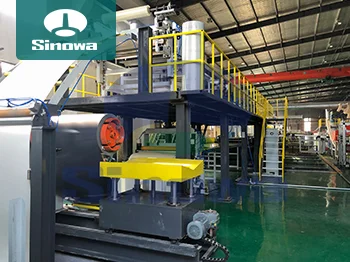
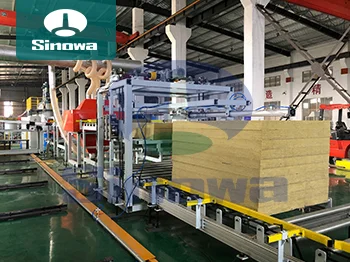
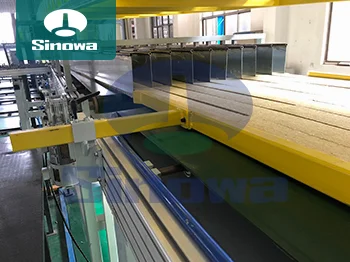
Sinowa has invested outstanding efforts in sandwich panel making equipment, this is why our products are more efficiency, quality, automatic control technology, environmental protection, energy consumption indicators and the appearance and safety protection are comprehensively leading, some subversive design changes in many major technical points, these major innovations make our products excellent in price/performance and user experience.
High Efficiency Sandwich Panel Making Equipment stands as a cornerstone of modern lightweight construction manufacturing, reshaping how composite building panels are produced for a wide spectrum of structural and insulating applications. At its core, this integrated production system merges material feeding, continuous forming, bonding, pressing, cutting and output functions into one streamlined workflow, eliminating fragmented manual operations that once dominated traditional panel fabrication. The design philosophy prioritizes uninterrupted continuous running, allowing raw materials such as metal facings and core insulation materials to move steadily through the production line without frequent stops for adjustment or material handling. Every mechanical module is calibrated to maintain consistent pressure and uniform temperature across the full width of the panel, which directly stabilizes the bonding quality between surface sheets and inner core layers. Unlike discrete batch production setups, the continuous nature of this equipment reduces material waste significantly, as cuts are made precisely according to preset dimensions and leftover scraps are minimized during each production cycle. Operators can adjust production parameters through a centralized control interface, modifying panel thickness, width and production speed to match different project requirements. This level of flexibility means the same line can switch between different panel configurations with limited downtime, removing the need for multiple separate machines for varied product types. The mechanical structure is built to sustain long-hour operation under stable working conditions, lowering the frequency of unexpected shutdowns that disrupt manufacturing schedules. As construction markets increasingly seek building materials that balance structural strength and thermal performance, this production equipment delivers a reliable way to turn raw inputs into finished sandwich panels with predictable quality in every batch.
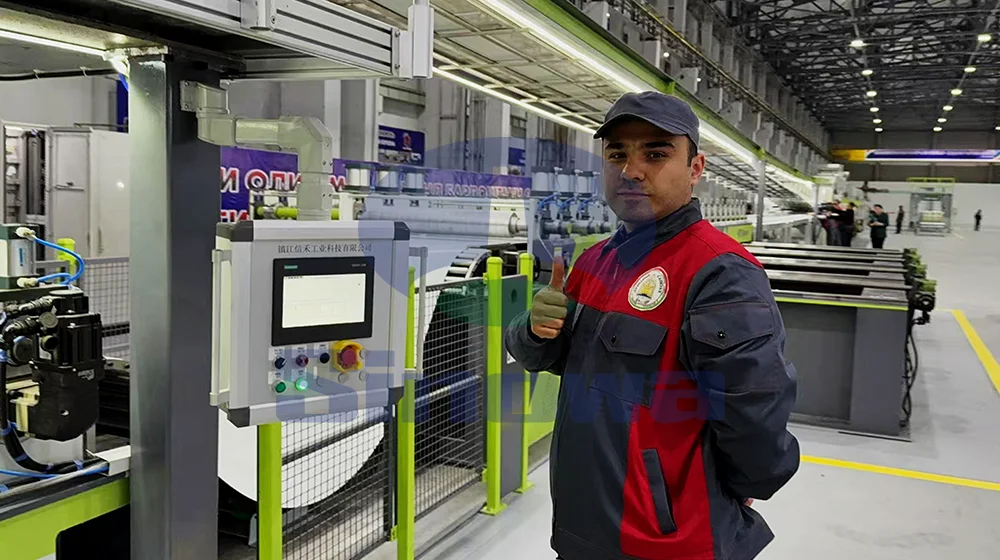
The material handling subsystem within high efficiency sandwich panel making equipment plays an indispensable role in guaranteeing stable production rhythm and consistent product quality. This section is responsible for unwinding surface roll materials and conveying core insulation materials into the main forming zone at a synchronized speed, ensuring that the upper and lower face sheets stay aligned with the core material throughout the whole process. Advanced tension control mechanisms prevent wrinkling, stretching or offset of metal sheets as they are unwound from large rolls, a common defect in less sophisticated production machinery. Before entering the bonding stage, surface materials go through cleaning and pre-treatment processes to remove surface dust and impurities, which strengthens the adhesive connection between the facings and the core. The core material feeding unit maintains steady material supply, avoiding gaps or overlaps that would create weak spots inside finished panels. Sensors distributed along the conveying path constantly monitor material position and feed speed, sending real-time feedback to the central control unit to fine-tune movement whenever slight deviations appear. Proper coordination of all feeding components avoids jams and material blockages, which are major causes of lost productivity in conventional panel production lines. Careful engineering of this material handling part also reduces the physical workload placed on on-site staff, since heavy roll replacement and material guiding can be completed with assisted mechanical structures. By keeping all raw materials moving in perfect synchronization, this subsystem lays a solid foundation for uniform panel thickness and reliable bonding performance in subsequent production stages.
Continuous pressing and thermal curing form the heart of high efficiency sandwich panel making equipment, where raw components transform into firmly bonded composite panels. After surface sheets and core materials are assembled together, the combined material stack enters the pressing zone, where controlled pressure is applied evenly across the entire panel surface. The pressing system maintains stable pressure distribution rather than localized high force, so the core structure will not be crushed or deformed while sufficient contact is kept between adhesive layers and face materials. The thermal curing section creates a stable temperature environment to activate the bonding agent, enabling it to develop full adhesive strength without overheating and damaging the insulation core. Temperature zones are segmented along the production direction, allowing gradual heating instead of sudden thermal shock, which helps preserve the physical properties of the inner core material. As the semi-finished panel moves forward through the curing tunnel, both pressure and thermal conditions remain consistent, ensuring that bonding reactions complete uniformly from edge to edge. Variations in pressure or temperature would lead to uneven adhesion, causing delamination issues that compromise panel service life. The length and speed of the curing tunnel are matched to the line running speed, so panels receive enough processing time even at elevated production rates. This integrated pressing and curing design removes the need for separate static curing rooms, greatly reducing the factory floor space required for production and shortening the overall manufacturing cycle for each panel.
Precision cutting and automatic output modules add the final shaping steps within high efficiency sandwich panel making equipment, turning continuous long panel stock into finished products of specified lengths. After the composite panel exits the curing zone, it travels to the cutting station where travelling cutting tools move synchronously with the moving panel, so cutting happens without halting the main production line. This flying cutting technology eliminates start-stop cycles that waste time and create dimensional inaccuracies. Cutting parameters can be adjusted via the control system to produce panels of custom lengths, and the cutting edge remains neat and smooth, requiring little additional trimming after separation. Once individual panels are cut, the automatic output system transports finished products away from the production path, sorting and stacking them in an orderly fashion. Mechanical stacking arms reduce manual lifting and carrying work, lowering the risk of surface scratches or panel damage during handling. Detection devices near the output station check panel dimensions and surface appearance, flagging products that fall outside preset tolerance ranges. Defective pieces can be separated automatically, preventing non-conforming items from entering the finished product storage area. The whole cutting and output segment works in coordination with upstream units, maintaining the overall continuous flow of the production line. By automating sizing and stacking, manufacturers can raise throughput while keeping panel dimensional accuracy at a high level, supporting consistent output for large construction projects.
Intelligent control and monitoring systems are embedded throughout high efficiency sandwich panel making equipment to simplify operation and maintain stable running status. A central human-machine interface allows operators to set all key production parameters, including line speed, material feed rates, pressing pressure and temperature profiles, from one unified terminal. Historical production data can be recorded automatically, tracking operating conditions for each production run to support quality review and process optimization. Multiple sensors collect real-time data across every functional section of the line, monitoring temperature, pressure, material position and motor load continuously. When abnormal conditions emerge, the system triggers timely alerts and can take protective actions to limit equipment damage or material loss. Operators do not need to manually adjust dozens of individual components separately; changing one product specification triggers synchronized adjustments across linked modules. Access authority settings manage system operation permissions, preventing unintended parameter modifications by unauthorized personnel. The control architecture supports stable long-time operation, resisting interference from factory environmental factors such as dust and temperature fluctuations. This intelligent framework reduces reliance on highly skilled workers, as basic daily operation can be mastered quickly, while process data helps technical teams identify opportunities to improve efficiency and reduce material consumption over extended production periods.
Maintenance design considerations are fully integrated into high efficiency sandwich panel making equipment, aiming to extend service life and shorten downtime during routine servicing. The layout of mechanical assemblies provides convenient access points for inspection, lubrication and part replacement, so technicians do not need to disassemble large structures for regular maintenance work. Key moving parts adopt wear-resistant materials and sealed structures to reduce contamination from dust and adhesive residues generated during panel production. Lubrication points are arranged logically, and some versions support centralized lubrication systems to ensure moving components receive proper oil supply at set intervals. Wear parts are standardized in design, making replacement straightforward when performance degrades after long operation. The equipment also incorporates self-diagnostic functions that identify potential faults before they escalate into major breakdowns, supporting predictive maintenance schedules instead of reactive emergency repairs. Maintenance manuals outline clear inspection cycles and check items to guide on-site teams in daily upkeep. Proper maintenance practices preserve production accuracy and prevent gradual quality drift that may occur as mechanical components wear down. Thoughtful maintenance engineering lowers the total operational cost over the equipment lifecycle, maximizing the usable production time and protecting the investment in the manufacturing line.
The operational advantages brought by high efficiency sandwich panel making equipment translate into tangible benefits for manufacturing operations compared to traditional production workflows. Continuous operation capability greatly boosts hourly output capacity, allowing manufacturers to fulfill large-volume orders within compressed delivery timelines. Synchronized material processing reduces human intervention, cutting labor input required per unit of finished panel and lowering the chance of human error affecting product quality. Precise control over material usage decreases raw material waste, which directly improves the economic efficiency of each production batch. The ability to rapidly switch between different panel specifications offers greater responsiveness to varied market demands, supporting custom orders alongside mass production. The compact footprint of the integrated line saves factory space when compared to arranging separate standalone machines for each production step. Stable product quality reduces the rate of rejected panels and after-production rework, saving both materials and working hours. The automated nature of the line also improves workplace safety by limiting direct contact between staff and moving mechanical parts or high-temperature zones. These combined strengths make the equipment well suited for growing manufacturing operations that aim to scale output while maintaining steady product quality and controlling overall operating expenses.
Looking ahead, the evolution of high efficiency sandwich panel making equipment continues to follow the trend of deeper automation and resource optimization, adapting to shifting demands within the building material sector. Ongoing improvements focus on enhancing the adaptability of production lines to a broader range of core and facing materials, expanding the types of composite panels that can be manufactured on a single integrated system. New generations of equipment are developed with enhanced energy management features, optimizing power consumption during heating, pressing and material conveyance stages to reduce energy use per finished panel. Digital connectivity features are being refined to enable deeper data analysis of production trends, supporting continuous process refinement for manufacturers. Mechanical structures are further optimized to reduce noise and residual waste generated during production, creating a more friendly working environment. As end users of sandwich panels keep raising requirements for product consistency and production flexibility, the equipment design will keep advancing to match these expectations. Innovation will continue to balance high throughput, reliable performance and manageable maintenance needs. This category of production machinery will remain essential infrastructure for composite panel manufacturing, supporting the development of modern building solutions that combine lightweight structure, thermal insulation and efficient fabrication for diverse construction applications.
« High Efficiency Sandwich Panel Making Equipment » Update Date: 2026/10/20
Tags: Sandwich Panel Making Equipment , sandwich panel making equipment, sandwich panel making equipment manufacturer, sandwich panel making equipment supplier, sandwich panel making equipment for sale, customized sandwich panel making equipment, china sandwich panel making equipment
- Cold Storage Sandwich Panel Production Line Supplier
- Fully Automatic Sandwich Panel Making Machine Factory
- Sandwich Panel Making Equipment
- Polyurethane Sandwich Panel Manufacturing Line Manufacturer
- Machinery For Glass Wool Production
- High-quality Continuous PU Sandwich Panel Line
- High Efficiency Continuous PU Sandwich Panel Production Line
- Cheap Sandwich Panel Making Equipment
- Sandwich Panel Machine Manufacturer
- Foam Core Sandwich Panel Line
- Continuous Sandwich Panel Manufacturing Line Manufacturer
- Sandwich Panel Integrated Production Line On Sales
- Sandwich Panel Machine For Sale
- PIR Sandwich Panel Machine For Construction
- High Pressure Polyurethane Sandwich Panel Production Line
- Corrugated Sandwich Panel Production Line Manufacturer
- High-quality Sandwich Roof Wall Panel Making Machine
- Customized Sandwich Panel Production Machinery
- Metal Sandwich Panel Production Line Design
- Sandwich Panel Line For Sale
- Links:
- Sandwich Panel Continuous Production Line
- Automatic and Continuous Sandwich Panel Production Line
- Cheap and Low Price Sandwich Panel Production Line
- China Sandwich Panel Production Line Factory
- Color Steel Sandwich Panel Production Line For Cold Storage
- Continuous Composite Foam Sandwich Panel Production Line
- Continuous Production Line For Rockwool and Mineral Wool Sandwich Panels
- Continuous PU Phenolic Insulation Panel Production Line
- Continuous PU PIR Sandwich Panel Production Line
- Continuous PUF PUR Sandwich Panel Production Line
- Continuous Sandwich Panel Production Line For Roof and Wall
- Customized and Design Sandwich Panel Production Line
- Decorative Sandwich Panel Production Line For Glass Wool Boards
- High Quality Sandwich Panel Production Line For Sale
- Polyurethane(PU) Sandwich Panel Production Line
- Sandwich Panel Production Line Manufacturer and Supplier
- Sandwich Panel Production Machinery and Equipment