
Sandwich Panel Machine For Sale
Sinowa is a well-known manufacturer and technical service provider of high-end sandwich panel machine, learn more about sandwich panel machine for sale, please contact Sinowa's technical engineer, tell us what you need, we will contact you as soon as possible!
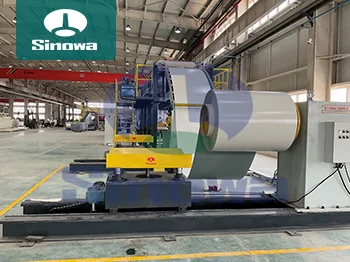
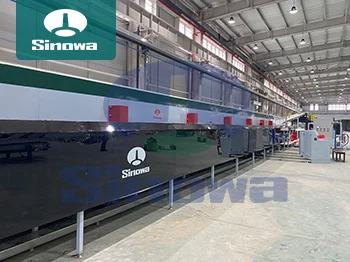
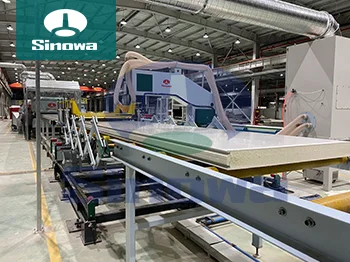
Sinowa is committed to the development and manufacturing of high-end and high-efficiency sandwich panel machine. Our sandwich panel machine are leading the way in efficiency, automatic control, human-computer interaction, environmental protection and energy consumption. Using system integration and bus control technology, it realizes the automatic integrated linkage control of the entire sandwich panel machine, and can achieve remote interactive communication, which has the world-class level and a comprehensive leading high-performance sandwich panel machine in the market.
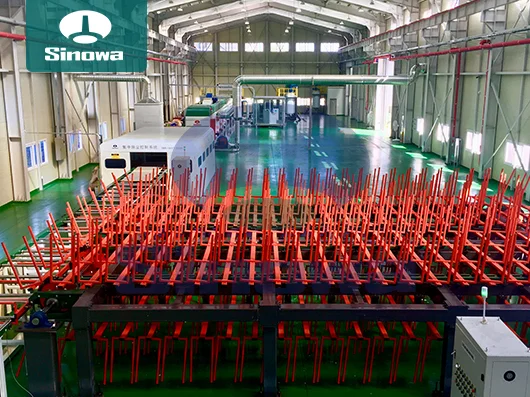
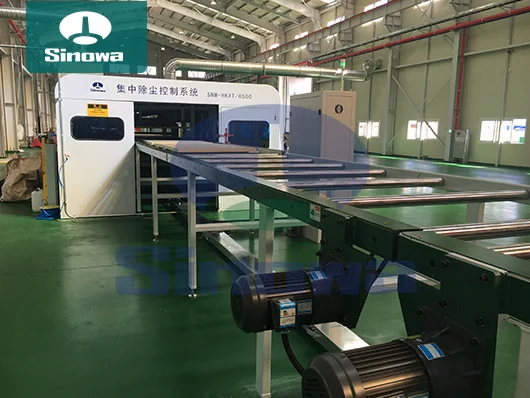
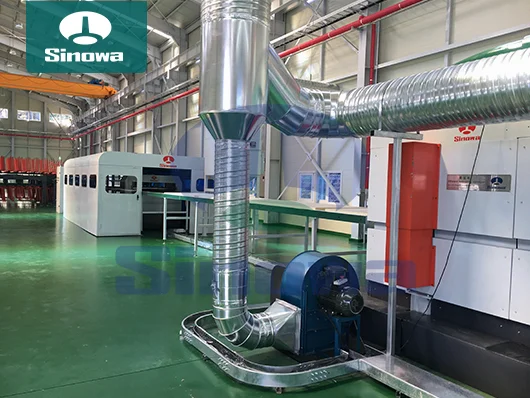
For more than ten years, relying on our innovative manufacturing concept and excellence in quality, reliable and trustworthy service to customers, we cooperate with customers all over the world, exported products to Canada, South Korea, Israel, Australia, the Middle East and other more than 20 countries and regions. contributed to building energy conservation and low-carbon production and have won widespread praise.
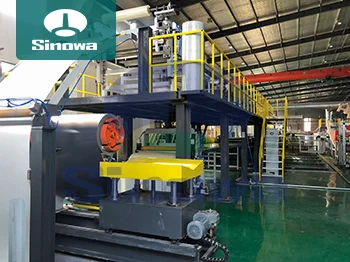
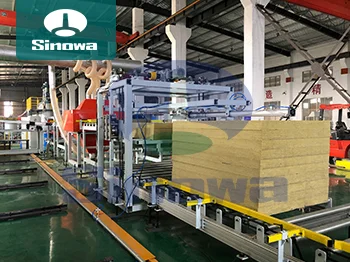
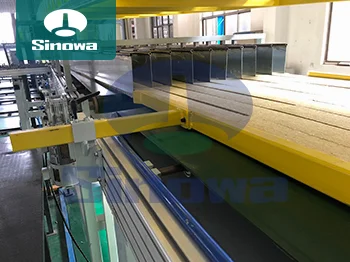
Sinowa has invested outstanding efforts in sandwich panel machine, this is why our products are more efficiency, quality, automatic control technology, environmental protection, energy consumption indicators and the appearance and safety protection are comprehensively leading, some subversive design changes in many major technical points, these major innovations make our products excellent in price/performance and user experience.
In the modern construction and manufacturing industries, the demand for efficient, high-quality, and versatile production equipment has never been higher, especially when it comes to materials that offer superior insulation, structural strength, and durability. Sandwich panels have emerged as a cornerstone material in these sectors, widely used in everything from industrial warehouses and cold storage facilities to commercial buildings and modular homes. Behind the mass production of these essential panels lies a critical piece of equipment: the sandwich panel machine. Designed to streamline the manufacturing process, these machines integrate advanced technologies to produce consistent, reliable sandwich panels that meet the diverse needs of various industries. Whether you are expanding an existing production line, starting a new manufacturing venture, or upgrading outdated equipment, investing in a high-performance sandwich panel machine can significantly enhance your operational efficiency, reduce production costs, and elevate the quality of your end products.
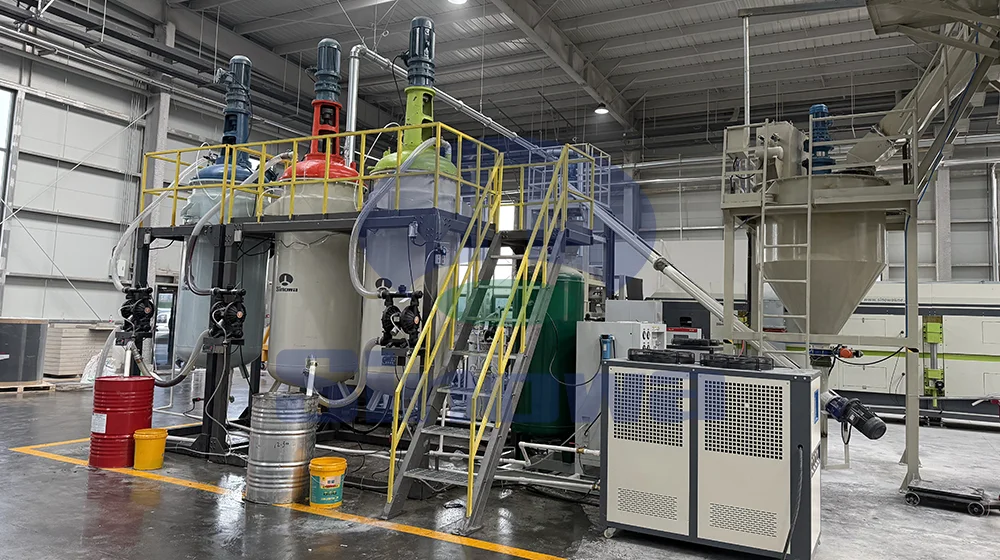
A sandwich panel machine is a specialized mechanical system engineered for the automated production of sandwich panels, which consist of two outer layers (typically metal sheets such as color steel, galvanized steel, or aluminum) bonded to a central core material. The core material can vary depending on the intended application, with common options including polyurethane (PU), polyisocyanurate (PIR), rock wool, glass wool, and phenolic foam. Each core material offers unique properties—PU and PIR excel in thermal insulation, making them ideal for cold chain and energy-efficient buildings; rock wool and glass wool provide superior fire resistance, suitable for industrial plants and public facilities with strict fire safety requirements; phenolic foam combines excellent insulation with high fire resistance, making it a versatile choice for various construction scenarios. The sandwich panel machine is designed to handle these different core materials and outer layers, allowing for flexible production that can adapt to changing market demands.
The structure of a sandwich panel machine is a sophisticated integration of multiple functional modules, each playing a crucial role in the production process. At the heart of the machine is the uncoiling system, which is responsible for feeding the outer metal coils into the production line smoothly and continuously. Equipped with automatic centering and correction devices, the uncoiling system ensures that the metal sheets are aligned precisely, preventing misalignment that could affect the quality of the final panel. Some advanced uncoiling systems feature dual stations, allowing for non-stop roll changing to maintain production continuity, which is particularly important for large-scale manufacturing operations. The metal sheets then move to the pre-processing stage, where a cleaning device removes oil stains, dust, and other impurities from the surface, followed by a drying system to ensure the sheets are completely dry—this step is critical for ensuring strong adhesion between the metal layers and the core material.
After pre-processing, the metal sheets enter the roll forming system, which uses a series of continuous rollers to shape the sheets into the desired profile. The number of rollers and the design of the roll forming stations can be adjusted to produce different panel styles, such as corrugated, flat, or hidden buckle panels, catering to various architectural and functional needs. The roll forming process is precise and consistent, ensuring that each panel has uniform dimensions and a smooth surface. Following roll forming, the metal sheets are preheated to an optimal temperature, which helps to activate the adhesive and promote better bonding with the core material. The preheating temperature is carefully controlled based on the type of adhesive and core material being used, as excessive or insufficient heat can compromise the bond strength.
The core material handling system is another key component of the sandwich panel machine. For foam-based cores such as PU and PIR, the machine is equipped with a high-pressure foaming system that precisely mixes the raw materials and injects the foam mixture between the two metal sheets. The foaming system features automatic dosing units to control the mixing ratio and injection volume, ensuring that the foam core has a uniform density and structure. For fibrous cores like rock wool and glass wool, the machine uses an automatic feeding and positioning system that cuts the core material to the required thickness and places it accurately between the metal sheets. Some machines also include an edge sealing system, which applies a protective seal to the edges of the panel to prevent moisture absorption and improve overall durability—this is particularly important for rock wool panels, which are prone to moisture damage if not properly sealed.
Once the core material is in place, the panels move to the composite pressing system, where high pressure and temperature are applied to bond the outer layers and core material together firmly. The composite pressing system typically uses a double belt conveyor, which applies uniform pressure across the entire surface of the panel to ensure consistent bonding. The temperature and pressure are carefully regulated to match the properties of the core material and adhesive, with some machines featuring a closed-loop control system that adjusts these parameters in real time based on production conditions. This ensures that each panel has a strong, durable bond that can withstand the rigors of transportation and installation.
After the composite process, the panels enter the cutting system, which trims the panels to the desired length with high precision. The cutting system is equipped with a high-speed flying saw or laser cutting device, which can cut the panels while they are still moving, eliminating the need to stop the production line and increasing efficiency. The cutting accuracy is typically within ±1 mm, ensuring that the panels are uniform in length and can be easily installed without additional trimming. Some advanced cutting systems also include a waste edge rewinder, which collects and recycles the excess material, reducing waste and lowering production costs.
The final stage of the production process is the stacking and packaging system. This system automatically stacks the finished panels according to the set quantity and arranges them neatly for packaging. The stacking system uses an automatic stacker crane or conveyor belt, which reduces manual intervention and minimizes the risk of damage to the panels. The packaging system then wraps the stacked panels in protective film or packaging material to prevent scratches, dents, and moisture damage during transportation and storage. This automated stacking and packaging process not only improves efficiency but also ensures that the panels arrive at the customer’s site in perfect condition.
One of the key advantages of modern sandwich panel machines is their high level of automation, which significantly reduces the need for manual labor and improves production efficiency. Most machines are equipped with a PLC (Programmable Logic Controller) and a human-machine interface (HMI), which allows operators to set and adjust production parameters such as panel thickness, length, and speed with ease. The HMI provides real-time feedback on production status, including output volume, machine performance, and any potential faults, allowing operators to monitor and control the production process efficiently. Some advanced machines also feature IoT (Internet of Things) integration, which enables remote monitoring and data analysis, allowing for predictive maintenance and production optimization. This level of automation not only reduces labor costs but also minimizes human error, ensuring consistent product quality.
Another important benefit of sandwich panel machines is their versatility. A single machine can be configured to produce a wide range of sandwich panel types by changing the core material, outer layer material, and production parameters. For example, a machine designed for PU sandwich panels can be easily adjusted to produce rock wool or phenolic foam panels with minimal downtime, making it suitable for manufacturers who need to meet diverse customer demands. Some machines also support customized panel sizes and profiles, allowing for greater flexibility in production. This versatility makes sandwich panel machines a cost-effective investment, as they can adapt to changing market trends and customer requirements without the need for additional equipment.
Energy efficiency is another key feature of modern sandwich panel machines. Many machines are equipped with energy-saving technologies such as variable frequency motor drives, which reduce energy consumption by 15-20% compared to traditional equipment. The heating system in some machines is designed to heat only the chain plate surface, rather than the entire machine, which further reduces energy usage and extends the lifespan of the machine’s components. Additionally, the closed-loop foaming technology used in some machines reduces raw material waste, making the production process more environmentally friendly. These energy-saving and environmentally friendly features not only lower production costs but also align with the global trend towards sustainable manufacturing.
The application of sandwich panel machines spans a wide range of industries, reflecting the versatility and utility of the sandwich panels they produce. In the construction industry, sandwich panels are widely used for the walls, roofs, and partitions of industrial plants, warehouses, commercial buildings, and modular homes. Their excellent thermal insulation properties help to reduce energy consumption for heating and cooling, making buildings more energy-efficient. In the cold chain logistics industry, PU and PIR sandwich panels produced by these machines are used to construct cold storage facilities, refrigerated trucks, and containers, as they can maintain a constant temperature in environments ranging from -40℃ to 120℃, ensuring the quality and safety of perishable goods. In the industrial manufacturing sector, sandwich panels are used as enclosure materials for industrial equipment, clean rooms, and chemical facilities, thanks to their durability, corrosion resistance, and fire safety.
When considering a sandwich panel machine for sale, it is important to evaluate the machine’s performance, reliability, and adaptability to your specific production needs. Factors such as production speed, panel size range, core material compatibility, and automation level should be carefully considered to ensure that the machine meets your operational requirements. Additionally, the machine’s ease of operation and maintenance is an important consideration, as this can reduce downtime and ensure long-term reliability. Many sandwich panel machines are designed with user-friendly interfaces and easy-to-access components, making maintenance and troubleshooting simpler for operators.
Proper maintenance of a sandwich panel machine is essential to ensure its long-term performance and reliability. Regular maintenance tasks include cleaning the machine components, checking for wear and tear, lubricating moving parts, and calibrating the various systems (such as the cutting and foaming systems). Following the manufacturer’s maintenance guidelines can help to prevent breakdowns, extend the machine’s lifespan, and ensure consistent product quality. Some machines are equipped with fault self-diagnosis systems, which can quickly identify potential issues and alert operators, reducing the time required for troubleshooting and repairs.
In conclusion, a high-quality sandwich panel machine is an indispensable piece of equipment for any manufacturer looking to produce high-performance sandwich panels efficiently and cost-effectively. With their advanced automation, versatility, energy efficiency, and reliability, these machines can help businesses meet the growing demand for sandwich panels in various industries. Whether you are producing panels for construction, cold chain, or industrial applications, investing in a sandwich panel machine can provide a competitive edge by improving production efficiency, reducing costs, and delivering consistent, high-quality products. As the demand for energy-efficient and sustainable building materials continues to grow, the role of sandwich panel machines in modern manufacturing will only become more important, making them a valuable investment for businesses looking to thrive in the global market.
« Sandwich Panel Machine For Sale » Update Date: 2026/4/13
Tags: Sandwich Panel Machine , Insulation Sandwich Panel Machines , Corrugated Sandwich Panel Machines , Glass Wool Sandwich Panel Machine , Fully Automatic Rock Wool Sandwich Panel Machine , Fully Automatic PU Sandwich Panel Machine , Foam Sandwich Panel Machine , PUR Sandwich Panel Machine , PIR Sandwich Panel Machine , Rock Wool Sandwich Panel Machine , Rockwool Sandwich Panel Machine , Polyurethane Sandwich Panel Machine , Polyurethane Sandwich Panel Machinery , PU Sandwich Panel Machine , Mineral Wool Sandwich Panel Machine ,
- Low Price Metal Sandwich Panel Production Line
- Cold Storage Sandwich Panel Production Line Factory
- Fully Automatic PU Sandwich Panel Production Line In China
- Sandwich Panel Making Machine On Sales
- Cold Storage Sandwich Panel Production Line Manufacturer
- Custom Fully Automatic Sandwich Panel Making Machine
- PU Sandwich Panel Making Machine Design
- Custom Sandwich Panel Manufacturing Line
- Low Price PU Board Production Line
- Sandwich Panel Making Equipment On Sales
- PU Insulation Board Production Line Factory
- Polyurethane Foam Production Line For House
- Sandwich Roof Wall Panel Making Machine Design
- PUF Panel Machine Manufacturer
- Sandwich Panel Integrated Production Line For Sale
- Custom PUF Panel Manufacturing Machine
- Glass Wool Panel Production Line Factory
- High Efficiency PUR Sandwich Panel Machine
- Sandwich Roof Wall Panel Making Machine Manufacturer
- PIR Insulation Panel Production Line Factory
- Links:
- Sandwich Panel Continuous Production Line
- Automatic and Continuous Sandwich Panel Production Line
- Cheap and Low Price Sandwich Panel Production Line
- China Sandwich Panel Production Line Factory
- Color Steel Sandwich Panel Production Line For Cold Storage
- Continuous Composite Foam Sandwich Panel Production Line
- Continuous Production Line For Rockwool and Mineral Wool Sandwich Panels
- Continuous PU Phenolic Insulation Panel Production Line
- Continuous PU PIR Sandwich Panel Production Line
- Continuous PUF PUR Sandwich Panel Production Line
- Continuous Sandwich Panel Production Line For Roof and Wall
- Customized and Design Sandwich Panel Production Line
- Decorative Sandwich Panel Production Line For Glass Wool Boards
- High Quality Sandwich Panel Production Line For Sale
- Polyurethane(PU) Sandwich Panel Production Line
- Sandwich Panel Production Line Manufacturer and Supplier