
Sandwich Panel Machine Manufacturer
Sinowa is a well-known manufacturer and technical service provider of high-end sandwich panel machine, learn more about sandwich panel machine manufacturer, please contact Sinowa's technical engineer, tell us what you need, we will contact you as soon as possible!
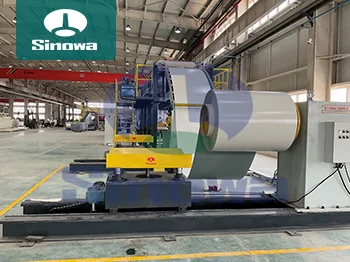
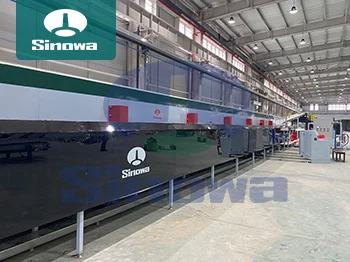
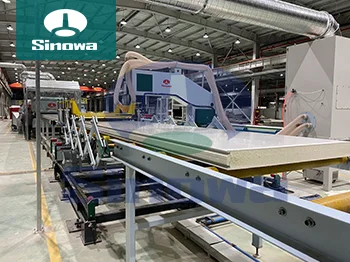
Sinowa is committed to the development and manufacturing of high-end and high-efficiency sandwich panel machine. Our sandwich panel machine are leading the way in efficiency, automatic control, human-computer interaction, environmental protection and energy consumption. Using system integration and bus control technology, it realizes the automatic integrated linkage control of the entire sandwich panel machine, and can achieve remote interactive communication, which has the world-class level and a comprehensive leading high-performance sandwich panel machine in the market.
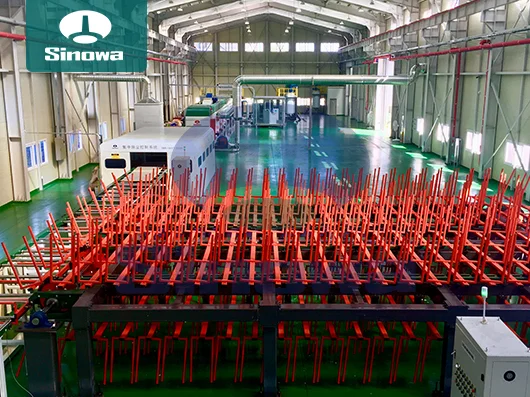
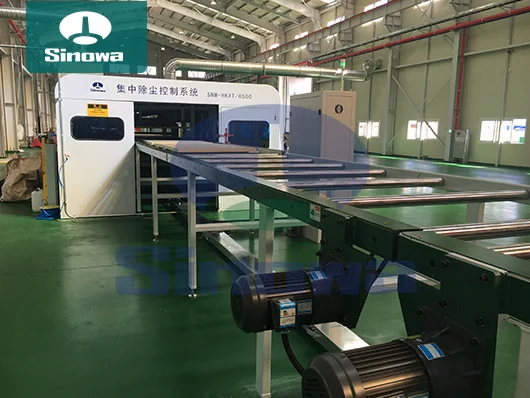
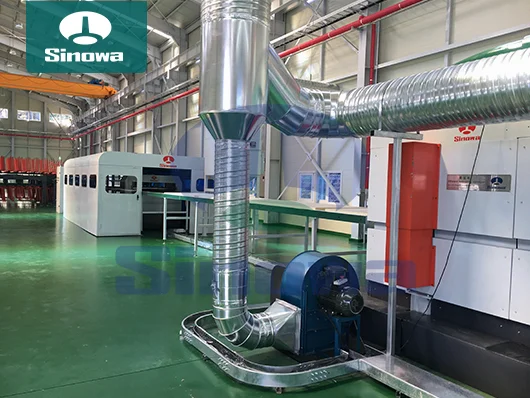
For more than ten years, relying on our innovative manufacturing concept and excellence in quality, reliable and trustworthy service to customers, we cooperate with customers all over the world, exported products to Canada, South Korea, Israel, Australia, the Middle East and other more than 20 countries and regions. contributed to building energy conservation and low-carbon production and have won widespread praise.
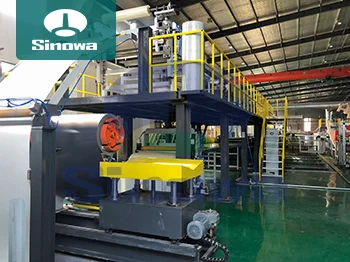
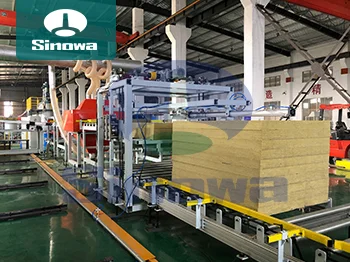
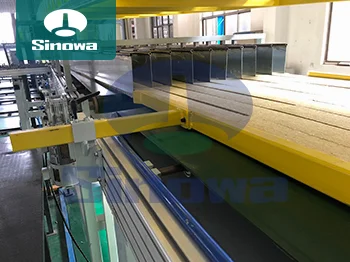
Sinowa has invested outstanding efforts in sandwich panel machine, this is why our products are more efficiency, quality, automatic control technology, environmental protection, energy consumption indicators and the appearance and safety protection are comprehensively leading, some subversive design changes in many major technical points, these major innovations make our products excellent in price/performance and user experience.
In the dynamic landscape of modern construction and industrial manufacturing, the demand for efficient, high-performance building materials has driven continuous innovation in production machinery. Sandwich panels, known for their excellent thermal insulation, soundproofing, fire resistance, and structural stability, have become indispensable in a wide range of applications, from industrial plants and warehouses to cold storage facilities, prefabricated homes, and commercial buildings. Behind the mass production of these versatile panels lies the expertise of sandwich panel machine manufacturers, who design and produce equipment that combines precision engineering, automation technology, and flexible functionality to meet the diverse needs of the global market. These manufacturers play a pivotal role in bridging the gap between raw materials and finished products, enabling businesses to produce high-quality sandwich panels efficiently, consistently, and cost-effectively.
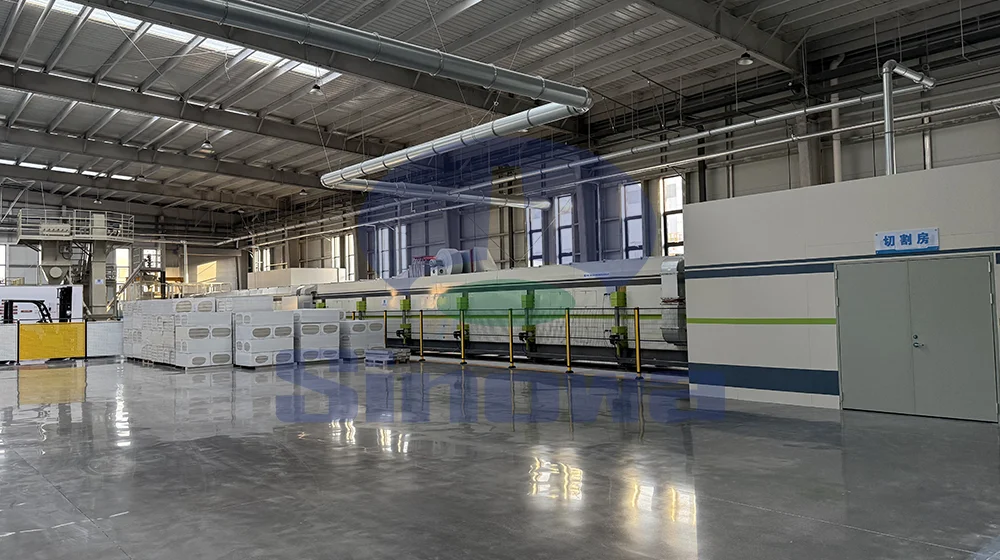
Sandwich panel machine manufacturers focus on developing a comprehensive range of equipment tailored to different production requirements, material types, and application scenarios. The core of their offering revolves around creating machines that can handle various combinations of outer facings and core materials, ensuring versatility and adaptability for different projects. Common outer facing materials include color steel sheets, stainless steel plates, and aluminum sheets, each chosen for its unique properties such as corrosion resistance, mechanical strength, and aesthetic appeal. Core materials, on the other hand, vary widely to meet specific performance needs, including polyurethane (PU), rock wool, glass wool, phenolic foam, and expanded polystyrene (EPS). Manufacturers design their machines to seamlessly process these materials, integrating multiple functional modules to achieve a continuous, automated production workflow that minimizes human intervention and maximizes efficiency.
One of the key strengths of reputable sandwich panel machine manufacturers is their ability to design and produce both fully automatic and semi-automatic production lines, catering to businesses of different sizes and production scales. Fully automatic lines are engineered for large-scale, high-volume production, integrating advanced technologies such as PLC control systems, intelligent sensors, and automated material handling to achieve 24/7 uninterrupted operation. These lines typically consist of multiple interconnected modules, including automatic unwinding and leveling systems, core material processing units, glue coating devices, hot pressing forming systems, precision cutting machines, and automatic stacking and packaging systems. Each module is meticulously calibrated to work in harmony, ensuring that every step of the production process is precise, consistent, and efficient. The automatic unwinding and leveling system, for example, ensures that metal coils are unrolled smoothly, with internal stresses eliminated to prevent wrinkling or deformation, while the core material processing unit accurately dispenses or cuts core materials to the required thickness, ensuring uniform distribution and no voids.
Semi-automatic sandwich panel machines, on the other hand, are designed for small to medium-scale production or customized projects, offering greater flexibility and lower initial investment. These machines retain key automated functions such as core material filling and hot pressing but may require manual intervention for tasks such as material feeding, cutting, or stacking. This flexibility makes them ideal for businesses that need to produce a variety of panel specifications or handle small batch orders, allowing for quick adjustments and customization without sacrificing quality. Manufacturers work closely with their clients to understand their specific production needs, recommending the most suitable machine type and configuration to optimize productivity and cost-effectiveness.
The working principle of sandwich panel machines, regardless of their automation level, revolves around the seamless integration of material processing, lamination, forming, and cutting. The production process typically begins with the preparation of outer facing materials: metal coils are loaded onto the unwinding system, which unrolls the sheets and feeds them through a leveling machine to eliminate internal stresses and ensure a flat surface. The sheets then pass through a preheating device, which raises them to a precise temperature to enhance adhesive adhesion and promote better bonding with the core material. Meanwhile, the core material is processed according to the required specifications—for example, rock wool slabs are slit into strips of the desired thickness, while polyurethane is foamed on-site using high-pressure foaming technology to ensure uniform density and coverage.
Next, the glue coating system applies a uniform layer of adhesive to the outer facing sheets, using precision spray nozzles or roller coaters controlled by PLC systems to ensure consistent coverage and avoid waste. The core material is then placed between the two coated outer sheets, and the assembly is fed into the hot pressing forming system. The hot press uses zone temperature control technology to maintain a precise temperature range, ensuring that the adhesive cures properly and the core material bonds firmly with the outer sheets. The pressure applied during hot pressing is also carefully controlled to ensure the flatness and structural integrity of the finished panel, with pressure uniformity errors kept to a minimum. After forming, the continuous panel is fed into the cutting system, which uses high-precision servo-controlled flying saws or laser cutting devices to cut the panel to the desired length with an accuracy of up to ±0.5 mm. Finally, the finished panels are automatically stacked, counted, and packaged, ready for delivery to the customer.
Sandwich panel machine manufacturers prioritize technological innovation to enhance the performance, efficiency, and reliability of their equipment. Many integrate intelligent control systems that allow for real-time monitoring and adjustment of production parameters, such as temperature, pressure, and speed, ensuring consistent product quality. These systems also include fault self-diagnosis functions, which can quickly identify issues such as equipment malfunctions or material inconsistencies, minimizing downtime and reducing maintenance costs. Additionally, manufacturers are increasingly incorporating energy-saving technologies into their machines, such as heat recovery systems that reuse waste heat from the hot pressing process, and frequency conversion technology that reduces electricity consumption by up to 30%. These innovations not only help businesses reduce their operational costs but also align with global efforts to promote sustainable and environmentally friendly manufacturing practices.
Another key focus of sandwich panel machine manufacturers is customization. Every project has unique requirements, whether it be specific panel dimensions, material combinations, or production capacity. Manufacturers work closely with their clients to design customized machines that meet these specific needs, from adjusting the width and thickness of the production line to integrating specialized modules for unique core materials or panel types. For example, a manufacturer might design a custom line for producing refrigerated carriage panels, which require enhanced insulation and moisture resistance, by integrating additional cooling systems and specialized adhesive application devices. Similarly, a line for purification workshop panels might include extra cleaning and antibacterial treatment modules to meet the strict hygiene requirements of these environments. This ability to customize equipment ensures that clients can produce panels that perfectly match their project specifications, enhancing their competitiveness in the market.
The applications of sandwich panels produced by these machines are diverse, spanning multiple industries and sectors, which in turn drives the demand for specialized sandwich panel machines. In the construction industry, sandwich panels are widely used for building walls, roofs, and partitions in industrial plants, warehouses, and commercial buildings, thanks to their excellent thermal insulation and soundproofing properties. They help reduce energy consumption for heating and cooling, making buildings more energy-efficient and environmentally friendly. In the cold chain logistics sector, sandwich panels are used to construct cold storage facilities, refrigerated trucks, and containers, as they can maintain a constant temperature range of -40℃ to 120℃, ensuring the quality and safety of perishable goods. In the prefabricated construction industry, sandwich panels are a key component of modular homes and temporary structures, enabling quick and efficient assembly with minimal on-site labor.
Sandwich panels are also used in specialized applications such as purification workshops, chemical plants, and soundproof facilities. Purification workshops, which require strict hygiene and cleanliness standards, use sandwich panels with antibacterial and dust-resistant properties, produced by machines equipped with advanced cleaning and surface treatment modules. Chemical plants and energy facilities use sandwich panels with corrosion-resistant outer facings and fire-resistant core materials, ensuring safety and durability in harsh environments. Soundproof facilities, such as concert halls, recording studios, and noise barriers, rely on sandwich panels with high-density core materials that effectively absorb sound, produced by machines that can precisely control core material density and thickness.
To ensure the long-term performance and reliability of their equipment, sandwich panel machine manufacturers also provide comprehensive guidance on maintenance and operation. Proper maintenance is essential to extend the service life of the machines, reduce downtime, and maintain consistent production quality. Manufacturers recommend daily maintenance tasks such as cleaning the equipment surfaces and transmission parts to remove dust and debris, checking lubrication points and replenishing lubricating oil, and inspecting air pressure and hydraulic system pressure. Regular maintenance tasks include monthly checks of the transmission system for wear, quarterly calibration of measurement and control systems, and annual comprehensive maintenance of the electrical system. Additionally, manufacturers advise replacing vulnerable parts such as bearings, seals, and cutting blades in a timely manner, and training operators on basic fault diagnosis and handling to minimize the impact of equipment malfunctions.
The commitment to quality is a cornerstone of reputable sandwich panel machine manufacturers. They use high-quality materials and components in the construction of their machines, such as 304 stainless steel frames for corrosion resistance, composite rubber conveyor rollers for wear resistance, and high-precision forming rollers for consistent panel quality. Each machine undergoes rigorous testing before leaving the factory, including performance tests, load tests, and quality control checks, to ensure that it meets the highest standards of reliability and efficiency. Manufacturers also continuously invest in research and development to keep pace with the evolving needs of the market, incorporating new technologies and materials to improve the performance and functionality of their equipment.
In today’s global market, sandwich panel machine manufacturers face increasing competition, which drives them to continuously improve their products and services. They focus on building long-term relationships with their clients, providing ongoing support and technical assistance to ensure that their machines operate at peak performance. This includes training operators on how to use the equipment effectively, providing spare parts and maintenance services, and offering upgrades and modifications to adapt to changing production needs. By prioritizing customer satisfaction and technological innovation, these manufacturers play a crucial role in supporting the growth and development of the sandwich panel industry, enabling businesses to produce high-quality, sustainable building materials that meet the demands of modern construction and industrial applications.
As the demand for energy-efficient, sustainable building materials continues to grow, the role of sandwich panel machine manufacturers becomes even more important. They are at the forefront of innovation, developing machines that are more efficient, more flexible, and more environmentally friendly, helping to reduce the carbon footprint of the construction industry. Whether it is a fully automatic production line for large-scale manufacturing or a customized semi-automatic machine for small-batch production, these manufacturers provide the equipment and expertise needed to produce high-quality sandwich panels that meet the diverse needs of clients around the world. Their commitment to quality, innovation, and customer service ensures that they remain essential partners in the global construction and manufacturing ecosystem, driving progress and sustainability for years to come.
« Sandwich Panel Machine Manufacturer » Update Date: 2026/4/13
Tags: Sandwich Panel Machine , Insulation Sandwich Panel Machines , Corrugated Sandwich Panel Machines , Glass Wool Sandwich Panel Machine , Fully Automatic Rock Wool Sandwich Panel Machine , Fully Automatic PU Sandwich Panel Machine , Foam Sandwich Panel Machine , PUR Sandwich Panel Machine , PIR Sandwich Panel Machine , Rock Wool Sandwich Panel Machine , Rockwool Sandwich Panel Machine , Polyurethane Sandwich Panel Machine , Polyurethane Sandwich Panel Machinery , PU Sandwich Panel Machine , Mineral Wool Sandwich Panel Machine ,
- Sandwich Panel Production Line Price
- Continuous PU Sandwich Panel Production Line For Roof
- High-quality PIR Insulation Panel Production Line
- Custom PIR Insulated Panel Production Line
- Sandwich Panel Production Line For Sale
- Customized PIR Wall Panel Production Line
- Fully Automatic PU Sandwich Panel Machine Supplier
- High-quality PIR Sandwich Panel Production Line
- PU Sandwich Panel Production Line For Building
- High Efficiency PU Sandwich Panel Production Line
- Polyurethane Foam Production Line From China
- Cold Room Sandwich Panel Production Line Price
- Low Price Automatic Sandwich Panel Production Line
- Polyurethane Insulation Panel Production Line Factory
- PU Sandwich Panel Line From China
- Polyurethane Sandwich Panel Machine From China
- Continuous PU Sandwich Panel Line For Sale
- High-end Decorative Sandwich Panel Line
- High-end Sandwich Panel Foam Making Machine
- PU Isolation Panel Production Line
- Links:
- Sandwich Panel Continuous Production Line
- Automatic and Continuous Sandwich Panel Production Line
- Cheap and Low Price Sandwich Panel Production Line
- China Sandwich Panel Production Line Factory
- Color Steel Sandwich Panel Production Line For Cold Storage
- Continuous Composite Foam Sandwich Panel Production Line
- Continuous Production Line For Rockwool and Mineral Wool Sandwich Panels
- Continuous PU Phenolic Insulation Panel Production Line
- Continuous PU PIR Sandwich Panel Production Line
- Continuous PUF PUR Sandwich Panel Production Line
- Continuous Sandwich Panel Production Line For Roof and Wall
- Customized and Design Sandwich Panel Production Line
- Decorative Sandwich Panel Production Line For Glass Wool Boards
- High Quality Sandwich Panel Production Line For Sale
- Polyurethane(PU) Sandwich Panel Production Line
- Sandwich Panel Production Line Manufacturer and Supplier
- Sandwich Panel Production Machinery and Equipment