
Sandwich Panel Production Line From China
Sinowa is a well-known manufacturer and technical service provider of high-end sandwich panel production line, learn more about sandwich panel production line from china, please contact Sinowa's technical engineer, tell us what you need, we will contact you as soon as possible!
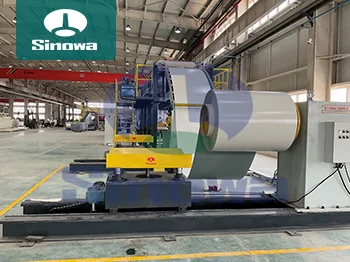
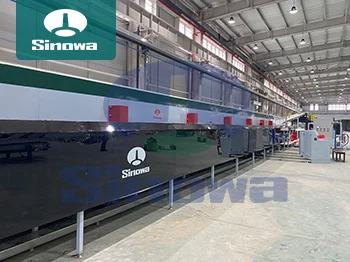
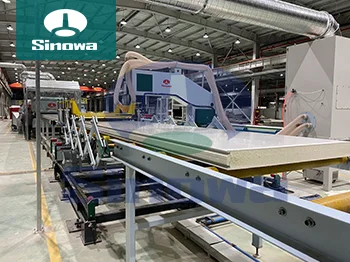
Sinowa is committed to the development and manufacturing of high-end and high-efficiency sandwich panel production line. Our sandwich panel production line are leading the way in efficiency, automatic control, human-computer interaction, environmental protection and energy consumption. Using system integration and bus control technology, it realizes the automatic integrated linkage control of the entire sandwich panel production line, and can achieve remote interactive communication, which has the world-class level and a comprehensive leading high-performance sandwich panel production line in the market.
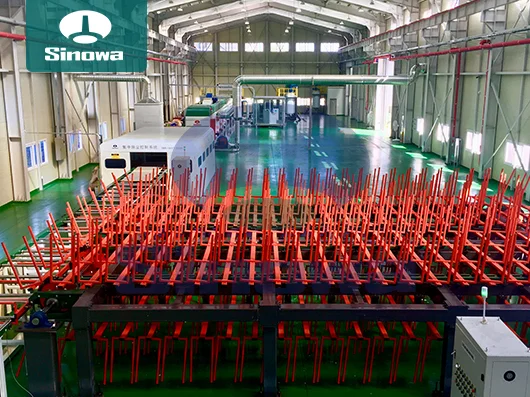
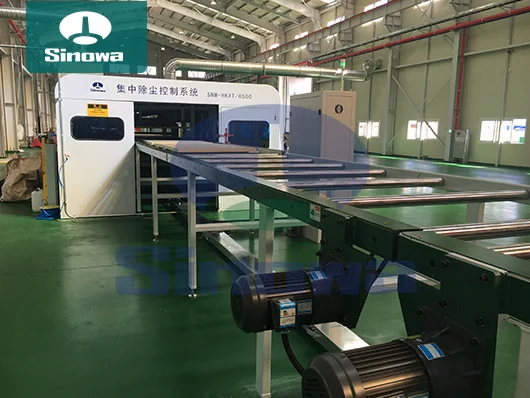
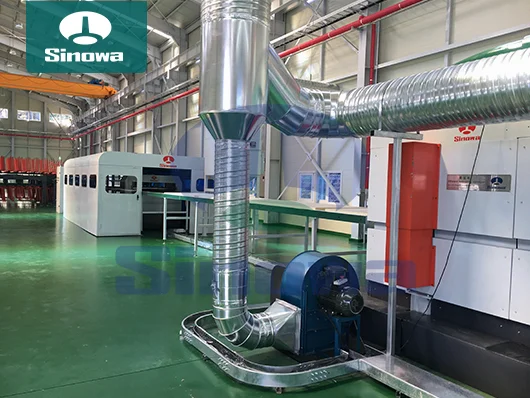
For more than ten years, relying on our innovative manufacturing concept and excellence in quality, reliable and trustworthy service to customers, we cooperate with customers all over the world, exported products to Canada, South Korea, Israel, Australia, the Middle East and other more than 20 countries and regions. contributed to building energy conservation and low-carbon production and have won widespread praise.
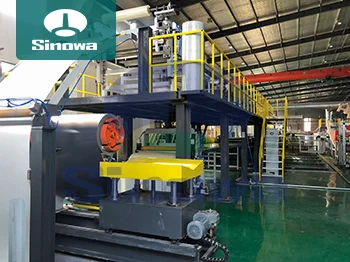
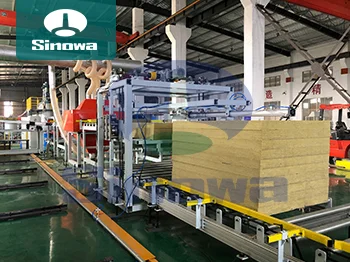
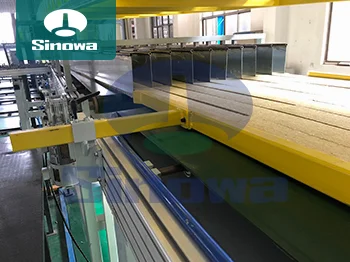
Sinowa has invested outstanding efforts in sandwich panel production line, this is why our products are more efficiency, quality, automatic control technology, environmental protection, energy consumption indicators and the appearance and safety protection are comprehensively leading, some subversive design changes in many major technical points, these major innovations make our products excellent in price/performance and user experience.
Sandwich panels have become an indispensable material in modern construction, industrial manufacturing, and various other fields due to their excellent thermal insulation, soundproofing, fire resistance, and structural strength. As a global hub for manufacturing, China has developed advanced and reliable sandwich panel production lines that cater to the diverse needs of domestic and international markets. These production lines integrate advanced technology, efficient operation, and flexible customization, making them a preferred choice for enterprises seeking to enhance production capacity, improve product quality, and reduce operational costs.
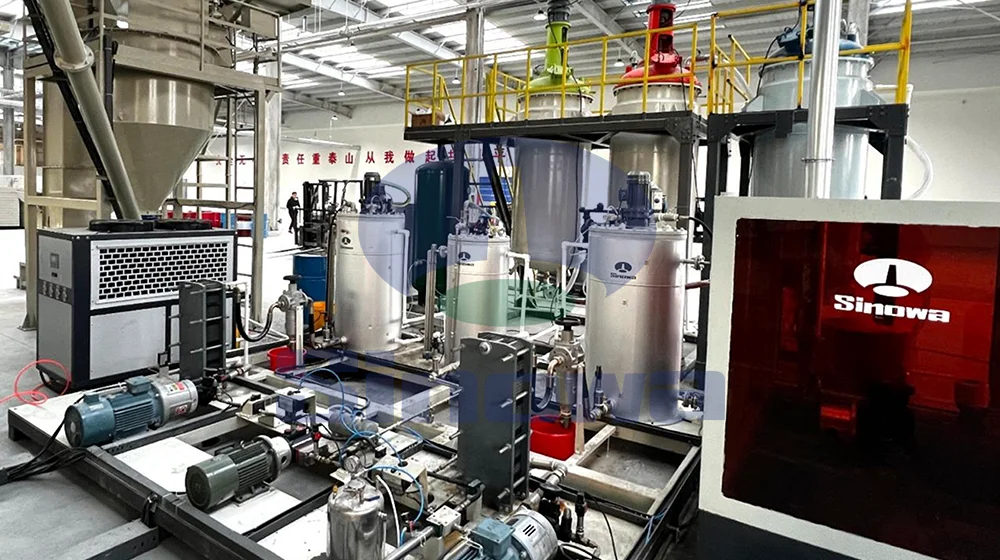
The core of a sandwich panel production line lies in its ability to efficiently combine two outer layers (known as facing materials) with a core material, forming a composite panel with superior performance. The facing materials commonly used include color steel plates, aluminum sheets, stainless steel plates, and fiber-reinforced plastic (FRP) sheets, each offering unique properties to meet different application requirements. Color steel plates, for instance, are widely used due to their corrosion resistance, aesthetic appearance, and low cost, making them suitable for large-scale construction projects such as warehouses, workshops, and prefabricated houses. Aluminum sheets, on the other hand, are lightweight and have excellent thermal conductivity, making them ideal for applications where weight reduction and heat dissipation are critical. Stainless steel plates are chosen for their high strength, durability, and resistance to harsh environments, such as chemical plants and coastal areas. FRP sheets, with their excellent corrosion resistance and electrical insulation, are commonly used in special industries like electronics and pharmaceuticals.
The core material is the key factor determining the thermal insulation, soundproofing, and fire resistance performance of sandwich panels. Common core materials include polyurethane (PU), polystyrene (EPS), rock wool, glass wool, and phenolic foam. Each core material has its own characteristics, allowing production lines to produce panels tailored to specific needs. Polyurethane core panels are known for their outstanding thermal insulation performance, high strength, and lightweight, making them suitable for cold storage, residential buildings, and commercial facilities. Polystyrene core panels are cost-effective and have good thermal insulation and soundproofing effects, widely used in general construction and industrial workshops. Rock wool and glass wool core panels excel in fire resistance and sound absorption, making them ideal for high-temperature environments, public buildings, and areas with strict fire safety requirements. Phenolic foam core panels, with their excellent fire resistance and low smoke emission, are often used in high-end construction and industrial projects where safety is a top priority.
A typical sandwich panel production line from China consists of several key components, each playing a crucial role in ensuring the smooth operation and high-quality output of the production process. These components include the uncoiler, leveling machine, preheating device, glue spreading system, core material feeding device, composite pressing machine, cutting machine, and stacking machine. Each component is designed with precision and durability, ensuring stable operation even under long-term high-load working conditions.
The uncoiler is the starting point of the production line, responsible for unwinding the facing material coils. It is equipped with a tension control system to ensure that the facing material is unwound smoothly and evenly, avoiding wrinkles or deformation. The leveling machine follows the uncoiler, used to correct any unevenness or deformation of the facing material, ensuring a flat surface for subsequent processing. This is particularly important for ensuring the bonding quality between the facing material and the core material. The preheating device is used to heat the facing material to an appropriate temperature, which helps to improve the adhesion of the glue and ensure a firm bond between the facing material and the core material. The temperature can be adjusted according to the type of facing material and glue used, ensuring optimal bonding results.
The glue spreading system is one of the most critical components of the production line. It is responsible for applying the adhesive evenly on the surface of the facing material. The glue spreading system can be adjusted to control the amount of glue applied, ensuring that the adhesive is neither too thick nor too thin. Too much glue will increase production costs and may cause overflow, while too little glue will affect the bonding strength. Advanced glue spreading systems from China adopt precision nozzles and automatic control technology, ensuring uniform glue application and high bonding quality. The type of adhesive used depends on the materials of the facing and core, with common adhesives including polyurethane glue, epoxy glue, and hot-melt glue.
The core material feeding device is designed to transport the core material to the composite pressing area. For different types of core materials, different feeding methods are adopted. For example, for rigid core materials such as rock wool and glass wool boards, a conveyor belt is used to transport the core material to the pressing machine. For foam core materials such as PU and EPS, a foaming machine is integrated into the production line, which injects the foaming material between the two facing materials, allowing it to foam and cure in situ. This integrated design not only improves production efficiency but also ensures the uniformity and density of the core material, enhancing the overall performance of the sandwich panels.
The composite pressing machine is the core component that combines the facing materials and the core material into a single sandwich panel. It applies uniform pressure and temperature to the composite material, ensuring that the facing materials and core material are firmly bonded. The pressing machine is equipped with adjustable pressure and temperature controls, allowing it to adapt to different types of materials and production requirements. The pressure can be adjusted according to the thickness and density of the core material, while the temperature is controlled to ensure the curing of the adhesive and the stability of the core material. Advanced composite pressing machines from China adopt hydraulic or pneumatic pressure systems, ensuring stable pressure output and uniform pressing effect.
After the composite pressing process, the sandwich panel is transported to the cutting machine, which cuts the panel into the required length and width. The cutting machine is equipped with high-precision cutting tools and automatic positioning systems, ensuring accurate cutting dimensions and smooth cutting edges. The cutting length and width can be adjusted according to customer requirements, allowing for flexible production of panels of different sizes. Some advanced cutting machines also have a multi-blade design, which can cut multiple panels at the same time, greatly improving production efficiency.
The stacking machine is the final component of the production line, responsible for stacking the cut sandwich panels neatly. It is equipped with a lifting device and a positioning system, ensuring that the panels are stacked evenly and stably, avoiding damage during transportation and storage. The stacking machine can be adjusted according to the size and weight of the panels, making it suitable for different types of sandwich panels.
One of the key advantages of sandwich panel production lines from China is their high degree of automation. Modern production lines adopt advanced PLC control systems, which integrate all components into a unified control platform, realizing automatic operation from feeding to stacking. The PLC control system can monitor the entire production process in real-time, including the speed of the production line, the temperature and pressure of the pressing machine, the amount of glue applied, and the cutting dimensions. This not only reduces the need for manual operation but also improves production efficiency and product quality. Operators only need to set the production parameters on the control panel, and the production line can operate automatically, reducing the risk of human error.
Another advantage is the flexibility and customization capability of the production lines. China's sandwich panel production lines can be customized according to the specific needs of customers, including the type of facing material, core material, panel thickness, and production capacity. For example, if a customer needs to produce sandwich panels with different core materials, the production line can be equipped with multiple core material feeding devices, allowing for quick switching between different core materials. If a customer needs to produce panels of different thicknesses, the pressing machine and cutting machine can be adjusted to meet the requirements. This flexibility makes the production lines suitable for a wide range of applications, from small-scale workshops to large-scale industrial plants.
Efficiency is also a major highlight of China's sandwich panel production lines. The production speed of modern lines can reach 5-15 meters per minute, depending on the type of panel and production requirements. This high production speed allows enterprises to meet large orders in a short time, improving market competitiveness. In addition, the production lines are designed to minimize material waste, with advanced cutting and feeding systems ensuring that the utilization rate of raw materials is maximized. This not only reduces production costs but also contributes to environmental protection.
Durability and reliability are also important features of China's sandwich panel production lines. The components of the production lines are made of high-quality materials, such as carbon steel, stainless steel, and high-strength aluminum alloys, ensuring long service life. The production lines undergo strict quality testing before leaving the factory, including load testing, endurance testing, and performance testing, ensuring that they can operate stably under long-term high-load conditions. In addition, the production lines are equipped with comprehensive fault diagnosis systems, which can quickly detect and alarm any faults, reducing downtime and maintenance costs.
Sandwich panel production lines from China are widely used in various fields, including construction, industrial manufacturing, cold storage, transportation, and agriculture. In the construction industry, sandwich panels are used for the walls, roofs, and floors of warehouses, workshops, prefabricated houses, shopping malls, and office buildings. They offer excellent thermal insulation and soundproofing, reducing energy consumption and improving the comfort of the building. In the industrial manufacturing field, sandwich panels are used for the enclosures of equipment, clean rooms, and chemical tanks, providing corrosion resistance and protection for the equipment. In the cold storage industry, polyurethane or polystyrene core sandwich panels are used to maintain low temperatures, ensuring the quality of stored goods. In the transportation field, sandwich panels are used for the bodies of trucks, trailers, and caravans, due to their lightweight and high strength, reducing fuel consumption and improving load capacity. In the agriculture field, sandwich panels are used for greenhouses, livestock houses, and storage sheds, providing a stable and comfortable environment for plants and animals.
With the continuous development of the global construction and industrial industries, the demand for sandwich panels is increasing, which drives the development of sandwich panel production lines. China's manufacturers are constantly innovating and upgrading their production lines, integrating new technologies such as artificial intelligence, Internet of Things, and big data to improve production efficiency, product quality, and operational convenience. For example, some advanced production lines are equipped with intelligent monitoring systems, which can collect and analyze production data in real-time, providing insights for production optimization and predictive maintenance. This not only improves the competitiveness of the production lines but also helps enterprises reduce operational costs and improve market responsiveness.
In addition to the technical advantages, China's sandwich panel production lines also have obvious cost advantages. Due to the mature manufacturing industry chain in China, the cost of raw materials, components, and labor is relatively low, making the production lines more cost-effective compared to those from other countries. This cost advantage allows enterprises to purchase high-quality production lines at a reasonable price, reducing initial investment and improving return on investment. At the same time, China's manufacturers provide comprehensive after-sales services, including installation, commissioning, training, and maintenance, ensuring that customers can use the production lines smoothly and efficiently.
When choosing a sandwich panel production line from China, it is important to consider several factors, including the production capacity, product specifications, automation level, and after-sales service. Enterprises should choose a production line that meets their specific production needs, taking into account the type and quantity of sandwich panels they need to produce. It is also important to choose a reliable manufacturer with rich experience in the industry, ensuring that the production line is of high quality and stable performance. In addition, enterprises should pay attention to the after-sales service provided by the manufacturer, including technical support, spare parts supply, and maintenance services, which are crucial for the long-term operation of the production line.
In conclusion, sandwich panel production lines from China are characterized by advanced technology, high automation, flexibility, efficiency, durability, and cost-effectiveness. They can produce high-quality sandwich panels of various types and specifications, meeting the diverse needs of different industries. With the continuous innovation and upgrading of technology, China's sandwich panel production lines will continue to play an important role in the global market, providing reliable and efficient production solutions for enterprises around the world. Whether for small-scale production or large-scale industrial projects, sandwich panel production lines from China are a reliable choice that can help enterprises improve production efficiency, reduce costs, and enhance market competitiveness.
« Sandwich Panel Production Line From China » Update Date: 2026/4/13
Tags: Wall Sandwich Panel Production Line , Roof Sandwich Panel Production Line , Cold Room Sandwich Panel Production Line , Cold Storage Sandwich Panel Production Line , Metal Sandwich Panel Production Line , Metal Carved Insulated Sandwich Panel Production Line , Isolation Sandwich Panel Production Line , Corrugated Sandwich Panel Production Line , Fully Automatic Rock Wool Sandwich Panel Production Line , Fully Automatic PU Sandwich Panel Production Line , Foam Sandwich Panel Production Line , Discontinuous PU Sandwich Panel Production Line , Decorative PU Sandwich Panel Production Line , Continuous PU Sandwich Panel Production Line , PUR Sandwich Panel Production Line , PIR Sandwich Panel Production Line , Sandwich Panel Production Line , Soundproofing Sandwich Panel Production Line , Rock Wool Sandwich Panel Production Line , Mineral Wool Sandwich Panel Production Line , Rockwool Sandwich Panel Production Line , Glass Wool Sandwich Panel Production Line , Continuous Sandwich Panel Production Line , Composite Sandwich Panel Production Line , Color Steel Sandwich Panel Production Line , Automatic Sandwich Panel Production Line , Polyurethane Sandwich Panel Production Line , PU Sandwich Panel Production Line ,
- Sandwich Foam Panel Making Machine Price
- PU Sandwich Panel Making Machine Price
- Glass Wool Production Line Price
- Isolation PU Sandwich Panel Line Price
- High-tech PU Insulated Panel Production Line
- PU Insulation Board Production Line Supplier
- Cheap Glass Wool Sandwich Panel Machine
- Decorative PU Sandwich Panel Production Line For Sale
- PUF Panel Making Machine For Sale
- High Efficiency Glass Wool Sandwich Panel Line
- Cheap PUF Panel Manufacturing Machine
- Fully Automatic PU Sandwich Panel Production Line On Sales
- Customized Polyurethane Sandwich Panel Line
- High-tech Composite Panel Production Line
- PUR Sandwich Panel Production Line Manufacturer
- High-end PIR Insulated Panel Production Line
- Cheap Fully Automatic Sandwich Panel Making Machine
- Continuous PU Sandwich Panel Production Line Supplier
- Customized Foam Sandwich Panel Machine
- High-end PIR Sandwich Panel Line