
PU Sandwich Panel Production Line Supplier
Sinowa is a well-known manufacturer and technical service provider of high-end pu sandwich panel production line, learn more about pu sandwich panel production line supplier, please contact Sinowa's technical engineer, tell us what you need, we will contact you as soon as possible!
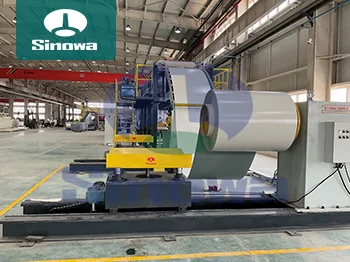
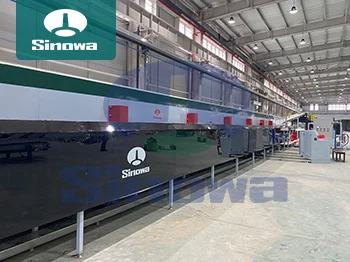
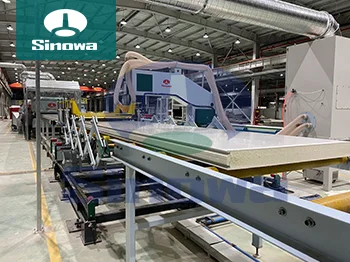
Sinowa is committed to the development and manufacturing of high-end and high-efficiency pu sandwich panel production line. Our pu sandwich panel production line are leading the way in efficiency, automatic control, human-computer interaction, environmental protection and energy consumption. Using system integration and bus control technology, it realizes the automatic integrated linkage control of the entire pu sandwich panel production line, and can achieve remote interactive communication, which has the world-class level and a comprehensive leading high-performance pu sandwich panel production line in the market.
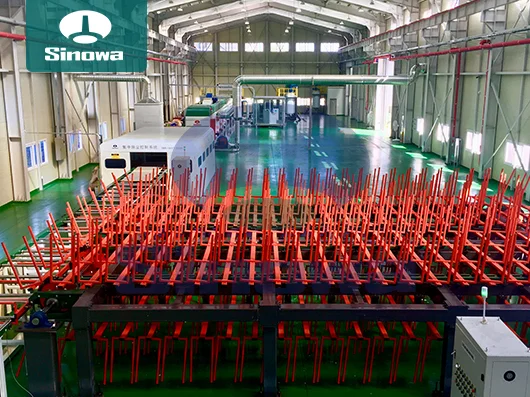
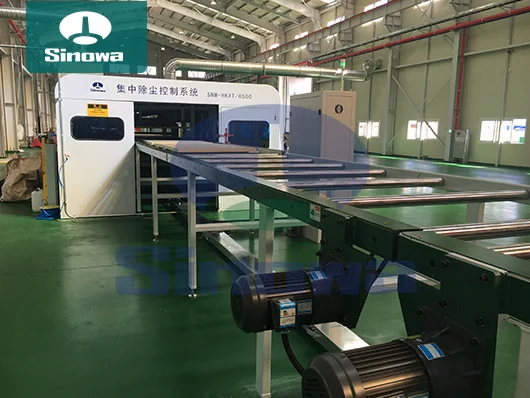
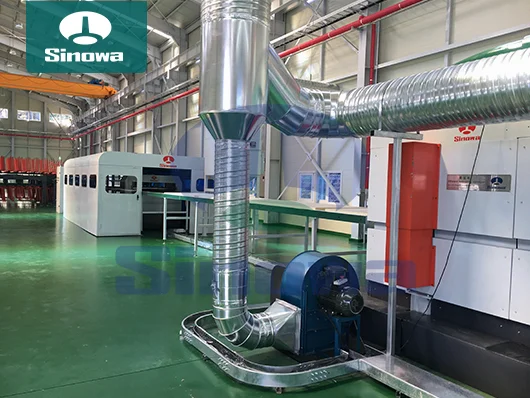
For more than ten years, relying on our innovative manufacturing concept and excellence in quality, reliable and trustworthy service to customers, we cooperate with customers all over the world, exported products to Canada, South Korea, Israel, Australia, the Middle East and other more than 20 countries and regions. contributed to building energy conservation and low-carbon production and have won widespread praise.
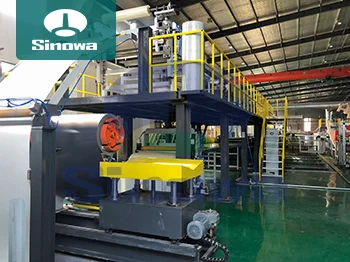
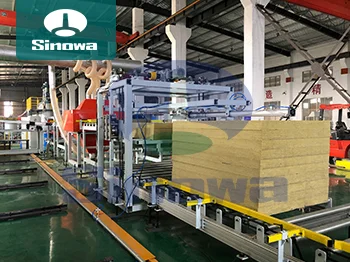
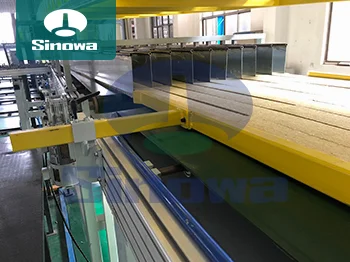
Sinowa has invested outstanding efforts in pu sandwich panel production line, this is why our products are more efficiency, quality, automatic control technology, environmental protection, energy consumption indicators and the appearance and safety protection are comprehensively leading, some subversive design changes in many major technical points, these major innovations make our products excellent in price/performance and user experience.
In the modern construction and industrial manufacturing landscape, the demand for high-efficiency, energy-saving, and high-performance building materials has been steadily rising, driving continuous innovation in production technology. Among these materials, PU sandwich panels have emerged as indispensable components in various fields, thanks to their exceptional thermal insulation, soundproofing, structural stability, and lightweight properties. These panels consist of two outer facing materials and a middle polyurethane (PU) foam core, and their quality and production efficiency are directly determined by the performance of the production line. As a key provider of such production equipment, the focus is on delivering integrated, automated, and flexible production solutions that meet the diverse needs of manufacturers across different industries.
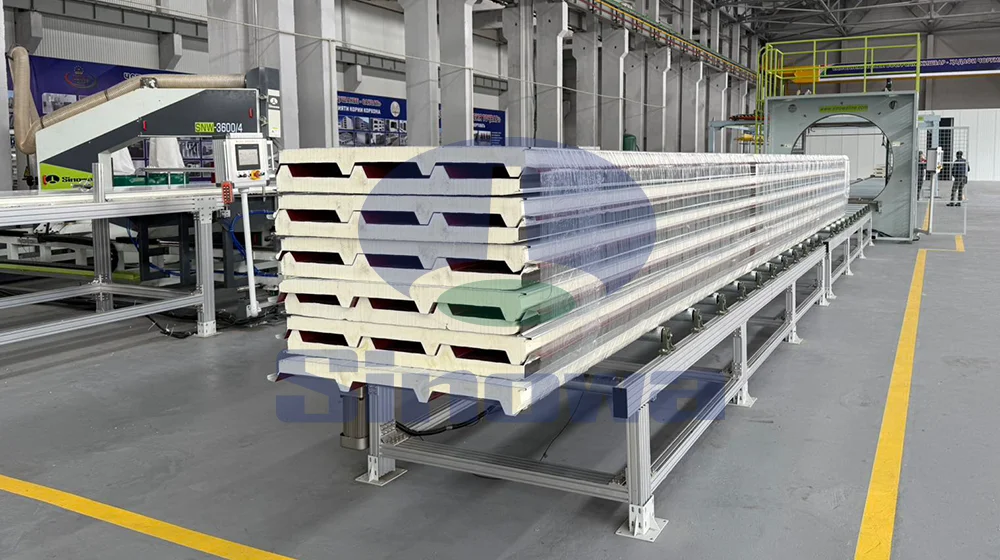
A PU sandwich panel production line is a complex integrated system that combines mechanical manufacturing, electronic control, and chemical material technology, designed to realize continuous and automated production from raw material input to finished product output. Unlike traditional manual or semi-automatic production methods, modern production lines minimize manual intervention, ensuring consistent product quality, high production efficiency, and low labor intensity. The core advantage of these production lines lies in their ability to precisely control every link of the production process, from raw material pretreatment to finished product stacking, thereby ensuring that the produced PU sandwich panels meet the strict performance requirements of various application scenarios.
The operation of a PU sandwich panel production line starts with the pretreatment of raw materials, which is a crucial foundation for ensuring the quality of the final product. The outer facing materials of PU sandwich panels are usually metal coils, such as galvanized steel sheets or aluminum-magnesium-manganese alloy sheets, which need to go through an unwinding and leveling process first. The unwinding system is equipped with a dual-station unwinding machine, which allows for non-stop roll changing, greatly improving production efficiency. At the same time, an automatic correction device is installed to ensure that the centering accuracy of the metal coil is within a very small range, preventing deviations that could affect subsequent processing. After unwinding, the metal sheets enter an online preprocessing unit, where they undergo cleaning and passivation treatments to remove surface impurities and enhance the bonding strength between the facing material and the PU core. This preprocessing step is essential to avoid problems such as delamination between the facing and the core, which could compromise the structural integrity and service life of the panels.
The core of the production line is the foaming and composite molding section, which directly determines the thermal insulation performance and structural stability of the PU sandwich panels. The PU foam core is formed through a chemical reaction between isocyanate and polyol, and the production line is equipped with an automatic metering and mixing system for PU raw materials, which ensures the precise ratio of A/B components. This precise metering is critical because any deviation in the ratio can affect the foaming effect, leading to problems such as uneven foam density, poor thermal insulation, and reduced structural strength. The high-pressure foaming machine, with a mixing head temperature control accuracy of ±0.5℃, ensures that the raw materials are fully mixed and foamed uniformly. The mixed PU raw materials are evenly sprayed onto the bottom facing material through a mobile distributor, which can be adjusted according to the width of the panel to ensure uniform distribution.
After the PU raw materials are sprayed, the upper facing material is fed into the double-track continuous laminating machine together with the bottom facing material carrying the foaming raw materials. The double-track laminating machine applies adjustable pressure, usually between 0.1-0.5 MPa, to ensure that the upper and lower facing materials are closely bonded with the PU foam core. At the same time, a segmented temperature control system maintains the internal temperature between 20-80℃, providing an optimal environment for the foaming and curing of the PU raw materials. During the conveying process in the laminating machine, the PU foam undergoes a complete foaming and curing reaction, forming a firm bond with the facing materials. The length of the laminating machine is designed to ensure that the PU foam is fully cured, avoiding problems such as insufficient curing that could affect the performance of the panels.
Following the composite molding process, the PU sandwich panels enter the intelligent cutting unit, which is responsible for cutting the continuous panels into finished products of the required length. The cutting unit is equipped with a servo-driven CNC flying saw, which has a cutting accuracy of ±0.5 mm, ensuring that the length of each panel is consistent and meets the customer's requirements. A visual recognition positioning system is also integrated to further improve cutting accuracy, and an automatic waste recycling device is installed to collect and reuse the cutting waste, reducing material waste and environmental impact. This waste recycling system not only helps to reduce production costs but also aligns with the global trend of environmental protection and sustainable production.
The final link of the production line is the automatic stacking system, which completes the sorting and stacking of the finished PU sandwich panels. The system is usually equipped with a six-axis robotic stacker crane with a load capacity of no less than 500 kg, which can stack the panels to a maximum height of 3.5 meters. An intelligent sorting algorithm is used to ensure that the panels are stacked neatly and stably, and an anti-dumping and stabilizing device is installed to prevent the stacked panels from toppling over, ensuring production safety. The automatic stacking system not only greatly improves stacking efficiency but also reduces labor intensity, avoiding the damage to panels caused by manual stacking.
Modern PU sandwich panel production lines are characterized by high automation and intelligent control, which are mainly realized through the PLC control system and industrial robot technology. The PLC control system integrates multiple control modules, including the unwinding area, laminating machine area, cutting area, and stacking area, allowing operators to set and adjust production parameters such as production speed, panel thickness, and cutting length through a touch screen. The system can real-time monitor the operation status of each equipment unit, timely detect and handle abnormal situations such as material deviation or equipment failure, ensuring the stable operation of the entire production line. The integration of industrial robot technology, such as the robotic stacker crane and automatic feeding robot, further improves the automation level of the production line, reducing the need for manual operation and minimizing human errors.
Flexibility is another important advantage of modern PU sandwich panel production lines. These production lines can be flexibly adjusted according to the needs of different customers and production scenarios, supporting the production of panels of various specifications. For example, the product width can be customized between 600-1200 mm, and the panel thickness can be adjusted from 30-200 mm. In addition, the production line can quickly switch between different product specifications within 3 minutes, supporting the storage of more than 100 formulas, and is compatible with different core materials such as rock wool and glass wool, meeting the diverse needs of different industries. This flexibility enables manufacturers to quickly respond to market changes and expand their product range without large-scale equipment modification.
Energy conservation and environmental protection are also important considerations in the design and production of PU sandwich panel production lines. The heat recovery utilization rate of the production line can reach 65%, which effectively reduces energy consumption and production costs. At the same time, the VOC emissions of the production line are controlled below 50 mg/m³, and the waste recycling rate exceeds 90%, complying with global environmental protection standards. These environmental protection measures not only help manufacturers reduce their environmental impact but also enhance their market competitiveness in an era of increasing emphasis on sustainable development.
The PU sandwich panels produced by these production lines have a wide range of applications, covering construction, cold chain logistics, industrial manufacturing, and other fields. In the construction field, they are widely used in the walls, roofs, and partitions of industrial warehouses, commercial complexes, residential buildings, and prefabricated houses, thanks to their excellent thermal insulation and soundproofing properties, which can effectively reduce building energy consumption and improve living and working comfort. In the cold chain logistics field, PU sandwich panels are used as insulation materials for cold storage, refrigerated trucks, and containers, which can maintain a constant temperature in an environment of -40℃ to 120℃, ensuring the quality and safety of goods during storage and transportation. In the industrial manufacturing field, they are used as insulation panels for various refrigeration and freezing equipment, as well as enclosure materials for industrial plants, garages, and mobile homes, meeting the diverse needs of industrial production.
The performance of a PU sandwich panel production line directly affects the production efficiency and product quality of manufacturers, so it is crucial to choose a reliable production line solution. A high-quality production line should not only have stable performance and high automation but also be flexible and environmentally friendly, able to adapt to the changing market needs and environmental protection requirements. In addition, the production line should be easy to install and maintain, with a long service life, reducing the long-term operation costs of manufacturers. The focus on technological innovation and product optimization ensures that the production lines can continuously meet the evolving needs of the industry, providing manufacturers with efficient, stable, and cost-effective production solutions.
With the continuous development of the construction and industrial manufacturing industries, the demand for PU sandwich panels will continue to grow, and the requirements for production lines will become higher and higher. Future PU sandwich panel production lines will tend to be more intelligent, flexible, and environmentally friendly, integrating more advanced technologies such as artificial intelligence and the Internet of Things to realize real-time monitoring and intelligent adjustment of the production process. At the same time, the modular design of production lines will become more mature, allowing manufacturers to flexibly configure equipment according to their own needs, reducing investment costs and improving production efficiency. The continuous innovation and development of PU sandwich panel production lines will further promote the upgrading of the entire industry, providing strong support for the development of green buildings and sustainable manufacturing.
In summary, PU sandwich panel production lines play a crucial role in the production of high-performance PU sandwich panels, integrating advanced mechanical, electronic, and chemical technologies to achieve automated, continuous, and high-quality production. These production lines not only improve production efficiency and product quality but also reduce labor intensity and environmental impact, meeting the diverse needs of various industries. As the demand for PU sandwich panels continues to expand, the importance of reliable and advanced production lines will become increasingly prominent, driving the continuous development and progress of the industry.
« PU Sandwich Panel Production Line Supplier » Update Date: 2026/4/16
Tags: Fully Automatic PU Sandwich Panel Production Line , Decorative PU Sandwich Panel Production Line , Continuous PU Sandwich Panel Production Line , PU Sandwich Panel Production Line ,
- Continuous Sandwich Panel Manufacturing Line
- Cheap Polyurethane Foam Production Line
- Composite Sandwich Panel Production Line Manufacturer
- Continuous PU Sandwich Panel Line Factory
- Glass Wool Equipment Factory
- Automatic Sandwich Panel Production Line On Sales
- Continuous PUF Panel Production Line
- Continuous PUF Panel Production Line On Sales
- Cheap Insulated Sandwich Panel Line
- PU Sandwich Panel Machine Price
- PIR Sandwich Panel Line For Roof
- PIR Wall Panel Production Line Factory
- Sandwich Panel Foam Making Machine Design
- PIR Insulation Panel Production Line Manufacturer
- Sandwich Panel Foam Production Line Manufacturer
- Tailor-made Sandwich Panel Line
- Cold Room Sandwich Panel Production Line Design
- PU Sandwich Panel Machine Supplier
- Continuous Sandwich Panel Line For Cold Storage
- PU Sandwich Panel Line Factory
- Links:
- Sandwich Panel Continuous Production Line
- Automatic and Continuous Sandwich Panel Production Line
- Cheap and Low Price Sandwich Panel Production Line
- China Sandwich Panel Production Line Factory
- Color Steel Sandwich Panel Production Line For Cold Storage
- Continuous Composite Foam Sandwich Panel Production Line
- Continuous Production Line For Rockwool and Mineral Wool Sandwich Panels
- Continuous PU Phenolic Insulation Panel Production Line
- Continuous PU PIR Sandwich Panel Production Line
- Continuous PUF PUR Sandwich Panel Production Line
- Continuous Sandwich Panel Production Line For Roof and Wall
- Customized and Design Sandwich Panel Production Line
- Decorative Sandwich Panel Production Line For Glass Wool Boards
- High Quality Sandwich Panel Production Line For Sale
- Polyurethane(PU) Sandwich Panel Production Line
- Sandwich Panel Production Line Manufacturer and Supplier