
PIR Sandwich Panel Production Line Supplier
Sinowa is a well-known manufacturer and technical service provider of high-end pir sandwich panel production line, learn more about pir sandwich panel production line supplier, please contact Sinowa's technical engineer, tell us what you need, we will contact you as soon as possible!
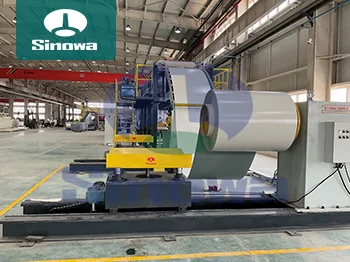
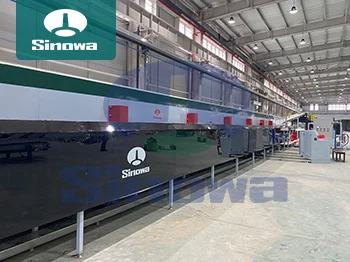
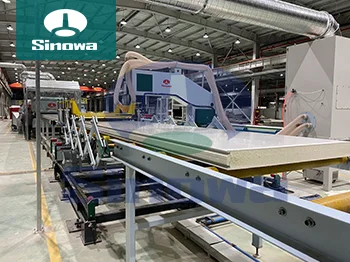
Sinowa is committed to the development and manufacturing of high-end and high-efficiency pir sandwich panel production line. Our pir sandwich panel production line are leading the way in efficiency, automatic control, human-computer interaction, environmental protection and energy consumption. Using system integration and bus control technology, it realizes the automatic integrated linkage control of the entire pir sandwich panel production line, and can achieve remote interactive communication, which has the world-class level and a comprehensive leading high-performance pir sandwich panel production line in the market.
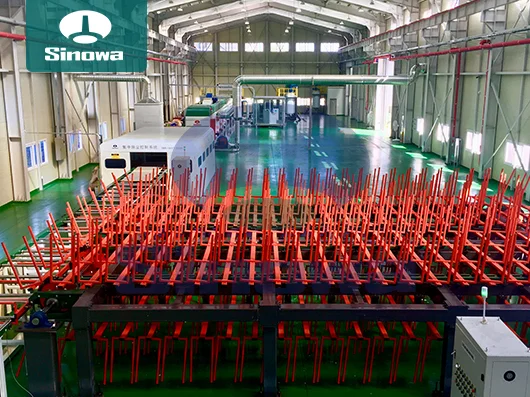
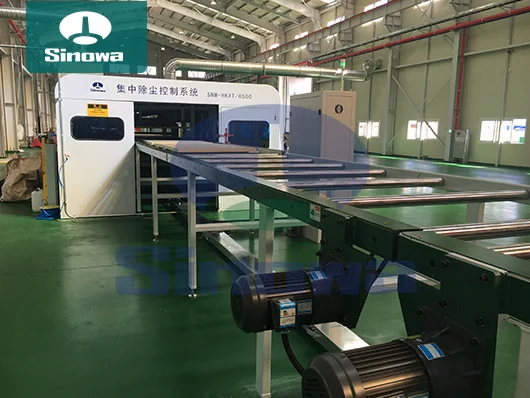
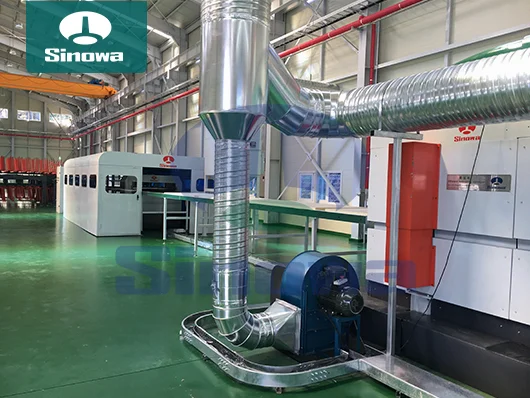
For more than ten years, relying on our innovative manufacturing concept and excellence in quality, reliable and trustworthy service to customers, we cooperate with customers all over the world, exported products to Canada, South Korea, Israel, Australia, the Middle East and other more than 20 countries and regions. contributed to building energy conservation and low-carbon production and have won widespread praise.
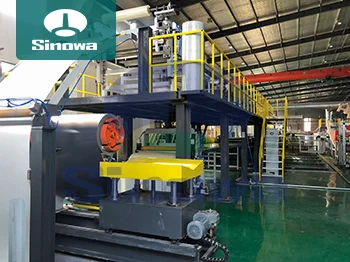
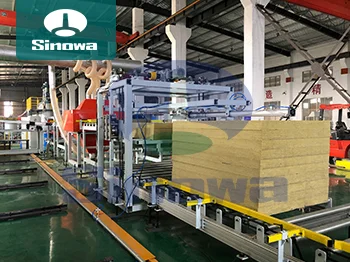
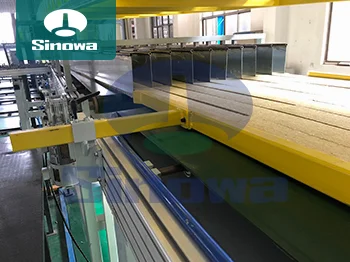
Sinowa has invested outstanding efforts in pir sandwich panel production line, this is why our products are more efficiency, quality, automatic control technology, environmental protection, energy consumption indicators and the appearance and safety protection are comprehensively leading, some subversive design changes in many major technical points, these major innovations make our products excellent in price/performance and user experience.
Polyisocyanurate (PIR) sandwich panels have become an indispensable component in modern construction and industrial fields, valued for their superior thermal insulation, structural stability, fire resistance, and versatility. The production of high-quality PIR sandwich panels relies heavily on advanced and reliable production lines, which integrate multiple disciplines such as mechanical engineering, materials science, electronic control, hydraulic technology, and temperature control to achieve continuous, efficient, and consistent manufacturing. As the demand for energy-efficient and fire-retardant building materials continues to grow globally, the role of PIR sandwich panel production lines has become increasingly prominent, catering to the diverse needs of various industries and application scenarios. A well-designed PIR sandwich panel production line is not just a collection of equipment; it is a highly integrated system that ensures every link from raw material input to finished product output is precise, efficient, and environmentally friendly.
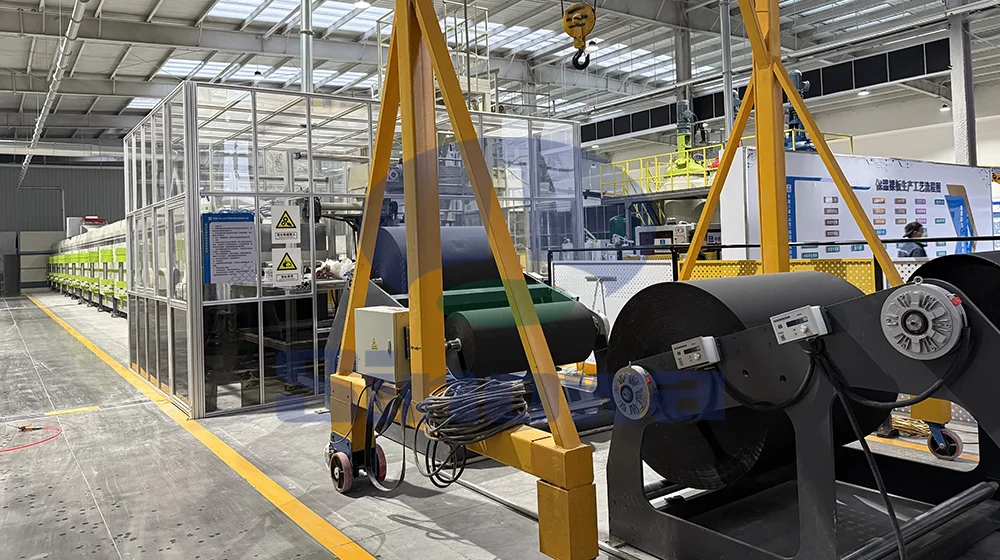
The fundamental principle of a PIR sandwich panel production line is to combine two facing materials with a PIR foam core through a series of automated processes, forming a composite panel that balances structural strength and functional performance. PIR foam, a modified polyisocyanurate material, is chosen for its exceptional properties, including low thermal conductivity, high fire resistance, lightweight, and good mechanical strength. Unlike traditional insulation materials, PIR foam has a closed-cell structure that effectively prevents heat transfer and moisture penetration, making it ideal for applications that require long-term thermal insulation and durability. The production line is designed to fully leverage these properties, ensuring that the final sandwich panels meet the strict requirements of different projects, whether for industrial workshops, cold storage facilities, commercial buildings, or residential constructions.
A typical PIR sandwich panel production line consists of several core functional modules that work in synergy to complete the entire production process. These modules include the hydraulic decoiling system, filming and pre-cutting system, roll forming system, pre-heating system, foaming system, curing system, cutting system, cooling system, stacking system, and packaging system. Each module plays a crucial role in determining the quality and efficiency of the production line, and their seamless integration is key to achieving continuous and automated operation. The design of these modules is based on the specific needs of PIR sandwich panel production, ensuring that each process is optimized for precision and efficiency.
The hydraulic decoiling system is the starting point of the production line, responsible for continuously feeding the facing materials into the subsequent processes. Facing materials commonly used in PIR sandwich panels include color steel plates, aluminum alloy plates, and stainless steel plates, which provide structural support and weather resistance to the final product. The decoiling system typically includes upper and lower decoilers, each equipped with a coil car, hydraulic station, main decoiler, and auxiliary support. The hydraulic tension control technology adopted in the decoiling system ensures stable uncoiling of the coiled facing materials, avoiding deformation caused by uneven tension. This stability is crucial, as any deformation in the facing materials would affect the flatness and bonding quality of the final sandwich panel. The decoiling system is also designed to accommodate different widths and thicknesses of facing materials, providing flexibility for producing panels of various specifications.
After decoiling, the facing materials enter the filming and pre-cutting system. The filming process involves applying a plastic film to the surface of the facing materials to protect them from scratches and damage during subsequent processing and transportation. While this process may seem simple, achieving good flatness of the film requires advanced technology and years of experience. High-precision filming systems are used to ensure that the film adheres tightly to the surface of the facing materials without wrinkles or bubbles, which could compromise the appearance and performance of the final panel. The pre-cutting function is used to cut the single skin panel when switching to a different profile, allowing the production line to quickly adapt to different product requirements without interrupting the continuous production process.
The roll forming system is responsible for shaping the facing materials into the desired profiles. PIR sandwich panels consist of an upper steel sheet, a middle PIR foam core, and a lower steel sheet, and the roll forming system must shape both the upper and lower facing materials to meet the process requirements. The upper roll forming machine is usually installed overhead the production line, above the lower roll forming machine, to save workshop space and avoid interference between the two machines. An independent installation platform is required to ensure the stability and precision of the upper roll forming machine. The upper roll forming machine is typically designed to produce panels for general use, meeting the requirements of both wall panels and roof panels. For special joint panels or custom profiles, the roll forming system can be adjusted or customized to achieve the desired shape and dimensions. The roll forming process ensures that the facing materials have the necessary rigidity to support the PIR foam core and withstand external loads once installed.
After roll forming, the facing materials are sent to the pre-heating system. Pre-heating is a critical step that optimizes the adhesion between the facing materials and the PIR foam core. By heating the facing materials to a specific temperature, the surface of the materials becomes more receptive to the foam, ensuring that the foam bonds uniformly and firmly with the facings. This prevents delamination, a common issue in sandwich panel production that can significantly reduce the structural integrity and thermal insulation performance of the panel. The pre-heating system is equipped with temperature control devices to ensure that the facing materials are heated to the exact temperature required for optimal bonding, which varies depending on the type of facing material and the properties of the PIR foam.
The foaming system is the core of the PIR sandwich panel production line, as it determines the quality of the PIR foam core. The PIR foam is produced by mixing polyols, isocyanates, blowing agents, and other additives in precise proportions. The foaming system uses a high-pressure mixing device to ensure that the components are mixed uniformly, resulting in a homogeneous foam with consistent density and structural properties. The blowing agent plays a crucial role in forming the closed-cell structure of the PIR foam, and eco-friendly blowing agents such as pentane are increasingly used to meet environmental requirements, replacing traditional agents that may harm the ozone layer. The foaming process is closely controlled in terms of temperature, pressure, and mixing ratio, as these parameters directly influence the cell structure, thermal conductivity, and mechanical strength of the foam core. The foam is injected between the pre-heated upper and lower facing materials, where it expands and reacts to form a solid core.
Once the foam is injected, the composite panel enters the curing system. Curing is the process by which the PIR foam hardens and forms a strong bond with the facing materials. The curing system maintains a controlled environment with specific temperature and humidity conditions to ensure that the foam cures completely and uniformly. The curing process typically takes place in a continuous curing tunnel, where the panel is conveyed through a series of heating zones. The length of the curing tunnel and the temperature settings are determined by the properties of the PIR foam and the production speed of the line. Proper curing is essential to ensure that the sandwich panel has the required strength, thermal insulation performance, and durability. Insufficient curing can lead to weak bonding between the foam core and the facing materials, while over-curing can cause the foam to become brittle and prone to cracking.
After curing, the panel is sent to the cutting system, where it is cut to the desired length and dimensions. The cutting system usually uses a band saw or a CNC cutting machine, which provides high precision and efficiency. The cutting process must be precise to ensure that the panels meet the specific size requirements of the project, reducing material waste and ensuring easy installation. The cutting machine is synchronized with the production line to maintain a continuous flow of panels, and it is equipped with safety devices to prevent accidents. After cutting, the panels are sent to the cooling system to reduce their temperature to room temperature, which helps to stabilize the structure of the foam core and prevent deformation.
The cooling system uses forced air or water cooling to quickly reduce the temperature of the panels. This step is important because the panels are still hot after curing, and rapid cooling helps to maintain their dimensional stability and flatness. The cooling system is designed to ensure that the panels are cooled uniformly, avoiding temperature gradients that could cause warping or cracking. Once cooled, the panels are sent to the stacking system, which automatically stacks the finished panels in an orderly manner. The stacking system can be adjusted to stack panels of different sizes and thicknesses, and it is equipped with protective devices to prevent damage to the panels during stacking. Finally, the stacked panels are sent to the packaging system, where they are wrapped in plastic film or other packaging materials to protect them during transportation and storage.
Modern PIR sandwich panel production lines are characterized by a high degree of automation, which significantly improves production efficiency and reduces labor costs. The entire production process is controlled by an integrated linkage control system, which uses PLCs (Programmable Logic Controllers) and HMIs (Human-Machine Interfaces) to monitor and adjust key parameters such as production speed, temperature, pressure, and material ratio. Sensors are installed throughout the production line to collect real-time data, which is fed back to the control center. This allows for automatic adjustment of the production process, ensuring consistent product quality and reducing the risk of human error. The control system also includes a fault self-diagnosis function, which can quickly identify and alert operators to any issues in the production line, minimizing downtime and improving overall productivity.
Another key feature of modern PIR sandwich panel production lines is their modular design. Modular design allows for the free combination and compatibility of different components, making it easy to adapt the production line to different product requirements. For example, by selecting different combinations of modules, the production line can produce different types of sandwich panels, such as wall panels, roof panels, and cold storage panels, without major modifications. The modular design also simplifies maintenance and upgrades, as individual modules can be replaced or upgraded without affecting the entire production line. This flexibility is particularly important in a market where customer requirements are constantly changing, allowing producers to quickly respond to new demands and stay competitive.
Energy efficiency and environmental protection are also important considerations in the design of PIR sandwich panel production lines. Modern production lines are equipped with energy-saving technologies such as fully enclosed internal insulation systems, which reduce heat loss and lower energy consumption. The energy consumption of advanced production lines is often only 40% to 50% of that of traditional equipment. In addition, eco-friendly materials and processes are widely adopted, such as the use of fluorine-free blowing agents and the installation of waste gas and wastewater treatment devices. These measures not only reduce the environmental impact of the production process but also meet the growing global demand for sustainable and green building materials.
The application of PIR sandwich panel production lines is widespread, covering various industries and fields. In the construction industry, PIR sandwich panels are used for building enclosures, including walls, roofs, and partitions, due to their excellent thermal insulation and fire resistance. They are particularly suitable for steel structure factories, commercial buildings, and residential buildings, where energy efficiency and safety are paramount. In the cold chain logistics industry, PIR sandwich panels are used to construct cold storage facilities and refrigerated transport vehicles, as their low thermal conductivity and closed-cell structure ensure effective insulation, maintaining stable low temperatures and reducing energy consumption. PIR sandwich panels are also used in industrial fields such as refineries, chemical plants, and ethylene plants, where they provide insulation and fire protection for equipment and pipelines.
The performance of PIR sandwich panels produced by these lines is impressive. The thermal conductivity of the PIR foam core can be as low as 0.019 W/(m·K), ensuring excellent thermal insulation performance. The fire rating of the panels can reach high levels, depending on the formula used, making them suitable for applications with strict fire safety requirements. The density of the PIR foam core typically ranges from 45 to 120 kg/m³, and the thickness of the panels can be customized from 50 to 200 mm, allowing for flexibility in meeting different project needs. The panels also have a high strength-to-weight ratio, making them lightweight yet capable of bearing significant loads, which simplifies transportation and installation.
The operation and maintenance of a PIR sandwich panel production line are crucial to ensuring its long-term stability and efficiency. Regular maintenance of the equipment, including cleaning, lubrication, and component inspection, can prevent breakdowns and extend the service life of the production line. Operators should be trained to understand the working principle and operation of each module, as well as how to handle common faults. The control system should be regularly calibrated to ensure the accuracy of parameter settings, and the production line should be inspected regularly to identify any potential issues before they affect production. Proper maintenance not only reduces downtime but also ensures that the production line continues to produce high-quality panels consistently.
As the global demand for energy-efficient and fire-retardant building materials continues to grow, the development of PIR sandwich panel production lines is moving towards higher precision, greater automation, and better environmental performance. Future production lines will likely integrate more advanced technologies such as artificial intelligence and big data, allowing for real-time monitoring and optimization of the production process. The use of eco-friendly materials and processes will become even more widespread, in line with global efforts to reduce carbon emissions and promote sustainable development. Additionally, the customization capabilities of production lines will continue to improve, allowing producers to meet the increasingly diverse needs of customers.
In conclusion, PIR sandwich panel production lines are essential equipment for the manufacturing of high-quality PIR sandwich panels, which play a crucial role in modern construction and industrial applications. These production lines integrate advanced technologies and modular design, ensuring continuous, efficient, and environmentally friendly production. From the hydraulic decoiling system to the packaging system, each module works in synergy to produce panels with excellent thermal insulation, fire resistance, and structural stability. As the industry continues to evolve, PIR sandwich panel production lines will continue to be upgraded and improved, meeting the growing demand for sustainable and high-performance building materials. Whether for large-scale industrial production or small-scale custom projects, a well-designed PIR sandwich panel production line is a valuable investment that can help producers stay competitive in a rapidly changing market.
« PIR Sandwich Panel Production Line Supplier » Update Date: 2026/4/16
- Custom Sandwich Roof Panel Production Line
- Highly Intelligent Polyurethane Foam Production Line
- Sandwich Panel Integrated Production Line Design
- Wall Sandwich Panel Production Line
- Roof Sandwich Panel Production Line Supplier
- Sandwich Panel Making Equipment Manufacturer
- High-tech PU Sandwich Panel Line
- Customized PU Board Production Line
- PU Board Production Line Manufacturer
- Cheap Glass Wool Sandwich Panel Line
- Highly Intelligent Polyurethane Sandwich Panel Machinery
- Insulated Sandwich Panel Line Manufacturer
- PU Insulation Panel Production Line Design
- Cheap Glass Wool Production Line
- PUF Panel Machine From China
- High-end Fully Automatic PU Sandwich Panel Line
- Low Price PU Sandwich Panel Production Line
- Composite Sandwich Panel Production Line Design
- PUR Sandwich Panel Line Manufacturer
- Glass Wool Sandwich Panel Machine From China
- Links:
- Sandwich Panel Continuous Production Line
- Automatic and Continuous Sandwich Panel Production Line
- Cheap and Low Price Sandwich Panel Production Line
- China Sandwich Panel Production Line Factory
- Color Steel Sandwich Panel Production Line For Cold Storage
- Continuous Composite Foam Sandwich Panel Production Line
- Continuous Production Line For Rockwool and Mineral Wool Sandwich Panels
- Continuous PU Phenolic Insulation Panel Production Line
- Continuous PU PIR Sandwich Panel Production Line
- Continuous PUF PUR Sandwich Panel Production Line
- Continuous Sandwich Panel Production Line For Roof and Wall
- Customized and Design Sandwich Panel Production Line
- Decorative Sandwich Panel Production Line For Glass Wool Boards
- High Quality Sandwich Panel Production Line For Sale
- Polyurethane(PU) Sandwich Panel Production Line
- Sandwich Panel Production Line Manufacturer and Supplier