
Cheap PU Foam Production Line
Sinowa is a well-known manufacturer and technical service provider of high-end pu foam production line, learn more about cheap pu foam production line, please contact Sinowa's technical engineer, tell us what you need, we will contact you as soon as possible!
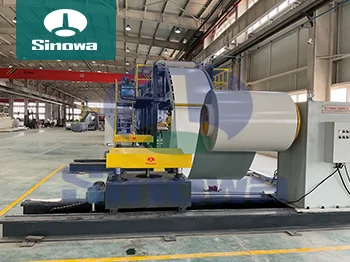
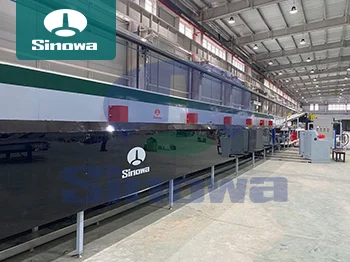
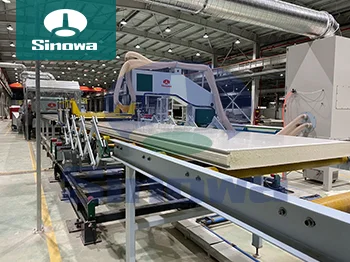
Sinowa is committed to the development and manufacturing of high-end and high-efficiency pu foam production line. Our pu foam production line are leading the way in efficiency, automatic control, human-computer interaction, environmental protection and energy consumption. Using system integration and bus control technology, it realizes the automatic integrated linkage control of the entire pu foam production line, and can achieve remote interactive communication, which has the world-class level and a comprehensive leading high-performance pu foam production line in the market.
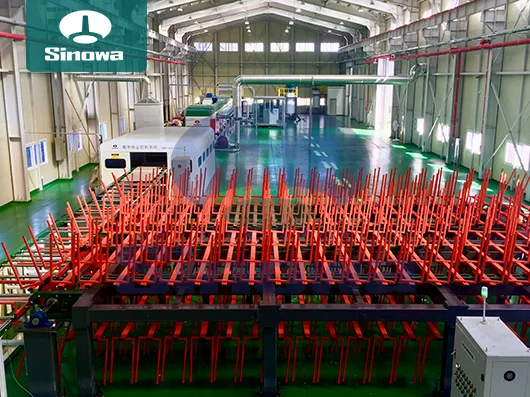
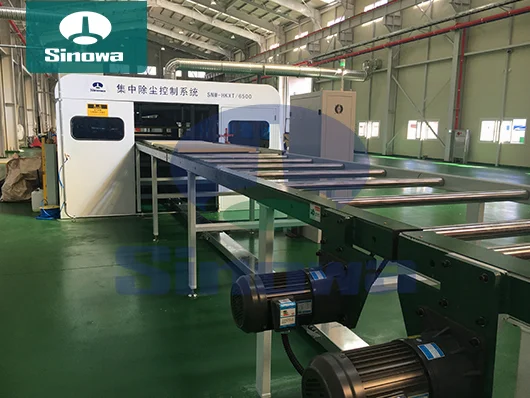
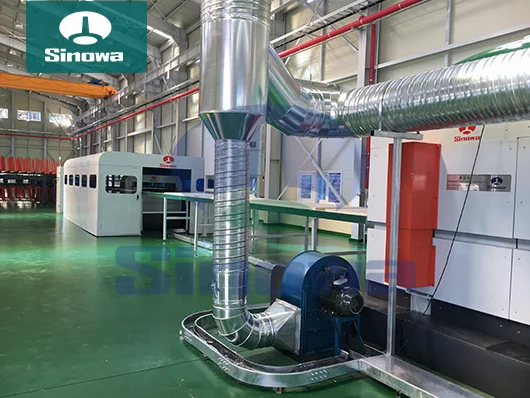
For more than ten years, relying on our innovative manufacturing concept and excellence in quality, reliable and trustworthy service to customers, we cooperate with customers all over the world, exported products to Canada, South Korea, Israel, Australia, the Middle East and other more than 20 countries and regions. contributed to building energy conservation and low-carbon production and have won widespread praise.
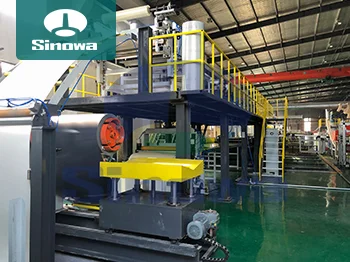
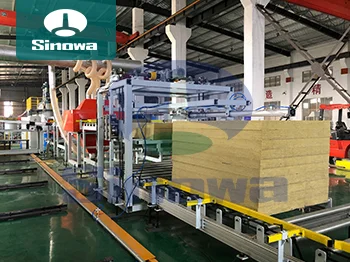
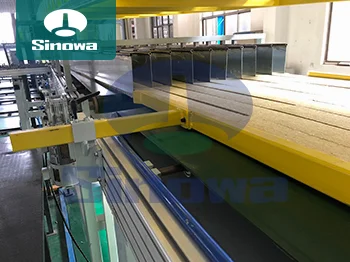
Sinowa has invested outstanding efforts in pu foam production line, this is why our products are more efficiency, quality, automatic control technology, environmental protection, energy consumption indicators and the appearance and safety protection are comprehensively leading, some subversive design changes in many major technical points, these major innovations make our products excellent in price/performance and user experience.
The rising demand for lightweight, versatile polyurethane foam across many downstream sectors has pushed many new market entrants to seek accessible manufacturing equipment, and cheap PU foam production lines have become a common starting point for small-scale foam making. Unlike large, highly integrated industrial systems built for nonstop mass output, these cost-focused lines are simplified assemblies that cover the core stages of foam forming, from raw material feeding and metering to mixing, foaming, conveying and basic trimming. Their main appeal lies in lowered entry barriers, allowing operators to launch foam production without committing huge sums of capital at the very beginning. Most of these lines adopt modular layouts, so users can add separate functions gradually instead of purchasing every component all at once. This flexible setup suits workshops with limited floor space and unstable order volumes, where output targets shift frequently between soft cushion foam, packing foam and simple rigid insulation foam. While the design removes many premium automation features found on high-end machines, it still preserves the fundamental reaction logic for polyurethane formation, relying on controlled blending of liquid polyol, isocyanate and supporting additives to build the porous foam structure. Many early-stage producers value this balance, as it lets them test market feedback, adjust product formulas and learn operational routines before deciding whether to upgrade to more sophisticated equipment later on.
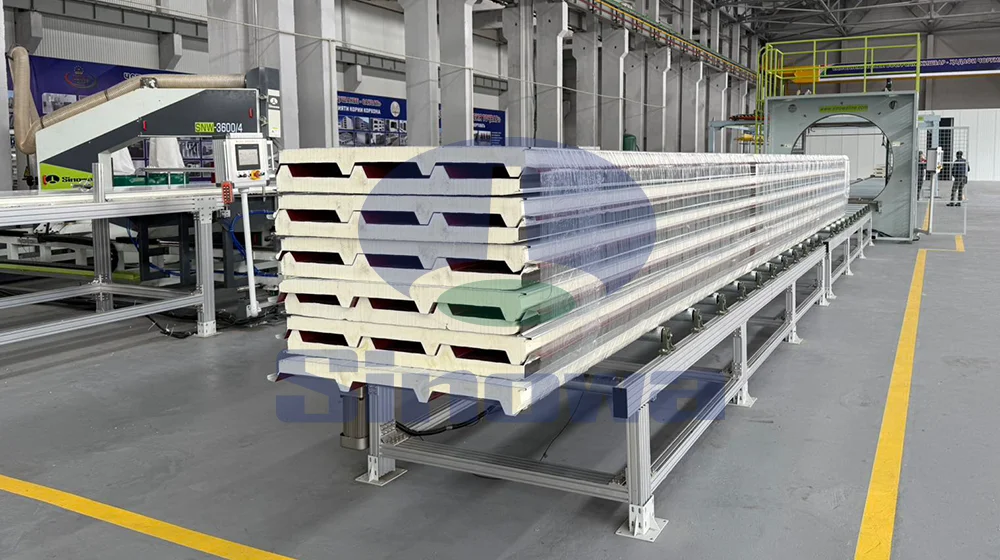
The core mechanical structure of a cheap PU foam production line centers on low-pressure mixing units rather than complex high-pressure injection systems, which is one of the primary reasons for its reduced overall cost. Raw chemical components are stored in separate insulated tanks fitted with basic temperature control, as stable liquid temperature helps maintain predictable reaction speeds and foam cell formation. Gear pumps deliver each ingredient to the mixing chamber according to manually adjusted flow ratios, and internal stirring blades complete homogenization inside the mixing head. Once blended, the liquid mixture pours onto a moving conveyor lined with release film, where foaming expansion and curing unfold naturally as the chemical reaction releases heat and gas. After the foam block fully rises and hardens, it travels onward to simple cutting mechanisms that slice large foam logs into sheets or slabs of rough dimensions. Advanced closed-loop monitoring, automatic formula correction and continuous online scanning systems are usually omitted to cut manufacturing expenses for the equipment itself. Operators must manually tweak pump speeds, tank temperatures and conveyor pace based on visual checks and periodic sampling, which means consistent results depend heavily on the experience and careful observation of the on-site team. This simplified hardware architecture also means spare parts are mostly standard mechanical components that can be sourced easily, avoiding exclusive custom parts that carry long lead times and steep replacement costs.
Working with a cheap PU foam production line requires a clear understanding of raw material matching, because the simplified metering structure has narrower tolerance for formula fluctuations compared with premium equipment. Catalysts, surfactants, blowing agents and colorants all interact to shape foam density, softness, cell uniformity and surface finish, and small deviations in dosing can create obvious defects such as large voids, collapsed foam layers, uneven hardness or brittle edges. New operators often start with fewer additive types to keep the recipe stable, slowly introducing modified ingredients once they grow familiar with how the line responds to changes. Ambient workshop conditions also exert stronger influence on low-cost systems; shifts in room temperature, humidity and ventilation alter the speed of the exothermic foaming reaction and affect how gas bubbles stabilize before the polymer matrix sets. Many users place simple heaters or exhaust fans around the production zone to moderate these environmental variables. Although the line cannot deliver the ultra-fine, highly repeatable cell structure achievable on precision automated lines, it can produce acceptable foam goods for general packaging, basic seating padding, low-load filling and non-critical insulation applications. Success in this setting comes less from the machine’s built-in intelligence and more from disciplined record-keeping of each batch’s settings and outcomes, so operators can trace problems and refine formulas steadily over time.
One of the most noticeable trade-offs of choosing a cheap PU foam production line relates to output rhythm and labor intensity. These systems rarely feature full automatic stacking, edge trimming, dust collection and finished-product sorting functions, so several manual handling steps remain embedded in each production cycle. Workers need to prepare release films, monitor the foaming rise process, clear overflow material, transfer cured foam blocks to cutting stations and collect cut foam pieces after slicing. Batch cycles tend to be longer, and the maximum hourly yield stays modest, making the line unsuitable for contracts that demand very large, steady volumes every day. Frequent recipe switches are possible, yet each change requires flushing the mixing chamber to stop leftover chemicals from cross-reacting and contaminating the next batch, which creates extra waste and lengthens downtime between runs. Even so, this limited throughput fits the business model of small job shops that serve scattered, small-batch orders rather than supplying giant downstream manufacturers. For these operators, accepting lower hourly output is worthwhile because the equipment repayment cycle is shorter, and they avoid being locked into heavy fixed overhead before their customer base matures. Many users run the line only during daytime shifts instead of round-the-clock, which further aligns with the machine’s practical capacity limits.
Maintenance routines for cheap PU foam production lines follow straightforward rules, though neglect can quickly shorten service life and increase reject rates. Daily work focuses on cleaning the mixing head thoroughly after every production session, as residual cured polyurethane will harden inside the chamber and damage stirring blades or block flow channels if left unattended. Seals, pump diaphragms and conveyor belts are the most frequently worn components, and routine inspection helps catch leaks of liquid chemicals before they create safety hazards or ruin batches. Lubrication for rotating bearings, guide rails and cutting shafts follows fixed intervals, and electrical wiring terminals are checked regularly for heat buildup caused by frequent start-stop operation. Unlike premium lines with built-in fault alarms and remote diagnostic functions, low-cost versions give few advance warnings of failure; subtle signs such as unstable flow, irregular foam rise or strange mechanical noise signal the need for inspection. Many operators keep a small inventory of common spare parts on-site to reduce waiting time when breakdowns occur. The overall maintenance skill threshold is moderate, and most issues can be resolved by on-site staff after basic training, without relying on specialized service technicians to travel long distances for every minor malfunction. This characteristic helps control long-term running expenses for businesses operating in areas with limited access to professional machinery support.
Safety management deserves consistent attention when operating a cheap PU foam production line, as simplified hardware seldom comes with comprehensive protective interlocks and automated safety shutoff systems. The liquid raw materials involved carry inherent risks if spilled or inhaled, and the foaming reaction releases heat while volatile components evaporate into the workshop air. Good ventilation becomes essential, and operators must wear protective gear covering skin, eyes and respiratory passages during material transfer, mixing and cleaning work. Spill containment trays under chemical tanks and mixing stations help contain accidental leaks and prevent reactive liquids from contacting incompatible surfaces. Operators should avoid leaving the mixing unit unattended during foaming cycles, because unexpected surges in reaction speed can cause overflow and wasted material. Waste generated during cleaning and trimming also needs proper segregation; uncured chemical waste behaves differently from fully cured foam scraps and cannot be discarded together. While these safety practices add extra steps to daily workflows, they reduce the chance of workplace incidents and also lower the risk of cross-contamination that damages foam quality. Many operators build simple standard operating checklists to reinforce safe habits for every team member, especially temporary workers who rotate through the production area.
Market positioning for goods made on cheap PU foam production lines tends to target segments that prioritize affordability over strict material consistency. Finished foam from these lines commonly enters local packaging markets, low-cost furniture padding, handicraft filling materials, simple protective inserts and general thermal insulation for non-specialized structures. Buyers in these segments usually tolerate minor variations in foam appearance and density as long as the material fulfills its basic functional purpose and stays within their budget expectations. Producers running such lines often compete by adjusting formula cost rather than promising premium physical performance, and they can quickly adjust foam hardness or thickness to match simple custom requests from nearby customers. As customer demands evolve, some operators upgrade individual components of the original line step by step: replacing manual metering pumps with more stable versions, adding better cutting equipment or installing improved exhaust systems, instead of discarding the whole setup at once. This incremental upgrade path preserves the initial investment and lets the production capacity grow alongside the business. Over time, some workshops transition from purely low-grade foam to mid-tier products, while others stay focused on high-turnover, low-margin bulk foam supplies that match the line’s natural strengths.
Looking ahead, cheap PU foam production lines will continue to fill an important niche for emerging foam manufacturers, even as more advanced automated equipment grows more accessible in the broader market. Their greatest value lies in offering a practical learning platform for entrepreneurs to understand polyurethane chemistry, production workflows and customer preferences without overwhelming financial exposure. At the same time, buyers of this equipment must maintain realistic expectations about performance boundaries, recognizing that low acquisition cost comes with trade-offs in output speed, batch repeatability and built-in convenience features. Success depends not on the machine alone, but on disciplined process recording, stable raw material sourcing, careful operator training and thoughtful safety planning. For those who manage these factors well, a low-cost PU foam line can serve as a sustainable foundation for building a small foam manufacturing enterprise, generating steady cash flow while creating opportunities to expand product ranges and upgrade equipment when business conditions support further investment. It remains a pragmatic entry route into an industry that keeps expanding, giving smaller players a chance to participate alongside larger, better-resourced foam producers in diverse local and regional supply chains.
« Cheap PU Foam Production Line » Update Date: 2026/10/23
Tags: PU Foam Production Line , pu foam production line, pu foam production line manufacturer, pu foam production line supplier, pu foam production line for sale, customized pu foam production line, china pu foam production line
- Custom Sandwich Panel Production Machinery
- PU Insulated Panel Production Line Manufacturer
- High-tech Polyurethane Foam Production Line
- Composite Panel Production Line On Sales
- Low Price PIR Insulated Panel Production Line
- PU Sandwich Panel Machine
- Sandwich Panel Production Line Factory
- High-tech PUF Panel Making Machine
- Continuous PUF Panel Production Line For Sale
- Decorative PU Sandwich Panel Production Line Price
- High-end Glass Wool Equipment
- Polyurethane Sandwich Panel Manufacturing Line
- Sandwich Wall Panel Production Line From China
- Cheap PUR Sandwich Panel Production Line
- Cheap Isolation PU Sandwich Panel Line
- Sandwich Panel Production Line On Sales
- Foam Core Sandwich Panel Line Supplier
- PIR Sandwich Panel Machine Design
- Decorative Sandwich Panel Line On Sales
- High-tech Sandwich Roof Panel Production Line
- Links:
- Sandwich Panel Continuous Production Line
- Automatic and Continuous Sandwich Panel Production Line
- Cheap and Low Price Sandwich Panel Production Line
- China Sandwich Panel Production Line Factory
- Color Steel Sandwich Panel Production Line For Cold Storage
- Continuous Composite Foam Sandwich Panel Production Line
- Continuous Production Line For Rockwool and Mineral Wool Sandwich Panels
- Continuous PU Phenolic Insulation Panel Production Line
- Continuous PU PIR Sandwich Panel Production Line
- Continuous PUF PUR Sandwich Panel Production Line
- Continuous Sandwich Panel Production Line For Roof and Wall
- Customized and Design Sandwich Panel Production Line
- Decorative Sandwich Panel Production Line For Glass Wool Boards
- High Quality Sandwich Panel Production Line For Sale
- Polyurethane(PU) Sandwich Panel Production Line
- Sandwich Panel Production Line Manufacturer and Supplier
- Sandwich Panel Production Machinery and Equipment