
Sandwich Panel Production Line Factory
Sinowa is a well-known manufacturer and technical service provider of high-end sandwich panel production line, learn more about sandwich panel production line factory, please contact Sinowa's technical engineer, tell us what you need, we will contact you as soon as possible!
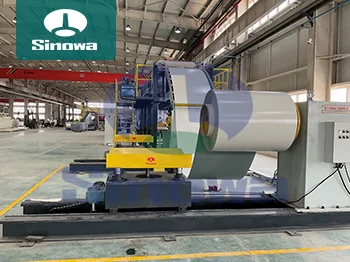
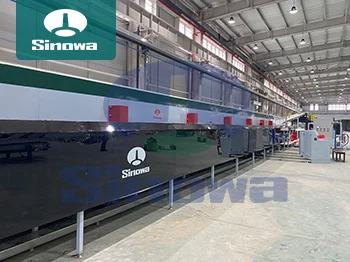
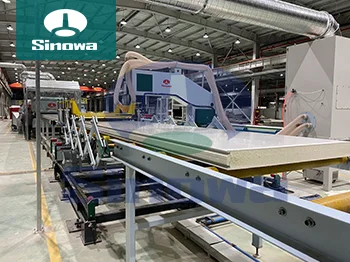
Sinowa is committed to the development and manufacturing of high-end and high-efficiency sandwich panel production line. Our sandwich panel production line are leading the way in efficiency, automatic control, human-computer interaction, environmental protection and energy consumption. Using system integration and bus control technology, it realizes the automatic integrated linkage control of the entire sandwich panel production line, and can achieve remote interactive communication, which has the world-class level and a comprehensive leading high-performance sandwich panel production line in the market.
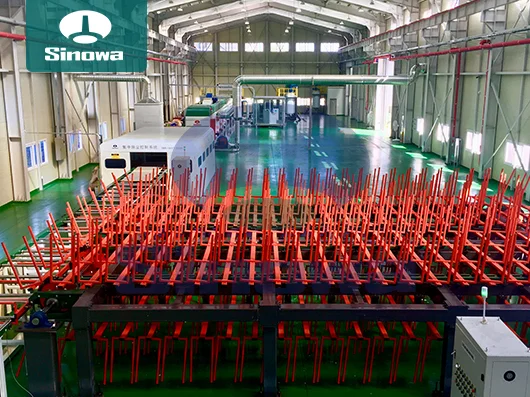
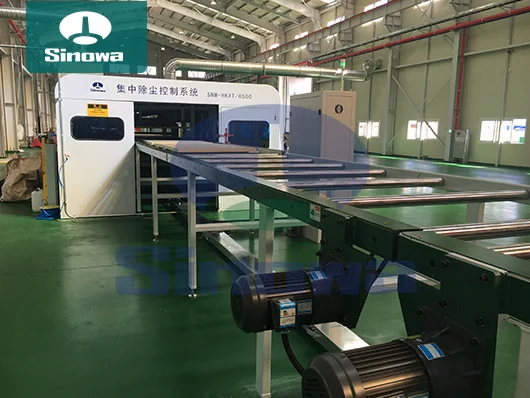
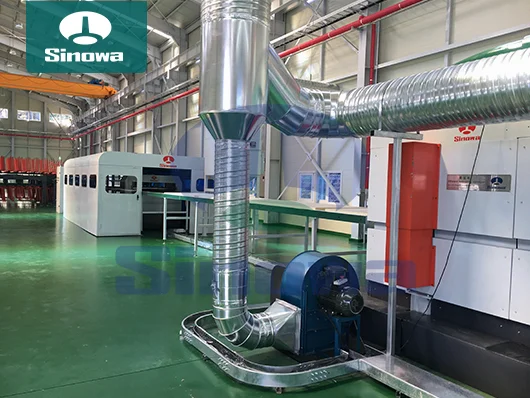
For more than ten years, relying on our innovative manufacturing concept and excellence in quality, reliable and trustworthy service to customers, we cooperate with customers all over the world, exported products to Canada, South Korea, Israel, Australia, the Middle East and other more than 20 countries and regions. contributed to building energy conservation and low-carbon production and have won widespread praise.
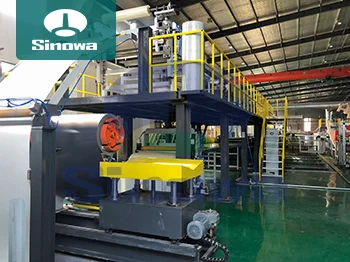
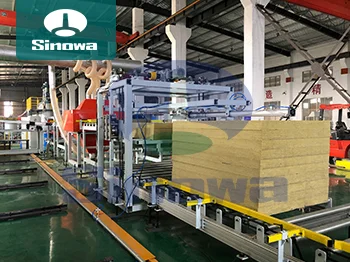
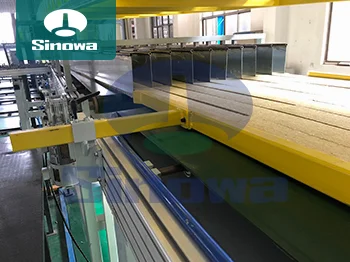
Sinowa has invested outstanding efforts in sandwich panel production line, this is why our products are more efficiency, quality, automatic control technology, environmental protection, energy consumption indicators and the appearance and safety protection are comprehensively leading, some subversive design changes in many major technical points, these major innovations make our products excellent in price/performance and user experience.
In the modern construction and manufacturing industry, sandwich panels have become an indispensable core material, valued for their unique combination of light weight, high strength, thermal insulation, soundproofing, and fire resistance. These versatile panels are widely used in various fields, from industrial workshops and commercial buildings to cold chain facilities and modular constructions, driving the continuous development and upgrading of sandwich panel production technology. At the heart of this industry lies the sandwich panel production line factory, a highly integrated and automated facility that transforms raw materials into high-quality sandwich panels through a series of precise, continuous processes. Unlike traditional manual or semi-automatic production methods, modern factories rely on advanced production lines to ensure efficiency, consistency, and adaptability, meeting the diverse needs of global markets while adhering to the principles of green and sustainable manufacturing.
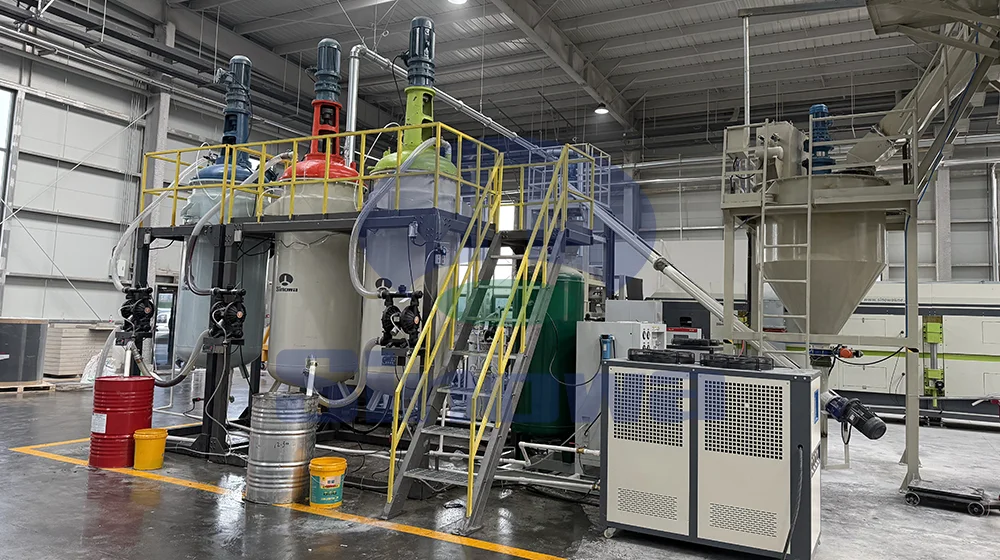
A typical sandwich panel production line factory is designed to realize a fully automated workflow, covering every stage from raw material preparation to finished product packaging, with minimal manual intervention. The layout of the factory is carefully planned to ensure the smooth flow of materials and processes, optimizing space utilization and production efficiency. The entire production process is guided by intelligent control systems, which coordinate the operation of each equipment module, monitor key parameters in real time, and adjust settings dynamically to maintain product quality. From the moment raw materials enter the factory to the final delivery of finished panels, every link is designed to be efficient, precise, and reliable, reflecting the high level of integration between mechanics, electronics, and material science in modern manufacturing.
The raw material preparation area is the starting point of the production process, where various materials are stored, inspected, and preprocessed to meet the requirements of subsequent production steps. The main raw materials used in sandwich panel production include surface materials and core materials, each playing a crucial role in determining the final performance of the panels. Surface materials are typically thin, rigid sheets such as color steel plates, aluminum plates, or fiber cement boards, chosen for their durability, weather resistance, and aesthetic appeal. These materials are delivered to the factory in the form of coils, which are then uncoiled, leveled, and cleaned to remove any dust, oil, or impurities that could affect the bonding quality with the core material. The uncoiling process is equipped with automatic deviation correction devices to ensure that the surface materials are fed smoothly without misalignment, laying a solid foundation for the subsequent lamination process.
Core materials, on the other hand, are selected based on the intended application of the sandwich panels, with different materials offering distinct properties. Common core materials include polyurethane (PU), phenolic resin, rock wool, glass wool, and expanded polystyrene (EPS). Each core material has its own advantages: PU and phenolic resin cores excel in thermal insulation and fire resistance, making them ideal for cold storage and high-temperature environments; rock wool and glass wool cores are known for their excellent soundproofing and fire-retardant properties, suitable for buildings requiring strict noise control and fire safety; EPS cores are lightweight and cost-effective, widely used in general construction projects. In the factory, core materials are prepared according to specific specifications—some are cut into sheets or blocks, while others, such as PU, are mixed and foamed on-site using high-pressure foaming machines. This flexibility in core material preparation allows the factory to produce a wide range of sandwich panels tailored to different customer needs.
After preprocessing, the surface and core materials are transported to the composite forming area, which is the core of the production line. This area integrates several key processes, including preheating, gluing, foaming (if applicable), and lamination, all of which are carried out in a continuous and coordinated manner. The preheating device adjusts the temperature of the surface materials to an optimal range, promoting better adhesion with the core material and improving the overall structural stability of the sandwich panels. For panels with foam cores such as PU, the foaming system mixes two-component raw materials in a predetermined ratio using a high-pressure foaming machine, then evenly distributes the mixture on the bottom surface material. Simultaneously, the top surface material is fed into the double-track laminating conveyor, where the foam undergoes foaming and curing between the upper and lower conveyor chains to form a solid sandwich structure. The entire process is carried out under precise temperature and pressure control, with the double-track conveyor maintaining a stable speed to ensure uniform thickness and density of the foam core.
For panels with non-foam cores such as rock wool or glass wool, the process involves applying a specialized adhesive to the core material or the surface materials, then pressing the three layers together under high pressure to achieve a firm bond. The adhesive used varies depending on the type of core and surface materials, ensuring strong adhesion and long-term durability. The laminating process is equipped with multi-roll pressure systems, which apply uniform pressure across the entire surface of the panel to eliminate air bubbles and ensure that the layers are tightly bonded. This step is critical to the structural integrity of the sandwich panels, as any gaps or weak bonds could reduce their strength and insulation performance.
Once the composite forming process is completed, the continuous sandwich panel is transported to the cutting and finishing area. Here, an automatic tracking cross-cut saw cuts the panel into specified lengths according to production requirements, with the ability to adjust cutting parameters in real time to support the production of panels with lengths ranging from 2 meters to 4 meters or more. The cutting accuracy is ensured by high-precision servo control systems, which minimize errors and ensure that each panel meets the required dimensions. After cutting, the trimming system removes excess materials from the sides of the panels to ensure neat edges, enhancing the aesthetic appeal and usability of the finished product. Some factories also include additional finishing processes, such as sanding or surface treatment, to further improve the quality of the panels.
The finished product handling and storage area is the final stage of the production process, where the cut and trimmed sandwich panels are inspected, stacked, and packaged for delivery. Quality inspection is a rigorous process, with specialized personnel and equipment checking each panel for thickness, flatness, bond strength, and surface quality. Any panels that do not meet the quality standards are rejected and sent for rework or recycling, ensuring that only high-quality products leave the factory. The inspected panels are then stacked using automatic palletizing equipment, which arranges the panels in an orderly manner to save space and facilitate transportation. Packaging materials, such as plastic film or protective boards, are used to wrap the stacked panels, preventing damage during storage and transportation.
Modern sandwich panel production line factories are characterized by their high level of automation and intelligence, which not only improves production efficiency but also ensures product consistency. The intelligent control system integrates PLC (Programmable Logic Controller) technology, which allows for centralized control of the entire production line. Operators can monitor production data, adjust process parameters, and troubleshoot equipment issues through a user-friendly interface, reducing the need for manual intervention and minimizing the risk of human error. Some advanced factories also incorporate IoT (Internet of Things) technology, enabling real-time monitoring of equipment status, production progress, and energy consumption. This data-driven approach allows factory managers to optimize production processes, reduce downtime, and improve overall operational efficiency.
Another key feature of modern sandwich panel production line factories is their flexibility and adaptability. With modular design, the production line can be easily reconfigured to produce different types of sandwich panels, switching between different core materials, surface materials, and panel specifications. This flexibility is essential in meeting the diverse needs of the market, as customers may require panels with specific properties for different applications. For example, a factory can quickly switch from producing PU sandwich panels for cold storage to rock wool sandwich panels for industrial workshops, without significant downtime or equipment modifications. This adaptability not only enhances the factory’s competitiveness but also allows it to respond quickly to changes in market demand.
Sustainability and environmental protection are also important considerations in modern sandwich panel production line factories. As the global focus on green building and low-carbon development intensifies, factories are adopting various measures to reduce their environmental impact. This includes using energy-saving motors and heat recovery systems to reduce energy consumption, recycling waste materials such as offcuts and excess foam, and using environmentally friendly adhesives and raw materials that do not contain harmful substances. Many factories also implement water recycling systems to minimize water waste, and adopt dust collection equipment to reduce air pollution during production. These measures not only help protect the environment but also reduce production costs, creating a win-win situation for the factory and the planet.
The application of sandwich panels produced by these factories is extensive and continues to expand. In the construction industry, sandwich panels are widely used for building envelopes, including walls, roofs, and ceilings, due to their lightweight and easy installation. They are particularly popular in modular construction, where prefabricated panels are assembled on-site to reduce construction time and costs. In the cold chain industry, PU and phenolic sandwich panels are used to construct cold storage warehouses, refrigerated transport vehicles, and container homes, providing excellent thermal insulation to maintain low temperatures. In industrial settings, rock wool and glass wool sandwich panels are used for sound insulation and fire protection in workshops, power plants, and data centers. Additionally, sandwich panels are increasingly used in the automotive, aerospace, and packaging industries, thanks to their high strength-to-weight ratio and versatile properties.
The development of sandwich panel production line factories is closely linked to the advancement of technology and the changing needs of the market. In recent years, there has been a growing trend towards higher automation, intelligence, and environmental friendliness in the industry. New technologies such as 3D printing are being explored to produce complex sandwich panel structures that were previously impossible with traditional production methods. The integration of artificial intelligence (AI) into the production process is also being tested, with AI algorithms used to optimize process parameters, predict equipment failures, and improve product quality. These technological advancements are expected to further enhance the efficiency and capabilities of sandwich panel production line factories, driving the industry forward.
In addition to technological advancements, the industry is also influenced by global economic trends and policy changes. The increasing demand for green buildings and sustainable construction materials has led to stricter standards for sandwich panels, pushing factories to improve the environmental performance of their products and production processes. Governments around the world are implementing policies to promote energy efficiency and reduce carbon emissions, which is expected to drive the growth of the sandwich panel industry and encourage factories to invest in new technologies and equipment.
Running a sandwich panel production line factory requires a combination of technical expertise, operational efficiency, and quality control. Factory managers must ensure that all equipment is properly maintained and calibrated to ensure optimal performance. They must also train their staff to operate the equipment safely and efficiently, and implement strict quality control measures to ensure that every product meets the required standards. Additionally, factories must manage their supply chains effectively, ensuring a steady supply of high-quality raw materials at competitive prices. This requires building strong relationships with suppliers and implementing efficient inventory management systems.
In conclusion, the sandwich panel production line factory is a vital part of the modern construction and manufacturing industry, playing a key role in producing high-quality, versatile sandwich panels that meet the diverse needs of various sectors. With its advanced automated production processes, intelligent control systems, and commitment to sustainability, the modern factory is able to achieve high efficiency, consistent quality, and environmental responsibility. As technology continues to advance and market demand evolves, sandwich panel production line factories will continue to innovate, adapting to new challenges and opportunities. Whether it is through the adoption of new materials, the integration of advanced technologies, or the optimization of production processes, these factories will remain at the forefront of the industry, driving the development of sustainable and efficient building materials for years to come.
« Sandwich Panel Production Line Factory » Update Date: 2026/4/20
Tags: Continuous PUR Sandwich Panel Production Line , Continuous PUF Sandwich Panel Production Line , Insulated Sandwich Panel Production Line , PUF Sandwich Panel Production Line , Wall Sandwich Panel Production Line , Roof Sandwich Panel Production Line , Cold Room Sandwich Panel Production Line , Cold Storage Sandwich Panel Production Line , Metal Sandwich Panel Production Line , Metal Carved Insulated Sandwich Panel Production Line , Isolation Sandwich Panel Production Line , Corrugated Sandwich Panel Production Line , Fully Automatic Rock Wool Sandwich Panel Production Line , Fully Automatic PU Sandwich Panel Production Line , Foam Sandwich Panel Production Line , Decorative PU Sandwich Panel Production Line , Continuous PU Sandwich Panel Production Line , PUR Sandwich Panel Production Line , PIR Sandwich Panel Production Line , Sandwich Panel Production Line , Soundproofing Sandwich Panel Production Line , Rock Wool Sandwich Panel Production Line , Mineral Wool Sandwich Panel Production Line , Rockwool Sandwich Panel Production Line , Glass Wool Sandwich Panel Production Line , Continuous Sandwich Panel Production Line , Composite Sandwich Panel Production Line , Color Steel Sandwich Panel Production Line , Automatic Sandwich Panel Production Line , Polyurethane Sandwich Panel Production Line , PU Sandwich Panel Production Line ,
- Cheap Sandwich Panel Making Machine
- High Efficiency PU Foam Production Line
- High-quality PIR Wall Panel Production Line
- Metal Sandwich Panel Production Line For Sale
- PU Sandwich Panel Making Machine
- Cheap PUF Panel Making Machine
- High-quality Sandwich Panel Manufacturing Line
- Low Price PUF Panel Machine
- Polyurethane Sandwich Panel Manufacturing Line Factory
- Corrugated Sandwich Panel Production Line From China
- PU Foam Production Line For Sale
- Sandwich Roof Wall Panel Making Machine For Sale
- Customized PUR Sandwich Panel Machine
- Polyurethane Sandwich Panel Production Line For Construction
- Sandwich Panel Production Machinery Design
- Foam Sandwich Panel Machine Price
- PIR Sandwich Panel Line Factory
- PIR Sandwich Panel Production Line For Cold Room
- Polyurethane Sandwich Panel Machine
- Sandwich Panel Manufacturing Line Factory
- Links:
- Sandwich Panel Continuous Production Line
- Automatic and Continuous Sandwich Panel Production Line
- Cheap and Low Price Sandwich Panel Production Line
- China Sandwich Panel Production Line Factory
- Color Steel Sandwich Panel Production Line For Cold Storage
- Continuous Composite Foam Sandwich Panel Production Line
- Continuous Production Line For Rockwool and Mineral Wool Sandwich Panels
- Continuous PU Phenolic Insulation Panel Production Line
- Continuous PU PIR Sandwich Panel Production Line
- Continuous PUF PUR Sandwich Panel Production Line
- Continuous Sandwich Panel Production Line For Roof and Wall
- Customized and Design Sandwich Panel Production Line
- Decorative Sandwich Panel Production Line For Glass Wool Boards
- High Quality Sandwich Panel Production Line For Sale
- Polyurethane(PU) Sandwich Panel Production Line
- Sandwich Panel Production Line Manufacturer and Supplier