
PU Sandwich Panel Production Line Price
Sinowa is a well-known manufacturer and technical service provider of high-end pu sandwich panel production line, learn more about pu sandwich panel production line price, please contact Sinowa's technical engineer, tell us what you need, we will contact you as soon as possible!
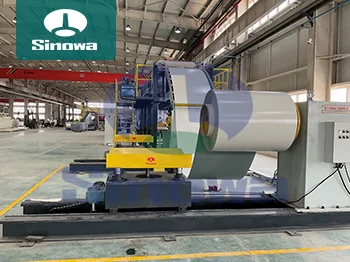
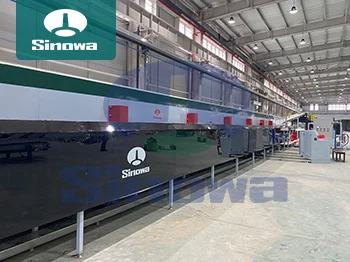
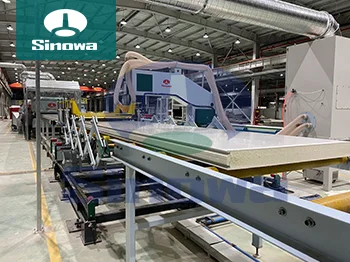
Sinowa is committed to the development and manufacturing of high-end and high-efficiency pu sandwich panel production line. Our pu sandwich panel production line are leading the way in efficiency, automatic control, human-computer interaction, environmental protection and energy consumption. Using system integration and bus control technology, it realizes the automatic integrated linkage control of the entire pu sandwich panel production line, and can achieve remote interactive communication, which has the world-class level and a comprehensive leading high-performance pu sandwich panel production line in the market.
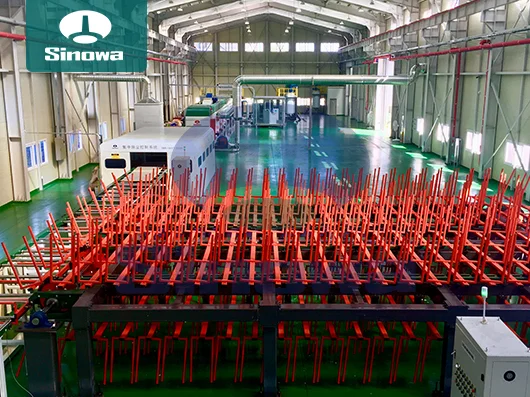
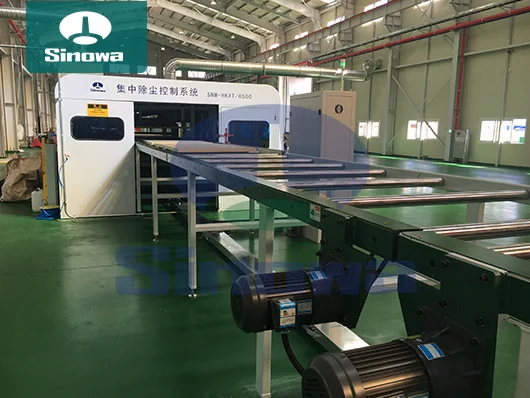
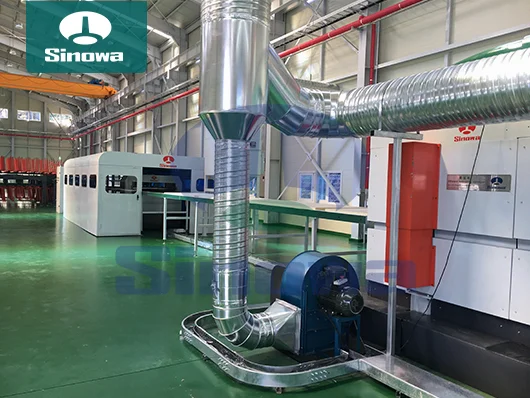
For more than ten years, relying on our innovative manufacturing concept and excellence in quality, reliable and trustworthy service to customers, we cooperate with customers all over the world, exported products to Canada, South Korea, Israel, Australia, the Middle East and other more than 20 countries and regions. contributed to building energy conservation and low-carbon production and have won widespread praise.
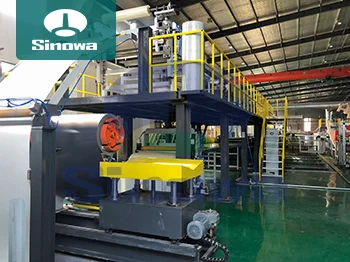
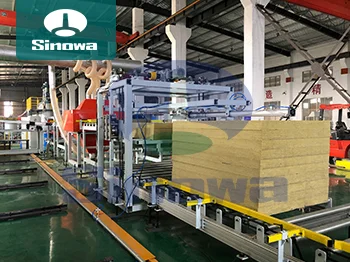
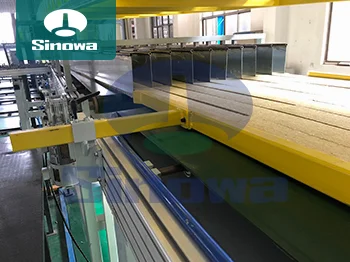
Sinowa has invested outstanding efforts in pu sandwich panel production line, this is why our products are more efficiency, quality, automatic control technology, environmental protection, energy consumption indicators and the appearance and safety protection are comprehensively leading, some subversive design changes in many major technical points, these major innovations make our products excellent in price/performance and user experience.
The production of PU sandwich panels has become an integral part of modern construction and industrial manufacturing, driven by the growing demand for high-performance, energy-efficient, and versatile building materials. These panels, composed of two outer facings and a polyurethane (PU) foam core, offer a unique combination of lightweight structure, excellent thermal insulation, soundproofing, and structural stability, making them suitable for a wide range of applications from industrial warehouses and cold storage facilities to commercial buildings and prefabricated housing. Behind the mass production of these high-quality panels lies the PU sandwich panel production line, a complex integrated system that combines precision engineering, automated processes, and adaptive technologies. While the focus of many manufacturers and investors often turns to the financial aspect of acquiring such a production line, it is essential to understand that the cost is not a fixed figure but a reflection of multiple interconnected factors that influence both the initial investment and the long-term operational efficiency. Exploring these factors, along with the components, functionality, and industry trends of PU sandwich panel production lines, provides a comprehensive understanding of why the pricing structure varies and how to make informed decisions when considering such an investment.
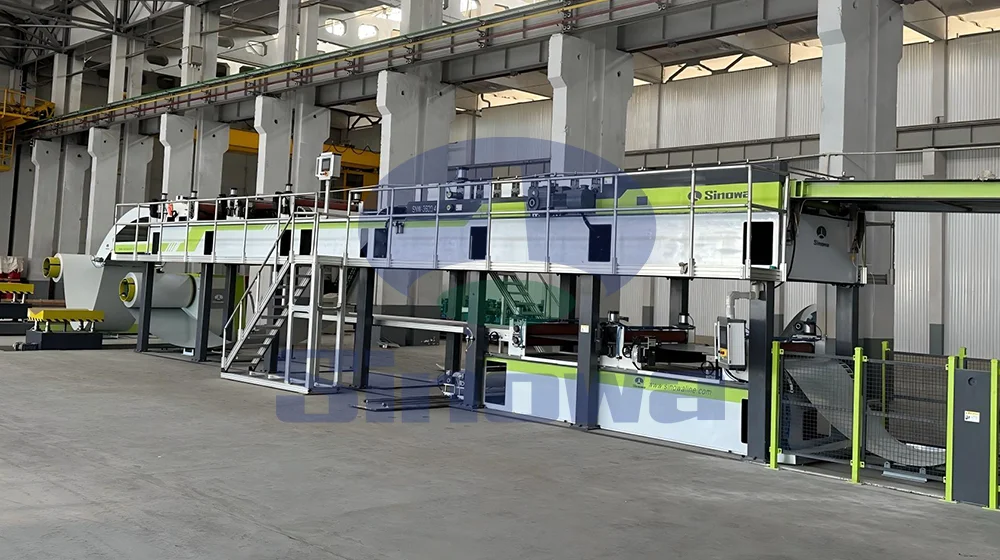
A PU sandwich panel production line is a highly integrated electromechanical system designed to streamline the entire manufacturing process, from raw material feeding to the final stacking of finished panels. Unlike traditional manual or semi-manual production methods, modern production lines leverage automation and precision control to ensure consistent product quality, reduce material waste, and enhance production efficiency. The core functionality of these lines revolves around the seamless integration of several key processes, including surface material pretreatment, PU foam mixing and pouring, laminating and pressing, curing, cutting, and stacking. Each of these processes is supported by specialized components, and the complexity and quality of these components directly impact the overall investment required for the production line. For instance, the pretreatment system, which prepares the outer facings—typically metal sheets such as galvanized steel, aluminum, or fiber-reinforced materials—for bonding with the PU core, involves uncoiling, leveling, and surface cleaning. The uncoiling and leveling unit uses hydraulic or mechanical methods to unwind and flatten the metal coils, eliminating internal stress that could affect the final panel’s flatness. The surface cleaning device, meanwhile, removes oil stains, oxides, and other contaminants through high-pressure ion air or chemical cleaning, ensuring a strong bond between the surface material and the PU core. The inclusion of advanced pretreatment equipment, such as optional film laminating machines that enhance the weather resistance of the surface materials, adds to the overall complexity and cost of the production line.
At the heart of the PU sandwich panel production line is the continuous foaming and molding system, which is responsible for creating the integral PU core that gives the panels their unique properties. This system includes a high-pressure foaming machine, which uses precision metering pumps to control the mixing ratio of isocyanates and polyols—the key raw materials for PU foam—with exceptional accuracy. The mixing ratio directly affects the density, thermal insulation, and structural strength of the PU core, so the precision of the metering pump is critical. The high-pressure foaming machine delivers the mixed raw materials to a mixing head, which evenly distributes the liquid foam between the two outer facings as they move through the production line. The double-track laminating machine, equipped with heating pressure plates and circulating steel strips on both the upper and lower sides, creates an adjustable height forming channel where the PU foam expands and cures. A sophisticated temperature control system regulates the temperature of each section of the laminating machine, ensuring that the foaming reaction occurs under optimal conditions to achieve the desired foam density and bonding strength. The length of the curing zone, typically ranging from 30 to 50 meters, allows the PU foam sufficient time to solidify, ensuring the structural integrity of the final panel. The complexity of this foaming and molding system, including the precision of the components and the level of automation, is a major factor influencing the production line’s cost.
Another critical component of the PU sandwich panel production line is the post-processing and cutting system, which ensures that the finished panels meet the required specifications. The curing zone is followed by a cutting unit, typically a servo-controlled flying saw that can cut the continuous panel into customized lengths with high precision. The cutting accuracy of these saws is often within ±1 mm, ensuring that the panels fit perfectly during installation, reducing waste and improving construction efficiency. Some advanced production lines also include an automatic waste recycling device to collect and reuse any offcuts, further reducing material waste and operational costs. After cutting, the finished panels are moved to an automatic stacking system, which uses robotic arms or vacuum suction cups to stack the panels neatly and safely. The stacking system may also include intelligent sorting algorithms and anti-dumping devices to ensure the stability of the stacked panels, reducing the risk of damage during storage and transportation. The level of automation in the post-processing system, such as the inclusion of six-axis robotic stackers or visual recognition positioning systems, adds to the production line’s cost but also significantly improves operational efficiency and reduces labor requirements.
The level of automation is one of the most significant factors influencing the cost of a PU sandwich panel production line. Fully automated production lines integrate computer numerical control (CNC) technology, PLC control systems, and industrial robot technology to achieve seamless operation from raw material feeding to finished product stacking. These lines require minimal human intervention, with operators only needed to monitor the system, adjust parameters, and handle maintenance tasks. The automation of processes such as material feeding, foaming, laminating, cutting, and stacking not only improves production efficiency but also ensures consistent product quality by reducing human error. For example, fully automated lines can achieve production speeds of 3 to 12 meters per minute, with a daily production capacity of over 5,000 square meters (based on an 8-hour shift), making them ideal for large-scale manufacturing operations. In contrast, semi-automated production lines require manual intervention for certain processes, such as loading raw materials or stacking finished panels. While these lines have a lower initial investment, they are less efficient, have higher labor costs, and may produce panels with more variation in quality. The choice between automated and semi-automated lines depends on the manufacturer’s production volume, budget, and long-term operational goals, with automated lines offering greater value for large-scale operations despite the higher initial cost.
The adaptability and versatility of the production line also play a key role in determining its cost. A multi-functional PU sandwich panel production line that can produce a variety of panel types, including wall panels, roof panels, and cold storage panels, with different thicknesses, widths, and surface materials, requires a more complex design and additional components. For instance, lines that can switch between PU, rock wool, and glass wool cores need adjustable forming molds, adaptable glue spraying systems, and modular thermal pressing devices. This flexibility allows manufacturers to meet diverse market demands without investing in multiple specialized production lines, but it also increases the initial cost. The ability to customize panel specifications, such as thickness ranging from 30 mm to 200 mm and width from 600 mm to 1200 mm or more, requires the production line to have adjustable components and advanced control systems. Some lines can store over 100 different formulas for PU foam, allowing for quick switching between product types within a few minutes, further enhancing their versatility. The more adaptable the production line, the higher the investment required, but this versatility can lead to greater market competitiveness and long-term profitability.
The quality and durability of the production line’s components are additional factors that influence its cost. Production lines constructed with high-grade materials, such as high-rigidity aluminum alloy frames and corrosion-resistant steel components, are more durable and require less maintenance over time. The use of high-quality precision motors, metering pumps, and control systems ensures the reliability and accuracy of the production process, reducing the risk of breakdowns and production delays. For example, high-pressure foaming machines with mixing head temperature control within ±0.5 ℃ and metering accuracy of ±1.5% are more expensive but ensure consistent PU foam quality. Similarly, servo-driven cutting systems with high precision and durability are a higher investment but reduce material waste and improve product quality. While production lines with lower-quality components may have a lower initial cost, they often require more frequent maintenance, have shorter lifespans, and may produce lower-quality panels, leading to higher long-term operational costs. Investing in high-quality components is therefore a strategic decision that balances initial investment with long-term reliability and efficiency.
External factors, such as raw material costs and industry trends, also have an indirect impact on the cost of PU sandwich panel production lines. The core components of the production line, including metal frames, precision motors, and control systems, are made from raw materials such as steel, aluminum, and electronic components. Fluctuations in the prices of these raw materials, driven by global supply and demand, ore prices, and manufacturing costs, can affect the overall cost of the production line. For example, an increase in steel prices may lead to higher costs for the production line’s frame and structural components. Additionally, advancements in PU foam technology and environmental regulations are driving the development of more advanced production lines. As global efforts to reduce carbon emissions and promote sustainable construction practices intensify, production lines that can produce low-VOC (volatile organic compound) panels and utilize energy-efficient processes are in higher demand. These lines may include additional components such as heat recovery systems, which can recover up to 65% of the heat generated during the foaming process, and waste recycling systems with a recycling rate of over 90%. While these eco-friendly features add to the initial cost, they reduce long-term energy and material costs and help manufacturers comply with increasingly strict environmental regulations.
The application scope of the PU sandwich panels produced by the line also influences the production line’s design and cost. PU sandwich panels are widely used in various industries, including construction, cold chain logistics, industrial manufacturing, and special environments. For example, panels used in cold storage facilities require a higher density PU core and better thermal insulation properties, which may require the production line to have more precise temperature control and foaming systems. Panels used in industrial plants may need to be more durable and resistant to harsh conditions, requiring thicker surface materials and stronger bonding. Production lines designed to cater to specialized applications, such as purification workshops or chemical facilities, may need additional features such as anti-corrosion components or specialized surface treatment systems, increasing their cost. Manufacturers that target multiple application areas will require a more versatile production line, while those focusing on a specific niche may be able to invest in a more specialized, cost-effective line.
When considering the cost of a PU sandwich panel production line, it is important to look beyond the initial investment and consider the long-term operational costs and return on investment. A higher initial investment in an automated, high-quality production line can lead to lower operational costs over time due to increased efficiency, reduced labor requirements, lower material waste, and fewer maintenance issues. For example, fully automated lines can reduce labor costs by up to 70% compared to semi-automated lines, and their higher production efficiency allows manufacturers to meet large orders more quickly, increasing revenue. Additionally, high-quality panels produced by advanced lines are more likely to meet customer expectations, leading to higher customer satisfaction and repeat business. On the other hand, a lower initial investment in a semi-automated or low-quality line may result in higher labor costs, more material waste, and frequent maintenance, leading to higher long-term costs and lower profitability. Manufacturers must therefore balance their initial budget with their long-term production goals and market demands to choose a production line that offers the best value.
The global market for PU sandwich panel production lines is constantly evolving, driven by advancements in technology, changes in environmental regulations, and growing demand for sustainable construction materials. As technology continues to progress, production lines are becoming more intelligent, with the integration of artificial intelligence (AI) and Internet of Things (IoT) technologies. These smart production lines can monitor production processes in real-time, predict maintenance needs, and adjust parameters automatically to optimize efficiency and product quality. For example, AI-powered control systems can analyze data from sensors throughout the production line to identify potential issues before they cause breakdowns, reducing downtime and maintenance costs. IoT integration allows manufacturers to remotely monitor and control the production line, improving operational flexibility and reducing the need for on-site personnel. While these smart features add to the initial cost of the production line, they offer significant long-term benefits in terms of efficiency, reliability, and cost savings.
Another emerging trend in the industry is the development of modular production lines, which allow manufacturers to expand or modify their production capacity as their business grows. Modular lines are composed of prefabricated components that can be easily added or removed, making it possible to scale production up or down without significant downtime or additional investment in a new line. This flexibility is particularly beneficial for small and medium-sized manufacturers that may start with a smaller production capacity and expand as their market share grows. Modular production lines also allow for easier maintenance and upgrades, as individual components can be replaced or upgraded without affecting the entire line. While modular lines may have a slightly higher initial cost than traditional fixed lines, their flexibility and scalability make them a cost-effective choice for long-term growth.
In conclusion, the cost of a PU sandwich panel production line is influenced by a complex interplay of factors, including the level of automation, the quality and complexity of components, adaptability and versatility, raw material costs, industry trends, and application scope. It is not a fixed figure but a reflection of the production line’s capabilities, reliability, and long-term value. Manufacturers and investors must carefully evaluate their production needs, budget, and market goals to choose a production line that balances initial investment with operational efficiency and profitability. While a higher initial investment may seem daunting, it often leads to lower long-term costs, higher product quality, and greater market competitiveness. As the industry continues to evolve with advancements in technology and a growing focus on sustainability, the demand for advanced, efficient, and eco-friendly PU sandwich panel production lines is expected to increase, driving further innovations in design and pricing. Understanding the factors that influence the cost of these production lines is essential for making informed decisions that will support long-term business success in the dynamic and growing market for PU sandwich panels.
« PU Sandwich Panel Production Line Price » Update Date: 2026/4/16
Tags: Fully Automatic PU Sandwich Panel Production Line , Discontinuous PU Sandwich Panel Production Line , Decorative PU Sandwich Panel Production Line , Continuous PU Sandwich Panel Production Line , PU Sandwich Panel Production Line ,
- Custom Sandwich Roof Panel Production Line
- PIR Sandwich Panel Line For Construction
- Sandwich Panel Integrated Production Line Design
- Wall Sandwich Panel Production Line
- PU Sandwich Panel Machine For Clean Room
- Roof Sandwich Panel Production Line Supplier
- Sandwich Panel Making Equipment Manufacturer
- High-tech PU Sandwich Panel Line
- Highly Intelligent Polyurethane Foam Production Line
- Customized PU Board Production Line
- PU Board Production Line Manufacturer
- Cheap Glass Wool Sandwich Panel Line
- Insulated Sandwich Panel Line Manufacturer
- PU Insulation Panel Production Line Design
- Cheap Glass Wool Production Line
- PUF Panel Machine From China
- High-end Fully Automatic PU Sandwich Panel Line
- Low Price PU Sandwich Panel Production Line
- Composite Sandwich Panel Production Line Design
- PUR Sandwich Panel Line Manufacturer