
Continuous PU/PIR Sandwich Panel Production Line
Dedicated to the research and development of high-end and high-efficiency sandwich panel production line, Sinowa is comprehensively taking the leading position in terms of efficiency, automation control level, HMI, environment protection and energy consumption, with subversive designs made in some critical technological fields to procure exceptional cost performance and customer-friendly experience for the entire production line. The adoption of system integration technology and bus control technology accomplishes the full automatization of integrated and coordinated control of the entire production line with accessible remote interactive communication. Ranking the first-class level in the world, it is currently the pu sandwich panel machine in the market taking a comprehensive lead in high performance.
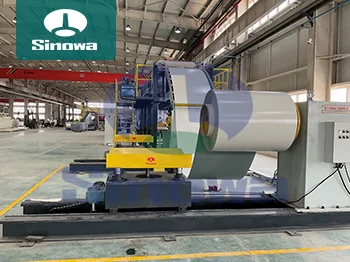
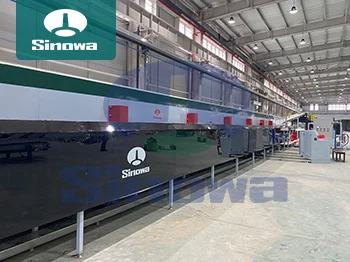
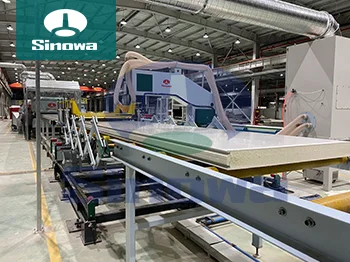
Based on the continuous technological pursuit, the sandwich panel production line developed by Sinowa provides you with high-efficiency industrial value. Based on China's cost advantage and our hard-working technology concept, our production line has a world-leading price-performance advantage. Continuous PU/PIR Sandwich Panel Production Line can meet a variety of production needs of customers.The whole sandwich panel machine design concept of modularization enables all our components to be integrated and combined at will.
Our pu sandwich panel production line can easily automate the production of roof sandwich panel, wall sandwich panel, cold storage sandwich panel and other products by different combination and configuration selection and siple switching. The inner core layer can be polyrethane or rock wool, glass wool, an so on.


The pu sandwich panel line has high adaptability, which may produce various sandwich panel of the PU, PIR and rock wool systems. We may design various products according to the customer’s requirements, including various configurations, so as to meet their demands with flexible price system.
Highly integrated and linked control system centralizes all control points at the main central center, achieving parameter linkage, fault self-diagnosis controlled by the whole line and shipping distance control. High-level automatic control system also saves the manpower and reduces the manpower loss for customers.


Concentrated system control is fully realized in the practice of concentrated process control so that the control system of all the movements of the parts in the line is integrated in one process control console with accessible remote communication to elevate the automation and reduce the allocated number of personnel for the assembly line.
The main engine with modularized design achieves the precision operation of the production line, stable and reliable quality, less part and maintenance loss.
The whole line has over 40 innovative inventions, making our products have lots of unique features and the comprehensive performance of our production line leading in the industry.


The precision servo hoisting mechanism employed by the main engine without hydraulic system makes the board thickness control flexible and the customer may conveniently change or adjust the board thickness. There will be not such troubles as hydraulic system adjustment, leakage, maintenance, etc.
High-level energy saving and protection design makes the whole pu sandwich panel production line possible to produce around the clock throughout the year and the customer will save huge budget. In addition, the isolated heat preservation room is constructed for warming the environment. The energy saving and protection design of our production line may guarantee that the customer’s production line may be freely heated and produce in the main time to save more costs for customers.


The high-power low-consumption design quickens the reaction of the pir sandwich panel production line while energy consumption is kept low. With the brand-new, fully sealed inner insulation design, the energy consumption is controlled at the minimum level to achieve the design objective of less than an hour for the insulation system to be activated from the room temperature above 5℃ to the production process temperature. The energy consumption is only 40% that of those similar products.
Continuous PU Sandwich Panel Production Line and Continuous PIR Sandwich Panel Production Line stand as two of the most advanced and widely adopted manufacturing solutions in the modern composite building material industry, each engineered to deliver high-performance insulated sandwich panels with consistent quality, high output efficiency, and customizable structural properties to meet diverse commercial, industrial, and residential construction demands. Unlike batch or discontinuous production methods that rely on manual handling, intermittent material feeding, and separate curing stages, these continuous production lines operate as fully integrated, synchronized systems that transform raw input materials into finished sandwich panels in a single, uninterrupted workflow, eliminating material waste, reducing labor dependency, and maintaining uniform product specifications across long production runs. While both lines share a foundational structural framework and core operational logic for sandwich panel manufacturing, they are uniquely calibrated to accommodate the distinct chemical properties, foaming behaviors, and curing requirements of polyurethane (PU) and polyisocyanurate (PIR) foam core materials, resulting in subtle but critical differences in process parameters, component configurations, and performance outcomes that make each line suited for specific end-use applications. To fully understand the functionality, versatility, and industrial significance of these two production lines, it is essential to explore their shared operational foundations, the specialized adaptations that distinguish PU and PIR production, the intricate coordination of mechanical and chemical processes, quality assurance protocols, and the practical benefits they bring to manufacturers and end users alike, all while avoiding reference to specific brand identifiers, regulatory certifications, or numerical pricing details.
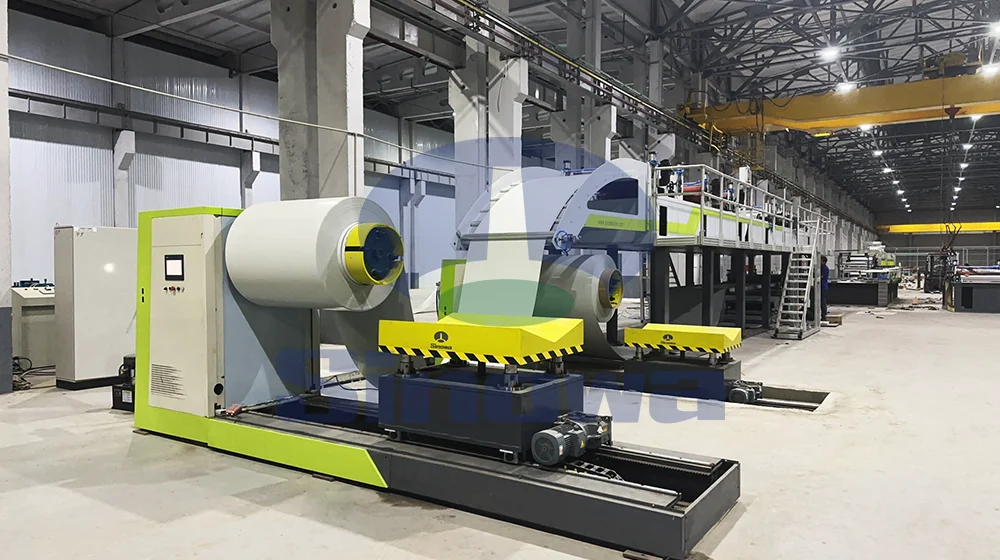
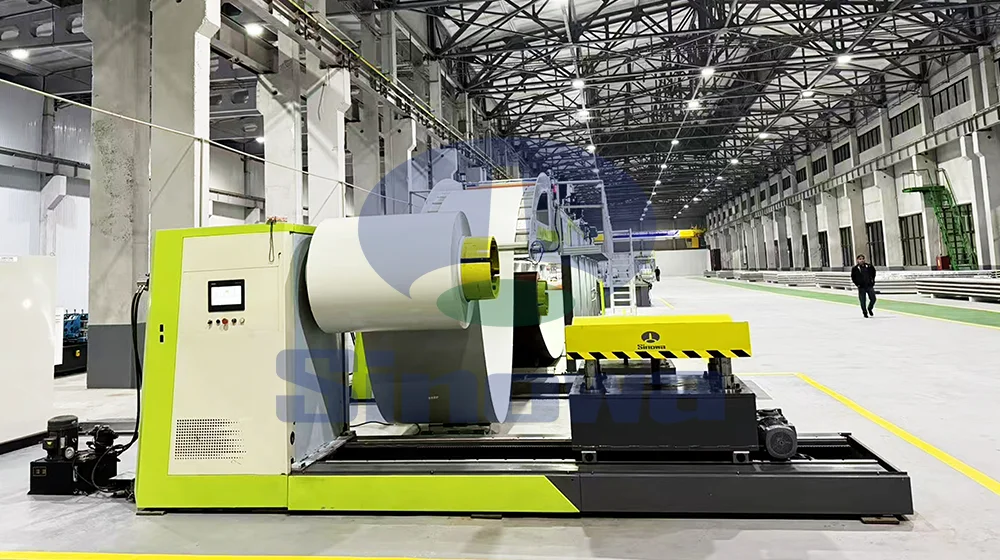
At the heart of both Continuous PU Sandwich Panel Making Line and Continuous PIR Sandwich Panel Making Line lies a sequential, automated material handling and forming process that begins with the preparation and feeding of facing materials, which typically consist of metal coils—most commonly galvanized steel, aluminum, or pre-coated metal sheets—selected for their structural rigidity, weather resistance, and compatibility with foam core bonding. The initial stage of production centers on uncoiling and precision feeding, where heavy-duty coil holders and decoiler units gently unwind the metal facing materials at a controlled, consistent speed, ensuring no creasing, warping, or misalignment occurs as the sheets enter the production line. This uncoiling process is designed for continuous operation, with automated coil splicing systems that allow new coils to be connected to the end of depleted rolls without stopping the entire production line, a critical feature for maintaining uninterrupted output and minimizing production downtime. Following uncoiling, the metal sheets pass through a series of leveling and cleaning stations to remove surface contaminants, smooth out minor imperfections, and create a uniform, flat surface that promotes strong adhesion with the foam core material. Some configurations also include a pre-heating module for the facing materials, which raises the surface temperature to an optimal range that enhances the bonding strength between the metal facings and the foam core, preventing delamination and improving the overall structural integrity of the finished panels; this pre-heating function is carefully calibrated for both PU and PIR lines, though temperature settings are adjusted to align with the unique bonding requirements of each foam type.
After surface preparation, the metal facings move into the roll forming section, a precision-engineered module that shapes the flat metal sheets into the desired profile geometry, ranging from simple flat panels to corrugated, trapezoidal, or custom-profiled designs tailored for roofing, wall cladding, cold storage, or partition applications. The roll forming process uses a series of sequentially arranged roller stations that gradually bend and form the metal sheets without cutting or stretching, ensuring consistent profile dimensions across the entire length of the panel. The speed of roll forming is fully synchronized with the rest of the production line, maintaining a steady material flow that prevents bottlenecks and ensures the facings reach the foaming and lamination station at the exact moment required for seamless integration. This synchronization is a defining feature of continuous production lines, as even minor deviations in speed or timing can disrupt the foaming process, compromise panel thickness uniformity, or create gaps between the facing materials and the foam core. For both PU and PIR lines, the roll forming equipment is modular and adjustable, allowing manufacturers to quickly reconfigure roller positions and spacing to switch between different panel profiles and thicknesses without extensive retooling, enhancing the line’s versatility for mixed-production schedules.
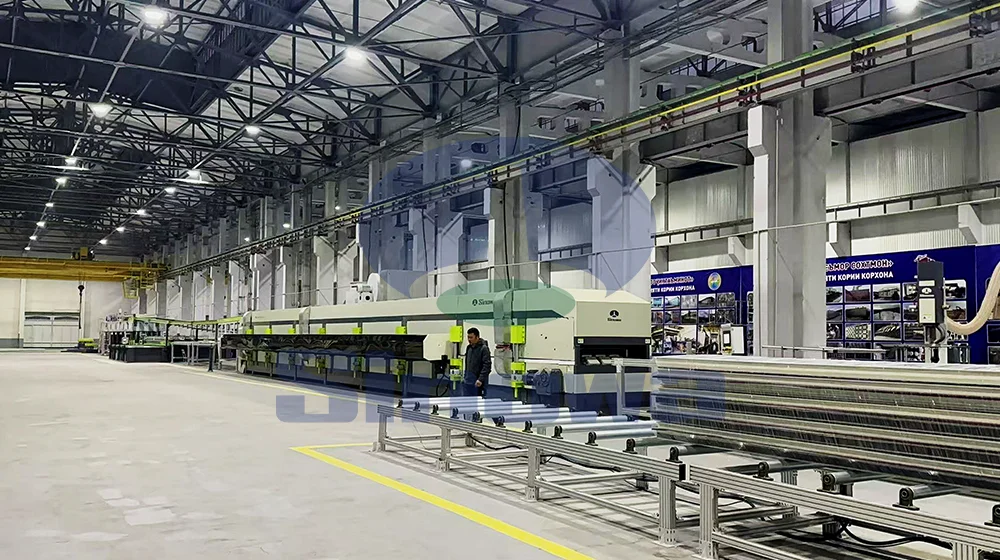
The most critical and distinguishing section of both Continuous PU Sandwich Panel Manufacturing Line and Continuous PIR Sandwich Panel Manufacturing Line is the foam dosing, mixing, and lamination system, where the liquid chemical components of the core material are precisely blended, injected between the upper and lower metal facings, and allowed to expand and cure to form a rigid, insulating foam core. This stage is where the unique properties of PU and PIR materials dictate specialized line configurations, as the two foam types have distinct chemical compositions, reaction rates, expansion ratios, and curing temperatures that require targeted adjustments to dosing equipment, mixing heads, temperature controls, and pressure settings. Polyurethane (PU) foam is formed through the chemical reaction of polyol and isocyanate components, blended with blowing agents, catalysts, and stabilizers to create a flexible yet durable closed-cell foam with excellent thermal insulation, sound absorption, and adhesive properties. Polyisocyanurate (PIR) foam, by contrast, uses a higher proportion of isocyanate and modified chemical additives, resulting in a more rigid, fire-resistant closed-cell foam with superior thermal stability and lower thermal conductivity at high temperatures, making it ideal for applications requiring enhanced fire performance and extreme temperature insulation. The continuous production lines are engineered to accommodate these chemical differences without altering the overall continuous workflow, with dedicated dosing systems that deliver precise, consistent ratios of chemical components to the mixing head, eliminating variations in foam density, cell structure, and mechanical strength.
In both production lines, the chemical dosing system operates on a high-precision metering principle, using positive displacement pumps that deliver exact volumes of polyol, isocyanate, and auxiliary additives to a dynamic high-speed mixing head. This mixing head is designed to create a homogeneous, turbulence-free blend of the liquid chemicals, ensuring uniform reaction and expansion across the entire width of the panel. The mixed liquid foam is then continuously injected onto the surface of the lower metal facing, just as the upper facing is lowered into position to form a closed sandwich structure. The entire injection process is enclosed and controlled to prevent exposure to external contaminants, and the flow rate of the foam mixture is perfectly matched to the line speed, ensuring consistent foam thickness and density from the leading edge to the trailing edge of each panel. For the Continuous PU Sandwich Panel Production Line, the mixing and injection parameters are set to support the relatively faster reaction and expansion rate of PU foam, with moderate temperature and pressure settings that promote complete curing without compromising the foam’s flexibility. For the Continuous PIR Sandwich Panel Production Line, the system is adjusted to accommodate the slower, more controlled reaction of PIR chemicals, with higher temperature settings in the lamination zone and a longer curing window to facilitate the full cross-linking of the isocyanate-rich formula, which is essential for achieving the foam’s signature rigidity and fire-resistant properties. The mixing head in both lines is self-cleaning to prevent chemical buildup and blockages, ensuring consistent performance over extended production runs and reducing the need for frequent manual maintenance.
Immediately following foam injection and lamination, the newly formed sandwich panel enters the double-belt press and curing module, the longest and most thermally controlled section of the continuous production line, where the foam core expands to fill the entire cavity between the metal facings, bonds securely to both surfaces, and undergoes complete polymerization and curing to achieve its final mechanical and insulating properties. The double-belt press consists of two parallel, heat-controlled conveyor belts that apply uniform, consistent pressure across the entire width and length of the panel, holding the facings and expanding foam in place to maintain precise panel thickness and prevent warping or uneven expansion. The upper and lower belts are heated to a targeted temperature range that is optimized for either PU or PIR foam curing: PU panels require a moderate, steady heat profile to support complete curing without overheating, which can cause foam shrinkage or cell rupture, while PIR panels need a higher, more gradual heat application to drive the full chemical cross-linking reaction and develop the foam’s dense, fire-resistant cell structure. The length of the double-belt press is calibrated to match the line speed and curing time of each foam type, ensuring that every panel spends the exact amount of time under controlled heat and pressure needed for full curing before exiting the press. This continuous curing process eliminates the need for separate curing ovens or stationary holding racks, a key advantage over discontinuous production methods, as it allows panels to move directly from the curing stage to the finishing and cutting section without intermediate handling.
Throughout the double-belt press section, both production lines incorporate advanced temperature and pressure monitoring systems that provide real-time feedback to the central control unit, allowing for instant adjustments to heat levels, belt speed, and pressure if deviations are detected. This closed-loop control is vital for maintaining consistent product quality, as variations in temperature or pressure can lead to inconsistent foam density, poor bonding between the core and facings, or dimensional instability in the finished panels. The conveyor belts are constructed from high-temperature, non-stick materials that prevent the foam from adhering to the belt surface during curing, ensuring a smooth, clean finish on the inner surface of the metal facings and eliminating the need for secondary surface treatment. As the panel exits the double-belt press, the foam core is fully cured and rigid, with a uniform closed-cell structure that delivers the intended thermal insulation, compressive strength, and durability properties specific to PU or PIR material. At this stage, the panel is a continuous, uninterrupted length of composite material, ready for precision cutting, edge trimming, and final finishing to meet custom length specifications.
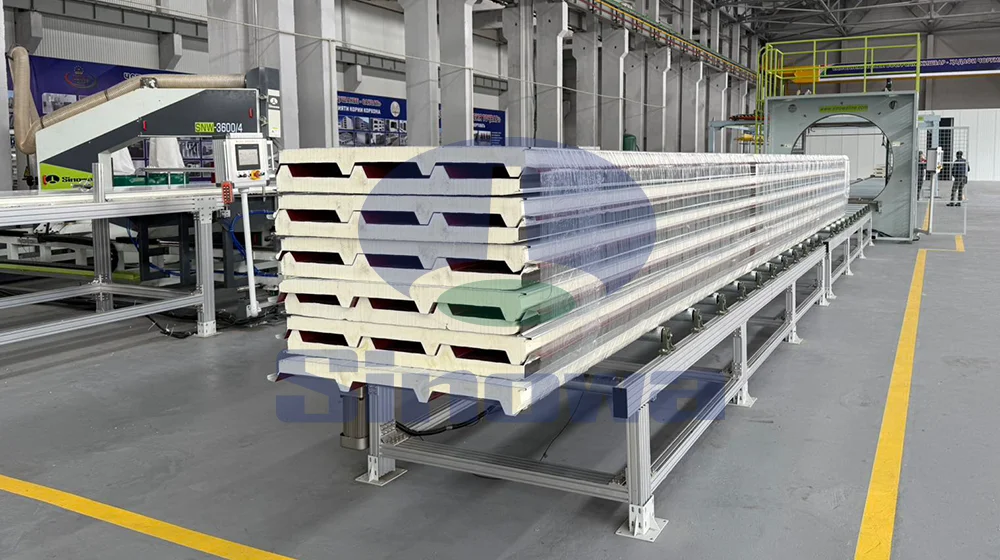
The final operational stage of both Continuous PU Sandwich Panel Line and Continuous PIR Sandwich Panel Line is the automated cutting, trimming, and handling section, which transforms the continuous panel length into individual finished panels of precise, customer-specified dimensions without halting the production flow. This section features a flying cut-off saw, a high-speed cutting unit that moves synchronously with the panel as it exits the curing press, making clean, accurate cross-cuts to the desired length while the panel remains in motion. This flying cut design is a hallmark of continuous production lines, as it eliminates the need to stop the line for cutting, preserving output efficiency and ensuring consistent production rates. Following cutting, the panels pass through edge trimming stations that remove any excess material or uneven edges, creating a clean, uniform profile that meets industry standards for fit and finish. Some line configurations also include optional surface protection application stations, where a thin protective film is applied to the outer metal facings to prevent scratches, scuffs, or environmental damage during transportation, storage, and installation. The finished panels are then automatically conveyed to a stacking and sorting unit, which gently stacks the panels in uniform bundles for packaging and shipment, with adjustable stacking mechanisms to accommodate different panel thicknesses, lengths, and profiles. This fully automated finishing process minimizes manual handling, reduces the risk of product damage, and streamlines the transition from production to storage, further enhancing the overall operational efficiency of the line.
While the core workflow of uncoiling, roll forming, foaming, curing, and cutting is shared between the two production lines, the Continuous PU Sandwich Panel Production Line and Continuous PIR Sandwich Panel Production Line differ significantly in their auxiliary systems, process parameters, and performance optimization features to suit the unique characteristics of each foam material. For PU foam production, the line is engineered for faster cycle times and greater flexibility, with adjustable foaming pressures and curing temperatures that allow manufacturers to produce panels with varying foam densities, from soft, flexible cores for interior partition applications to rigid, high-density cores for roofing and exterior wall systems. PU foam’s excellent adhesive properties reduce the need for additional bonding agents between the core and facings, simplifying the production process and reducing material costs, while its balanced insulation and mechanical properties make PU sandwich panels suitable for a broad range of general construction, cold storage, and prefabricated building applications. The Continuous PU Sandwich Panel Production Line is also designed for lower energy consumption in the curing stage, as PU foam cures efficiently at moderate temperatures, making it a cost-effective option for high-volume, general-purpose panel production.
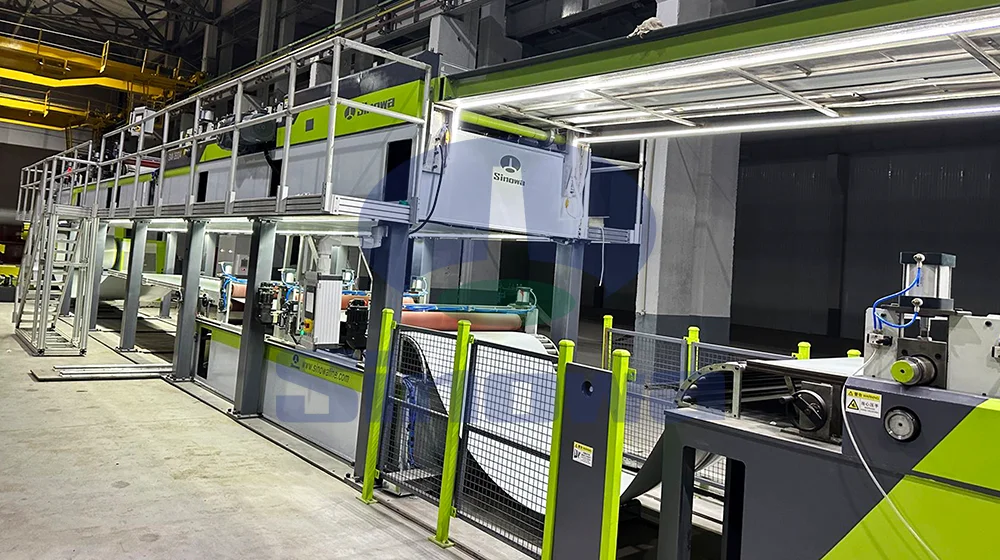
In contrast, the Continuous PIR Sandwich Panel Production Machine is equipped with enhanced thermal control systems, modified chemical dosing units, and a longer curing zone to support the specialized production of PIR foam panels, which prioritize fire resistance, thermal stability, and long-term insulating performance. The higher isocyanate content in PIR chemicals requires more precise dosing control to maintain the correct chemical ratio, as even small deviations can disrupt the foaming reaction and compromise the foam’s fire-resistant properties. The extended curing zone and higher temperature settings in the double-belt press ensure that the PIR foam undergoes complete polymerization, forming a dense, cross-linked cell structure that resists heat transfer, flame spread, and smoke development under high-temperature conditions. These properties make PIR sandwich panels the preferred choice for applications with strict fire safety requirements, such as commercial cold storage facilities, industrial warehouses, high-rise building cladding, and temperature-controlled transportation infrastructure. The PIR production line also includes additional ventilation and fume extraction systems in the foaming and curing zones to manage the byproducts of the PIR chemical reaction, ensuring a safe operating environment for production personnel without disrupting the continuous workflow.
Operational efficiency and production scalability are core advantages of both continuous production lines, setting them apart from traditional discontinuous manufacturing methods and making them indispensable for modern composite panel manufacturers. The fully automated, synchronized design of these lines reduces labor requirements significantly, as only a small team of operators is needed to monitor the central control system, perform routine maintenance, and manage raw material replenishment, eliminating the need for manual material handling, foam mixing, and panel positioning that define batch production. The continuous workflow also minimizes material waste, as there is no scrap generated from intermittent production stops, incomplete curing, or misaligned panels, and the precise dosing and forming systems ensure that raw materials are used efficiently with minimal excess. Manufacturers can easily scale production output by adjusting line speed, within the limits of foam curing requirements, to meet fluctuating market demand, and the modular design of the line allows for the addition of auxiliary modules, such as custom profile roll formers, surface coating units, or edge sealing systems, to expand product offerings without overhauling the entire production setup. This scalability and adaptability make both Continuous PU Sandwich Panel Production Line and Continuous PIR Sandwich Panel Production Line suitable for small-scale specialized manufacturing and large-scale industrial production facilities alike.
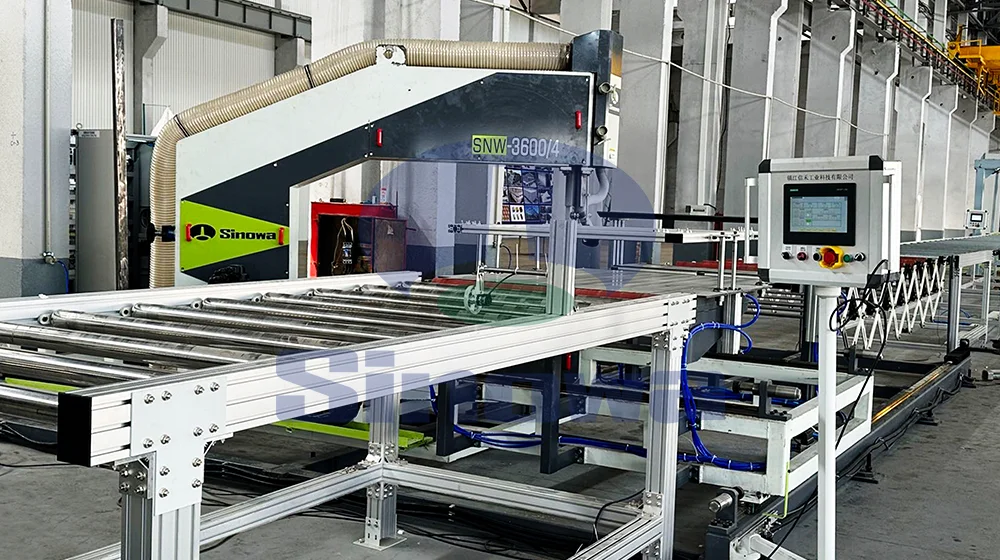
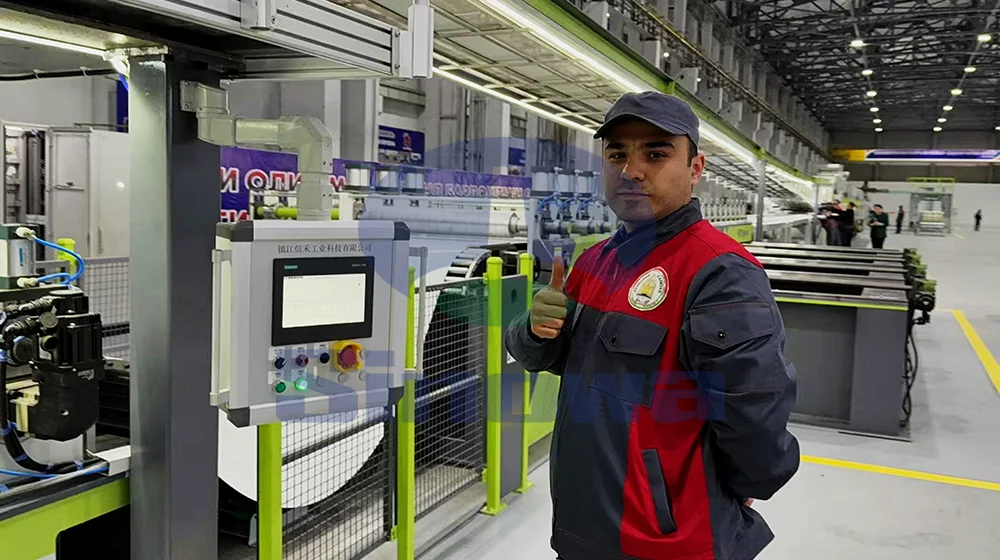
Quality assurance is embedded into every stage of both continuous production lines, with built-in monitoring and control systems that ensure consistent product quality across all production runs, regardless of volume or panel specifications. The central control unit, typically a touch-screen human-machine interface (HMI), provides real-time visibility into all critical process parameters, including line speed, material feed rate, chemical dosing ratio, foaming pressure, curing temperature, and panel thickness. Operators can set and lock parameters for specific panel types, ensuring that every panel produced adheres to the same dimensional, structural, and performance standards, with no variation between batches. In-line sensors continuously measure panel thickness, foam density, and bonding integrity, triggering automatic adjustments or alerts if any parameter falls outside the acceptable range, preventing defective panels from entering the finishing and shipping stages. This proactive quality control eliminates the need for extensive post-production inspection and testing, reducing quality control costs and ensuring that only panels meeting strict internal quality standards are delivered to customers. The consistent quality achieved by continuous production lines also enhances the reliability of sandwich panels in real-world applications, ensuring long-term performance, structural stability, and insulation efficiency for end users.
Maintenance and longevity are key considerations in the design of both Continuous PU Sandwich Panel Machine and Continuous PIR Sandwich Panel Machine, with durable, heavy-duty components and user-friendly maintenance features that minimize downtime and extend the service life of the equipment. Critical components, such as the decoiler motors, roll forming rollers, mixing heads, double-belt press belts, and cutting saw blades, are constructed from wear-resistant materials to withstand continuous, high-volume operation, and routine maintenance tasks, such as cleaning, lubrication, and component inspection, are designed to be performed quickly and efficiently without disassembling large sections of the line. The central control system also includes diagnostic features that alert operators to potential maintenance issues, such as worn components, clogged dosing lines, or temperature control malfunctions, before they lead to equipment failure or production disruptions. Preventive maintenance schedules can be programmed directly into the control system, ensuring that maintenance tasks are performed at regular intervals to keep the line operating at peak efficiency. While the PIR production line may require slightly more frequent maintenance of the chemical dosing and ventilation systems due to the more reactive nature of PIR chemicals, both lines are designed for low long-term maintenance requirements, making them a cost-effective long-term investment for manufacturers.
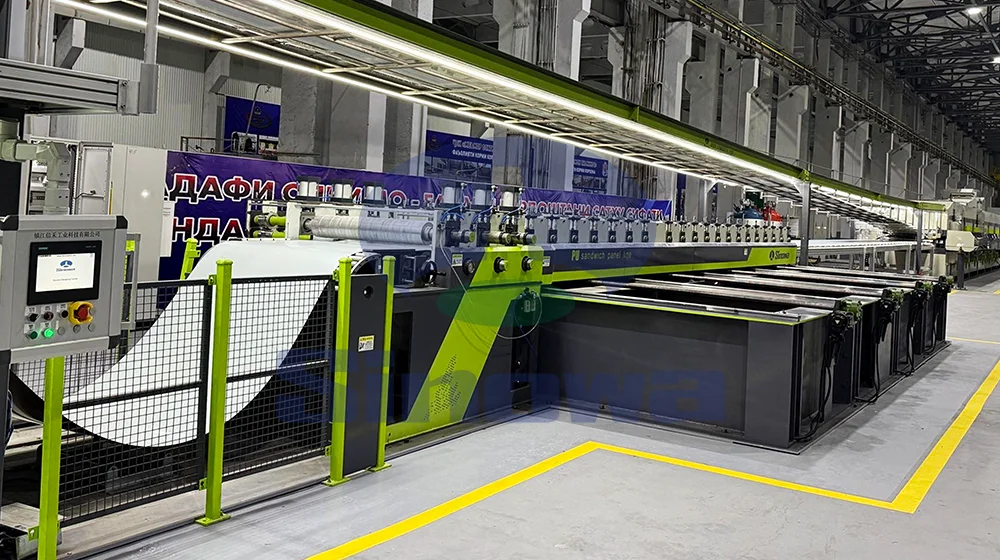
The industrial and market value of Continuous PU Sandwich Panel Production Machine and Continuous PIR Sandwich Panel Production Machine extends far beyond manufacturing efficiency, as these lines enable the production of high-performance insulated sandwich panels that address critical global demands for energy-efficient, sustainable, and safe building materials. PU and PIR sandwich panels are widely used in green building construction, as their exceptional thermal insulation properties reduce energy consumption for heating and cooling in residential, commercial, and industrial structures, lowering carbon emissions and supporting sustainable building practices. The lightweight yet durable nature of these panels also reduces transportation costs and simplifies installation, making them a popular choice for prefabricated and modular construction projects that prioritize speed and efficiency. PIR panels, with their superior fire resistance, contribute to enhanced building safety, meeting strict fire code requirements for high-traffic and industrial structures, while PU panels offer a cost-effective, versatile insulation solution for general construction applications. As global demand for energy-efficient building materials continues to rise, the role of these continuous production lines becomes increasingly vital, as they provide manufacturers with the capability to produce high-quality, consistent sandwich panels at scale to meet market needs.
Beyond traditional building and construction applications, the panels produced by these continuous lines find use in a wide range of specialized industries, including cold chain logistics, agricultural storage, marine construction, and industrial equipment insulation. Cold storage facilities, in particular, rely heavily on both PU and PIR sandwich panels for their ability to maintain consistent low temperatures with minimal energy loss, with PIR panels preferred for ultra-low-temperature cold storage and PU panels used for standard temperature-controlled environments. Agricultural buildings, such as grain silos and livestock housing, benefit from the panels’ insulation and moisture resistance, protecting stored goods and maintaining stable indoor conditions for livestock. In marine and industrial applications, the panels’ corrosion-resistant metal facings and insulating properties make them suitable for offshore structures, temperature-controlled shipping containers, and industrial machinery enclosures, highlighting the versatility of the products manufactured by these two production lines. The ability of both lines to produce custom-sized, profiled panels ensures that manufacturers can cater to these niche applications without sacrificing production efficiency, further expanding the market reach and utility of continuous PU and PIR sandwich panel production technology.
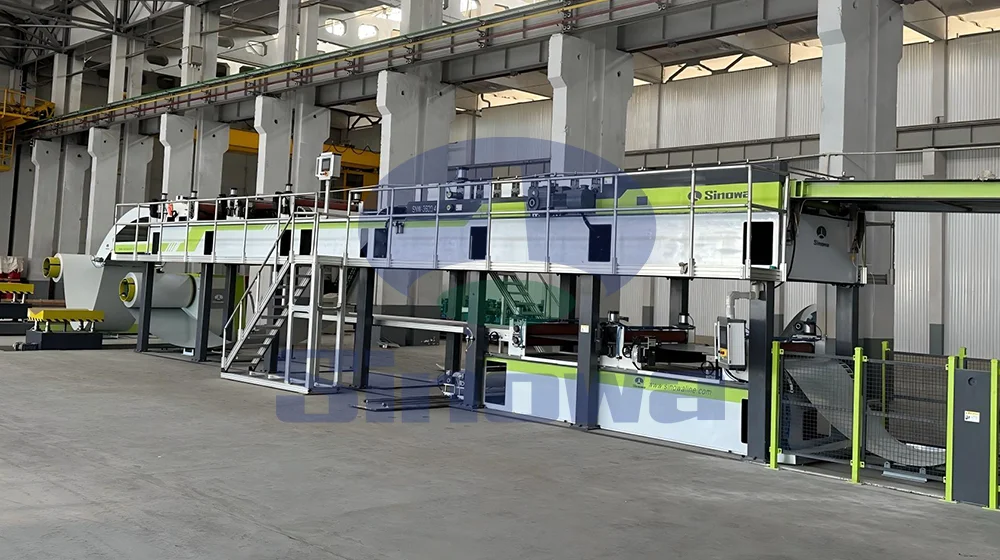
It is also important to recognize the operational safety features integrated into both Continuous Polyurethane Sandwich Panel Production Line and Continuous PIR Sandwich Panel Production Line, which prioritize the well-being of production personnel and comply with industrial safety standards for chemical handling, mechanical operation, and thermal processing. All high-temperature components, such as the double-belt press and pre-heating modules, are enclosed with heat-resistant safety guards to prevent accidental contact, while emergency stop buttons are strategically placed along the entire length of the line for immediate shutdown in case of an emergency. The chemical dosing and mixing systems are fully enclosed to prevent exposure to liquid foam chemicals, with fume extraction systems that remove any airborne vapors from the production area, maintaining a safe and comfortable working environment. Automated material handling systems eliminate the need for heavy manual lifting, reducing the risk of workplace injuries, while the central control system provides clear, intuitive operation controls to minimize human error. These safety features are standard across both line configurations, ensuring that manufacturers can operate the equipment safely and efficiently over long periods.
In summary, Continuous PU Sandwich Panel Production Equipment and Continuous PIR Sandwich Panel Production Equipment represent the pinnacle of modern composite sandwich panel manufacturing, combining automated precision, continuous workflow efficiency, and material-specific engineering to produce high-quality, high-performance insulated panels for a vast array of applications. While they share a common structural foundation and core operational logic, their specialized design adaptations for PU and PIR foam materials make each line uniquely suited to deliver panels with distinct performance properties, balancing cost efficiency, insulation performance, fire resistance, and structural durability to meet diverse market demands. The seamless, uninterrupted production process, integrated quality control, and scalable design of these lines offer manufacturers significant advantages in terms of output efficiency, material utilization, and product consistency, while the panels they produce contribute to global efforts in energy conservation, sustainable construction, and building safety. As the demand for advanced, eco-friendly building materials continues to grow, these continuous production lines will remain essential tools for manufacturers, driving innovation in composite panel technology and supporting the development of more efficient, resilient, and sustainable built environments worldwide. Their ability to adapt to evolving market needs, accommodate custom product specifications, and maintain consistent quality across large production runs solidifies their position as foundational equipment in the global composite building material industry, with enduring value for both manufacturers and end users across commercial, industrial, and residential sectors.
- 2026-10-26PUF Panel Manufacturing Machine Price
- 2026-10-26PUR Sandwich Panel Machine On Sales
- 2026-10-26Sandwich Panel Line Design
- 2026-10-26Sandwich Panel Making Equipment From China
- 2026-10-26Sandwich Panel Production Machinery For Sale
- 2026-10-26Glass Wool Sandwich Panel Line Manufacturer
- 2026-10-26Fully Automatic Sandwich Panel Making Machine Supplier
- 2026-10-26Custom Continuous Sandwich Panel Manufacturing Line
- 2026-10-26Cheap PUR Sandwich Panel Machine
- 2026-10-23PUR Sandwich Panel Machine Manufacturer
- 2026-10-23PU Sandwich Panel Making Machine For Sale
- 2026-10-23Continuous PUF Panel Production Line From China
- 2026-10-23Cheap Cold Storage Sandwich Panel Production Line
- 2026-10-23Glass Wool Sandwich Panel Production Line For Sale
- 2026-10-23High Efficiency Continuous Sandwich Panel Manufacturing Line
- 2026-10-23Cheap PU Sandwich Panel Line
- 2026-10-23Cheap PU Foam Production Line
- 2026-10-21PUF Panel Manufacturing Machine
- 2026-10-21PUR Sandwich Panel Production Line
- 2026-10-21Fully Automatic PU Sandwich Panel Production Line
- Links:
- Sandwich Panel Continuous Production Line
- Automatic and Continuous Sandwich Panel Production Line
- Cheap and Low Price Sandwich Panel Production Line
- China Sandwich Panel Production Line Factory
- Color Steel Sandwich Panel Production Line For Cold Storage
- Continuous Composite Foam Sandwich Panel Production Line
- Continuous Production Line For Rockwool and Mineral Wool Sandwich Panels
- Continuous PU Phenolic Insulation Panel Production Line
- Continuous PU PIR Sandwich Panel Production Line
- Continuous PUF PUR Sandwich Panel Production Line
- Continuous Sandwich Panel Production Line For Roof and Wall
- Customized and Design Sandwich Panel Production Line
- Decorative Sandwich Panel Production Line For Glass Wool Boards
- High Quality Sandwich Panel Production Line For Sale
- Polyurethane(PU) Sandwich Panel Production Line
- Sandwich Panel Production Line Manufacturer and Supplier
- Sandwich Panel Production Machinery and Equipment