
Sandwich Panel Production Line Price
Sinowa is a well-known manufacturer and technical service provider of high-end sandwich panel production line, learn more about sandwich panel production line price, please contact Sinowa's technical engineer, tell us what you need, we will contact you as soon as possible!
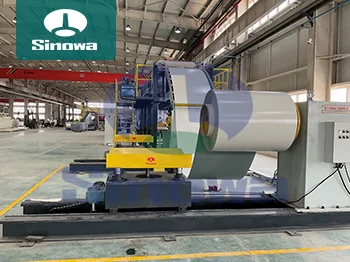
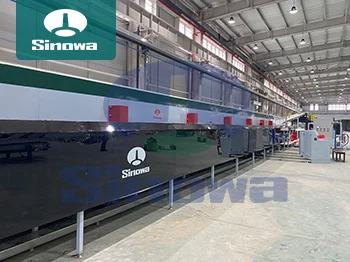
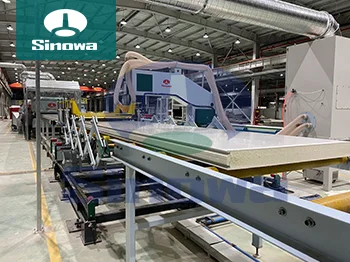
Sinowa is committed to the development and manufacturing of high-end and high-efficiency sandwich panel production line. Our sandwich panel production line are leading the way in efficiency, automatic control, human-computer interaction, environmental protection and energy consumption. Using system integration and bus control technology, it realizes the automatic integrated linkage control of the entire sandwich panel production line, and can achieve remote interactive communication, which has the world-class level and a comprehensive leading high-performance sandwich panel production line in the market.
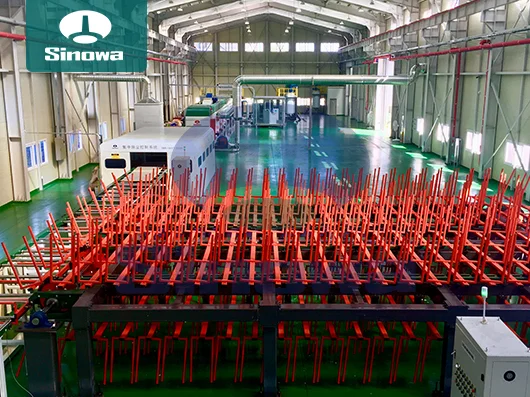
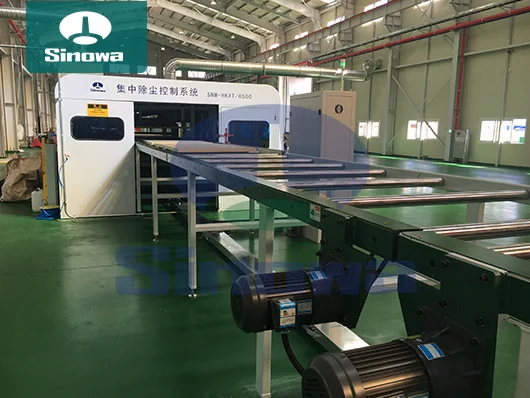
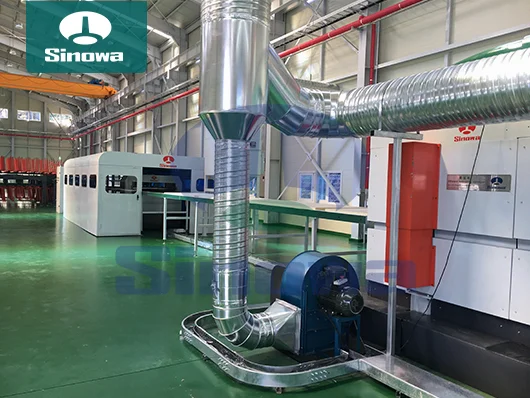
For more than ten years, relying on our innovative manufacturing concept and excellence in quality, reliable and trustworthy service to customers, we cooperate with customers all over the world, exported products to Canada, South Korea, Israel, Australia, the Middle East and other more than 20 countries and regions. contributed to building energy conservation and low-carbon production and have won widespread praise.
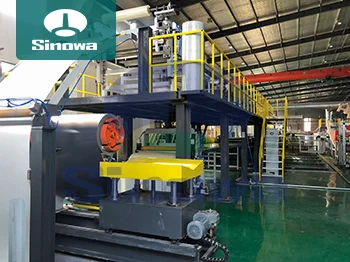
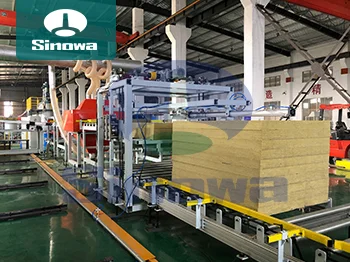
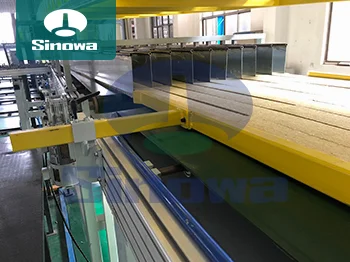
Sinowa has invested outstanding efforts in sandwich panel production line, this is why our products are more efficiency, quality, automatic control technology, environmental protection, energy consumption indicators and the appearance and safety protection are comprehensively leading, some subversive design changes in many major technical points, these major innovations make our products excellent in price/performance and user experience.
In the evolving landscape of modern manufacturing and construction, sandwich panels have emerged as a versatile and essential material, valued for their unique combination of light weight, high strength, thermal insulation, soundproofing, and fire resistance. These panels, composed of two outer facings and a core material, are widely used in a range of applications, from industrial warehouses and commercial buildings to cold storage facilities and modular constructions. As the demand for sandwich panels continues to grow globally, the equipment used to produce them—sandwich panel production lines—has become a critical investment for manufacturers looking to meet market needs efficiently and consistently.
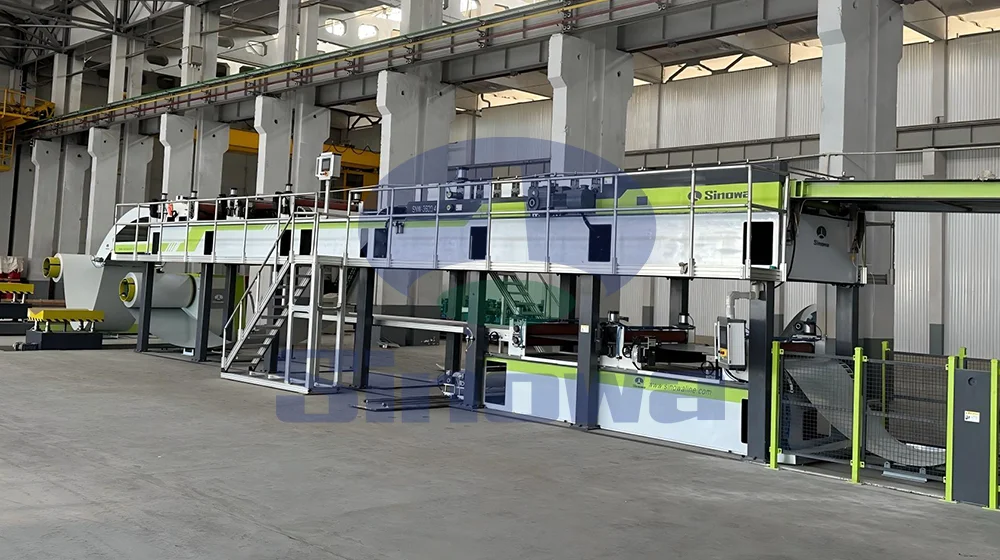
A sandwich panel production line is a complex integrated system designed to automate and streamline the entire process of manufacturing sandwich panels, from raw material handling to the final packaging of finished products. Unlike traditional manual or semi-automatic production methods, modern production lines leverage advanced technology to minimize human intervention, improve production efficiency, and ensure consistent product quality. The core functionality of these lines revolves around combining two outer layers (typically made of metal sheets such as steel or aluminum) with a core material (which can include polyurethane, polyisocyanurate, mineral wool, expanded polystyrene, or other insulating materials) through a series of coordinated processes.
The composition of a sandwich panel production line varies depending on the type of panels being produced, the desired production capacity, and the specific materials used. However, most lines share a set of fundamental components that work together to complete the manufacturing process. The uncoiling and leveling unit is the starting point for lines using metal facings, responsible for unwinding large coils of metal sheets and flattening them to remove any wrinkles or inconsistencies. This step is crucial because uneven facings can compromise the bonding with the core material and the overall structural integrity of the finished panel. The uncoiling unit is often equipped with automatic deviation correction devices to ensure the metal sheets are fed smoothly and aligned correctly, preventing misalignment during subsequent processes.
Following uncoiling and leveling, the metal sheets undergo a cleaning and pre-treatment process. This step removes any dust, oil, or oxide layers from the surface of the metal, which can hinder the adhesion between the facings and the core material. Pre-treatment may involve chemical cleaning, rinsing, and drying, depending on the type of metal and the desired bond strength. Some production lines also include a pre-heating unit at this stage, which regulates the temperature of the metal sheets to an optimal range for bonding, ensuring better adhesion and improving the overall structural stability of the sandwich panels.
The next critical component is the roll forming machine, which shapes the metal sheets into the desired profile for the outer facings. The profile can vary based on the application of the sandwich panels—for example, roof panels may have deeper ribs for added strength and water resistance, while wall panels may have a flatter surface or smaller ribs for aesthetic purposes. Roll forming machines use a series of rollers to gradually bend the metal sheets into the required shape, ensuring precision and consistency across all panels. Advanced roll forming systems often feature a cassette design, allowing for quick replacement of rollers to switch between different panel profiles without stopping the entire production line, which significantly improves flexibility and efficiency.
Parallel to the processing of the outer facings is the preparation of the core material. The type of core material determines many of the performance characteristics of the sandwich panel, such as thermal insulation, fire resistance, and soundproofing. For foam-based cores like polyurethane or polyisocyanurate, a foaming machine is a key component of the production line. This machine mixes two-component raw materials in a precise ratio and injects the mixture between the outer facings, where it expands and cures to form a solid, insulating core. The foaming process must be carefully controlled to ensure uniform density and thickness, as variations can affect the panel’s insulation properties and structural strength. Modern foaming systems use high-pressure technology and mass flow transducers to achieve precise mixing and application, with some systems capable of controlling foam density error within a very narrow range.
For mineral-based cores like mineral wool or glass wool, the production line includes a core material handling system that cuts the core into the required size and feeds it between the outer facings. These systems often include a lifting device, a cutting machine, and a conveying system to ensure the core material is aligned correctly and placed evenly between the facings. Some lines also feature a glue spraying system to enhance the bond between the mineral core and the metal facings, ensuring the panel remains intact under various conditions.
Once the outer facings and core material are prepared, they are fed into the laminating and pressing unit, which is the heart of the production line. This unit bonds the two outer facings and the core material together under controlled heat and pressure, ensuring a strong, durable bond. The laminating process typically uses a double-belt conveyor system, where the panel components are sandwiched between two conveyor belts that apply uniform pressure and heat. The temperature and pressure settings are adjusted based on the type of core material and facings, with foam-based cores requiring specific curing temperatures to ensure proper expansion and bonding. The double-belt system also ensures the panel remains flat and uniform throughout the lamination process, preventing warping or uneven thickness.
After lamination, the continuous sandwich panel is fed into the cutting unit, which cuts the panel to the required length. The cutting unit is often equipped with an automatic tracking cross-cut saw that can adjust cutting parameters in real-time based on production requirements, supporting the production of panels of various lengths. Advanced cutting systems use CNC technology to ensure precise cuts, with some capable of maintaining dimensional accuracy within a very small tolerance. The cutting process must be clean and precise to avoid damaging the panel edges, which could compromise the panel’s performance and aesthetic appeal.
Following cutting, the finished panels are moved to the stacking and packaging unit. This unit automates the process of stacking the panels neatly and packaging them for storage or shipment. Stacking systems often use vacuum cups or mechanical arms to handle the panels gently, preventing damage. Packaging typically involves wrapping the stacked panels in stretch film to protect them from dust, moisture, and damage during transportation. Some production lines also include a cooling system before stacking, which accelerates the curing process of the core material and ensures the panels are stable before packaging.
One of the key distinctions between different sandwich panel production lines is the choice between continuous and discontinuous production processes. Continuous production lines operate without interruption, producing panels in a continuous stream, which makes them ideal for large-scale production. These lines are particularly suitable for foam-based cores like polyurethane or polyisocyanurate, as the foaming and curing processes can be integrated into a continuous workflow. Continuous lines offer high production efficiency, with some capable of producing panels at speeds of several meters per minute, and are well-suited for manufacturers with high-volume orders.
Discontinuous production lines, on the other hand, produce panels in batches, making them more suitable for smaller-scale operations or customized orders. These lines are often used for mineral-based cores like mineral wool, which may require more time for cutting and alignment. Discontinuous lines offer greater flexibility, allowing manufacturers to easily switch between different panel sizes, thicknesses, and core materials without significant reconfiguration. While they may have lower production efficiency compared to continuous lines, they are a practical choice for businesses that serve niche markets or require frequent product changes.
Automation is a defining feature of modern sandwich panel production lines, with varying levels of automation available to suit different business needs. Fully automated lines integrate all processes—from raw material feeding to finished product packaging—into a single, seamless workflow, controlled by a central PLC (Programmable Logic Controller) and HMI (Human-Machine Interface) system. These lines require minimal human intervention, with sensors monitoring each stage of the production process to ensure consistency and detect any potential issues. Fully automated lines offer several advantages, including higher production efficiency, improved product quality, reduced labor costs, and the ability to operate continuously for extended periods.
Semi-automated lines, by contrast, require some manual intervention for certain processes, such as loading raw materials or handling finished products. These lines are often more affordable and suitable for small to medium-sized manufacturers with lower production volumes. While they may not offer the same level of efficiency as fully automated lines, they still provide significant improvements over manual production methods, reducing labor intensity and improving product consistency.
The flexibility and adaptability of a sandwich panel production line are also important considerations for manufacturers. Modern lines are often designed with a modular structure, allowing for easy expansion or modification to meet changing market needs. For example, a line designed to produce polyurethane sandwich panels can be modified to handle mineral wool cores by adding or replacing specific components. This modular design reduces the need for significant capital investment when expanding product offerings, making it easier for manufacturers to adapt to new trends and customer demands.
Energy efficiency and environmental sustainability are increasingly important factors in the design and operation of sandwich panel production lines. As global focus on reducing carbon emissions and promoting green manufacturing grows, manufacturers are seeking production lines that minimize energy consumption and environmental impact. Modern lines often incorporate energy-saving features such as energy-efficient motors, heat recovery systems, and low-emission foaming technologies. For example, some foaming systems use pentane as a blowing agent instead of traditional fluorinated compounds, which have a lower environmental impact and zero ozone depletion potential.
In addition, some production lines are designed to utilize industrial waste materials, such as fly ash, in the production of certain core materials, reducing waste and promoting circular economy principles. These environmentally friendly features not only help manufacturers comply with increasingly strict environmental regulations but also enhance their brand reputation and appeal to environmentally conscious customers.
The performance and reliability of a sandwich panel production line are influenced by the quality of its components and the level of technical support available. High-quality components, such as precision rollers, durable conveyor belts, and reliable control systems, ensure the line operates smoothly and requires minimal maintenance. Regular maintenance is essential to keep the line running efficiently, prevent breakdowns, and extend its service life. Many manufacturers offer maintenance services and spare parts to ensure their production lines remain operational, minimizing downtime and maximizing productivity.
The application of sandwich panels continues to expand beyond traditional construction, driving the demand for more specialized production lines. For example, the cold chain logistics industry requires sandwich panels with excellent thermal insulation properties to maintain stable temperatures in refrigerated warehouses and trucks. Production lines designed for this sector may include additional features such as enhanced foaming systems and quality control measures to ensure the panels meet strict insulation standards. Similarly, the clean room industry requires sandwich panels with high levels of airtightness and cleanliness, which requires production lines with specialized cleaning and processing capabilities.
Another emerging trend is the integration of smart technology into sandwich panel production lines. IoT (Internet of Things) sensors and remote monitoring systems allow manufacturers to track production data, monitor equipment performance, and detect potential issues in real-time. This data can be used to optimize production processes, reduce downtime, and improve overall efficiency. Some lines also feature fault self-diagnosis systems, which can quickly identify and alert operators to problems, reducing the time required for troubleshooting and repair.
When considering a sandwich panel production line, manufacturers must evaluate their specific needs and goals. Factors such as production volume, product range, budget, and long-term growth plans all play a role in determining the most suitable line. For large-scale manufacturers with high-volume orders, a fully automated continuous line may be the best choice, offering maximum efficiency and consistency. For smaller manufacturers or those with diverse product needs, a semi-automated or discontinuous line with modular components may be more practical, providing flexibility and lower initial investment.
It is also important to consider the long-term operational costs of the production line, including energy consumption, maintenance, and labor. While a fully automated line may have a higher initial investment, it can reduce labor costs and improve efficiency over time, leading to lower overall operational costs. Additionally, lines with energy-saving features can help reduce utility bills, further improving profitability.
In conclusion, sandwich panel production lines are essential equipment for manufacturers looking to capitalize on the growing demand for sandwich panels in various industries. These lines vary in configuration, automation level, and capabilities, allowing manufacturers to choose a system that aligns with their specific needs. From the core components that handle raw material processing and lamination to the advanced control systems that ensure precision and efficiency, every aspect of a production line contributes to its overall performance and value. As technology continues to advance, sandwich panel production lines will become more efficient, intelligent, and environmentally friendly, enabling manufacturers to produce high-quality panels at a lower cost and meet the evolving needs of the global market. Whether for large-scale industrial production or small-scale customized orders, the right sandwich panel production line is a key investment that can drive business growth and success in the competitive manufacturing landscape.
« Sandwich Panel Production Line Price » Update Date: 2026/4/20
Tags: Continuous PUR Sandwich Panel Production Line , Continuous PUF Sandwich Panel Production Line , Insulated Sandwich Panel Production Line , PUF Sandwich Panel Production Line , Wall Sandwich Panel Production Line , Roof Sandwich Panel Production Line , Cold Room Sandwich Panel Production Line , Cold Storage Sandwich Panel Production Line , Metal Sandwich Panel Production Line , Metal Carved Insulated Sandwich Panel Production Line , Isolation Sandwich Panel Production Line , Corrugated Sandwich Panel Production Line , Fully Automatic Rock Wool Sandwich Panel Production Line , Fully Automatic PU Sandwich Panel Production Line , Foam Sandwich Panel Production Line , Decorative PU Sandwich Panel Production Line , Continuous PU Sandwich Panel Production Line , PUR Sandwich Panel Production Line , PIR Sandwich Panel Production Line , Sandwich Panel Production Line , Soundproofing Sandwich Panel Production Line , Rock Wool Sandwich Panel Production Line , Mineral Wool Sandwich Panel Production Line , Rockwool Sandwich Panel Production Line , Glass Wool Sandwich Panel Production Line , Continuous Sandwich Panel Production Line , Composite Sandwich Panel Production Line , Color Steel Sandwich Panel Production Line , Automatic Sandwich Panel Production Line , Polyurethane Sandwich Panel Production Line , PU Sandwich Panel Production Line ,
- High-end Continuous Sandwich Panel Line
- Composite Panel Production Line
- PU Insulated Panel Production Line From China
- High-end PU Sandwich Panel Machine
- Glass Wool Production Line Supplier
- Automatic Sandwich Panel Production Line
- PUF Panel Making Machine Manufacturer
- High-tech PU Sandwich Panel Making Machine
- Glass Wool Sandwich Panel Machine For Sale
- Polyurethane Sandwich Panel Production Line
- High-end PUR Sandwich Panel Production Line
- PU Sandwich Panel Making Machine Manufacturer
- Cheap PU Insulated Panel Production Line
- PIR Sandwich Panel Line Price
- High Efficiency PUR Sandwich Panel Production Line
- High-quality PUF Panel Making Machine
- High-tech Polyurethane Sandwich Panel Machinery
- Cheap Continuous PUF Panel Production Line
- PUR Sandwich Panel Production Line Factory
- High Efficiency Fully Automatic PU Sandwich Panel Line
- Links:
- Sandwich Panel Continuous Production Line
- Automatic and Continuous Sandwich Panel Production Line
- Cheap and Low Price Sandwich Panel Production Line
- China Sandwich Panel Production Line Factory
- Color Steel Sandwich Panel Production Line For Cold Storage
- Continuous Composite Foam Sandwich Panel Production Line
- Continuous Production Line For Rockwool and Mineral Wool Sandwich Panels
- Continuous PU Phenolic Insulation Panel Production Line
- Continuous PU PIR Sandwich Panel Production Line
- Continuous PUF PUR Sandwich Panel Production Line
- Continuous Sandwich Panel Production Line For Roof and Wall
- Customized and Design Sandwich Panel Production Line
- Decorative Sandwich Panel Production Line For Glass Wool Boards
- High Quality Sandwich Panel Production Line For Sale
- Polyurethane(PU) Sandwich Panel Production Line
- Sandwich Panel Production Line Manufacturer and Supplier