
Sandwich Panel Production Line For House
Sinowa is a well-known manufacturer and technical service provider of high-end sandwich panel production line, learn more about sandwich panel production line for house, please contact Sinowa's technical engineer, tell us what you need, we will contact you as soon as possible!
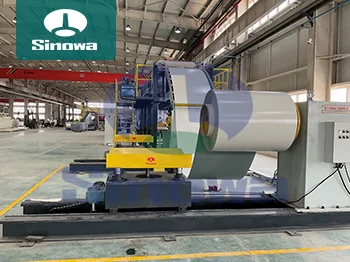
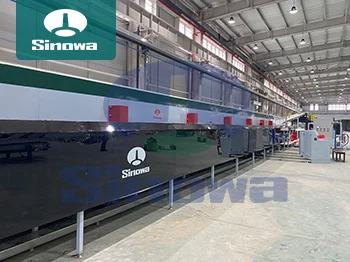
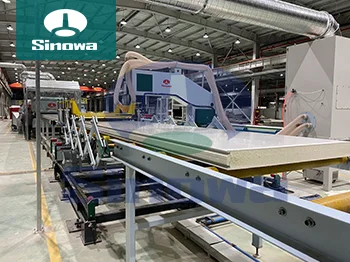
Sinowa is committed to the development and manufacturing of high-end and high-efficiency sandwich panel production line. Our sandwich panel production line are leading the way in efficiency, automatic control, human-computer interaction, environmental protection and energy consumption. Using system integration and bus control technology, it realizes the automatic integrated linkage control of the entire sandwich panel production line, and can achieve remote interactive communication, which has the world-class level and a comprehensive leading high-performance sandwich panel production line in the market.
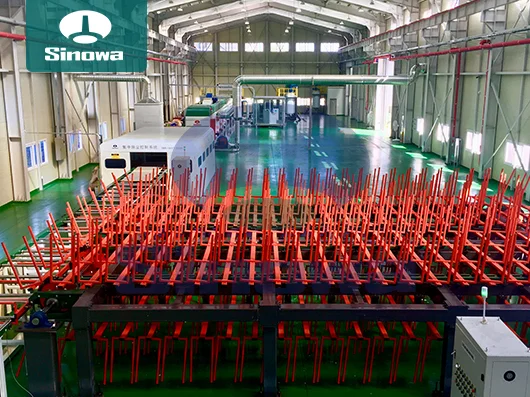
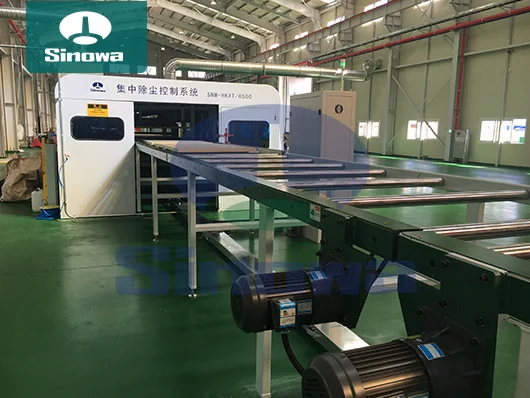
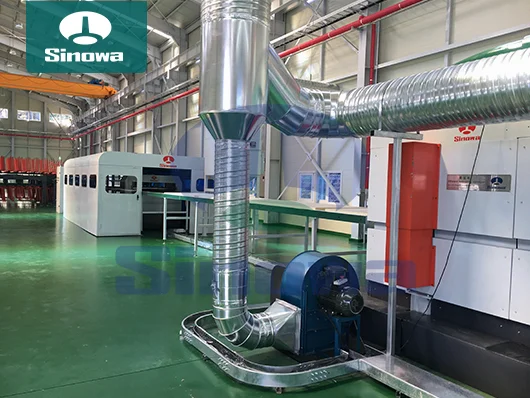
For more than ten years, relying on our innovative manufacturing concept and excellence in quality, reliable and trustworthy service to customers, we cooperate with customers all over the world, exported products to Canada, South Korea, Israel, Australia, the Middle East and other more than 20 countries and regions. contributed to building energy conservation and low-carbon production and have won widespread praise.
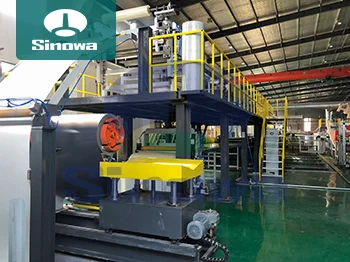
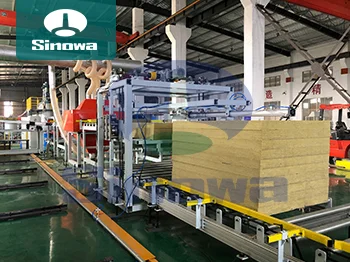
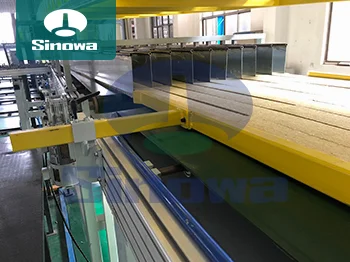
Sinowa has invested outstanding efforts in sandwich panel production line, this is why our products are more efficiency, quality, automatic control technology, environmental protection, energy consumption indicators and the appearance and safety protection are comprehensively leading, some subversive design changes in many major technical points, these major innovations make our products excellent in price/performance and user experience.
The sandwich panel production line for house construction has emerged as a cornerstone of modern residential building practices, revolutionizing the way homes are designed, built, and maintained. As the demand for efficient, sustainable, and cost-effective housing solutions continues to grow globally, these production lines have become increasingly vital, enabling the mass production of high-quality sandwich panels that offer a unique combination of structural strength, thermal insulation, soundproofing, and durability. Unlike traditional construction materials that require extensive on-site labor and time-consuming processes, sandwich panels produced by specialized lines are prefabricated in controlled factory environments, ensuring consistent quality and reducing construction timelines significantly. This shift towards prefabrication has not only streamlined the building process but also addressed key challenges in residential construction, such as energy inefficiency, environmental impact, and structural instability, making sandwich panels an ideal choice for both new housing developments and renovation projects.
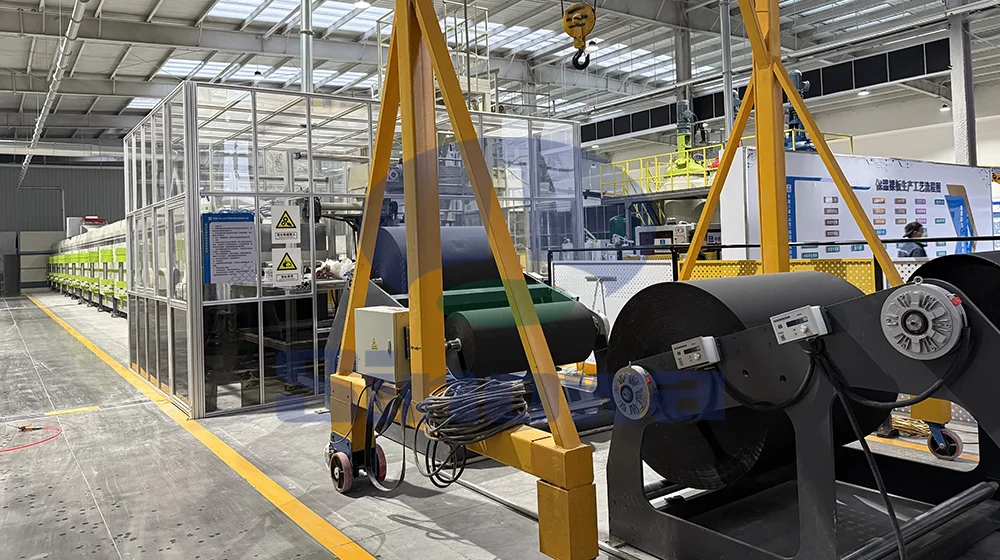
At its core, a sandwich panel for house construction is a composite material consisting of three distinct layers: two outer face sheets and a central core material. The face sheets, typically made from materials that offer rigidity and protection, serve as the structural backbone of the panel, while the core material, which is lightweight and thermally efficient, provides insulation and soundproofing properties. The production line is designed to seamlessly integrate these three layers into a single, cohesive unit, ensuring that each panel meets the specific requirements of residential construction, such as resistance to weather conditions, fire safety, and long-term durability. The entire production process is highly automated, minimizing human error and ensuring that each panel adheres to consistent standards, which is crucial for maintaining the structural integrity of homes and meeting the evolving needs of homeowners and builders alike.
The production process of sandwich panels for houses begins with the preparation of raw materials, a critical step that directly impacts the quality and performance of the final product. The face sheets, which are often made from materials like galvanized steel, aluminum, or fiberglass-reinforced plastic, are first uncoiled and prepared for processing. The uncoiling process is handled by specialized equipment that ensures the face sheets are fed into the production line smoothly and without damage. Once uncoiled, the face sheets may undergo additional processing steps, such as cleaning, preheating, or profiling, to enhance their adhesion to the core material and improve their overall performance. For example, preheating the face sheets ensures that the adhesive used to bond them to the core material adheres more effectively, creating a stronger and more durable bond that can withstand the test of time and environmental stressors.
The core material, which is the heart of the sandwich panel’s insulation and soundproofing capabilities, is prepared separately before being integrated with the face sheets. Common core materials used in residential sandwich panels include expanded polystyrene (EPS), polyurethane (PU), rock wool, and phenolic foam, each offering unique properties that make them suitable for different climate conditions and housing requirements. EPS cores are known for their excellent thermal insulation and lightweight properties, making them ideal for homes in moderate climates, while PU cores offer superior fire resistance and moisture resistance, making them suitable for areas with high humidity or strict fire safety regulations. Rock wool cores, on the other hand, provide exceptional fire resistance and sound absorption, making them a popular choice for homes in noisy or high-risk fire areas. The preparation of the core material involves cutting, shaping, or foaming the material to the desired thickness and density, ensuring that it fits perfectly between the two face sheets and provides the required level of insulation and structural support.
Once the face sheets and core material are prepared, the next step in the production process is the bonding and lamination of the three layers. This step is critical to ensuring the structural integrity of the sandwich panel, as it involves applying a high-quality adhesive to the face sheets and then sandwiching the core material between them. The adhesive used must be compatible with both the face sheets and the core material, ensuring a strong and permanent bond that can withstand temperature changes, moisture, and mechanical stress. The bonding process is typically carried out using specialized equipment that applies the adhesive evenly across the surface of the face sheets, ensuring that there are no gaps or inconsistencies that could weaken the bond. After the adhesive is applied, the face sheets and core material are fed into a lamination press, where they are pressed together under controlled temperature and pressure conditions. This pressing process ensures that the adhesive cures properly and that the three layers are fused into a single, rigid panel with uniform thickness and strength.
Following the lamination process, the sandwich panels are moved to the cutting section of the production line, where they are cut to the precise dimensions required for residential construction. The cutting process is handled by high-precision cutting machines that use advanced technology to ensure accuracy and consistency, even when cutting large volumes of panels. These machines can be programmed to cut panels of different lengths, widths, and thicknesses, making the production line highly versatile and capable of meeting the diverse needs of housing projects, from small residential units to large apartment complexes. The cutting process is also designed to minimize waste, as any excess material can be recycled or repurposed, aligning with the growing focus on sustainability in the construction industry.
After cutting, the sandwich panels undergo a quality control inspection to ensure that they meet all the required standards for residential use. This inspection process involves checking the thickness, density, bond strength, and surface quality of each panel, as well as testing for thermal insulation, soundproofing, and fire resistance. Any panels that do not meet the required standards are rejected and sent back for reprocessing, ensuring that only high-quality panels are delivered to construction sites. The quality control process is an essential part of the production line, as it ensures that the sandwich panels are safe, durable, and capable of meeting the long-term needs of homeowners. This attention to quality has made sandwich panels a trusted choice for residential construction, as they offer consistent performance and reliability that traditional building materials often struggle to match.
One of the key advantages of using a sandwich panel production line for house construction is the efficiency and speed with which panels can be produced. Unlike traditional construction methods, which require extensive on-site labor and time to build walls, roofs, and floors, sandwich panels are prefabricated in a factory setting, allowing for mass production and quick delivery to construction sites. This not only reduces the overall construction timeline but also lowers labor costs, as fewer workers are needed on-site to assemble the panels. For example, a typical residential home built using sandwich panels can be assembled in a fraction of the time it would take to build using traditional materials like brick or concrete, making it an ideal solution for housing projects that require fast completion, such as emergency housing or affordable housing developments.
Another significant advantage of sandwich panels produced by specialized production lines is their energy efficiency. The central core material of the panel provides excellent thermal insulation, reducing heat loss in winter and heat gain in summer, which helps to lower energy consumption for heating and cooling. This not only reduces the carbon footprint of homes but also lowers utility bills for homeowners, making sandwich panel homes more affordable to maintain in the long run. In addition, the airtight seal created by the sandwich panels helps to prevent drafts and moisture infiltration, improving indoor air quality and reducing the risk of mold and mildew growth, which can have negative impacts on the health of residents. As energy efficiency becomes an increasingly important consideration in residential construction, sandwich panels have become a preferred choice for builders and homeowners alike, as they offer a simple and effective way to create energy-efficient homes.
Durability is another key benefit of sandwich panels produced by dedicated production lines. The combination of strong face sheets and a robust core material makes these panels highly resistant to weather conditions, such as rain, wind, snow, and extreme temperatures. They are also resistant to pests, rot, and corrosion, ensuring that they maintain their structural integrity and appearance for many years. Unlike traditional building materials that may require regular maintenance and repairs, sandwich panels are low-maintenance, requiring only occasional cleaning to keep them in good condition. This durability not only extends the lifespan of homes but also reduces the long-term maintenance costs for homeowners, making sandwich panel homes a cost-effective investment.
The versatility of sandwich panel production lines is another factor that makes them ideal for house construction. These lines can be customized to produce panels of different sizes, thicknesses, and configurations, allowing builders to create homes with unique designs and layouts. For example, sandwich panels can be used for walls, roofs, floors, and even interior partitions, making them a versatile building material that can be used throughout the entire home. In addition, the face sheets can be finished with a variety of colors and textures, allowing homeowners to customize the appearance of their homes to suit their personal preferences. This versatility has made sandwich panels suitable for a wide range of residential applications, from small single-family homes to large multi-story apartment buildings, as well as temporary housing, modular homes, and emergency shelters.
As the construction industry continues to evolve, sandwich panel production lines are also adapting to meet new trends and requirements. One of the most significant trends in recent years is the focus on sustainability and environmental responsibility. Many production lines now use eco-friendly materials, such as recycled core materials and low-VOC adhesives, to reduce their environmental impact. In addition, the prefabrication process reduces construction waste, as panels are produced to precise specifications, minimizing the amount of material that is wasted on-site. Some production lines are also integrating renewable energy sources, such as solar power, to power their operations, further reducing their carbon footprint. These sustainable practices not only benefit the environment but also appeal to homeowners and builders who are increasingly looking for eco-friendly housing solutions.
Another emerging trend in sandwich panel production lines for house construction is the integration of advanced technology, such as Industry 4.0 principles, digital twin technology, and robotic automation. These technologies are being used to optimize the production process, improve efficiency, and reduce errors. For example, real-time data analytics allows manufacturers to monitor the production process and identify potential bottlenecks before they become a problem, while predictive maintenance helps to prevent equipment breakdowns and ensure that the production line runs smoothly. Digital twin technology enables manufacturers to simulate the production process and optimize performance, while robotic automation reduces the need for human intervention, minimizing errors and improving consistency. These technological advancements are making sandwich panel production lines more efficient, reliable, and cost-effective, further solidifying their position as a key component of modern residential construction.
Despite the numerous advantages, sandwich panel production lines for house construction also face certain challenges. One of the main challenges is maintaining consistent core material dispensing and achieving perfect bonding between the layers, which requires precise control and calibration of the production equipment. Dealing with variations in raw material quality and ensuring compatibility between different materials can also be complex, as even small variations can affect the performance of the final panel. To address these challenges, manufacturers invest in advanced control systems, implement rigorous quality control procedures, and collaborate closely with material suppliers to ensure that the raw materials meet the required standards. In addition, modular line designs allow for greater flexibility and easier adaptation to changing production requirements, making it easier to address any issues that arise during the production process.
Another challenge is the end-of-life management of sandwich panels, as the composite nature of the panels can make recycling difficult. However, manufacturers are increasingly developing effective recycling and reuse strategies to promote sustainability and minimize environmental impact. For example, some sandwich panels can be disassembled into their individual components, which can then be recycled or repurposed, while others can be crushed and used as aggregate in other construction projects. These efforts are helping to make sandwich panel production more sustainable and environmentally friendly, addressing one of the key concerns in the construction industry.
In conclusion, the sandwich panel production line for house construction has transformed the residential building industry, offering a efficient, sustainable, and cost-effective solution for modern housing needs. From the preparation of raw materials to the final quality control inspection, every step of the production process is designed to ensure that the sandwich panels are of the highest quality, offering exceptional structural strength, thermal insulation, soundproofing, and durability. The versatility of these production lines allows them to meet the diverse needs of housing projects, from small single-family homes to large apartment complexes, while the integration of advanced technology and sustainable practices ensures that they remain at the forefront of the construction industry. As the demand for energy-efficient, eco-friendly, and affordable housing continues to grow, sandwich panel production lines will play an increasingly important role in shaping the future of residential construction, providing homeowners with safe, comfortable, and sustainable homes that stand the test of time.
« Sandwich Panel Production Line For House » Update Date: 2026/4/20
Tags: Continuous PUR Sandwich Panel Production Line , Continuous PUF Sandwich Panel Production Line , Insulated Sandwich Panel Production Line , PUF Sandwich Panel Production Line , Wall Sandwich Panel Production Line , Roof Sandwich Panel Production Line , Cold Room Sandwich Panel Production Line , Cold Storage Sandwich Panel Production Line , Metal Sandwich Panel Production Line , Metal Carved Insulated Sandwich Panel Production Line , Isolation Sandwich Panel Production Line , Corrugated Sandwich Panel Production Line , Fully Automatic Rock Wool Sandwich Panel Production Line , Fully Automatic PU Sandwich Panel Production Line , Foam Sandwich Panel Production Line , Decorative PU Sandwich Panel Production Line , Continuous PU Sandwich Panel Production Line , PUR Sandwich Panel Production Line , PIR Sandwich Panel Production Line , Sandwich Panel Production Line , Soundproofing Sandwich Panel Production Line , Rock Wool Sandwich Panel Production Line , Mineral Wool Sandwich Panel Production Line , Rockwool Sandwich Panel Production Line , Glass Wool Sandwich Panel Production Line , Continuous Sandwich Panel Production Line , Composite Sandwich Panel Production Line , Color Steel Sandwich Panel Production Line , Automatic Sandwich Panel Production Line , Polyurethane Sandwich Panel Production Line , PU Sandwich Panel Production Line ,
- Cheap Glass Wool Equipment
- Sandwich Foam Panel Making Machine Manufacturer
- High-tech Sandwich Panel Production Machinery
- PU Sandwich Panel Production Line For Construction
- High-quality Continuous PUF Panel Production Line
- Cold Storage Sandwich Panel Production Line For Sale
- High-tech Isolation Sandwich Panel Production Line
- Cheap Continuous PU Sandwich Panel Line
- Cheap Insulated Sandwhich Panel Production Line
- High-end Glass Wool Production Line
- High-end Soundproofing Sandwich Panel Production Line
- Custom Fully Automatic PU Sandwich Panel Machine
- Color Steel Sandwich Panel Production Line Factory
- Glass Wool Sandwich Panel Machine Design
- Cheap Roof Sandwich Panel Production Line
- High-tech Automatic Sandwich Panel Production Line
- Foam Core Sandwich Panel Line For Sale
- Fully Automatic PU Sandwich Panel Line Factory
- Sandwich Panel Foam Making Machine For Sale
- Roof Sandwich Panel Production Line Price
- Links:
- Sandwich Panel Continuous Production Line
- Automatic and Continuous Sandwich Panel Production Line
- Cheap and Low Price Sandwich Panel Production Line
- China Sandwich Panel Production Line Factory
- Color Steel Sandwich Panel Production Line For Cold Storage
- Continuous Composite Foam Sandwich Panel Production Line
- Continuous Production Line For Rockwool and Mineral Wool Sandwich Panels
- Continuous PU Phenolic Insulation Panel Production Line
- Continuous PU PIR Sandwich Panel Production Line
- Continuous PUF PUR Sandwich Panel Production Line
- Continuous Sandwich Panel Production Line For Roof and Wall
- Customized and Design Sandwich Panel Production Line
- Decorative Sandwich Panel Production Line For Glass Wool Boards
- High Quality Sandwich Panel Production Line For Sale
- Polyurethane(PU) Sandwich Panel Production Line
- Sandwich Panel Production Line Manufacturer and Supplier